Democrats Find Inflation Villains: Putin & Big Oil
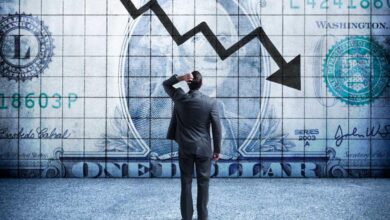
Democrats find their inflation villains vladimir putin and big oil – Democrats Find Inflation Villains: Putin & Big Oil, a narrative that’s been dominating political discourse, seeks to pinpoint the culprits behind the rising cost of living. While economic complexities contribute to inflation, Democrats have focused their messaging on blaming Vladimir Putin and Big Oil, suggesting their actions are driving the price hikes.
This strategy aims to shape public perception and potentially influence policy decisions, but is it a fair assessment of the situation?
This article delves into the arguments presented by Democrats, examining the evidence supporting their claims. We’ll analyze the actions of Putin and Big Oil, explore the economic context of inflation, and assess the impact of these narratives on public understanding and political maneuvering.
Ultimately, we aim to provide a balanced perspective on the complex issue of inflation and its multifaceted causes.
The Political Landscape
The current political climate in the United States is deeply divided, with inflation serving as a central point of contention. The Democratic Party, currently in control of the White House and Congress, has faced significant criticism for the rising cost of living, with Republicans blaming their policies for the economic woes.
In response, Democrats have shifted their focus to external factors, attributing inflation primarily to the actions of Vladimir Putin and the oil industry. This messaging strategy, while potentially effective in deflecting blame, has been met with mixed reactions from the public.
The Democratic Narrative on Inflation
Democrats have consistently pointed to the war in Ukraine and the subsequent energy crisis as the primary drivers of inflation. They argue that Putin’s invasion of Ukraine has disrupted global supply chains, leading to increased energy prices and exacerbating existing inflationary pressures.
Furthermore, they criticize oil companies for exploiting the situation by raising prices beyond what is justified by the current market conditions. This narrative has been frequently reiterated by prominent Democrats, including President Joe Biden, who has repeatedly called for increased oil production and criticized Big Oil for profiting from the crisis.
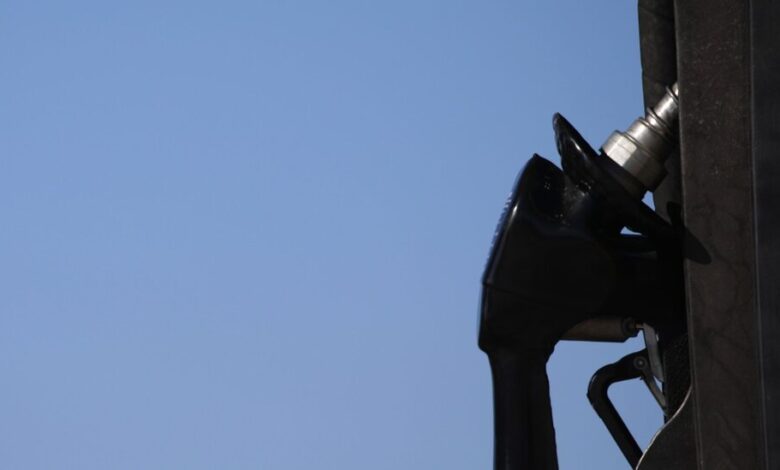
“Putin’s price hike is hitting families at the pump,”
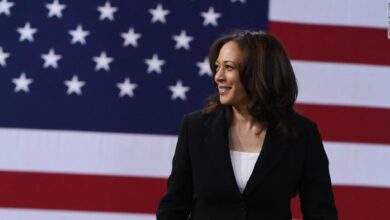
President Biden stated in a speech in March 2022. He also accused oil companies of “war profiteering” and called for increased domestic oil production to alleviate the pressure on consumers. Similarly, Vice President Kamala Harris has echoed this message, blaming Putin for the “unjustified” price hikes.
She has also advocated for policies aimed at increasing competition in the energy sector and reducing dependence on foreign oil.
Public Perception of Inflation Causes
The Democratic messaging on inflation has had a mixed impact on public perception. While some Americans accept the argument that external factors are contributing to the current economic challenges, others remain skeptical. A recent poll by the Pew Research Center found that 63% of Americans believe that the war in Ukraine is a major factor driving inflation, while 35% believe it is a minor factor.
However, the poll also found that a significant portion of the public (42%) believes that the Biden administration’s policies are also contributing to inflation. The effectiveness of the Democratic messaging on inflation will likely depend on a number of factors, including the duration of the war in Ukraine, the response of the oil industry, and the ability of the Biden administration to address other economic concerns.
It remains to be seen whether the Democratic narrative will be successful in shifting public opinion and mitigating the political fallout from rising inflation.
Vladimir Putin’s Role
Democrats have argued that Vladimir Putin’s actions, particularly the invasion of Ukraine, have significantly contributed to inflation in the United States. They claim that the invasion has disrupted global energy markets, leading to higher energy prices and fueling broader inflationary pressures.
Impact of the Invasion on Energy Markets
The invasion of Ukraine has had a significant impact on global energy markets, particularly for oil and natural gas. Russia is a major exporter of these commodities, and the war has disrupted supply chains and led to increased uncertainty. This uncertainty has caused oil and gas prices to surge, putting upward pressure on inflation in the United States.
Impact of Sanctions on Russia
The United States and its allies have imposed severe sanctions on Russia in response to the invasion. These sanctions have targeted Russia’s financial system, its energy sector, and its ability to trade globally. The sanctions have aimed to cripple Russia’s economy and deter further aggression.
However, they have also had unintended consequences, including exacerbating global energy shortages and contributing to inflation.
Impact of Reduced Russian Energy Exports
The sanctions and the war itself have led to a reduction in Russian energy exports. This reduction has limited global energy supply, leading to higher prices. The impact of these disruptions has been felt most acutely in Europe, which relies heavily on Russian natural gas.
However, the global nature of energy markets has meant that these price increases have also impacted the United States.
Impact of Energy Price Increases on Inflation
The surge in energy prices has had a significant impact on inflation in the United States. Energy is a major input for many goods and services, and rising energy prices have led to higher costs for businesses, which have passed these costs on to consumers in the form of higher prices.
Additionally, higher energy prices have directly impacted consumers’ wallets, leading to increased spending on gasoline, heating, and electricity.
Evidence for and Against Putin’s Role in Inflation, Democrats find their inflation villains vladimir putin and big oil
There is evidence to support the claim that Putin’s actions have contributed to inflation in the United States. The surge in energy prices following the invasion of Ukraine is undeniable. Additionally, the sanctions imposed on Russia have exacerbated global energy shortages and contributed to higher prices.However, there is also evidence that suggests that other factors have played a significant role in driving inflation.
These factors include supply chain disruptions related to the COVID-19 pandemic, increased demand for goods and services, and government spending programs.
Conclusion
The extent to which Putin’s actions have contributed to inflation in the United States is a complex issue. While there is evidence to suggest that the invasion of Ukraine and the subsequent sanctions have played a role, it is difficult to isolate the specific impact of these events from other contributing factors.
The impact of these events on inflation is likely to be felt for some time to come, as the global energy market continues to adjust to the new realities created by the war in Ukraine.
The Influence of Big Oil
Democrats argue that Big Oil companies, through their actions, have contributed to the current inflationary environment. They claim that these companies have profited from the recent surge in oil prices, exacerbating the financial strain on consumers.
Actions of Big Oil Companies
Big Oil companies have been accused of engaging in various practices that have driven up oil prices and contributed to inflation. These include:
- Price Gouging:Democrats allege that oil companies have artificially inflated prices, taking advantage of the high demand and limited supply. They point to record profits reported by these companies as evidence of price gouging.
- Reduced Production:Some argue that Big Oil companies have deliberately limited production to maintain high prices. This claim is based on the observation that these companies have not increased production despite rising demand and high prices.
- Lobbying Efforts:Democrats accuse Big Oil companies of using their political influence to block policies aimed at promoting renewable energy and reducing reliance on fossil fuels. They argue that these lobbying efforts have slowed the transition to cleaner energy sources, keeping oil prices high.
Arguments of Democrats and Big Oil Companies
Democrats and Big Oil companies present contrasting arguments regarding their respective roles in the inflationary environment.
- Democrats’ Argument:Democrats emphasize the role of Big Oil’s actions in contributing to inflation. They argue that these companies have prioritized profits over the well-being of consumers, driving up prices and exacerbating the financial burden on households.
- Big Oil Companies’ Argument:Big Oil companies, on the other hand, attribute the rise in oil prices to global factors, such as the war in Ukraine and the disruption of supply chains. They maintain that their role is to meet the global demand for oil and gas, and they argue that their profits are a reflection of market forces, not price gouging.
Relationship Between Oil Prices and Inflation
The relationship between oil prices and inflation is complex and multifaceted.
- Supply and Demand:The basic principle of supply and demand plays a significant role. When demand for oil exceeds supply, prices tend to rise. This is often seen in times of global economic growth or geopolitical instability, such as the current situation with the war in Ukraine.
It’s interesting to see how Democrats are blaming Vladimir Putin and Big Oil for inflation, but sometimes it’s easy to forget that even successful entrepreneurs like Andy Dunn, co-founder of Bonobos, have faced their own struggles with mental health. Dunn’s story, as told in this article , is a reminder that even those who seem to have it all can be affected by these issues.
Ultimately, though, it’s important to remember that inflation is a complex issue with many contributing factors, and it’s unlikely that any single entity is solely responsible.
- Corporate Profits:The profits of oil companies can influence oil prices. If companies prioritize maximizing profits, they may limit production or raise prices, leading to higher oil prices. This is a concern raised by Democrats who accuse Big Oil of price gouging.
- Government Policies:Government policies can also impact oil prices. For example, subsidies for oil production or regulations on emissions can affect the cost of oil extraction and distribution. These policies can influence the price of oil and contribute to inflation.
Economic Analysis
Inflation, a persistent increase in the general price level of goods and services, has become a major concern in the United States. While the blame for this economic challenge has been attributed to various factors, including the actions of Vladimir Putin and the influence of Big Oil, a comprehensive understanding of the underlying economic factors is crucial for developing effective policy solutions.
Supply Chain Disruptions
The COVID-19 pandemic significantly disrupted global supply chains, leading to shortages of raw materials, finished goods, and transportation capacity. The pandemic-induced lockdowns and travel restrictions hampered production and distribution, contributing to higher prices for a wide range of goods. For example, the semiconductor shortage, a key component in many electronic devices, led to increased prices for cars, computers, and other consumer goods.
Increased Consumer Demand
The pandemic also led to a surge in consumer demand, particularly for durable goods, as people spent more time at home and invested in home improvements. This increased demand, coupled with supply chain disruptions, further pushed prices upward. Government stimulus measures, such as the distribution of checks and enhanced unemployment benefits, also contributed to increased consumer spending.
Monetary Policy
The Federal Reserve, the central bank of the United States, has played a significant role in influencing inflation through its monetary policy. The Fed’s accommodative monetary policy, including low interest rates and quantitative easing, aimed to stimulate economic growth and support the recovery from the pandemic.
It’s interesting to see how the Democrats are blaming Putin and Big Oil for inflation, while companies like Zovio are struggling to stay afloat. Zovio, an online education company, is exploring selling parts of its business as net losses continue, a move that highlights the broader economic challenges facing many businesses.
While the Democrats point fingers, it’s clear that the economic picture is complex and requires more than just blaming external factors.
However, these policies also contributed to increased liquidity and higher inflation.
Relative Contributions to Inflation
| Factor | Contribution to Inflation |
|---|---|
| Supply Chain Disruptions | Significant |
| Increased Consumer Demand | Moderate to Significant |
| Monetary Policy | Moderate |
| Putin’s Actions | Moderate |
| Big Oil’s Influence | Moderate |
Government Policies to Address Inflation
Government policies aimed at addressing inflation can be categorized into three main types: price controls, subsidies, and tax cuts.
Price Controls
Price controls involve setting maximum prices for specific goods or services. While price controls can temporarily lower prices, they can also lead to shortages, black markets, and reduced investment. For example, the Nixon administration’s price controls in the 1970s were largely ineffective in controlling inflation and led to shortages of gasoline and other goods.
It’s become a political game of hot potato – Democrats are blaming inflation on Vladimir Putin and Big Oil, but are they missing the bigger picture? Maybe they should take a page from Warren Buffett and Charlie Munger’s playbook. A recent analysis explored their views on BYD, a Chinese electric vehicle giant, and their concerns about the company’s future.
Perhaps focusing on the root causes of inflation, like supply chain disruptions and long-term economic trends, would be a more productive approach than finger-pointing at external factors.
Subsidies
Subsidies involve government payments to producers or consumers to reduce the cost of goods or services. Subsidies can help to lower prices in the short term but can also lead to inefficiencies and distortions in the market. For example, subsidies for renewable energy can help to reduce the cost of clean energy, but they can also lead to higher taxes or reduced funding for other government programs.
Tax Cuts
Tax cuts can increase disposable income for consumers and businesses, potentially leading to increased demand and higher prices. However, tax cuts can also stimulate economic growth and job creation, which can ultimately help to moderate inflation. The effectiveness of tax cuts in addressing inflation depends on the specific economic conditions and the design of the tax cuts.
Public Perception: Democrats Find Their Inflation Villains Vladimir Putin And Big Oil

Public opinion on the causes of inflation is a complex and dynamic landscape. While some individuals might attribute the price increases solely to external factors like the war in Ukraine or the actions of oil companies, others might point to more nuanced and interconnected economic forces.
Understanding public perception is crucial, as it can significantly influence political discourse and policy decisions.
Public Views on Inflation
Public opinion polls offer valuable insights into how Americans perceive the causes of inflation. According to a recent survey conducted by the Pew Research Center, a significant majority of Americans believe that inflation is a major problem. However, there is a notable divide in the perceived causes.
While a majority of Americans believe that the war in Ukraine is contributing to inflation, a smaller proportion blames the actions of oil companies. Additionally, the survey found that Republicans are more likely than Democrats to blame President Biden’s policies for inflation.
The Impact of Political Rhetoric
Political rhetoric can significantly influence public understanding of economic issues, including inflation. For example, the use of terms like “Putin price hike” or “Big Oil gouging” can reinforce certain narratives about the causes of inflation. These narratives, while potentially politically advantageous, can also distort public perception and hinder a more nuanced understanding of the complex factors contributing to inflation.
The Potential Implications of Differing Perspectives
Differing perspectives on inflation can have significant implications for political discourse and policymaking. If a significant portion of the population believes that inflation is primarily caused by external factors beyond the control of policymakers, they might be less supportive of government interventions aimed at controlling prices.
Conversely, if the public attributes inflation to government policies, they might demand more aggressive action from policymakers. Understanding these differing perspectives is crucial for policymakers to effectively address the issue of inflation and navigate the political landscape.
Final Conclusion
The debate surrounding inflation and its villains is far from settled. While Democrats have successfully positioned Putin and Big Oil as scapegoats, the reality is more nuanced. Inflation is a complex phenomenon driven by a confluence of factors, including global supply chain disruptions, increased consumer demand, and monetary policy.
Attributing blame solely to Putin and Big Oil risks oversimplifying the issue and potentially hindering effective policy solutions. Moving forward, a more nuanced and data-driven approach is crucial to tackling inflation and ensuring a sustainable economic future.