
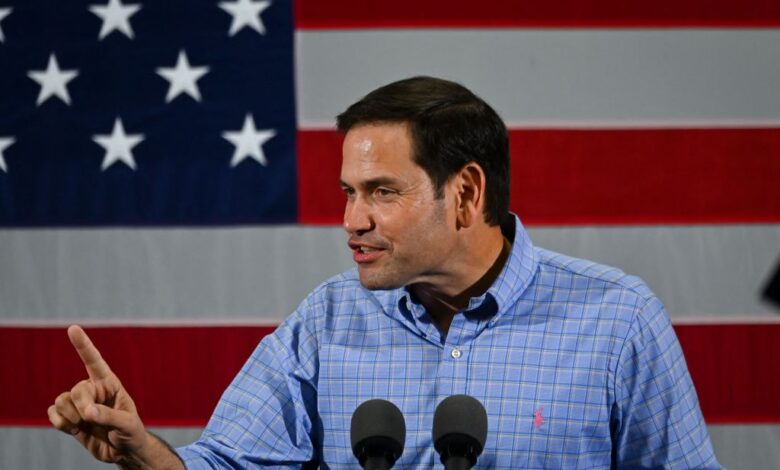
Crypto Industry Dives into Midterms, Courting Democrats with Millions
Crypto industry dives into the midterms raising millions to court democrats, a trend that has sent shockwaves through the political landscape. The cryptocurrency world, once a fringe player in the political arena, is now actively engaging in political campaigns, particularly during the midterms.
This shift has raised eyebrows and sparked debate about the industry’s growing influence and its potential impact on future regulations.
Motivations behind this surge in political activity are multifaceted. Crypto companies, seeking to secure favorable regulations and a supportive political environment, are pouring resources into political campaigns. They see this investment as crucial for ensuring their long-term success and navigating the complex regulatory landscape.
However, this engagement also comes with risks, as the industry faces scrutiny and potential backlash from those concerned about the influence of big money in politics.
Crypto Industry’s Political Engagement
The cryptocurrency industry, known for its innovative spirit and rapid growth, is increasingly engaging in the political arena. The 2022 midterm elections saw a surge in political contributions from cryptocurrency companies and individuals, marking a new chapter in the industry’s political landscape.
Motivations for Political Engagement
The motivations behind this increased political activity are multifaceted, driven by a desire to shape regulations, secure industry growth, and protect investor interests.
- Favorable Regulatory Environment:Cryptocurrency companies are actively lobbying for favorable regulations that foster innovation and promote industry growth. They seek to influence policy decisions related to taxation, securities laws, and consumer protection, aiming to create a conducive environment for their operations.
The crypto industry is making waves in politics, with millions being poured into supporting Democratic candidates in the upcoming midterms. It seems like everyone’s looking for a piece of the political pie, even those who once reigned over a different kind of kingdom.
Just like Paris Hilton, who traded her nightclub throne for a virtual one in the metaverse , the crypto world is seeking a new kind of power, one that extends beyond the digital realm and into the halls of government.
- Investor Protection:As the cryptocurrency market matures, investors are demanding greater protection. Industry players are engaging in political activities to advocate for robust regulatory frameworks that safeguard investors from fraud and manipulation.
- Technological Advancement:The cryptocurrency industry is at the forefront of technological innovation. Companies are actively engaging in political lobbying to ensure that regulations do not stifle innovation and allow for the development of new technologies and applications.
- Public Perception:The cryptocurrency industry faces challenges in public perception, often associated with volatility and security concerns. Political engagement allows industry players to influence public discourse and educate policymakers about the potential benefits of cryptocurrencies.
Targeting Democratic Candidates: Crypto Industry Dives Into The Midterms Raising Millions To Court Democrats

The crypto industry’s political engagement has been a significant topic, particularly during the recent midterm elections. While both parties have received substantial donations from the industry, the Democratic party has emerged as a more favored recipient. This section delves into the reasons behind this trend, analyzing the contrasting political stances of both parties on cryptocurrency regulation and exploring the specific policies that resonate with the crypto community.
Crypto Industry’s Preference for Democratic Candidates
The crypto industry’s preference for Democratic candidates can be attributed to a confluence of factors, including:
- Regulatory Environment:Democrats are generally perceived as more favorable towards innovation and regulation that fosters growth, a stance that aligns with the crypto industry’s desire for a supportive regulatory framework. Republicans, on the other hand, have historically favored a more hands-off approach to regulation, which some in the crypto industry view as potentially stifling innovation.
It’s fascinating to see the crypto industry throwing its weight behind the midterms, pouring millions into courting Democratic candidates. It’s a reminder that the future of finance is deeply intertwined with politics. This reminds me of how Airrack became the Elon Musk of YouTube by pushing boundaries and challenging the status quo, a strategy that seems to be working well for both the crypto industry and Airrack.
As the political landscape evolves, it will be interesting to see how these investments play out and whether they lead to a more crypto-friendly future.
- Social and Economic Policies:The Democratic party’s platform often emphasizes social equity and economic inclusion, values that resonate with the crypto community’s belief in the potential of blockchain technology to democratize finance and empower individuals.
- Campaign Finance:The crypto industry has a vested interest in shaping the political landscape, and donations to Democratic candidates can be seen as a way to influence policy decisions that directly impact the industry’s future.
Contrasting Political Stances on Cryptocurrency Regulation
The two major parties hold distinct views on cryptocurrency regulation, impacting the industry’s trajectory:
- Democratic Stance:Democrats generally favor a balanced approach to regulation, aiming to create a framework that fosters innovation while mitigating risks. This approach emphasizes consumer protection, financial stability, and responsible development of the crypto ecosystem. Examples include proposals for comprehensive regulatory frameworks that provide clarity for businesses operating in the crypto space and initiatives to address potential risks associated with stablecoins and decentralized finance (DeFi).
- Republican Stance:Republicans tend to advocate for a more limited role of government in regulating cryptocurrencies, often emphasizing free markets and minimal interference. This approach prioritizes innovation and competition, potentially leading to faster growth but also raising concerns about consumer protection and market stability.
Examples include calls for less stringent regulation and a focus on promoting innovation through tax incentives and regulatory clarity.
Democratic Policies Resonating with the Crypto Community
Several specific policies and initiatives supported by Democratic candidates have resonated with the crypto community:
- Digital Asset Regulation:Democrats have proposed legislation to establish a comprehensive regulatory framework for digital assets, providing clarity for businesses and investors while addressing concerns about consumer protection and financial stability. This includes proposals for licensing requirements, anti-money laundering (AML) and know-your-customer (KYC) regulations, and mechanisms to oversee stablecoins and DeFi protocols.
- Infrastructure Investments:Democrats have advocated for increased investments in infrastructure, including broadband internet access and digital technologies, which are essential for the growth of the crypto industry. This includes funding for research and development of blockchain technologies and supporting the development of a robust digital infrastructure that can accommodate the demands of a growing crypto ecosystem.
- Social Equity and Financial Inclusion:The Democratic party’s commitment to social equity and financial inclusion aligns with the crypto community’s belief in the transformative potential of blockchain technology. This includes policies aimed at promoting access to financial services, particularly for underserved communities, and initiatives to address financial inequality through decentralized technologies.
Political Influence and Lobbying
The cryptocurrency industry, despite its relative youth, has become a significant force in political lobbying, actively seeking to shape the regulatory landscape in its favor. This influence extends beyond simply advocating for pro-crypto policies; it involves strategic maneuvering to secure favorable tax treatment, navigate securities laws, and ensure consumer protection.
Strategies Employed by Crypto Companies, Crypto industry dives into the midterms raising millions to court democrats
Crypto companies have adopted various strategies to influence policy decisions and gain favorable regulations. These strategies include:
- Lobbying Groups and Political Action Committees (PACs):The industry has formed lobbying groups and PACs to contribute financially to political campaigns and engage in direct lobbying efforts with lawmakers. For instance, the Blockchain Association, a prominent lobbying group, advocates for favorable regulations and works closely with lawmakers to shape crypto-related legislation.
- Direct Engagement with Lawmakers:Crypto companies engage in direct communication with lawmakers, providing technical expertise, insights into the industry, and advocating for specific policy positions. This can involve meetings, briefings, and testimony before congressional committees.
- Public Relations and Advocacy Campaigns:Crypto companies utilize public relations campaigns to shape public perception and build support for their industry. This often involves media outreach, social media engagement, and educational initiatives to promote the benefits of cryptocurrency and blockchain technology.
- Hiring Former Government Officials:Many crypto companies have hired former government officials with expertise in financial regulation and policy, leveraging their connections and understanding of the political landscape. This strategy helps them navigate regulatory hurdles and build relationships with key decision-makers.
Key Areas of Lobbying Focus
Crypto industry lobbying efforts are concentrated on several key areas, including:
- Tax Treatment:Crypto companies advocate for favorable tax treatment, seeking clarity on the tax implications of cryptocurrency transactions and arguing for lower tax rates. They aim to ensure that crypto assets are not subject to overly burdensome tax regulations that could hinder industry growth.
- Securities Laws:The classification of crypto assets under securities laws is a critical issue for the industry. Companies lobby for clear and consistent regulations that distinguish cryptocurrencies from traditional securities, avoiding unnecessary regulatory burdens and legal challenges.
- Consumer Protection:Crypto companies advocate for consumer protection measures that promote responsible innovation and mitigate potential risks associated with the industry. This includes efforts to ensure transparency, prevent fraud, and establish robust security standards for crypto platforms.
Potential Consequences of Political Influence
The increasing political influence of the crypto industry raises concerns about the potential consequences for future cryptocurrency regulation:
- Favorable Regulations:Lobbying efforts can lead to regulations that are more favorable to the crypto industry, potentially at the expense of consumer protection or broader financial stability. This could create loopholes and vulnerabilities that could be exploited by unscrupulous actors.
- Regulatory Capture:The influence of crypto companies on policymakers could lead to regulatory capture, where industry interests dominate regulatory decision-making. This could undermine the effectiveness of regulations and create a less transparent and accountable regulatory environment.
- Stifled Innovation:While some regulation is necessary to protect consumers and ensure financial stability, excessive or overly restrictive regulation could stifle innovation in the crypto space. This could hinder the development of new technologies and limit the potential benefits of blockchain technology.
Public Perception and Trust
The crypto industry’s political engagement has a significant impact on public perception and trust. While some see it as a necessary step for the industry to gain legitimacy and influence policy, others view it with suspicion, raising concerns about conflicts of interest and undue influence.
Potential Concerns About Conflicts of Interest and Undue Influence
The crypto industry’s political engagement raises concerns about potential conflicts of interest and undue influence. Critics argue that the industry’s lobbying efforts could lead to regulations that benefit specific companies or technologies at the expense of others. For example, some argue that the industry’s focus on lobbying for favorable tax treatment for cryptocurrencies could benefit wealthy investors while doing little to address the needs of everyday users.
The crypto industry is throwing its weight behind the midterms, pouring millions into campaigns to court Democrats. This comes at a time when the public is grappling with a multitude of pressing issues, like the epidemic of gun violence, as highlighted in a recent analysis in Philadelphia where teenagers are demanding action to get guns off the streets.
analysis in philadelphia teenagers want guns off the streets It remains to be seen whether the crypto industry’s political engagement will resonate with voters amidst these concerns, or if it will simply add another layer of complexity to an already tumultuous election cycle.
Furthermore, concerns exist about the potential for crypto companies to influence policy decisions in ways that benefit their bottom line rather than the public good.
Strategies for Building Trust and Transparency
To build trust and transparency with the public, the crypto industry needs to adopt strategies that address the concerns raised about its political engagement.
- Transparency in Lobbying Activities:The industry should be transparent about its lobbying efforts, disclosing the specific issues it is advocating for and the individuals or organizations it is working with. This transparency would help to build trust and accountability.
- Focus on Public Good:The industry should prioritize policies that benefit the public good rather than just the interests of specific companies or investors. This could include supporting policies that promote financial inclusion, innovation, and consumer protection.
- Collaboration with Regulators:The industry should collaborate with regulators to develop effective and balanced regulations that protect consumers while fostering innovation.
- Education and Outreach:The industry should engage in public education and outreach efforts to educate the public about the benefits and risks of cryptocurrencies. This could include creating educational materials, hosting community events, and partnering with schools and universities.
The Future of Crypto and Politics
The 2022 midterm elections saw a significant increase in political engagement from the crypto industry, with millions of dollars poured into campaigns, primarily targeting Democratic candidates. This surge in political activity raises questions about the future of crypto regulation and the industry’s relationship with the political landscape.
While the midterms provided a glimpse into the evolving dynamics, the long-term implications remain to be seen.
Impact of the Midterms on Crypto Regulation
The midterm elections have the potential to significantly impact the future of cryptocurrency regulation. While the outcomes of specific races and the composition of Congress will play a role, several key trends emerged:* Increased Scrutiny:The heightened political involvement of the crypto industry has brought it under increased scrutiny from lawmakers and regulators.
This scrutiny is likely to continue, with a focus on issues such as consumer protection, market manipulation, and the potential for money laundering.
Bipartisan Interest
While there are differences in approach, both Democrats and Republicans have shown a growing interest in regulating the crypto industry. This bipartisan interest could lead to more comprehensive legislation and a more unified regulatory framework.
Focus on Specific Issues
The midterms highlighted specific areas of concern for policymakers, including stablecoins, decentralized finance (DeFi), and the environmental impact of cryptocurrency mining. These issues are likely to be at the forefront of future regulatory discussions.
Increased Political Involvement of Crypto Companies and Individuals
The midterms demonstrated the growing political influence of the crypto industry. Crypto companies and individuals are increasingly willing to invest in political campaigns and lobbying efforts. This trend is likely to continue for several reasons:* Protection of Interests:Crypto companies and individuals are increasingly aware of the need to protect their interests in the face of potential regulation.
Political involvement is seen as a way to influence policy decisions and ensure a favorable regulatory environment.
Growing Industry
The crypto industry is rapidly evolving, with new technologies and business models emerging regularly. This growth has created a need for political advocacy to ensure that the industry can thrive in a regulated environment.
Public Perception
The crypto industry is also facing challenges related to public perception. Increased political involvement is seen as a way to build trust and legitimacy, demonstrating that the industry is committed to responsible growth.
Challenges and Opportunities for the Crypto Industry
Navigating the complex political landscape presents both challenges and opportunities for the crypto industry. * Challenges:
Regulatory Uncertainty
The lack of clear and consistent regulations creates uncertainty for businesses and investors. This uncertainty can stifle innovation and make it difficult to attract capital.
Political Polarization
The increasing polarization of American politics can make it difficult to find common ground on issues related to cryptocurrency.
Public Perception
The crypto industry faces negative perceptions related to security, volatility, and its potential for misuse.
Opportunities
Policy Influence
The crypto industry has the opportunity to shape policy through lobbying, advocacy, and engaging with policymakers.
Building Trust
By working with regulators and policymakers, the crypto industry can build trust and legitimacy with the public.
Innovation
A clear and predictable regulatory environment can encourage innovation and investment in the crypto industry.The future of crypto and politics is likely to be characterized by ongoing engagement and evolving dynamics. The crypto industry’s ability to navigate the complex political landscape will depend on its ability to build trust, engage constructively with policymakers, and demonstrate its commitment to responsible growth.
Final Review
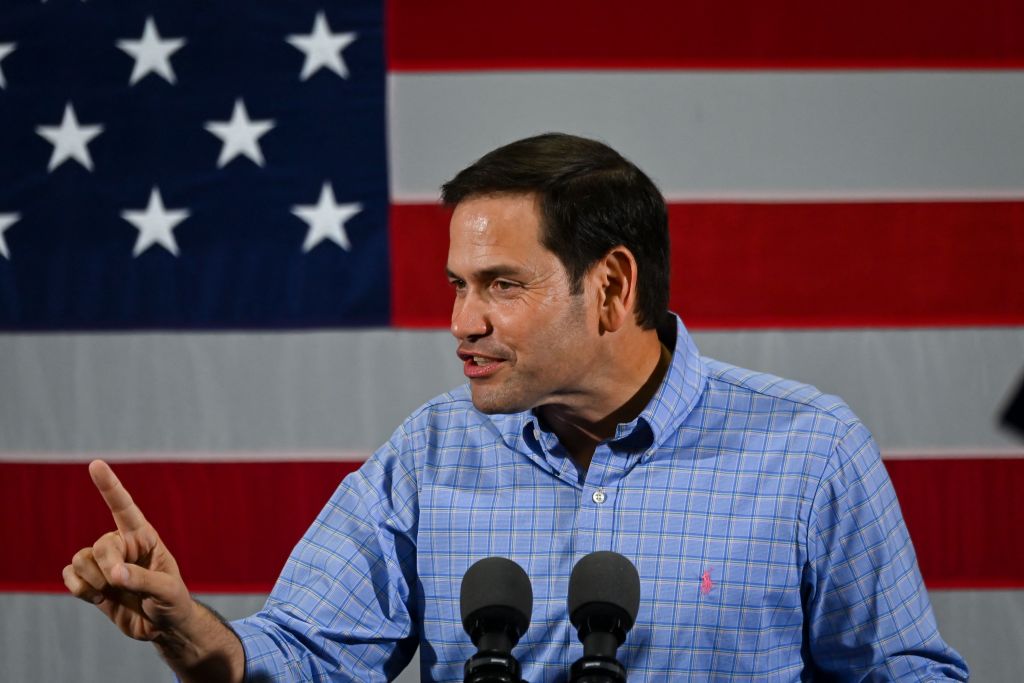
The crypto industry’s foray into the political arena has undoubtedly shifted the dynamics of the midterms. While the industry’s motivations are clear – to secure favorable regulations and shape the future of cryptocurrency – the long-term consequences remain uncertain.
The public’s perception of the industry’s political engagement is evolving, and the crypto community must carefully navigate this new terrain to maintain trust and transparency. The midterms will serve as a crucial test for the crypto industry, shaping its future trajectory and determining its role in the political landscape for years to come.