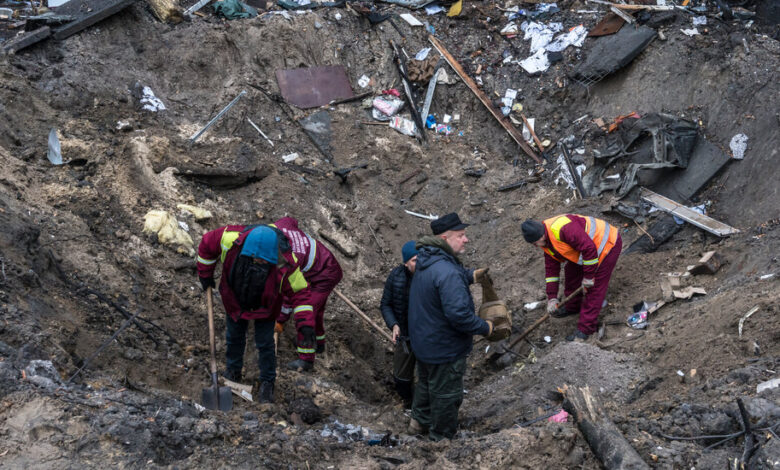
US Offers Limited Response to Russia, Weighing Stiffer Sanctions
U s offers limited initial response to russia as it weighs stiffer sanctions – US Offers Limited Response to Russia, Weighing Stiffer Sanctions, is a delicate dance of diplomacy and deterrence. The US has taken initial steps to respond to Russia’s actions, but the response has been measured and cautious. The US is currently weighing the potential for stronger sanctions, acknowledging the complex implications of such a move.
This strategic balancing act involves a careful assessment of the potential impact on global security, economic stability, and international relations.
The US’s initial response has been focused on targeted sanctions against individuals and entities linked to the Russian government. These sanctions are intended to exert pressure on the Russian government without triggering a full-blown economic war. However, the US is aware that stronger sanctions may be necessary to deter further aggression.
The decision to impose such sanctions is a complex one, with the potential to have far-reaching consequences for both the US and Russia.
Economic and Political Implications: U S Offers Limited Initial Response To Russia As It Weighs Stiffer Sanctions
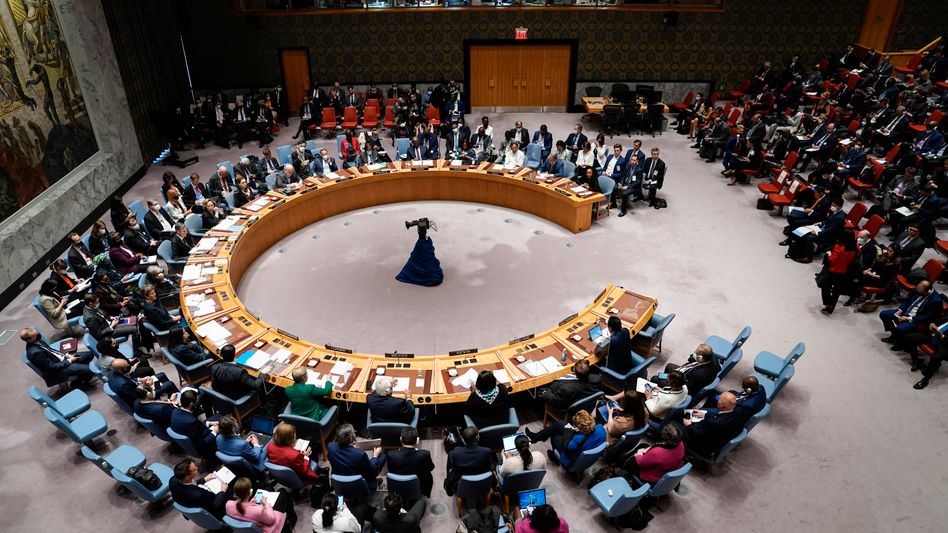
The ongoing conflict between Russia and Ukraine has far-reaching consequences, not only for the two nations involved but also for the global economy and political landscape. This section delves into the potential economic and political implications of the situation, analyzing the potential impact of sanctions on both Russia and the US and examining the evolving political landscape in the wake of the conflict.
Economic Consequences of Sanctions, U s offers limited initial response to russia as it weighs stiffer sanctions
The imposition of sanctions on Russia has significant economic implications for both Russia and the US. While intended to deter Russia’s actions, sanctions can have unintended consequences and ripple effects on the global economy.
| Impact | Russia | US |
|---|---|---|
| Economic Growth | Sanctions are likely to hinder Russia’s economic growth, potentially leading to a recession. The restrictions on trade and financial transactions could disrupt supply chains and limit access to crucial resources. | The US economy could experience some short-term disruptions, particularly in industries reliant on Russian imports. However, the US is less reliant on Russia economically compared to Europe, mitigating the potential impact. |
| Inflation | Sanctions could exacerbate inflation in Russia as import costs rise and domestic production struggles to meet demand. The ruble’s depreciation further fuels inflationary pressures. | The US may experience some inflationary pressures due to disruptions in global supply chains and increased energy prices. However, the US Federal Reserve has tools to mitigate inflationary risks. |
| Financial Markets | Russian financial markets have experienced significant volatility, with the ruble depreciating sharply. The exclusion of Russian banks from the SWIFT system has limited their access to international financial markets. | US financial markets may experience some volatility due to uncertainty surrounding the conflict. However, the US financial system is generally considered resilient. |
Political Ramifications
The conflict has triggered a series of political ramifications, both within the countries involved and on the global stage.
- Increased Tensions and Polarization:The conflict has heightened tensions between Russia and the West, leading to increased polarization and a deepening divide. This could further complicate diplomatic efforts and create obstacles to cooperation on global issues.
- Shifting Alliances:The conflict has prompted a reassessment of alliances and security arrangements. Some countries have sought to strengthen ties with the West, while others have expressed neutrality or even support for Russia.
- Domestic Political Landscape:The conflict has had a significant impact on the domestic political landscapes of both Russia and Ukraine. In Russia, the conflict has strengthened President Putin’s grip on power, while in Ukraine, the conflict has led to a surge in nationalism and unity.
Impact on Global Security
“The conflict in Ukraine has raised serious concerns about global security. The potential for escalation and the use of nuclear weapons has become a real possibility, highlighting the need for urgent diplomatic efforts to de-escalate the situation and prevent a wider conflict.”
Summary
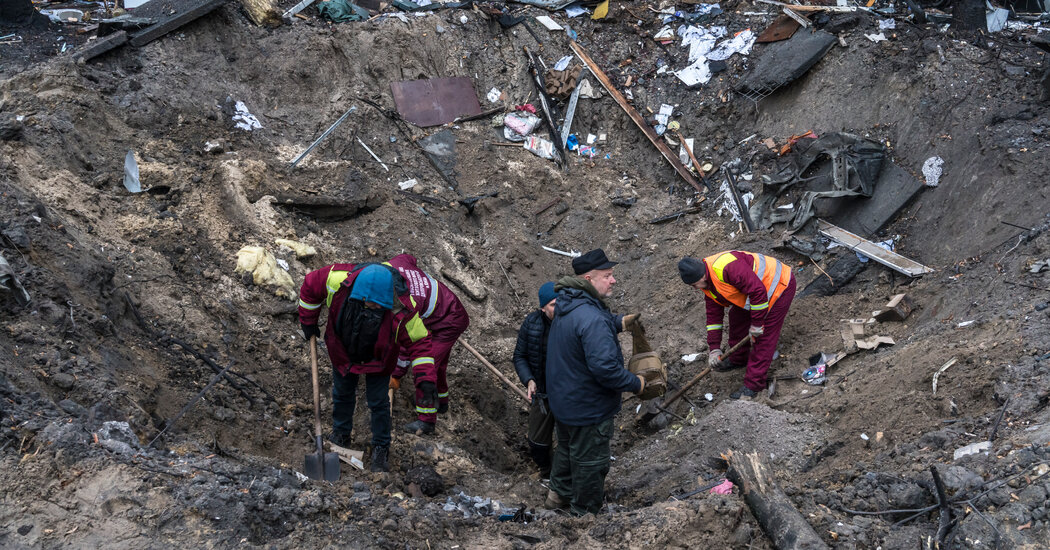
The US’s response to Russia’s actions is a high-stakes game of diplomacy and deterrence. The US is navigating a complex landscape, balancing the need to deter aggression with the desire to avoid escalating the conflict. The decision to impose stiffer sanctions will have a significant impact on global security and economic stability.
The world is watching closely to see how the US will proceed, and the outcome will have far-reaching implications for the future of international relations.
The US’s measured response to Russia’s actions has been a topic of much debate, with some calling for stronger sanctions. It’s interesting to note that some of the most successful leaders in the tech world, like Elon Musk, Bill Gates, and Jack Dorsey, share certain personality traits, as revealed in a recent analysis of their personality tests.
This article explores those traits and how they contribute to their success. While the US weighs its options, perhaps we can learn something from the leadership styles of these tech titans, especially in navigating complex global situations.
The US’s initial response to Russia’s actions has been measured, with the administration carefully weighing the potential impact of more severe sanctions. Meanwhile, the world of gaming is experiencing a new wave of innovation with the rise of what are nft games , where players can own and trade in-game assets.
However, it remains to be seen how these developments will affect the geopolitical landscape and the US’s future strategy in dealing with Russia.
The US is taking a cautious approach to sanctions against Russia, focusing on initial measures while weighing the potential for more severe consequences. This cautious stance reflects a complex geopolitical landscape, but it also highlights the need for careful consideration of the potential impact on global stability.
It’s interesting to note that even amidst these tensions, the education sector continues to evolve, with innovative technologies transforming the classroom experience. Check out 7 facts about the state of edtech in schools to see how technology is shaping the future of learning.
Ultimately, the US response to Russia’s actions will likely depend on a range of factors, including the evolving situation on the ground and the broader global context.