
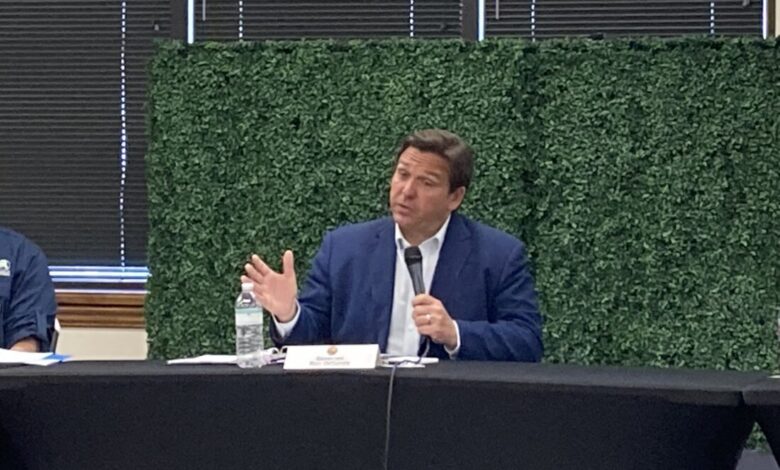
Florida Ignores CDCs COVID Vaccine Advice for Kids
Florida ignores cdc will advise against covid vaccine for kids – Florida Ignores CDC’s COVID Vaccine Advice for Kids, a decision that has sparked controversy and raised concerns about public health. The state’s governor has publicly stated that parents should have the freedom to choose whether or not to vaccinate their children, a stance that contradicts the CDC’s recommendations.
This move has placed Florida at odds with national health guidelines and has ignited a debate about the role of government in public health decisions.
The CDC’s recommendations for COVID-19 vaccination in children are based on extensive scientific evidence and a thorough risk-benefit analysis. They emphasize the importance of protecting children from the virus, especially those with underlying health conditions. However, Florida’s decision to disregard this guidance has led to concerns about the potential for increased COVID-19 cases and hospitalizations among children in the state.
Public Health Perspectives and Concerns: Florida Ignores Cdc Will Advise Against Covid Vaccine For Kids
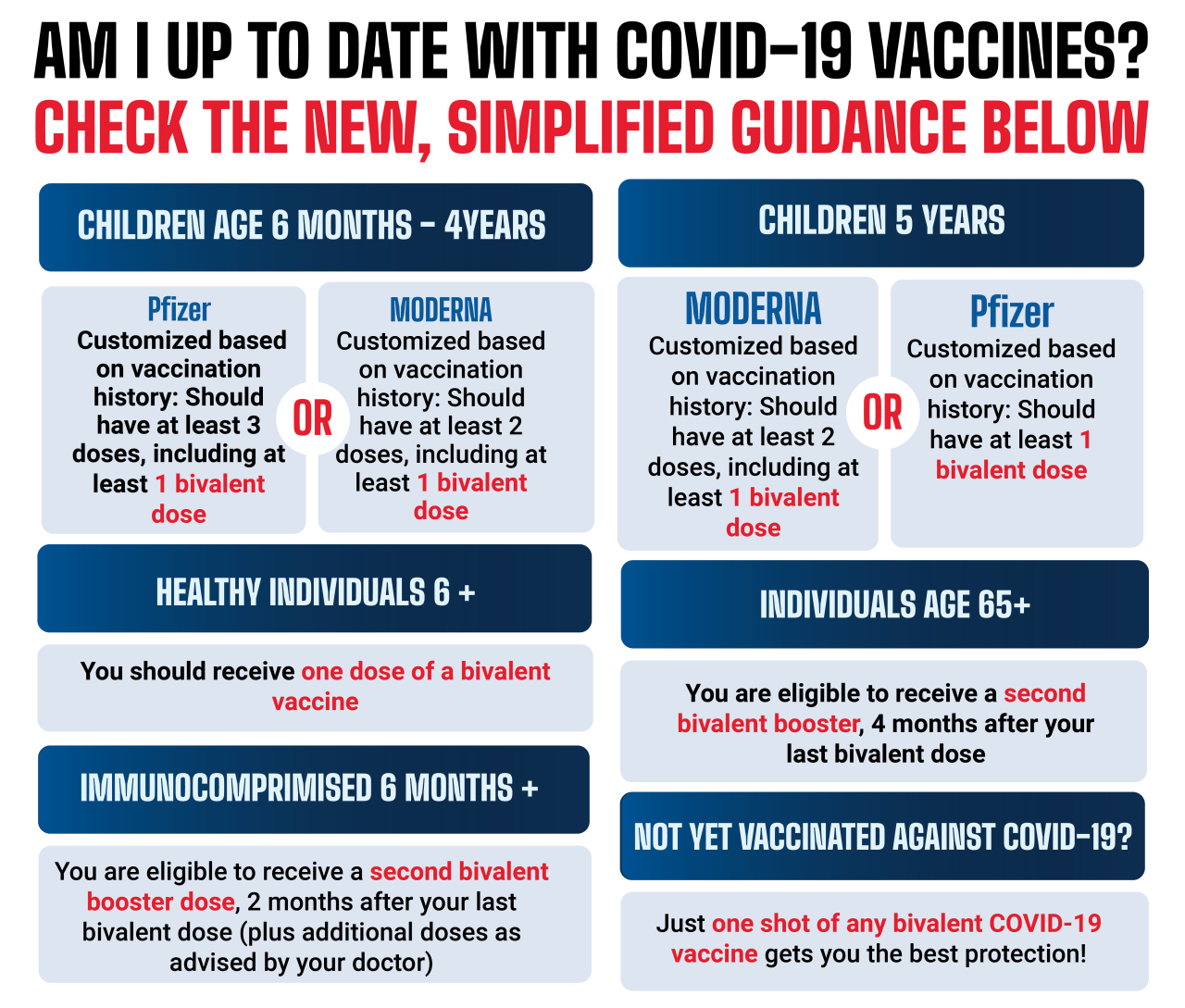
Florida’s decision to disregard the CDC’s advice on COVID-19 vaccinations for children has sparked significant controversy and raised concerns among public health experts. The implications of this policy extend beyond individual choices, impacting the health and well-being of communities.
Potential Public Health Implications
The decision to opt out of CDC recommendations regarding COVID-19 vaccinations for children carries potential public health risks. Public health experts are concerned about the potential for increased COVID-19 transmission and severe illness among children in Florida, particularly those who are vulnerable or have underlying health conditions.
Florida’s decision to ignore the CDC’s advice against COVID vaccines for kids feels like a step back, a move that echoes the fear and loathing that’s returned to tech startups, as detailed in this recent article fear and loathing return to tech start ups.
It’s disheartening to see such a blatant disregard for scientific consensus, especially when it comes to the health of our most vulnerable population.
- Increased Transmission:Unvaccinated children are more likely to contract and spread COVID-19, potentially leading to outbreaks in schools and communities.
- Severe Illness and Hospitalization:While COVID-19 often presents mild symptoms in children, some experience severe illness, requiring hospitalization and intensive care. Unvaccinated children are at a higher risk of developing severe complications.
- Long COVID:Children who contract COVID-19 can experience long-term health effects, known as long COVID, even after recovering from the initial infection. This can include fatigue, cognitive difficulties, and other persistent symptoms.
- Strain on Healthcare System:Increased COVID-19 cases among children can strain the healthcare system, diverting resources from other essential services and potentially leading to delays in care for other patients.
Ethical Considerations
Florida’s decision raises ethical concerns regarding the responsibility of the state to protect the health and well-being of its citizens, particularly children.
- Parental Rights vs. Public Health:While parents have the right to make decisions about their children’s healthcare, there is a balancing act between parental autonomy and the state’s responsibility to protect public health.
- Vulnerable Populations:Children, particularly those with underlying health conditions, are more vulnerable to severe COVID-19 illness. The decision to opt out of CDC recommendations raises concerns about the state’s obligation to protect vulnerable populations.
- Collective Responsibility:Vaccination is not only about individual protection but also about protecting the community as a whole. By opting out of CDC recommendations, Florida may be undermining the concept of collective responsibility and contributing to the spread of COVID-19.
Parental Choice and Vaccine Hesitancy
The decision of whether or not to vaccinate a child is a deeply personal one, often influenced by a complex interplay of factors, including personal beliefs, trust in medical authorities, and exposure to misinformation. In Florida, the debate over COVID-19 vaccination for children has intensified, highlighting the diverse perspectives and concerns among parents.
Arguments for and Against COVID-19 Vaccination for Children
Parents who support COVID-19 vaccination for their children often cite the benefits of protecting their children from the virus and its potential complications. They argue that vaccination can help reduce the risk of severe illness, hospitalization, and long-term health effects, such as Long COVID.
They also emphasize the importance of herd immunity in protecting vulnerable individuals and mitigating the spread of the virus within the community. On the other hand, parents who oppose vaccination for their children may express concerns about the potential side effects of the vaccine, the perceived lack of long-term safety data, or their belief that children are less susceptible to severe COVID-19 illness.
Some parents may also cite religious or philosophical objections to vaccination.
Factors Contributing to Vaccine Hesitancy in Florida
Several factors contribute to vaccine hesitancy among parents in Florida. One significant factor is the state’s political climate, which has been characterized by skepticism towards public health measures, including vaccination. This skepticism has been fueled by misinformation and disinformation circulating online and through social media platforms.
Another factor is the lack of trust in medical authorities, particularly among certain communities. This lack of trust can stem from past experiences with healthcare systems, cultural beliefs, or personal experiences.
Florida’s decision to ignore the CDC’s advice on COVID-19 vaccinations for kids is a concerning trend. While some argue for individual freedom, the potential risks to children and the community shouldn’t be overlooked. Meanwhile, the economic impact of the pandemic is evident in the success of platforms like Shopify, which says its merchants have created nearly 5 million jobs.
It’s important to remember that public health decisions should be based on scientific evidence and not political agendas, especially when it comes to protecting our most vulnerable populations.
The Role of Misinformation and Disinformation
Misinformation and disinformation have played a significant role in shaping public opinion on childhood vaccinations. Online platforms and social media have become fertile ground for the spread of false and misleading information about vaccines, including claims about their safety, efficacy, and potential side effects.
“Misinformation is false or inaccurate information that is spread unintentionally. Disinformation, on the other hand, is deliberately spread with the intention to deceive.”
The proliferation of misinformation and disinformation can erode public trust in vaccines and lead to vaccine hesitancy. It is crucial to combat the spread of false information by promoting accurate and reliable sources of information, such as the Centers for Disease Control and Prevention (CDC) and the World Health Organization (WHO).
Political and Legal Implications
Florida’s decision to defy the CDC’s guidance on COVID-19 vaccinations for children has sparked a complex web of political and legal ramifications. This move, rooted in a broader national debate about individual liberty and government authority, has exposed deep divides in American society.
Political Motivations
The political motivations behind Florida’s stance are multifaceted. Governor Ron DeSantis, a Republican who has positioned himself as a vocal opponent of federal overreach, has consistently pushed back against COVID-19 restrictions and mandates. His stance aligns with the broader Republican party’s emphasis on individual liberty and a distrust of government intervention.
Florida’s decision to ignore the CDC’s recommendation against the COVID vaccine for kids is a head-scratcher, to say the least. It’s hard enough trying to navigate this pandemic, and then you have to worry about things like this. Honestly, it makes me feel like I’m living in a parallel universe sometimes, especially when I remember that I’m not the only one dealing with these kinds of crazy situations.
Like, seriously, what’s a teacher supposed to do when a student has a crush on them? help my student has a crush on me and im freaking out But I guess the vaccine situation is more pressing, right? I mean, we’re talking about the health of our children here.
So, maybe I should just focus on that and try not to get too distracted by the whole crush thing.
This approach has resonated with a segment of the population that views vaccine mandates as an infringement on personal freedom. Additionally, Florida’s decision can be seen as a strategy to solidify DeSantis’s standing within the Republican party and appeal to a base that is increasingly skeptical of public health measures.
Potential Legal Challenges
Florida’s policy is likely to face legal challenges. The CDC’s recommendations, while not legally binding, carry significant weight, and legal arguments could be made that Florida’s decision violates federal law or exceeds the state’s authority. Legal experts have suggested that lawsuits could challenge the policy on various grounds, including:
- The potential violation of federal law regarding the distribution of vaccines.
- The state’s ability to supersede federal health guidance.
- The impact of the policy on vulnerable populations.
Impact on the National Conversation
Florida’s decision has significantly amplified the national conversation about vaccine mandates. This debate has become increasingly polarized, with proponents of vaccine mandates arguing that they are necessary to protect public health, while opponents view them as an infringement on individual liberty.
Florida’s stance has emboldened those who oppose vaccine mandates, potentially influencing similar policies in other states. This dynamic could further polarize the debate and make it more difficult to reach consensus on public health measures.
The Future of COVID-19 Vaccination in Florida
Florida’s decision to disregard CDC recommendations and advise against COVID-19 vaccination for children has sparked intense debate and raised concerns about the long-term consequences for the state’s public health. The decision has been met with criticism from medical professionals and public health experts who argue that it undermines efforts to protect children from the virus.
This policy shift, while fueled by parental choice and concerns about vaccine safety, carries potential ramifications for Florida’s vaccination rates and its future public health landscape.
Potential Long-Term Consequences on Vaccination Rates
Florida’s policy is likely to have a significant impact on COVID-19 vaccination rates in the state. The decision to advise against vaccination for children could lead to lower vaccination coverage among this age group, increasing the risk of outbreaks and the spread of the virus.
This could also contribute to a decline in overall vaccination rates, making the population more vulnerable to other infectious diseases. The decision could also discourage parents from vaccinating their children against other diseases, leading to a broader decline in childhood immunization rates.
Potential for Future Policy Changes, Florida ignores cdc will advise against covid vaccine for kids
The future of Florida’s policy on COVID-19 vaccination remains uncertain. It is possible that the state could revise its stance, particularly if there is a significant increase in COVID-19 cases among children or if the CDC issues stronger recommendations for vaccination.
The state government may also face pressure from public health organizations and medical professionals to reconsider its policy. However, given the current political climate and the emphasis on parental choice, any policy changes are likely to be met with resistance from some segments of the population.
Impact on Other States’ Policies
Florida’s decision could have ripple effects on other states’ policies regarding COVID-19 vaccination. Some states may be emboldened by Florida’s stance and consider similar policies, particularly those with strong anti-vaccine sentiment. Conversely, other states may respond by strengthening their vaccination requirements and public health messaging in an effort to counter the trend toward vaccine hesitancy.
The long-term impact of Florida’s decision on other states’ policies will depend on a complex interplay of political factors, public health concerns, and the evolution of the pandemic.
Last Word
The debate over Florida’s decision to ignore the CDC’s COVID vaccine advice for kids highlights the complexities of navigating public health policy in a polarized society. While parental choice is a crucial consideration, the potential consequences of widespread vaccine hesitancy for children’s health and well-being must also be carefully weighed.
The future of COVID-19 vaccination in Florida remains uncertain, but this decision has set a precedent that will likely have implications for other states and the national conversation about vaccine mandates.