Crist Calls for Federal Probe into DeSantis Medicaid Cuts for Disabled Kids
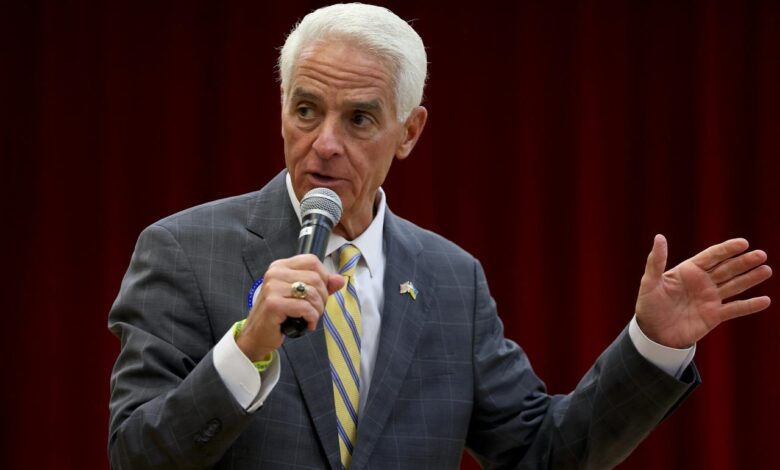
Charlie crist requests federal investigation into ron desantis wrecking medicaid for disabled kids – Charlie Crist requests a federal investigation into Ron DeSantis’ changes to Medicaid funding for disabled children in Florida, alleging the governor is “wrecking” the program and harming vulnerable kids. This isn’t just a political squabble – it’s a deeply personal issue for families struggling to access vital care for their children.
The dispute centers on DeSantis’ recent modifications to Florida’s Medicaid program, which provide health insurance to low-income individuals and families. Crist argues these changes disproportionately impact disabled children, leaving them with limited access to essential medical services. He’s not alone in his concerns; families across the state are voicing their anxieties about the potential consequences for their children’s well-being.
Background of the Dispute

The current state of Medicaid funding for disabled children in Florida is a contentious issue, with allegations of cuts and restrictions impacting the well-being of vulnerable individuals. At the heart of the dispute lies the recent changes implemented by Governor Ron DeSantis, which have drawn criticism from advocates and opposition figures.
To understand the current situation, it’s essential to delve into the historical context of Medicaid programs for disabled children in Florida and the changes introduced by the DeSantis administration.
Medicaid Funding for Disabled Children in Florida
The Medicaid program, a federal-state partnership, provides health insurance to low-income individuals and families, including children with disabilities. In Florida, the program has evolved over the years, with various iterations designed to address the specific needs of this population.
Charlie Crist’s call for a federal investigation into Ron DeSantis’s actions on Medicaid for disabled kids is a stark reminder of the political battles that can erupt when vulnerable populations are at stake. It’s a far cry from the optimistic days of tech start-ups, where the future seemed bright and innovation reigned supreme.
But as we’ve seen with the recent downturn and the fear and loathing return to tech start ups , even the most promising ventures can be subject to harsh realities. The situation with Florida’s Medicaid program highlights the need for robust oversight and protection of the most vulnerable, a lesson that tech start-ups, and our society as a whole, would do well to remember.
The current system, known as the “Florida Healthy Kids” program, aims to ensure access to essential healthcare services for eligible children.
It’s disheartening to see the political climate affecting such vital services like Medicaid for disabled children. While it’s important to stay informed about these issues, sometimes a change of scenery is needed. For a moment of respite, check out the worlds best hotel bars the omnia in zermatt switzerland – a breathtaking view paired with exceptional cocktails can be just what you need to recharge and come back to the fight for our most vulnerable citizens.
It’s crucial to remember that even in times of frustration, we must continue to advocate for those who need it most.
Changes Implemented by Governor DeSantis
Governor DeSantis’s administration has implemented several changes to the Medicaid program for disabled children, sparking controversy and accusations of undermining the program’s effectiveness. These changes include:
- Reduction in Funding:The DeSantis administration has reduced funding for certain Medicaid programs, leading to concerns about limited access to essential healthcare services. Critics argue that these cuts disproportionately affect children with disabilities, who often require specialized care and ongoing support.
- Stricter Eligibility Requirements:The DeSantis administration has also implemented stricter eligibility requirements for Medicaid, making it more challenging for some children to qualify for the program. These changes have raised concerns about families struggling to meet the new criteria, potentially leaving vulnerable children without necessary healthcare coverage.
- Increased Bureaucracy:Critics argue that the DeSantis administration has increased bureaucratic hurdles within the Medicaid program, making it more difficult for families to navigate the system and access needed services. These changes, they argue, can create undue stress and burden on families already facing significant challenges.
Charlie Crist’s call for a federal investigation into Ron DeSantis’s handling of Medicaid for disabled children highlights a growing concern about the impact of partisan politics on essential services. While Florida grapples with this issue, the political landscape in Ohio is heating up with the inside the final days of Ohio’s MAGA senate primary , where candidates are vying for the support of voters who may share similar anxieties about the direction of healthcare and social programs.
Historical Context of Medicaid Programs for Disabled Children in Florida
The history of Medicaid programs for disabled children in Florida reflects a long-standing effort to provide access to essential healthcare services. In the past, Florida has implemented various programs aimed at addressing the specific needs of this population. However, the current situation raises concerns about the direction of Medicaid funding for disabled children under the DeSantis administration.
DeSantis’ Response and Counterarguments
Governor DeSantis has defended the Medicaid changes, arguing they are necessary to ensure the program’s long-term sustainability and to provide better care for Florida’s most vulnerable citizens. He has maintained that the changes are not intended to harm children or limit access to healthcare.
DeSantis and his administration have pointed to the program’s increasing costs as a primary justification for the changes. They argue that the current system is unsustainable and that the changes will help control costs and ensure the program’s long-term viability.
Cost Containment and Program Sustainability, Charlie crist requests federal investigation into ron desantis wrecking medicaid for disabled kids
The DeSantis administration has cited the rising costs of Medicaid as a key concern. They argue that the program’s expenses have been increasing at an unsustainable rate, putting a strain on the state budget. The administration has pointed to data indicating that Florida’s Medicaid program has experienced significant growth in spending in recent years.
- According to the Florida Agency for Health Care Administration (AHCA), Medicaid spending in Florida has increased from $28.6 billion in 2010 to $45.7 billion in 2020. This represents an average annual increase of 5.2%.
- The AHCA has also reported that the number of Medicaid enrollees in Florida has grown significantly in recent years, rising from 3.2 million in 2010 to 4.5 million in 2020.
The administration argues that these trends are unsustainable and that changes are needed to control costs and ensure the program’s long-term viability.
Future Implications and Potential Outcomes
The federal investigation into Florida’s Medicaid program for disabled children could have significant implications for both the state and the national healthcare landscape. The outcome of the investigation will determine the future of the program and could set a precedent for other states considering similar changes.
Potential Outcomes of the Federal Investigation
The investigation could result in several different outcomes, each with its own set of implications.
- The federal government could find that Florida’s changes to the Medicaid program were in violation of federal law and require the state to revert to the previous system. This would mean that the state would need to restore funding to the program and potentially face penalties for its actions.
This outcome would be a major victory for advocates for disabled children and could discourage other states from making similar changes to their Medicaid programs.
- The federal government could find that Florida’s changes were permissible under federal law, but that the state did not adequately implement them. This would likely result in the state having to make changes to its program to ensure compliance with federal regulations.
This outcome would be less of a victory for advocates, but it would still require the state to make significant changes to its program.
- The federal government could find that Florida’s changes were both permissible and implemented appropriately. This would be a major victory for the state and could embolden other states to make similar changes to their Medicaid programs. However, it is unlikely that this outcome would occur, given the widespread concerns about the impact of Florida’s changes on disabled children.
Long-Term Implications for Medicaid Programs
The dispute between Florida and the federal government over the state’s Medicaid program for disabled children has far-reaching implications for Medicaid programs nationwide.
- The dispute highlights the ongoing tension between states and the federal government over the administration of Medicaid. States have a great deal of flexibility in how they implement Medicaid, but they are also subject to federal oversight and regulations.
This dispute underscores the challenges of balancing state autonomy with federal oversight in the context of Medicaid.
- The dispute also raises questions about the role of the federal government in ensuring access to healthcare for vulnerable populations. The federal government has a responsibility to ensure that all Americans have access to affordable healthcare, but it must also respect the rights of states to manage their own healthcare programs.
This dispute highlights the challenges of balancing these competing interests.
Potential for Future Policy Changes or Legal Challenges
The dispute between Florida and the federal government over the state’s Medicaid program for disabled children could lead to future policy changes or legal challenges.
- The dispute could lead to new federal regulations or legislation governing Medicaid programs. The federal government could respond to the dispute by enacting new regulations or legislation that would clarify the rules governing Medicaid programs and prevent states from making similar changes in the future.
- The dispute could also lead to further legal challenges. Advocates for disabled children could file lawsuits against other states that are considering similar changes to their Medicaid programs. These lawsuits could challenge the legality of such changes and potentially force states to revert to their previous systems.
Closure: Charlie Crist Requests Federal Investigation Into Ron Desantis Wrecking Medicaid For Disabled Kids
This clash between Crist and DeSantis highlights a larger societal debate about the role of government in providing healthcare for vulnerable populations. The outcome of the federal investigation could have significant implications for the future of Medicaid programs in Florida and beyond, shaping the access to healthcare for countless families.
It’s a situation that demands our attention and underscores the critical importance of ensuring adequate healthcare for all children, especially those with disabilities.