Stoli & Smirnoff: Boycotted Despite Not Being Made in Russia
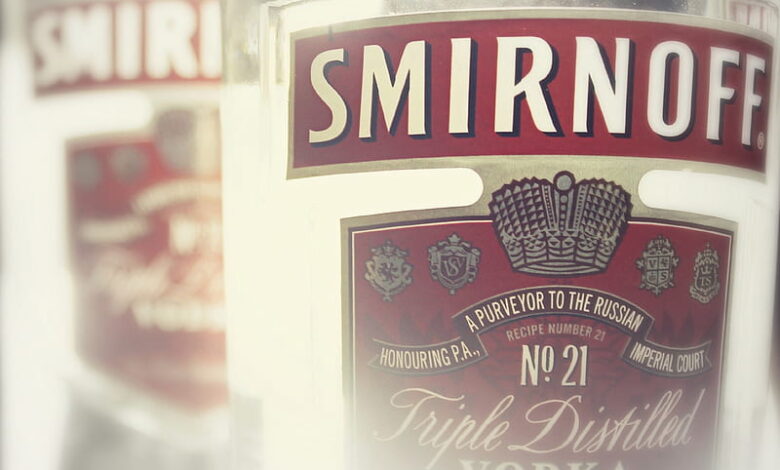
Stoli vodka smirnoff neither made in russia being dumped out as states boycott – Stoli vodka and Smirnoff, neither actually produced in Russia, have found themselves caught in the crosshairs of the international boycott of Russian goods. This unexpected turn of events raises questions about the complexities of global supply chains, brand perception, and the power of consumer activism.
While the boycott is aimed at Russia, the fallout has impacted these two iconic vodkas. Despite their production locations, the brands’ historical ties to Russia and the perception of their ownership have led to calls for their removal from shelves.
The situation highlights the delicate balance between business interests and public sentiment, forcing consumers and retailers to grapple with the ethical implications of their choices.
The Boycott’s Impact
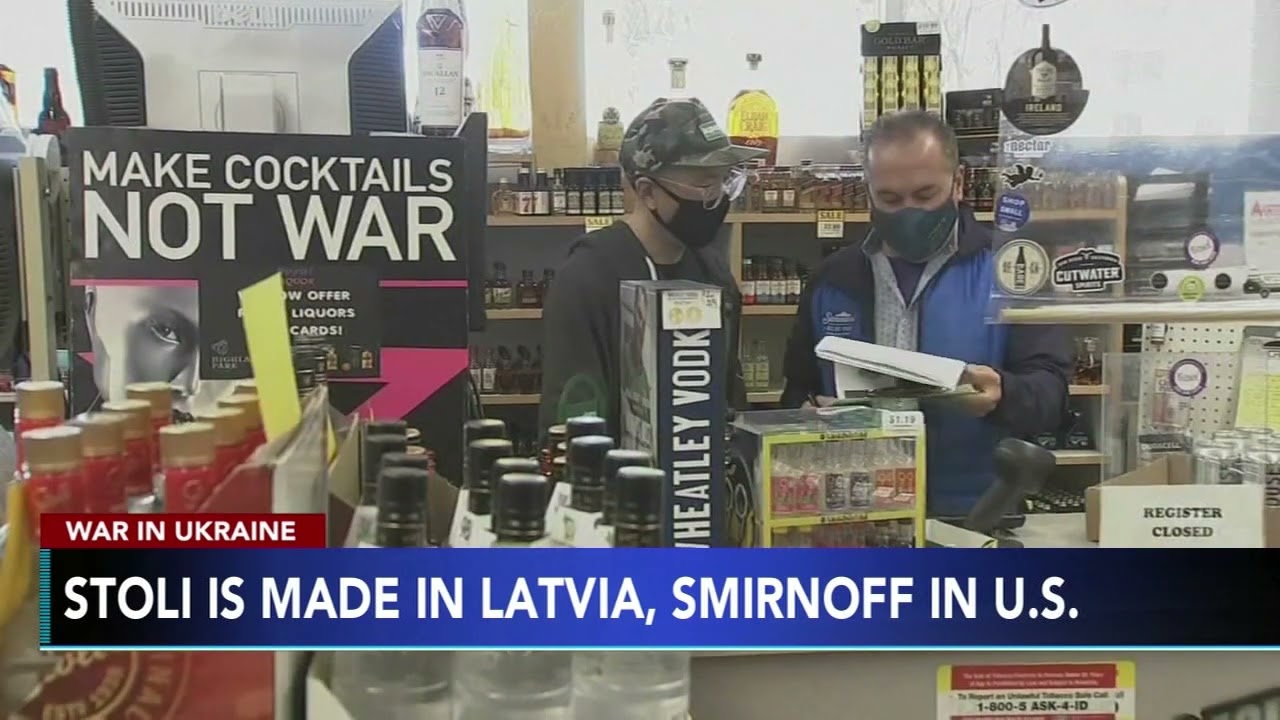
The decision to boycott Stoli and Smirnoff, despite their production outside Russia, has raised questions about the potential impact on both brands. The boycott, while symbolic, could have far-reaching consequences for the companies, consumers, and retailers.
Economic Impact
The economic impact of the boycott on Stoli and Smirnoff is difficult to predict with certainty. However, it is reasonable to expect that the boycott could lead to a decline in sales, particularly in markets where the brands are strongly associated with Russia.
It’s interesting how the recent boycott of Russian products has led to the dumping of Stoli and Smirnoff, even though they’re not actually made in Russia. It makes me wonder about the outdated apps clogging up the Apple App Store – why can’t they just be “dumped” too?
It’s time for Apple to take a page from the boycott playbook and evict old and unsupported apps just like we’re seeing with these vodkas. After all, a clean house is a happy house, and a streamlined app store is a more user-friendly one.
- The boycott could potentially impact the brands’ market share and profitability.
- The loss of sales could also affect the brands’ ability to invest in marketing and advertising, potentially hindering their long-term growth.
Public Relations Implications
The boycott has significant public relations implications for both brands. The boycott could damage the brands’ reputations, especially among consumers who are sensitive to the ongoing conflict in Ukraine.
It’s crazy to see brands like Stoli vodka and Smirnoff, despite not being made in Russia, getting dumped out as states boycott the country. It’s a reminder that the world is interconnected, and even seemingly unrelated things can be affected by global events.
It’s also interesting to think about how this might affect the future of the alcohol industry, especially with the rise of new technologies like blockchain and NFTs. If you’re curious about how NFTs are being used in the gaming world, check out this article on what are nft games.
It’s a fascinating area to watch, and it could have a major impact on how we play and interact with games in the future. Back to the vodka situation, I wonder if this will lead to a surge in demand for other brands, or if consumers will simply switch to different beverages altogether.
- Stoli, in particular, faces challenges as it has been historically associated with Russia, even though it is now produced elsewhere.
- Smirnoff, while owned by a British company, could also face reputational damage due to its Russian heritage.
- Both brands may need to address the boycott head-on and clarify their positions to mitigate potential damage.
Consumer and Retailer Reactions
Consumer reactions to the boycott have been mixed. Some consumers have expressed support for the boycott, choosing to avoid purchasing Stoli and Smirnoff products as a way to express solidarity with Ukraine.
It’s interesting to see how the global response to the war in Ukraine is playing out in the consumer world. While Stoli and Smirnoff, despite not being made in Russia, are being dumped out as states boycott, the MHA body is issuing norms for crypto-related crimes which is a completely different kind of response.
It seems that the impact of the war is affecting various sectors in ways that were not anticipated.
- Others have expressed concerns about the boycott’s effectiveness, arguing that it could have unintended consequences for businesses and employees.
- Retailers have also been divided in their responses, with some choosing to remove Stoli and Smirnoff products from their shelves, while others have maintained their inventory.
Ethical Considerations
The boycott raises ethical considerations regarding the relationship between consumer behavior, political events, and corporate responsibility.
- Some argue that boycotting products based on their country of origin is a form of political activism, while others believe it is unfair to penalize companies for actions beyond their control.
- The boycott also raises questions about the responsibility of corporations to address geopolitical issues, particularly when they operate in multiple countries.
Production and Sourcing
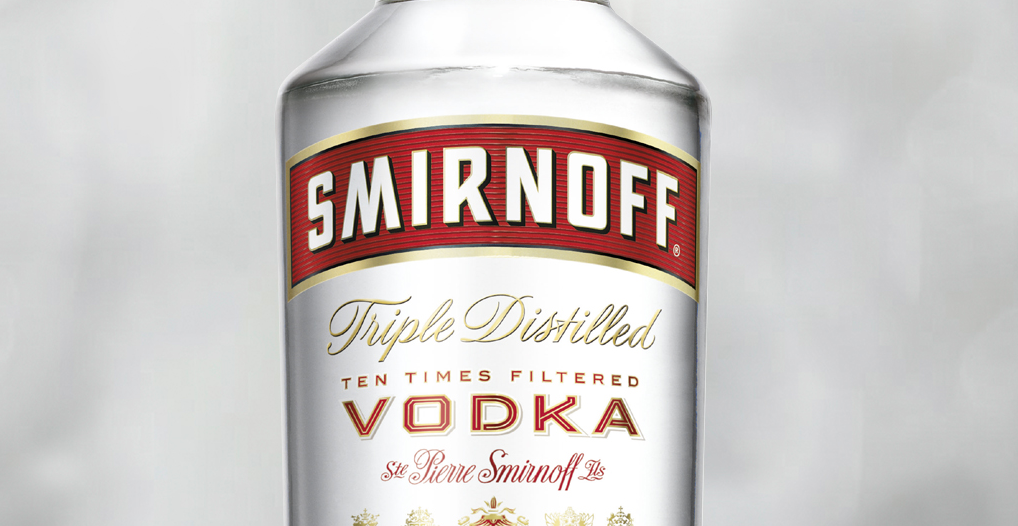
The recent boycott of Russian products has sparked a lot of discussion about the origins of popular brands like Stoli and Smirnoff. While both vodkas are associated with Russia, their production and sourcing have evolved over time, leading to complex and sometimes surprising realities.
Production Locations
The current production locations of Stoli and Smirnoff offer a clear picture of their evolving histories.
- Stoli:Stoli vodka is currently produced in Latvia, specifically in the city of Riga. This production shift happened in 2000, when the brand’s owner, SPI Group, moved production from Russia to Latvia to avoid potential political and economic instability.
- Smirnoff:Smirnoff vodka, owned by Diageo, is produced in various locations worldwide, including the United States, Canada, and the United Kingdom. While the brand has a long history in Russia, its production has diversified globally over the years. The decision to move production outside of Russia reflects the brand’s desire to meet the demands of a global market and ensure consistent quality across different regions.
History of Production Locations
The history of Stoli and Smirnoff production reveals a significant shift in their geographical footprint.
- Stoli:Stoli’s history is closely tied to Russia. The brand was originally produced in Moscow under the name “Stolichnaya” (“Capital”) in the 1930s. The brand’s association with Russia continued for decades, but the move to Latvia in 2000 marked a significant change.
- Smirnoff:Smirnoff’s history also starts in Russia, where it was founded by Pyotr Smirnov in the mid-19th century. The brand gained global recognition in the early 20th century, and its production has expanded to different countries over the years, reflecting the brand’s global appeal.
Sourcing of Ingredients, Stoli vodka smirnoff neither made in russia being dumped out as states boycott
While both brands use traditional vodka ingredients, their sourcing practices differ.
- Stoli:Stoli’s primary ingredient is wheat, sourced from Latvia and other European countries. The brand’s commitment to using high-quality ingredients is reflected in its sourcing practices.
- Smirnoff:Smirnoff uses a variety of ingredients, including wheat, corn, and rye, depending on the specific production location. This flexibility allows the brand to adapt to local availability and maintain consistency across different markets.
Russian Ownership and Control
Despite their current production locations, both brands have complex relationships with Russian ownership and control.
- Stoli:Although Stoli is produced in Latvia, the brand’s owner, SPI Group, is controlled by Yuri Shefler, a Russian businessman. This ownership structure has led to ongoing legal disputes and questions about the brand’s true origin.
- Smirnoff:Smirnoff, owned by Diageo, a British multinational alcoholic beverage company, is not directly controlled by Russian entities. However, the brand’s history and name remain strongly linked to Russia, even as its production and ownership have evolved over time.
Conclusive Thoughts: Stoli Vodka Smirnoff Neither Made In Russia Being Dumped Out As States Boycott
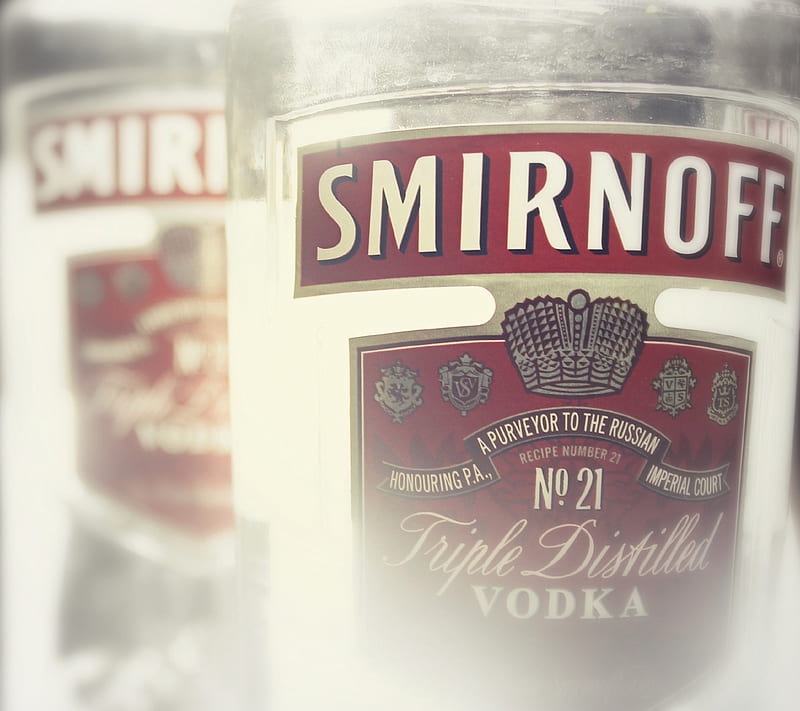
The Stoli and Smirnoff boycott serves as a stark reminder of the interconnectedness of our global economy and the powerful influence of consumer sentiment. As the situation unfolds, it remains to be seen how the brands will navigate this turbulent landscape and whether they can regain consumer trust.
The outcome of this complex situation will likely have long-lasting repercussions for both brands and the broader landscape of international trade.