
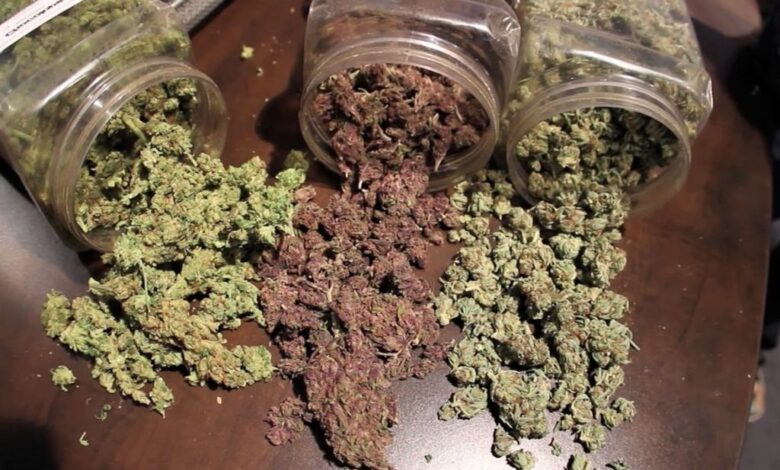
Cannabis Farmers Not High on Chemically Made THC: A Growing Concern
Cannabis farmers not high on chemically made THC: this statement might seem counterintuitive, but it reflects a growing concern within the cannabis industry. As synthetic THC, a lab-created version of the psychoactive compound found in cannabis, gains popularity, traditional farmers are facing a unique challenge.
This challenge goes beyond the economic impact; it raises questions about the future of natural cannabis and the integrity of the industry itself.
The rise of synthetic THC, marketed for its potency and affordability, has sparked debate. While some consumers might be drawn to its readily available and cheaper alternative, it’s crucial to understand the potential risks and implications for both the industry and consumers.
This article explores the concerns of cannabis farmers, the potential impact on consumers, and the regulatory landscape surrounding this new wave of synthetic cannabis products.
The Rise of Synthetic THC
The emergence of synthetic THC, a man-made version of the psychoactive compound found in cannabis, has sparked significant debate and controversy. While naturally occurring THC has been used for centuries, the development of synthetic THC has introduced a new dimension to the world of cannabis, with implications for both medical and recreational use.
The Origins of Synthetic THC
Synthetic THC, also known as dronabinol, was first synthesized in 1964 by Dr. Raphael Mechoulam at the Hebrew University of Jerusalem. The initial purpose of this breakthrough was purely scientificto understand the chemical structure and effects of THC, the primary psychoactive component of cannabis.
The development of synthetic THC allowed researchers to conduct controlled studies, isolating the effects of THC without the complexities of other compounds present in the cannabis plant.
Motivations for Recreational Use
While synthetic THC was initially intended for research purposes, its potential for recreational use was quickly recognized. The development of synthetic THC for recreational use was driven by several factors:
- Accessibility:Synthetic THC, unlike cannabis, is readily available in a controlled and standardized form. This makes it easier to regulate and control the dosage, offering a consistent experience.
- Purity:Synthetic THC is free from other compounds found in cannabis, such as CBD or terpenes. This allows users to experience the effects of THC in a more isolated and predictable manner.
- Potency:Synthetic THC can be produced in high concentrations, offering a more potent experience than naturally occurring THC.
Comparing Synthetic THC to Naturally Occurring THC
Synthetic THC and naturally occurring THC share the same chemical structure, but there are key differences that influence their effects:
- Bioavailability:Synthetic THC is typically ingested orally, leading to a slower and less intense onset of effects compared to inhaled cannabis.
- Dosage:Synthetic THC is often available in precise dosages, allowing for greater control over the intensity of the experience.
- Entourage Effect:Naturally occurring THC benefits from the “entourage effect,” where the interaction of various cannabinoids and terpenes in cannabis enhances its therapeutic and psychoactive effects. This effect is absent in synthetic THC.
The Cannabis Farmer’s Perspective
The rise of synthetic THC products has sent ripples of concern through the cannabis farming community. These synthetic alternatives, while offering a cheaper and more readily available option, pose a significant threat to the traditional cannabis industry, raising concerns about economic viability, ethical considerations, and the future of cannabis farming.
Economic Impact of Synthetic THC
The emergence of synthetic THC products presents a real economic challenge to cannabis farmers. Synthetic THC is often produced at a lower cost, leading to significantly lower prices compared to traditional cannabis products. This price differential can make synthetic THC a more attractive option for consumers, potentially impacting the demand for cannabis grown by farmers.
The reduced demand for traditional cannabis could lead to lower prices for farmers, shrinking profit margins and even jeopardizing the economic viability of many cannabis farms.
Cannabis farmers are passionate about growing high-quality, natural cannabis, not about getting high on chemically-made THC. They’re focused on the soil, the sun, and the intricate dance of nature, just like any other farmer. And speaking of nature’s bounty, when your produce starts to wilt, don’t despair! This pajeon recipe will bring it back to life in a delicious and satisfying way.
Just like cannabis farmers are dedicated to their craft, good cooks know how to transform even the humblest ingredients into something special.
Ethical Considerations
Beyond the economic concerns, the rise of synthetic THC also raises ethical questions for cannabis farmers. Many farmers are passionate about their craft and the quality of their products. They view cannabis as a natural plant with a rich history and therapeutic properties.
Synthetic THC, however, is a chemically manufactured substance that lacks the natural complexities and potential benefits associated with cannabis. Some farmers worry that the widespread adoption of synthetic THC could lead to a devaluation of cannabis and its inherent value.
Consumer Impact and Safety Concerns
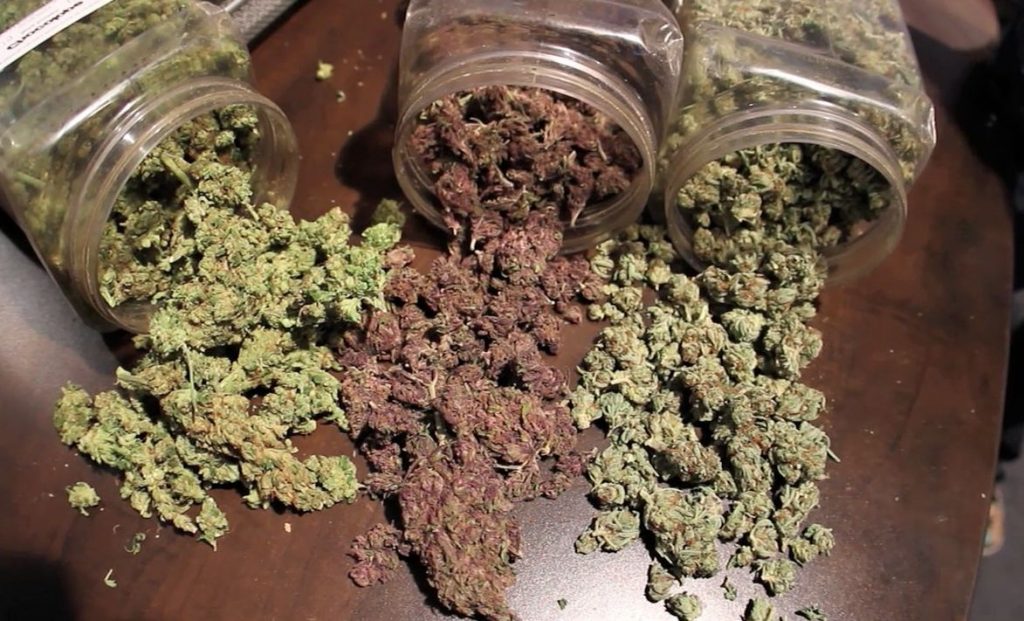
The rise of synthetic THC products raises serious concerns for consumers. While these products offer a potent high, they can pose significant risks to health and well-being. Understanding the potential dangers is crucial for making informed choices about cannabis consumption.
Potential Risks Associated with Synthetic THC Products
Synthetic THC products are often marketed as a more potent and consistent alternative to naturally occurring THC in cannabis. However, this potency comes with a range of potential risks. The lack of regulation and standardization in the production of these products means that the actual dosage and purity can vary significantly, leading to unpredictable and potentially dangerous experiences.
- Unpredictable Dosing:The concentration of THC in synthetic products can vary greatly, making it difficult to control the dosage and experience. This unpredictability can lead to unexpected and potentially harmful reactions, including intense anxiety, paranoia, and psychosis.
- Potential for Overdose:The high potency of synthetic THC makes it easier to accidentally overdose, leading to serious health complications. Overdose symptoms can include vomiting, confusion, seizures, and even coma.
- Unknown Long-Term Effects:Long-term effects of synthetic THC on the human body are not yet fully understood. Studies on the long-term effects of naturally occurring THC are ongoing, but the potential for long-term health risks associated with synthetic THC is a significant concern.
Comparison of Effects on the Body
Synthetic THC and naturally occurring THC share the same psychoactive effects, but the way they interact with the body can differ. Synthetic THC, being more potent, can produce a more intense and potentially overwhelming high. This difference in potency can lead to more severe adverse effects.
- Intensity of High:Synthetic THC products are often formulated to deliver a much more intense high than naturally occurring THC. This can be desirable for some, but it can also be overwhelming or even dangerous for others, especially those with pre-existing health conditions.
It’s easy to assume cannabis farmers are constantly high, but the truth is, they’re more concerned with the quality of their product than getting a buzz. The same kind of dedication to quality and safety applies to the world stage, where global leaders grapple with issues like the nuclear threat posed by Putin.
The article analysis with nuclear threat putin makes the unthinkable a possibility highlights the dangers of such threats and underscores the importance of responsible leadership. Just like cannabis farmers, world leaders must prioritize responsible action over reckless behavior.
- Duration of Effects:Synthetic THC can remain in the body longer than naturally occurring THC, leading to prolonged psychoactive effects. This can be problematic for individuals who need to be alert and functional after consuming THC.
- Potential for Tolerance and Dependence:Regular use of synthetic THC can lead to tolerance and dependence, requiring higher doses to achieve the desired effects. This can create a cycle of increasing consumption and potentially escalate the risk of adverse effects.
Importance of Transparency and Labeling
Transparency and accurate labeling are essential for consumers to make informed decisions about the cannabis products they choose. Consumers have the right to know the source and composition of the THC in their products, whether it is naturally occurring or synthetic.
- Clear Labeling:Products containing synthetic THC should be clearly labeled as such, using terms like “synthetic THC” or “synthetic cannabinoids.” This allows consumers to make informed choices based on their preferences and risk tolerance.
- Source Information:Consumers should be able to access information about the source of the THC in their products. This includes details about the manufacturing process, quality control measures, and potential contaminants. This information is crucial for understanding the potential risks and making informed choices.
- Regulation and Testing:Robust regulations and testing procedures are essential to ensure the safety and quality of synthetic THC products. These regulations should include requirements for labeling, purity testing, and dosage control to minimize the risks associated with these products.
Regulatory Landscape and Future Directions
The emergence of synthetic THC has thrown a wrench into the already complex regulatory landscape surrounding cannabis. The legal status of synthetic cannabinoids varies widely across the globe, and this inconsistency creates challenges for both producers and consumers.
Current Regulatory Landscape
The regulatory landscape surrounding synthetic THC is complex and constantly evolving. In many countries, including the United States, synthetic cannabinoids are classified as Schedule I controlled substances, meaning they are considered to have a high potential for abuse and no currently accepted medical use.
This classification makes it illegal to manufacture, distribute, or possess synthetic THC. However, the rapid pace of innovation in synthetic chemistry has made it difficult for regulatory agencies to keep up. New synthetic cannabinoids are constantly being developed and marketed under various names, often evading legal scrutiny.
It’s fascinating to see the contrast between the growing cannabis industry and the political landscape. While cannabis farmers are focused on cultivating natural, potent strains, the political divide seems to be widening. A recent CBS News poll found that more Americans label the Republican party as extreme and the Democratic party as weak, highlighting the increasing polarization.
Perhaps the cannabis industry’s focus on natural, sustainable practices could offer a lesson in finding common ground in a divided world.
This has led to a situation where many synthetic THC products are readily available online and in some retail stores, despite their illegal status.
Policy Changes to Address Synthetic THC
The challenges posed by synthetic THC require a multifaceted approach, involving both legal and public health strategies. Here are some potential policy changes that could help address the issue:
- Strengthening Existing Laws:Regulatory agencies need to proactively update laws to include new synthetic cannabinoids as they emerge. This can be achieved through more comprehensive definitions of controlled substances, focusing on chemical structures rather than specific names.
- Improving International Cooperation:International cooperation is crucial to effectively address the global trade and distribution of synthetic THC. Sharing information, best practices, and enforcement strategies can help to disrupt illicit supply chains.
- Enhancing Enforcement:Increased enforcement efforts are needed to target the illegal production, distribution, and sale of synthetic THC. This could involve working with online platforms to identify and remove listings for illegal products, as well as conducting raids and seizures on illicit manufacturing operations.
Education and Awareness Campaigns, Cannabis farmers not high on chemically made thc
Education and awareness campaigns are crucial for mitigating the risks associated with synthetic THC. Such campaigns should target both consumers and healthcare professionals, providing accurate information about the potential dangers of synthetic cannabinoids.
- Raising Consumer Awareness:Campaigns should educate consumers about the risks associated with synthetic THC, including its unpredictable effects, potential for addiction, and the dangers of adulteration.
- Informing Healthcare Professionals:Healthcare professionals need to be equipped with the knowledge to identify and treat patients who have used synthetic THC. This includes understanding the unique effects and complications associated with these substances.
The Importance of Natural Cannabis: Cannabis Farmers Not High On Chemically Made Thc
The rise of synthetic THC has sparked a renewed focus on the value of naturally grown cannabis. While synthetic THC offers a controlled and consistent experience, it lacks the intricate complexity and potential benefits found in natural cannabis. Understanding the nuances of natural cannabis is crucial for appreciating its unique qualities and advocating for its preservation.
The Unique Properties of Naturally Occurring THC
Naturally occurring THC, found in cannabis plants, is a complex molecule with a rich chemical profile. It interacts with the endocannabinoid system in the body, producing a range of effects beyond simple psychoactivity. These effects are influenced by the presence of other cannabinoids, terpenes, and flavonoids, creating a synergistic effect known as the “entourage effect.”
- Synergistic Interactions:The entourage effect describes the interaction between various compounds in cannabis, enhancing their individual effects. For example, the presence of terpenes like limonene and pinene can modulate the psychoactive effects of THC, leading to a more balanced and nuanced experience.
- Diverse Effects:Naturally occurring THC can produce a wide range of effects, including relaxation, pain relief, appetite stimulation, and mood elevation. These effects are often influenced by the strain, growing conditions, and individual consumer’s physiology.
- Potential Therapeutic Benefits:Research suggests that natural cannabis may offer therapeutic benefits for various conditions, including chronic pain, anxiety, and nausea. The unique combination of cannabinoids and other compounds may contribute to these potential benefits.
The Role of Cannabis Farmers in Preserving Natural Cannabis
Cannabis farmers play a vital role in ensuring the quality and integrity of natural cannabis products. Their expertise in cultivation, harvesting, and processing directly impacts the final product’s potency, flavor, and overall experience.
- Sustainable Growing Practices:Responsible cannabis farmers prioritize sustainable growing practices, minimizing environmental impact and preserving the quality of the plant. This includes organic farming techniques, water conservation, and responsible pest management.
- Strain Preservation:Farmers play a critical role in preserving the genetic diversity of cannabis strains. By carefully selecting and propagating specific strains, they ensure the availability of diverse varieties with unique characteristics and therapeutic potential.
- Quality Control:Farmers are responsible for ensuring the quality of their product throughout the growing process. This includes monitoring for pests, diseases, and environmental factors that could affect the plant’s health and potency.
Final Thoughts
The future of the cannabis industry depends on transparency, education, and a commitment to the quality of natural cannabis. As we navigate this evolving landscape, it’s essential for consumers to be informed about the origins of their products and for farmers to champion the unique benefits of naturally grown cannabis.
The integrity of the industry relies on upholding the value of natural, sustainably grown cannabis, ensuring that consumers have access to safe and authentic products.