Black Female Judges Celebrate Ketanji Brown Jackson
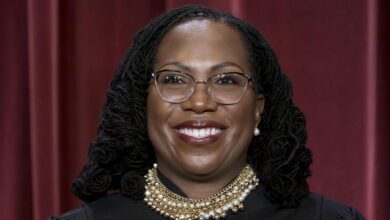
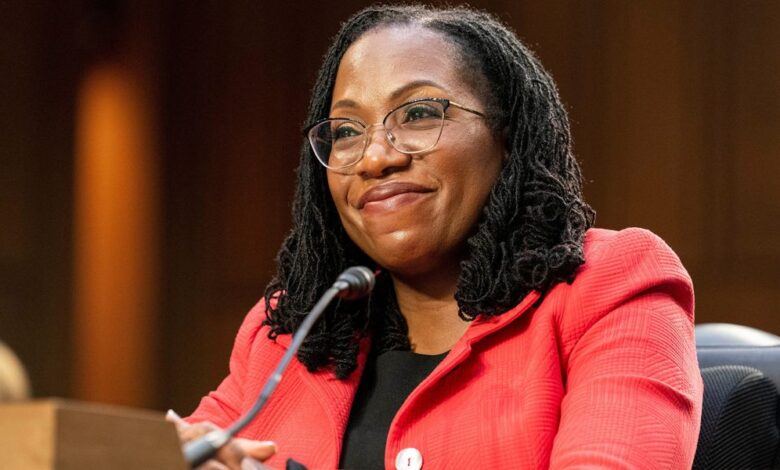
Black female judges revel in the joy of Ketanji Brown Jackson’s historic appointment to the Supreme Court, a moment that resonates deeply within the Black community. This milestone represents not only a triumph for Jackson, but also a beacon of hope and progress for generations to come.
It’s a testament to the unwavering spirit of Black women who have fought tirelessly for equality and representation in the legal profession.
Jackson’s appointment signifies a pivotal shift in the landscape of American justice. Her presence on the highest court in the land serves as a powerful symbol of inclusion and inspires countless young Black women to pursue their dreams of legal careers.
This moment, brimming with joy and celebration, also serves as a reminder of the ongoing fight for racial justice and the persistent need for greater diversity within the judiciary.
Historical Context
Ketanji Brown Jackson’s confirmation as the first Black woman to serve on the Supreme Court is a momentous occasion, marking a significant milestone in the pursuit of equality and representation in the American legal system. Her appointment is not only a testament to her exceptional legal acumen but also a powerful symbol of progress and a recognition of the long and arduous journey Black women have undertaken to achieve their rightful place in the judiciary.
Representation of Black Women in the Judiciary
The historical struggles and triumphs of Black women in the legal profession have been instrumental in paving the way for Ketanji Brown Jackson’s appointment. The legal profession has historically been dominated by white men, with Black women facing systemic barriers and discrimination in their pursuit of legal careers.
Despite these challenges, Black women have persevered, demonstrating exceptional talent and resilience.
- In the early 20th century, few Black women had the opportunity to pursue legal education, and even fewer were able to enter the legal profession. However, pioneering figures like Constance Baker Motley, the first Black woman to serve as a federal judge, broke down barriers and paved the way for future generations.
- Despite significant progress in recent decades, Black women remain underrepresented in the judiciary. According to the National Center for State Courts, as of 2021, only 1.7% of state court judges were Black women. This disparity highlights the ongoing challenges Black women face in accessing opportunities and achieving leadership positions within the legal system.
Comparison of Representation with Other Demographics, Black female judges revel in the joy of ketanji brown jackson
The representation of Black women in the judiciary is significantly lower compared to other demographic groups. While the number of women judges has increased in recent years, the representation of Black women remains disproportionately low.
- White men continue to dominate the judiciary, holding a disproportionate share of judicial positions at all levels. This imbalance reflects systemic biases and historical inequalities that have limited opportunities for Black women and other underrepresented groups.
- The underrepresentation of Black women in the judiciary is particularly concerning given their unique perspectives and experiences. Their voices and perspectives are essential to ensuring a fair and equitable justice system for all.
Impact and Inspiration: Black Female Judges Revel In The Joy Of Ketanji Brown Jackson
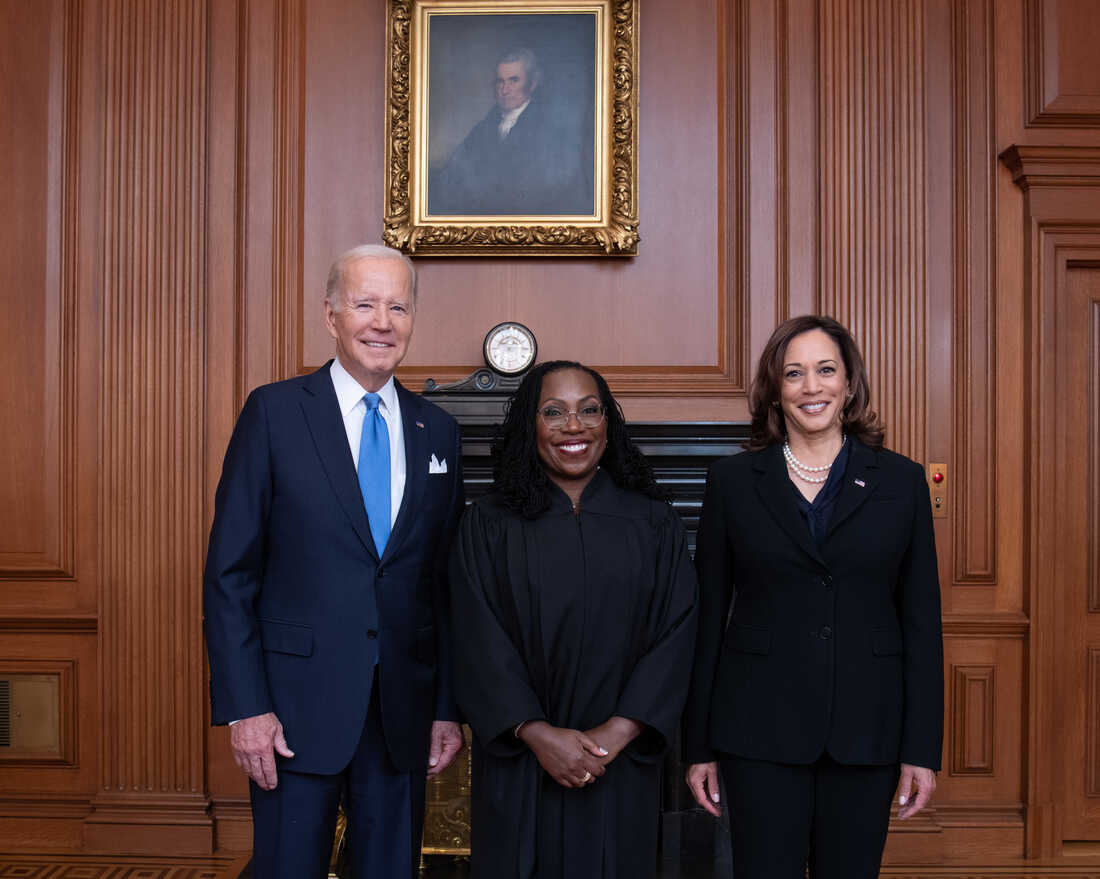
Ketanji Brown Jackson’s appointment to the Supreme Court has been a monumental moment for the United States, particularly for Black girls and women. Her presence on the highest court in the land sends a powerful message about representation and possibility.
Impact on Black Girls and Women
Jackson’s appointment has had a profound impact on Black girls and women, offering them a powerful symbol of hope and inspiration. Seeing a Black woman on the Supreme Court demonstrates that their dreams are attainable, no matter how ambitious.
“This is a moment for our community, for Black women, for Black girls. We have been waiting for this moment for a long time,”
said one prominent civil rights leader. This sentiment is echoed by countless others, who see Jackson’s appointment as a victory for representation and a testament to the power of hard work and determination.
Inspiring Future Generations
Jackson’s journey to the Supreme Court serves as a powerful inspiration for future generations to pursue careers in law. Her story demonstrates that with dedication and resilience, even the most challenging goals can be achieved. Her presence on the court encourages young people, especially Black girls and women, to envision themselves in positions of power and influence.
“Justice Jackson’s appointment shows that anything is possible if you work hard and never give up on your dreams,”
shared a young law student. This sentiment is shared by countless others who see Jackson as a role model and a beacon of hope.
Potential Changes in the Legal Landscape
Jackson’s presence on the Supreme Court is expected to bring a new perspective to the legal landscape. Her experience as a judge, her understanding of the law, and her commitment to justice are likely to influence the court’s decisions on a wide range of issues.
It’s inspiring to see Black female judges across the country revel in the joy of Ketanji Brown Jackson’s appointment. Her journey, from law clerk to Supreme Court Justice, justice jackson a former law clerk returns to a transformed supreme court , is a testament to her dedication and talent.
It’s a powerful reminder that representation matters, and that dreams can be achieved with hard work and perseverance. This historic moment serves as a beacon of hope and inspiration for generations to come.
“Justice Jackson’s appointment is a historic moment for the Supreme Court and for the country,”
said a legal scholar. Her presence on the court is expected to lead to a more nuanced and inclusive approach to the law, particularly in areas related to civil rights, criminal justice, and social justice.
Seeing Ketanji Brown Jackson sworn in as the first Black woman on the Supreme Court was a moment of pure joy for many, especially Black female judges who see themselves reflected in her historic achievement. It’s a reminder that anything is possible, even sending messages into the cosmos.
Researchers have recently created a new message for extraterrestrials, hoping to bridge the gap between our worlds. researchers made a new message for extraterrestrials And who knows, maybe one day we’ll have a Supreme Court Justice from another planet! But for now, we celebrate the victories of those who break barriers here on Earth, inspiring generations to come.
Representation and Identity
The appointment of Ketanji Brown Jackson to the Supreme Court is a landmark moment, not just for the legal profession, but for the nation as a whole. It signifies a significant step forward in the pursuit of a more inclusive and representative society.
Seeing oneself reflected in positions of power is crucial for fostering a sense of belonging and possibility.
The Significance of Seeing Oneself Reflected in Positions of Power
Representation matters because it allows individuals to see themselves as capable of achieving their dreams, regardless of their background or identity. When individuals from marginalized groups see people who look like them and share similar experiences in positions of power, it sends a powerful message: “You too can achieve great things.” This visibility can inspire hope, ignite ambition, and encourage individuals to pursue their goals with greater confidence.
The Role of Representation in Shaping Societal Perceptions and Opportunities
Representation plays a critical role in shaping societal perceptions and opportunities. When underrepresented groups are consistently excluded from positions of power and influence, it reinforces negative stereotypes and contributes to systemic inequalities. The lack of diverse perspectives in decision-making processes can lead to policies and practices that are insensitive to the needs and experiences of marginalized communities.
The Intersectionality of Race, Gender, and the Legal Profession in Relation to Jackson’s Appointment
Ketanji Brown Jackson’s appointment to the Supreme Court is significant because it highlights the intersectionality of race, gender, and the legal profession. As a Black woman, Jackson faces unique challenges and experiences that are shaped by her multiple identities. Her appointment represents a powerful affirmation of the value of diversity and inclusion in the legal profession.
“I am acutely aware that my presence on this Court is the culmination of the hopes and dreams of generations of Americans who believed that one day a Black woman would be able to sit on the highest court in our land.”
Ketanji Brown Jackson
Jackson’s appointment is a testament to the progress that has been made in breaking down barriers in the legal profession. However, it also serves as a reminder that there is still much work to be done to ensure that the legal profession is truly representative of the diverse society it serves.
Joy and Celebration
The appointment of Ketanji Brown Jackson to the Supreme Court was met with widespread joy and celebration, particularly within the Black community. Her confirmation marked a historic moment, not only for Black Americans but for all those who believe in equality and justice.
This moment was a testament to the power of collective action, perseverance, and the enduring hope for a more just society.
Reactions and Celebrations
The news of Jackson’s confirmation sparked a wave of celebrations across the country. Black communities across the nation organized gatherings, watch parties, and events to mark this momentous occasion. Social media platforms buzzed with messages of joy, pride, and hope.
Many shared personal stories of struggle and resilience, emphasizing the significance of this achievement for generations to come.
It’s been incredible to see black female judges across the country revel in the joy of Ketanji Brown Jackson’s confirmation. It’s a powerful reminder of the progress we’ve made, but also a stark contrast to the worrying trend of christian nationalism on the rise in some GOP campaigns.
While we celebrate the historic appointment of Justice Jackson, we must also be vigilant against forces that seek to undermine our shared values of equality and justice.
“This is a moment of hope and inspiration for all of us,” said one Black woman, her voice choked with emotion. “It shows that anything is possible, even in the face of adversity.”
The celebrations were not confined to the Black community. People from all walks of life, across racial and ethnic lines, expressed their delight and admiration for Jackson’s historic appointment. The joy and celebration reflected a shared belief in the importance of diversity and representation on the highest court in the land.
Milestone in the Fight for Equality
Jackson’s confirmation is a significant milestone in the ongoing fight for racial equality in the United States. Her appointment to the Supreme Court signifies a major step towards achieving a more inclusive and representative judiciary.
“This is a day that we have been waiting for for a very long time,” said one prominent civil rights leader. “It is a day that shows that we are making progress, that we are moving forward, and that we are not going to give up.”
Jackson’s presence on the Supreme Court serves as a powerful symbol of hope and progress for generations of Black Americans. Her confirmation is a testament to the enduring power of the fight for equality and a reminder that progress, while often slow, is possible.
A Sense of Hope and Progress
The joy and celebration surrounding Jackson’s appointment reflect a sense of hope and progress. It demonstrates that the fight for equality is not in vain, and that change is possible. The celebrations were not simply about a single individual, but about the collective journey of a community towards a more just future.
“This is a moment that we can all be proud of,” said one Black man, his eyes filled with tears. “It is a moment that shows that we are making progress, that we are moving forward, and that we are not going to give up.”
Jackson’s appointment is a beacon of hope for those who have been marginalized and underrepresented. It signals a shift in the American landscape, one that promises a more inclusive and equitable future for all.
Challenges and Future Prospects
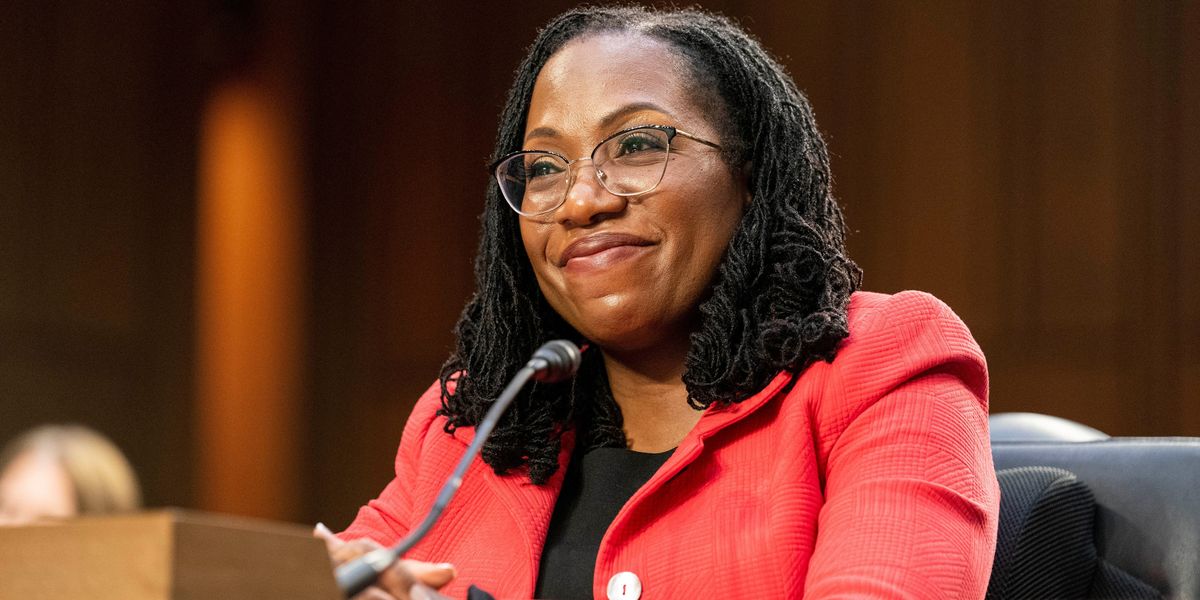
While Justice Jackson’s appointment marks a historic moment for the Supreme Court, it’s crucial to acknowledge the challenges she may face as a Black woman on the highest court in the land. The ongoing fight for racial justice and equality within the legal system, along with the broader context of American society, will undoubtedly influence her tenure.
The Continued Fight for Racial Justice in the Legal System
The legal system in the United States has a long and complex history intertwined with racial inequality. While significant progress has been made, systemic racism persists in various forms, including implicit bias, racial disparities in sentencing, and the disproportionate impact of criminal justice policies on Black communities.
Justice Jackson’s presence on the Supreme Court provides a crucial voice for addressing these issues and advocating for equitable justice.
“We must acknowledge the reality of racial disparities in our criminal justice system and work to dismantle the systems that perpetuate them.”
Ketanji Brown Jackson
The Future of Diversity and Inclusion in the Judiciary
Justice Jackson’s appointment signifies a step towards greater diversity and inclusion within the judiciary. However, the road to achieving true representation remains long. Further efforts are needed to diversify the bench at all levels, from state courts to federal appellate courts.
This includes increasing the representation of Black judges, as well as judges from other underrepresented groups, such as women, LGBTQ+ individuals, and people with disabilities.
- Expanding the pool of qualified candidates:Initiatives to support and mentor diverse law students and lawyers are essential to creating a pipeline of qualified candidates for judicial positions.
- Addressing implicit bias in the selection process:Implementing strategies to mitigate unconscious bias in judicial selection processes is crucial to ensuring that diverse candidates have a fair chance.
- Promoting diversity within judicial education and training:Ensuring that judicial education and training programs reflect the diverse perspectives and experiences of the judiciary is essential to fostering a more inclusive and equitable legal system.
Concluding Remarks
Ketanji Brown Jackson’s appointment to the Supreme Court is a monumental occasion, one that resonates with pride and hope throughout the Black community. Her presence on the highest court in the land serves as a powerful testament to the strength and resilience of Black women, and it serves as a beacon of inspiration for future generations.
While challenges remain, this milestone marks a significant step forward in the pursuit of equality and justice for all.