
Banning Russian Oil: Bipartisan Support Grows, But at What Cost?
Banning Russian oil: bipartisan support grows for banning Russian oil but it could come at a cost. The global energy landscape is shifting dramatically as the war in Ukraine intensifies. Amidst calls for increased sanctions against Russia, a growing number of politicians, both Democrat and Republican, are advocating for a ban on Russian oil imports.
While this action is intended to cripple Russia’s economy and exert pressure on its leadership, it comes with significant economic and geopolitical implications that cannot be ignored.
The potential consequences of a ban are far-reaching. The United States and its allies would face higher energy prices, potentially leading to inflation and economic hardship. The global oil market could experience volatility, impacting energy security worldwide. Moreover, a ban could trigger a diplomatic backlash from Russia and other oil-producing nations, potentially escalating tensions and destabilizing global relations.
The Growing Momentum for Banning Russian Oil: Bipartisan Support Grows For Banning Russian Oil But It Could Come At A Cost
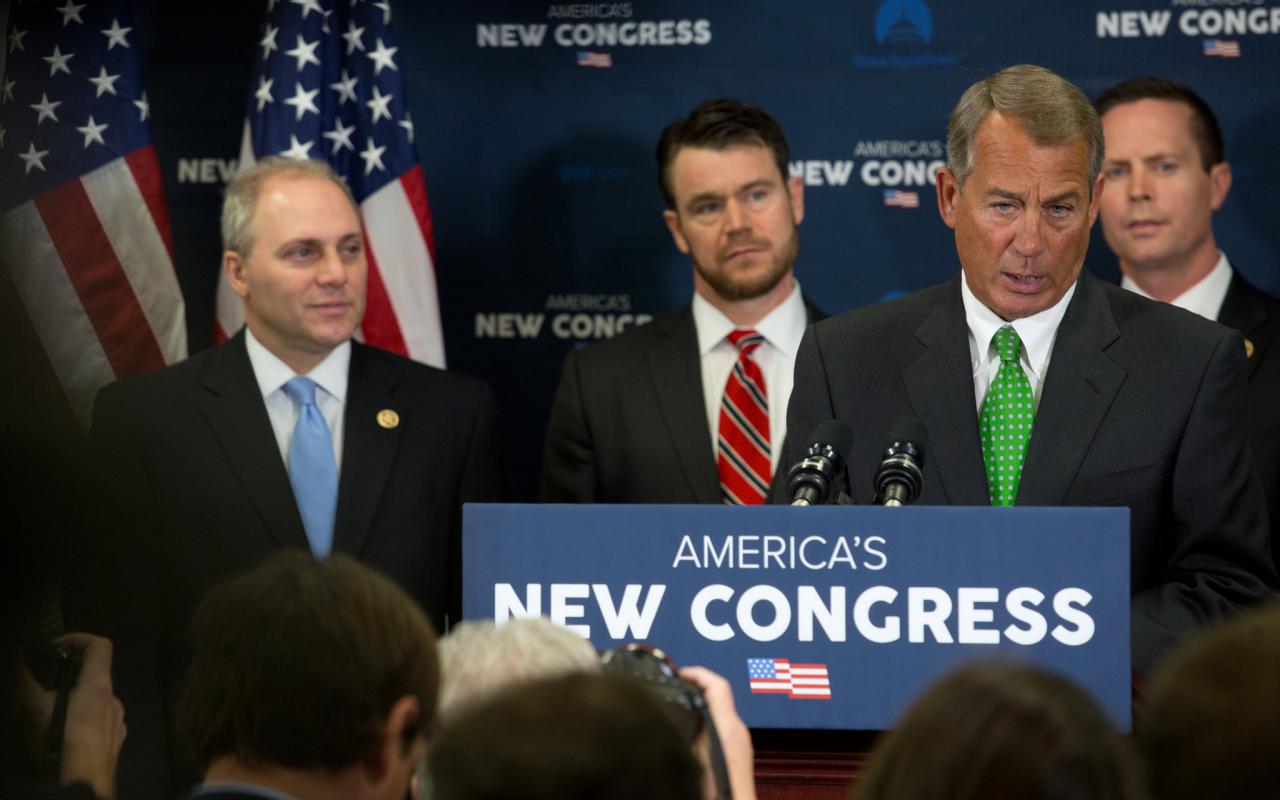
The call to ban Russian oil imports is gaining momentum, fueled by a growing international consensus that such a move is necessary to punish Russia for its invasion of Ukraine. This sentiment is increasingly bipartisan, with both Democrats and Republicans recognizing the need to impose severe economic consequences on Moscow.
While the potential impact of such a ban on the global oil market and energy prices remains a concern, the political and economic factors driving this decision are undeniable.
Reasons for Bipartisan Support
The bipartisan support for banning Russian oil imports is driven by several factors:
- Moral Outrage:The invasion of Ukraine has sparked widespread outrage and condemnation, leading to calls for strong action against Russia. Banning oil imports is seen as a powerful way to demonstrate solidarity with Ukraine and inflict economic pain on Russia.
- Energy Security:The reliance on Russian oil has raised concerns about energy security, particularly in Europe, which is heavily dependent on Russian energy supplies. Banning imports would reduce this dependence and enhance energy security.
- Economic Pressure:The ban is intended to cripple Russia’s economy by depriving it of a significant source of revenue. This economic pressure is seen as a key tool to force Russia to end its aggression.
Impact on the Global Oil Market, Bipartisan support grows for banning russian oil but it could come at a cost
A ban on Russian oil imports would undoubtedly disrupt the global oil market. The potential impacts include:
- Higher Oil Prices:The loss of Russian oil supplies would likely lead to higher oil prices, potentially exacerbating existing inflationary pressures.
- Supply Shortages:The global oil market would need to find alternative sources of supply to replace Russian oil, potentially leading to supply shortages and price volatility.
- Market Volatility:The ban would introduce significant uncertainty into the oil market, making it more volatile and unpredictable.
Political and Economic Factors
The decision to ban Russian oil imports is influenced by a complex interplay of political and economic factors:
- International Pressure:The pressure from allies and partners, particularly in Europe, is a significant factor. Many countries have already imposed sanctions on Russia, and a ban on oil imports would be a further escalation of these measures.
- Domestic Politics:The political climate within the United States is also a key factor. The public outcry against the invasion of Ukraine has created a strong political imperative to take action, including imposing economic sanctions.
- Economic Consequences:The economic consequences of the ban, including higher energy prices and potential supply disruptions, are a major consideration. However, the desire to punish Russia for its actions and protect energy security is seen as outweighing these economic concerns.
Conclusion
The decision to ban Russian oil is a complex one, fraught with challenges and uncertainties. While the intention is to weaken Russia and support Ukraine, the potential costs and consequences must be carefully considered. Ultimately, the world must find a way to navigate this crisis while ensuring energy security and mitigating the risks of a global economic downturn.
The path forward requires strategic planning, international cooperation, and a commitment to exploring alternative energy sources to reduce our reliance on fossil fuels.
The bipartisan support for banning Russian oil is a powerful move, but it’s important to consider the potential consequences. We’re facing a global energy crisis, and the cost of gas is already skyrocketing. This ban could further exacerbate the situation.
It’s interesting to see how blockchain technology is being applied in the gaming industry, like in the development of what are nft games. While these games offer new ways to play and earn, it’s crucial to remember that the economic fallout from the Russian oil ban could impact the gaming industry as well, potentially leading to higher prices and reduced development.
While bipartisan support grows for banning Russian oil, the potential economic impact is a serious concern. The move could drive up gas prices, potentially impacting everyday Americans. Adding to the complexity, a retired general is now under investigation for undisclosed lobbying for Qatar, raising questions about potential conflicts of interest as the US navigates these global energy challenges.
Ultimately, the decision to ban Russian oil will have far-reaching consequences, requiring careful consideration of both the benefits and the costs.
It’s great to see bipartisan support growing for banning Russian oil, but we need to be realistic about the potential costs. Higher gas prices will definitely impact families, and we need to be prepared to help those who are struggling.
For a little lighthearted escape, check out 15 kid recommended books for diary of a wimpy kid fans – a great list for anyone who needs a good laugh. But back to the serious stuff, we need to find a way to balance our need to stand up to Russia with the need to protect American families from economic hardship.