
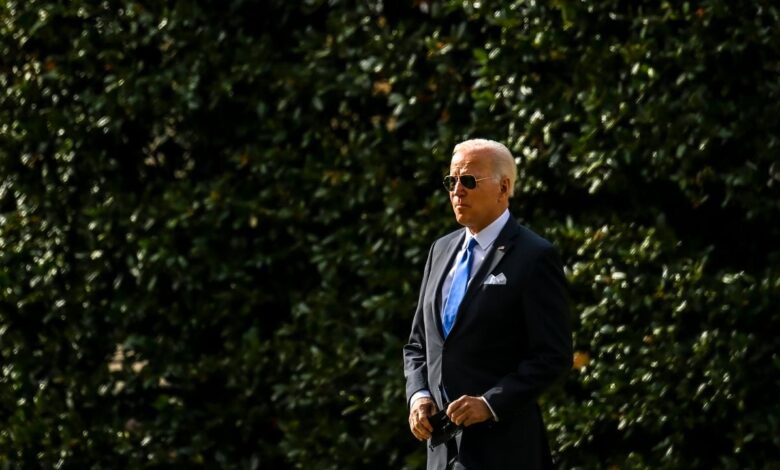
Biden Warns Putin: US Will Respond
Biden warns putin u s will – Biden Warns Putin: US Will Respond – Tensions between the United States and Russia have escalated, with President Biden issuing a stark warning to Russian President Vladimir Putin. This warning comes amidst a backdrop of escalating geopolitical tensions, particularly surrounding the conflict in Ukraine.
The world watches with bated breath as the two nuclear superpowers engage in a dangerous game of brinkmanship.
Biden’s warning, delivered in a firm and resolute tone, has sent shockwaves through the international community. It highlights the gravity of the situation and underscores the potential for a major confrontation. The stakes are high, and the consequences of miscalculation could be catastrophic.
Biden’s Warning to Putin
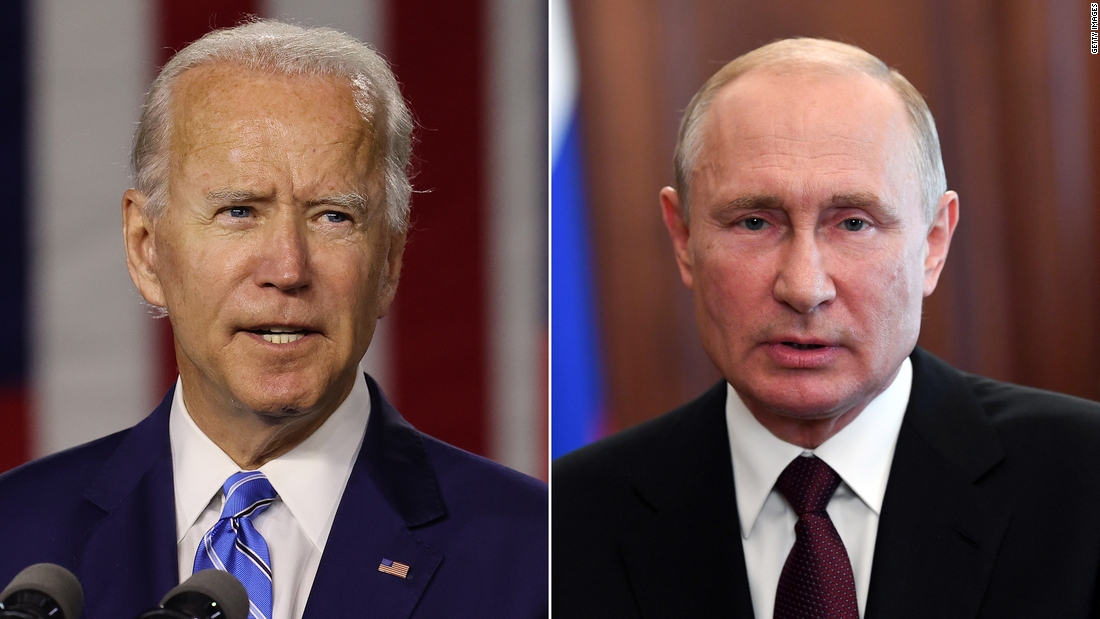
President Joe Biden’s warning to Russian President Vladimir Putin was a significant moment in the ongoing tensions between the United States and Russia. It came amid a backdrop of escalating conflict in Ukraine and a growing sense of uncertainty about the future of the two countries’ relationship.
This warning, delivered in February 2023, served as a stark reminder of the delicate balance of power and the potential for a major international crisis.
The Context of Biden’s Warning
Biden’s warning was a direct response to Russia’s continued military buildup along the Ukrainian border and the growing threat of a full-scale invasion. The United States, along with its allies, had been expressing concerns about Russia’s actions for months, imposing sanctions and urging diplomatic solutions.
However, Putin’s aggressive rhetoric and military deployments signaled a heightened level of danger. Biden’s warning, therefore, aimed to deter further Russian aggression and underscore the potential consequences of a military conflict.
Historical Context of US-Russia Relations
The relationship between the United States and Russia has been marked by periods of cooperation and conflict since the end of the Cold War. The two countries have engaged in a complex dance of diplomacy, military posturing, and economic competition.
This historical context is essential for understanding the current tensions and the significance of Biden’s warning. The collapse of the Soviet Union in 1991 led to a brief period of optimism about US-Russia relations. However, this optimism was short-lived, as differences over issues like NATO expansion, the Kosovo War, and the Chechen conflict resurfaced.
Biden’s warning to Putin about the consequences of further aggression in Ukraine is a serious matter, and it’s important to stay informed about the situation. Meanwhile, on a lighter note, turkey hill dairy issues voluntary recall and allergy alert for undeclared peanut in select chocolate marshmallow premium ice cream containers , which is a bit of a reminder that even amidst global tensions, there are everyday issues to be aware of.
It’s a good reminder that while world events are significant, we shouldn’t lose sight of the little things that impact our lives.
The election of Vladimir Putin in 2000 further strained relations, with his assertive foreign policy and crackdown on dissent raising concerns in the West.
Timeline of Key Events Leading Up to Biden’s Warning
- 2014:Russia annexes Crimea from Ukraine, sparking international condemnation and sanctions.
- 2014-2022:Russia supports separatists in eastern Ukraine, leading to a protracted conflict.
- 2021:Russia begins a significant military buildup along the Ukrainian border.
- January 2022:The United States and its allies warn Russia of severe consequences if it invades Ukraine.
- February 2022:Russia launches a full-scale invasion of Ukraine.
The Warning’s Content and Scope
President Biden’s warning to Russian President Vladimir Putin was a significant moment in the ongoing Ukraine crisis. It signaled a shift in the US approach, moving from diplomatic efforts to a more direct and assertive stance.
The Specifics of Biden’s Warning
Biden’s warning was delivered during a joint press conference with Ukrainian President Volodymyr Zelenskyy in Kyiv, Ukraine. He stated that the US would respond decisively to any Russian aggression against Ukraine, emphasizing that the US would be prepared to act.
While he did not explicitly state what those actions would entail, his message was clear: the US would not stand idly by if Russia violated Ukraine’s sovereignty.
Potential Consequences of Putin’s Actions
Biden’s warning Artikeld potential consequences for Putin if he chooses to escalate the conflict. These consequences could include:
- Economic Sanctions:The US and its allies have already imposed significant economic sanctions on Russia, targeting key sectors of its economy. Biden hinted at the possibility of further sanctions, potentially targeting individuals close to Putin and impacting Russia’s financial system.
- Military Support for Ukraine:The US has already provided Ukraine with substantial military aid, including weapons and training. Biden indicated that this support could be increased, potentially including more advanced weapons systems, to help Ukraine defend itself.
- NATO Involvement:While the US has been careful to avoid direct military confrontation with Russia, Biden’s warning could be interpreted as a signal that the US is prepared to escalate its involvement if necessary. This could potentially include the deployment of NATO forces to the region, further increasing the risk of a wider conflict.
International Reactions and Responses: Biden Warns Putin U S Will
Biden’s warning to Putin regarding the consequences of any invasion of Ukraine triggered a wave of reactions from global leaders and governments. While many nations voiced support for Ukraine’s sovereignty and condemned Russia’s aggressive actions, the responses varied in their tone and intensity, reflecting the complex geopolitical landscape and diverse national interests at play.
NATO Allies’ Responses
NATO allies, united in their commitment to collective defense, strongly condemned Russia’s actions and expressed unwavering support for Ukraine’s territorial integrity.
- The United States, along with other NATO members, announced the deployment of additional troops and military equipment to Eastern Europe, bolstering the alliance’s presence in the region.
- NATO Secretary General Jens Stoltenberg declared that “Russia’s actions are a clear violation of international law and threaten the security of all of us.”
- Several NATO members, including the United Kingdom, France, and Germany, imposed sanctions on Russian individuals and entities, targeting specific sectors of the Russian economy.
European Nations’ Reactions
European nations, many of which share a long history and close economic ties with Russia, navigated a delicate balancing act between supporting Ukraine and maintaining stability in their own regions.
Biden’s warning to Putin about the US’s response to any aggression is a serious matter, but amidst the geopolitical tension, a new trend is emerging: grief-stricken pet owners are turning to cloning to keep their beloved companions alive, ushering in a new wave of influencers on Instagram and TikTok with their cloned cats and dogs, as seen in this article grief stricken pet owners usher in instagram and tiktoks new influencers their cloned cats and dogs.
It’s a strange juxtaposition, but it highlights the lengths we go to for the ones we love, whether it’s a nation or a furry friend.
- Germany, a major economic power with close energy dependence on Russia, faced pressure to take a tougher stance, but ultimately opted for a more measured approach, emphasizing diplomatic solutions and economic sanctions.
- France, a long-standing advocate for dialogue with Russia, urged restraint and called for a diplomatic resolution to the crisis, while also condemning Russia’s actions.
- Eastern European nations, particularly those bordering Russia, expressed deep concern over the potential for further escalation and called for robust international support for Ukraine.
Other Global Powers’ Reactions
Beyond NATO and Europe, other global powers weighed in on the crisis, with some offering support for Ukraine and others remaining more neutral.
- China, a strategic partner of Russia, called for restraint from all parties and expressed its support for a diplomatic solution, but refrained from condemning Russia’s actions.
- India, which has traditionally maintained a neutral stance in international conflicts, expressed concerns over the situation and called for a peaceful resolution.
- Japan, a close ally of the United States, condemned Russia’s actions and pledged to work with international partners to support Ukraine.
Potential Diplomatic and Economic Repercussions
Biden’s warning and the subsequent reactions from the international community have the potential to significantly impact global diplomacy and the global economy.
- The crisis has strained relations between Russia and the West, potentially leading to a new Cold War-like standoff.
- The imposition of sanctions on Russia could have a significant impact on the global economy, particularly in energy markets.
- The crisis has also highlighted the importance of international cooperation and the need for a multilateral approach to addressing global challenges.
Domestic Implications and Public Opinion
Biden’s warning to Putin regarding potential US military intervention in Ukraine has sparked considerable debate and divided opinions within the US. The warning has been met with a range of reactions from different political parties and factions, with some expressing support and others raising concerns about the potential for escalation.
This has also ignited discussions about the potential implications for the upcoming US elections and the future of US foreign policy.
Biden’s warning to Putin about the consequences of further aggression in Ukraine has understandably raised concerns about the potential for global instability. This uncertainty, coupled with the ongoing economic recovery, has fueled a surge in travel demand, leading to higher hotel prices.
As a result, major hotel chains like Marriott, Hilton, and Hyatt are reporting significant increases in room rates, as explained in this recent article why marriott hilton and hyatt say hotel prices are only going up. While these rising prices may be a symptom of a rebounding economy, they also serve as a reminder of the potential economic fallout from geopolitical tensions.
Reactions from Different Political Parties and Factions, Biden warns putin u s will
The warning has been met with mixed reactions from different political parties and factions within the US.
- The Democratic Party, largely supportive of Biden’s stance, has generally applauded the warning as a necessary deterrent against Russian aggression. Many Democrats believe that a strong stance against Russia is crucial to protecting US interests and maintaining global stability.
- The Republican Party, while generally supporting a strong stance against Russia, has expressed some reservations about the warning. Some Republicans have argued that Biden’s warning could escalate tensions and make a diplomatic solution more difficult. Others have criticized the administration for not doing more to deter Russia in the past.
- Within both parties, there are also factions that hold more isolationist views and have expressed concerns about the potential for US military involvement in Ukraine. These factions argue that the US should focus on domestic issues and avoid entangling itself in foreign conflicts.
Public Opinion
Public opinion on Biden’s warning to Putin is divided.
- Polls show that a majority of Americans support a strong stance against Russia and believe that the US should do more to deter Russian aggression.
- However, there is also significant concern about the potential for escalation and the risk of direct military conflict between the US and Russia.
- This division in public opinion reflects the complex nature of the situation and the competing priorities of national security, international stability, and domestic concerns.
Potential Outcomes and Scenarios
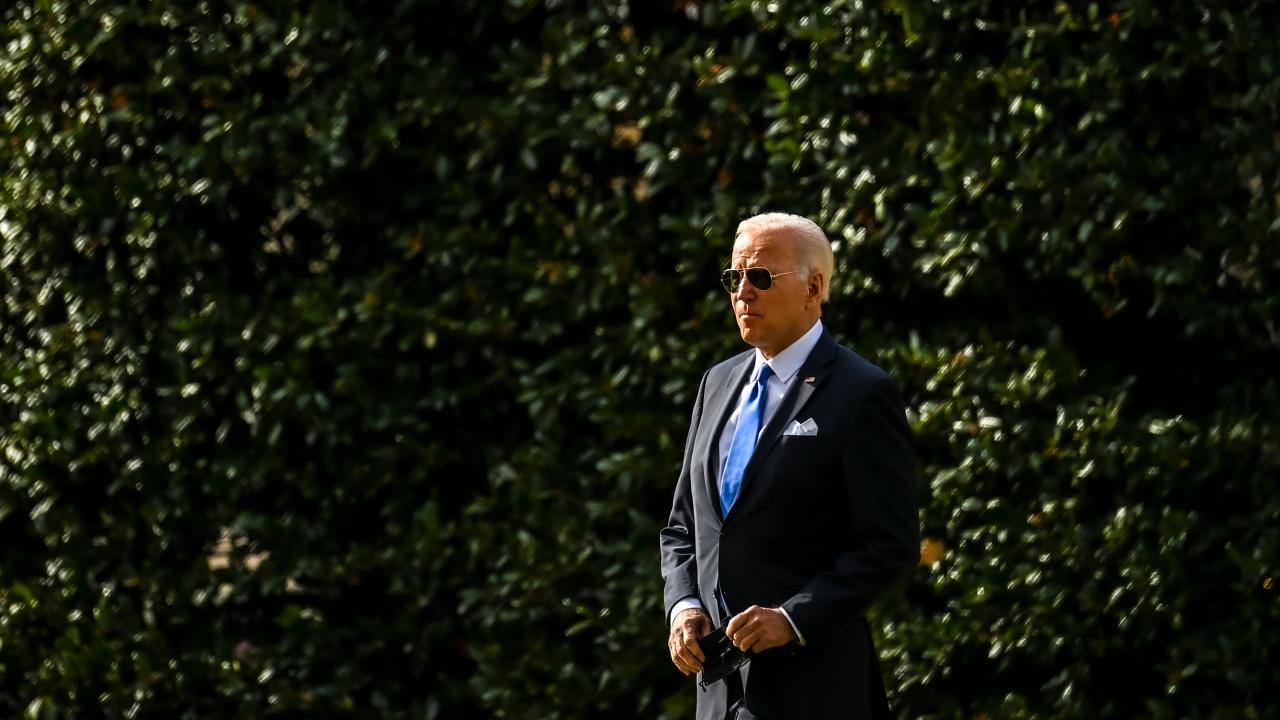
Biden’s warning to Putin has set the stage for a complex and unpredictable period in US-Russia relations. It is impossible to predict with certainty what will happen next, but we can explore various potential scenarios and their likely impacts.The warning’s impact will depend on several factors, including Putin’s response, the international community’s reaction, and domestic political developments in both the US and Russia.
Potential Scenarios and their Likelihood
The following table Artikels potential scenarios following Biden’s warning, along with their likelihood and potential impact:
| Scenario | Likelihood | Potential Impact |
|---|---|---|
| De-escalation and Dialogue | Moderate | Reduced tensions, increased cooperation on areas of mutual interest, improved international security. |
| Continued Escalation and Confrontation | High | Increased risk of military conflict, further deterioration of relations, global instability. |
| Limited Military Action by Russia | Moderate | Regional conflict, potential for wider escalation, humanitarian crisis. |
| Cyberattacks and Information Warfare | High | Disruption of critical infrastructure, erosion of trust, damage to international institutions. |
Timeline of Potential Developments
The following timeline Artikels key milestones and potential developments in the US-Russia relationship:
- Short-term (next few months):Increased diplomatic activity, potential sanctions or other economic measures, continued military posturing.
- Medium-term (next year):Potential for a summit between Biden and Putin, negotiations on arms control or other issues, continued tensions and mistrust.
- Long-term (next few years):Reshaping of the global security order, potential for a new Cold War, increased competition in technology and other sectors.
Long-Term Implications for International Security and Stability
Biden’s warning, and the subsequent developments in US-Russia relations, will have significant long-term implications for international security and stability. The potential for a new Cold War, characterized by increased military competition, ideological conflict, and geopolitical rivalry, is a real possibility.The warning has also highlighted the need for a more robust international security architecture, one that can effectively address the challenges posed by rising great power competition and the proliferation of weapons of mass destruction.The warning could also have a significant impact on the global economy, as the US and Russia are major players in energy, trade, and finance.
The warning could lead to further economic decoupling between the two countries, with implications for global supply chains and economic growth.
Summary
Biden’s warning to Putin is a pivotal moment in the ongoing saga of US-Russia relations. It serves as a stark reminder of the fragility of peace and the potential for conflict to erupt even in the 21st century. The world is watching closely to see how Putin responds and what steps the US will take to deter further aggression.
The consequences of this confrontation will reverberate throughout the international system for years to come.