Biden Announces $800 Million More in Military Aid for Ukraine
Biden announces additional 800 million in military aid to ukraine, a significant escalation in US support for the embattled nation. This latest package, announced amid the ongoing war with Russia, comes as a testament to the US’s unwavering commitment to Ukraine’s defense and sovereignty.
The aid includes a wide array of military equipment, including advanced weaponry, designed to bolster Ukraine’s capabilities against the Russian invasion. This move has sparked intense debate about the US’s role in the conflict, the potential impact on global security, and the long-term implications for both Ukraine and the US.
The announcement underscores the critical role that the US plays in the ongoing conflict. It signals a determination to provide Ukraine with the necessary tools to defend itself and potentially shift the course of the war. The aid package, however, also raises concerns about the potential for escalating tensions with Russia and the broader implications for global security.
This development is undoubtedly a pivotal moment in the war, with far-reaching consequences for the future of Ukraine and the international order.
The Announcement
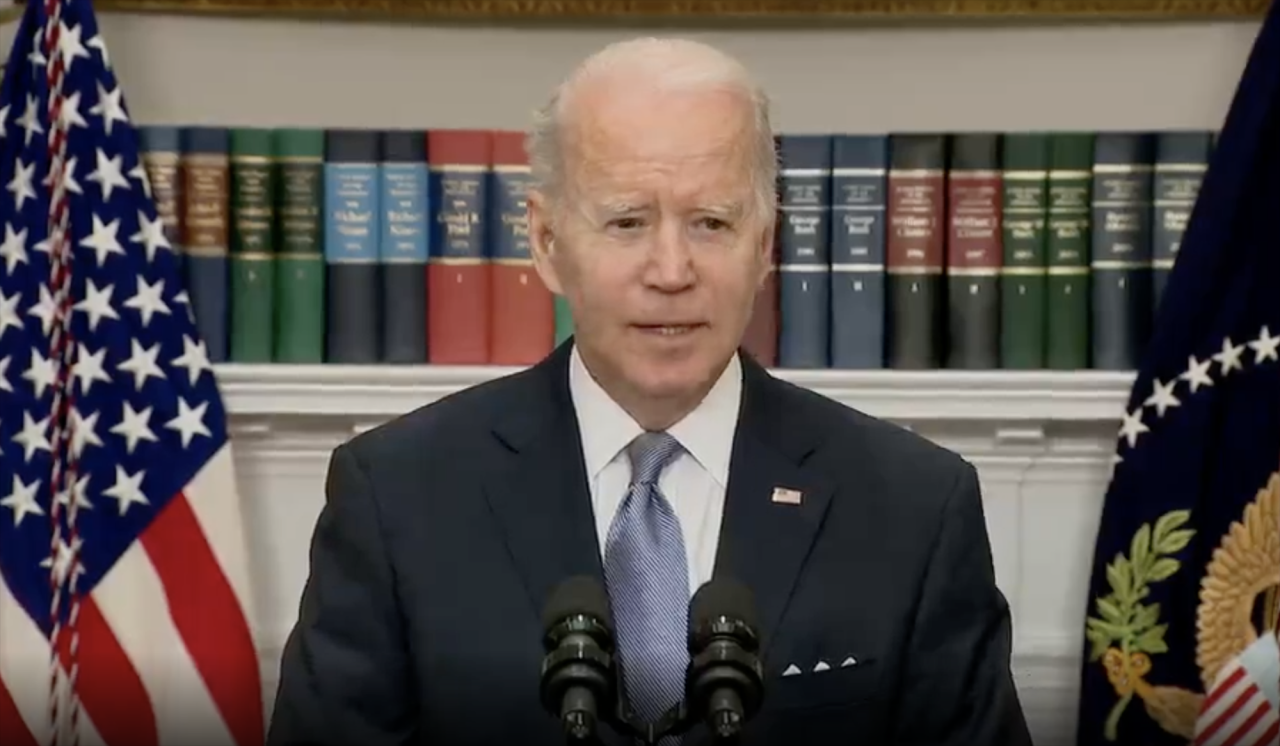
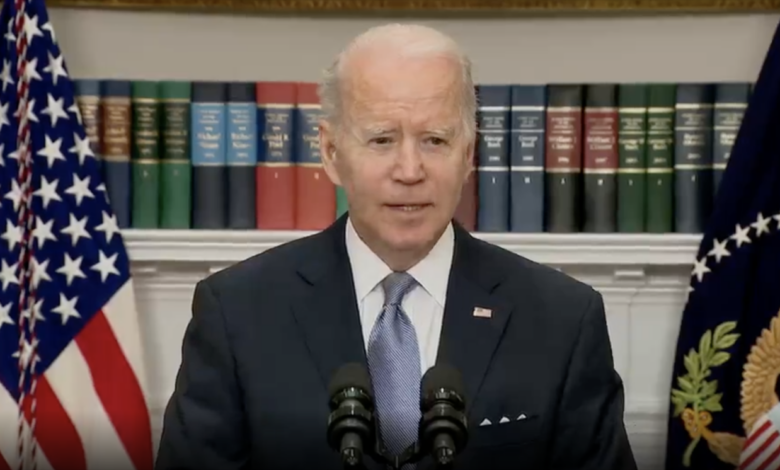
President Biden’s recent announcement of an additional $800 million in military aid to Ukraine comes at a crucial moment in the ongoing conflict with Russia. As the war enters its second month, Ukraine’s defense against the Russian invasion remains fiercely contested, with heavy fighting in key cities and regions.
This latest aid package represents a significant escalation in US support for Ukraine’s efforts to defend itself.The $800 million package comprises a wide range of military equipment and supplies, aimed at bolstering Ukraine’s defensive capabilities. The aid includes:
Military Equipment Included
The package includes a diverse array of military equipment, designed to address Ukraine’s specific needs on the battlefield.
- Anti-armor systems:The package includes Javelin anti-tank missiles, which have proven highly effective against Russian armored vehicles. The inclusion of these systems reflects the importance of countering Russia’s armored offensive.
- Anti-aircraft systems:The package includes Stinger anti-aircraft missiles, which are crucial for defending against Russian air strikes. The inclusion of these systems underscores the importance of protecting Ukrainian airspace.
- Small arms and ammunition:The package includes a variety of small arms and ammunition, providing Ukraine with essential supplies for its troops on the ground. This support ensures that Ukrainian forces have the necessary firepower to defend themselves.
- Tactical drones:The package includes Switchblade tactical drones, which are capable of providing real-time intelligence and engaging enemy targets. The inclusion of these drones reflects the growing importance of unmanned aerial systems in modern warfare.
- Other equipment:The package also includes a variety of other military equipment, including body armor, night vision devices, and medical supplies. This comprehensive support ensures that Ukrainian troops are well-equipped and protected on the battlefield.
Impact of the Aid
The impact of this latest aid package on the ongoing conflict is likely to be significant. The provision of advanced military equipment, such as anti-armor and anti-aircraft systems, could significantly enhance Ukraine’s ability to defend itself against Russian forces. The inclusion of tactical drones could also provide Ukrainian forces with a crucial intelligence and targeting advantage.However, the effectiveness of this aid will depend on a number of factors, including the ability of Ukrainian forces to effectively utilize the equipment and the overall strategic context of the conflict.
Biden’s announcement of an additional $800 million in military aid to Ukraine has sparked debate, with some praising the move as essential support for a democratic nation under attack and others criticizing it as a risky escalation. This divisive issue also highlights the role of misinformation in shaping public opinion, as exemplified by the tactics employed by Nebraska’s governor, who has become a leading figure in the right-wing disinformation war, as detailed in this insightful article: how nebraskas governor became a general in a right-wing disinformation war.
The ongoing conflict in Ukraine underscores the importance of discerning fact from fiction in an increasingly complex information landscape.
The aid package is also likely to be met with strong opposition from Russia, which has already condemned the US’s support for Ukraine.
US Strategy and Objectives: Biden Announces Additional 800 Million In Military Aid To Ukraine
The latest $800 million military aid package to Ukraine represents a significant step in the US’s ongoing effort to support Ukraine in its defense against Russia’s invasion. This aid package builds upon previous support and underscores the US’s commitment to Ukraine’s sovereignty and territorial integrity.
Biden’s announcement of an additional $800 million in military aid to Ukraine comes at a time when the global economy is facing a multitude of challenges. As Jim Cramer points out, Fed Chair Powell has a monumental task ahead of him, needing to “slay these seven dragons” feds powell must slay these seven dragons for market to recover cramer says in order to stabilize the markets.
The war in Ukraine has exacerbated existing economic woes, adding further pressure to the global financial system. It remains to be seen how these two intertwined issues will play out in the coming months.
US Strategy in Supporting Ukraine
The US’s strategy in supporting Ukraine can be characterized by a multifaceted approach aimed at strengthening Ukraine’s military capabilities, bolstering its economy, and providing humanitarian assistance. The strategy is based on the following key pillars:
- Military Aid:The US has provided significant military aid to Ukraine, including weapons, ammunition, and training. The goal is to equip Ukraine’s armed forces to effectively defend against Russian aggression.
- Economic Support:The US has provided substantial financial assistance to Ukraine to help stabilize its economy and mitigate the impact of the war. This support includes direct budgetary aid and assistance for key sectors like energy and infrastructure.
- Humanitarian Assistance:The US has been actively involved in providing humanitarian aid to Ukraine, addressing the needs of displaced populations and those affected by the war. This includes food, medical supplies, and shelter.
- International Cooperation:The US has been working closely with its allies and partners to coordinate support for Ukraine. This includes coordinating military aid, imposing sanctions on Russia, and providing humanitarian assistance.
US Objectives in Providing Military Aid
The US’s objective in providing military aid to Ukraine is multifaceted and aims to achieve the following:
- Strengthen Ukraine’s Defense Capabilities:The US seeks to equip Ukraine’s military with the necessary weapons and equipment to effectively defend itself against Russian aggression.
- Deter Russian Aggression:The US aims to deter further Russian aggression by demonstrating its commitment to supporting Ukraine’s defense.
- Support Ukraine’s Sovereignty and Territorial Integrity:The US is committed to upholding Ukraine’s sovereignty and territorial integrity, which is seen as essential for regional stability.
- Promote Democracy and Human Rights:The US supports Ukraine’s democratic institutions and human rights, and the military aid package is seen as a way to bolster these values.
Comparison to Previous US Support for Ukraine
The latest $800 million aid package represents a significant increase in US support for Ukraine compared to previous aid packages. While the US has been providing military aid to Ukraine since 2014, the scope and scale of this aid have significantly increased since the start of the full-scale invasion in February 2022.
- Increased Scope:The latest package includes a wider range of weapons and equipment, including advanced artillery systems and drones. This reflects the evolving nature of the conflict and the need for Ukraine to adapt its defense strategy.
- Increased Scale:The total value of US military aid to Ukraine since the start of the invasion has reached billions of dollars. This reflects the US’s commitment to supporting Ukraine’s defense efforts.
- Shift in Focus:The US has shifted its focus from providing defensive weapons to providing offensive weapons, recognizing the need for Ukraine to take the initiative in the conflict.
International Reactions
The announcement of the additional $800 million in military aid to Ukraine has elicited a range of reactions from international actors, reflecting the complex geopolitical landscape surrounding the conflict.The aid package has been met with support from key allies, who view it as crucial to bolstering Ukraine’s defense capabilities and deterring further Russian aggression.
The United States’ commitment to providing military assistance to Ukraine has been a key factor in galvanizing international support for the country.
Biden’s announcement of an additional $800 million in military aid to Ukraine is a significant step in supporting the country’s defense against Russia’s invasion. This move highlights the complex geopolitical landscape we’re navigating, where tensions rise alongside the need for international cooperation.
It also raises questions about the changing dynamics of labor in the U.S., as the need for skilled workers in critical industries like defense manufacturing grows. It’s interesting to note that while some sectors see a rise in unionization, others are seeing declines, a trend explored in detail in this article: why unions are growing and shrinking at the same time.
The future of labor, much like the outcome of the Ukrainian conflict, remains uncertain, but it’s clear that we’re at a pivotal moment in both arenas.
Reactions of Key International Actors
The reactions of key international actors can be broadly categorized as follows:
- Supportive:NATO allies, including the United Kingdom, Canada, and several European Union member states, have expressed strong support for the aid package. These countries see the aid as essential for Ukraine’s defense and for maintaining a united front against Russian aggression.
- Cautious:Some countries, particularly those outside of NATO, have expressed concerns about the potential for escalating the conflict. These countries may fear that increased military aid could lead to a wider war, or that it could undermine diplomatic efforts to end the conflict.
- Critical:Russia has condemned the aid package, accusing the United States of fueling the conflict and prolonging the fighting. China has also expressed concerns about the potential for escalation, while urging all parties to engage in dialogue and find a peaceful solution.
Potential Allies and Adversaries
The announcement of the aid package has highlighted the existing alliances and rivalries in the international system. The United States and its allies have demonstrated their commitment to supporting Ukraine, while Russia and its allies have expressed their opposition to the aid.
- Allies:The United States, NATO members, and several other countries that have provided military assistance to Ukraine can be considered allies in this context.
- Adversaries:Russia, China, and other countries that have opposed the aid package can be considered adversaries. These countries may see the aid as a threat to their interests or as a sign of Western aggression.
Implications for Global Security, Biden announces additional 800 million in military aid to ukraine
The aid package has implications for global security, particularly in terms of the balance of power and the risk of escalation.
- Balance of Power:The aid package has been seen by some as a way to strengthen the Western alliance and counter Russia’s influence. However, others argue that the aid could further escalate tensions and lead to a more dangerous geopolitical situation.
- Risk of Escalation:The potential for escalation is a major concern, particularly given the increasing involvement of external actors in the conflict. The aid package could be seen by Russia as a provocation, potentially leading to further military action.
Economic and Political Impact
The $800 million military aid package to Ukraine, while substantial, is just one piece of a larger puzzle. This aid will have significant economic and political repercussions, both domestically and internationally. Examining these impacts is crucial to understanding the broader implications of the US’s commitment to Ukraine.
Economic Impact on Ukraine
The aid package will provide Ukraine with critical military equipment and supplies, bolstering its defense against the Russian invasion. This assistance will help Ukraine sustain its resistance, potentially leading to a faster resolution of the conflict. However, the economic impact on Ukraine goes beyond the immediate military support.
The war has devastated the Ukrainian economy, causing widespread damage to infrastructure, businesses, and industries. The aid package can help Ukraine rebuild its economy, but it is crucial to consider the long-term economic recovery process.
Economic Impact on the US
The US’s commitment to Ukraine comes at a cost. The aid package, while a small fraction of the US’s overall budget, represents a significant financial investment. This investment is part of a larger effort by the US to support Ukraine and deter further Russian aggression.
The potential economic impact on the US is multifaceted. While the aid package will likely have a negligible impact on the US economy in the short term, the long-term implications are less clear. The US’s commitment to Ukraine could lead to increased defense spending, potentially affecting other budget priorities.
Political Implications in the US
The US’s commitment to Ukraine has sparked significant political debate within the country. Some argue that the aid package is a necessary investment in global security and a demonstration of US leadership. Others criticize the aid, arguing that it is too costly and diverts resources from domestic priorities.
The political debate over the aid package highlights the complex and evolving nature of US foreign policy, particularly in the context of the Russia-Ukraine conflict.
Political Implications Internationally
The US’s commitment to Ukraine has also had significant political implications internationally. The aid package signals the US’s unwavering support for Ukraine and its commitment to defending democratic values. This commitment has strengthened alliances with European countries and has helped to isolate Russia on the global stage.
However, the US’s actions have also raised concerns about potential escalation of the conflict and the possibility of a wider geopolitical confrontation.
Long-Term Implications of US Commitment
The US’s commitment to Ukraine is a long-term endeavor with far-reaching implications. The aid package is a tangible manifestation of this commitment, but it is only one aspect of a broader strategy. The US’s commitment to Ukraine will shape the future of the region and the global security landscape.
The long-term implications will depend on the course of the conflict, the effectiveness of US aid, and the broader geopolitical context.
Future Outlook
Predicting the future of the war in Ukraine is a complex task, fraught with uncertainty. The conflict has already defied many initial predictions, and its trajectory will likely continue to be shaped by a multitude of factors, including military developments, political dynamics, and international support.
Potential Trajectories of the War
The potential future trajectories of the war in Ukraine can be broadly categorized into three scenarios:
- A Ukrainian Victory:This scenario would involve Ukraine successfully repelling the Russian invasion and regaining control of all its lost territories. This outcome would likely require sustained and significant military support from the West, coupled with internal resilience and strategic military successes by Ukrainian forces.
- A Negotiated Settlement:This scenario would involve a negotiated end to the conflict, potentially involving concessions from both sides. This outcome would require a significant shift in the current positions of both Russia and Ukraine, and would likely involve complex diplomatic negotiations.
- A Prolonged Conflict:This scenario would involve a protracted war of attrition, with neither side achieving a decisive victory.
This outcome would likely result in significant human and economic costs for both Ukraine and Russia, as well as increased regional instability.
Likelihood of Further US Military Aid
The likelihood of further US military aid to Ukraine hinges on several factors, including the trajectory of the war, the domestic political landscape in the United States, and the level of international support for Ukraine.
- Trajectory of the War:Continued military success by Ukraine, particularly in regaining lost territories, is likely to bolster US support for continued military aid. Conversely, significant setbacks for Ukraine could potentially lead to a reassessment of US support.
- Domestic Political Landscape:Public support for US involvement in Ukraine is crucial for maintaining political support for military aid.
A shift in public opinion towards a more isolationist stance could potentially limit US support for Ukraine.
- International Support:Continued strong international support for Ukraine, particularly from European allies, is likely to reinforce US commitment to providing military aid. Conversely, a decline in international support could potentially lead to a reassessment of US involvement.
Potential for a Negotiated Settlement
The potential for a negotiated settlement is contingent on several factors, including the willingness of both sides to compromise, the level of international pressure for a peaceful resolution, and the potential for a shift in the military balance on the ground.
- Willingness to Compromise:Both Russia and Ukraine would need to demonstrate a willingness to make concessions in order to reach a negotiated settlement. This would likely involve complex negotiations and a shift in current positions.
- International Pressure:Increased international pressure on both sides to engage in negotiations could potentially facilitate a peaceful resolution.
This could involve diplomatic efforts, economic sanctions, or other forms of pressure.
- Shift in Military Balance:A shift in the military balance on the ground, potentially resulting from a Ukrainian offensive or a Russian escalation, could potentially create conditions for negotiations. This would likely require a significant change in the military situation.
Prolonged Conflict
The possibility of a prolonged conflict remains a significant concern. This scenario would likely involve continued fighting, with neither side able to achieve a decisive victory. The potential consequences of a prolonged conflict are severe, including:
- Humanitarian Crisis:A protracted conflict would likely lead to an escalation of the humanitarian crisis in Ukraine, with millions of civilians displaced and facing shortages of food, water, and medical care.
- Economic Devastation:Both Ukraine and Russia would suffer significant economic damage from a prolonged conflict, with disruptions to trade, infrastructure, and economic activity.
- Regional Instability:A prolonged conflict could lead to increased regional instability, potentially spilling over into neighboring countries and further destabilizing the international order.
End of Discussion
The decision to provide additional military aid to Ukraine is a complex one with far-reaching implications. It reflects a commitment to supporting Ukraine’s defense and sovereignty, but also carries the risk of escalating tensions with Russia and impacting global security.
The future trajectory of the war remains uncertain, but the US’s continued support for Ukraine will undoubtedly play a pivotal role in shaping the outcome. It remains to be seen how this latest aid package will impact the conflict, the international response, and the long-term relationship between the US and Ukraine.