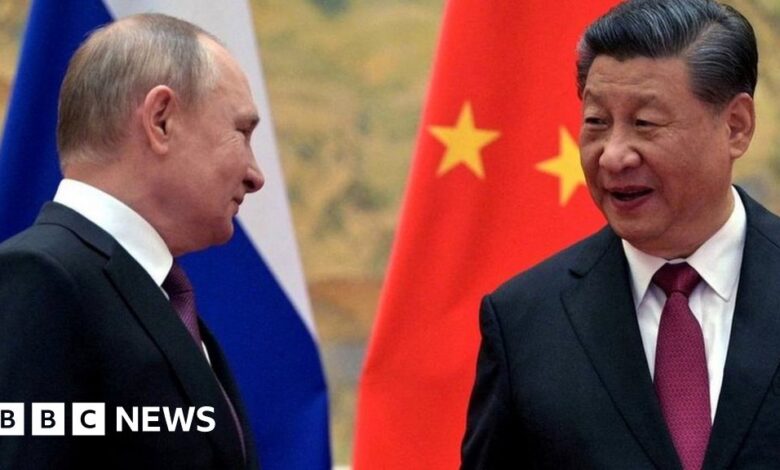
Before Ukraine Invasion, Russia and China Cemented Economic Ties
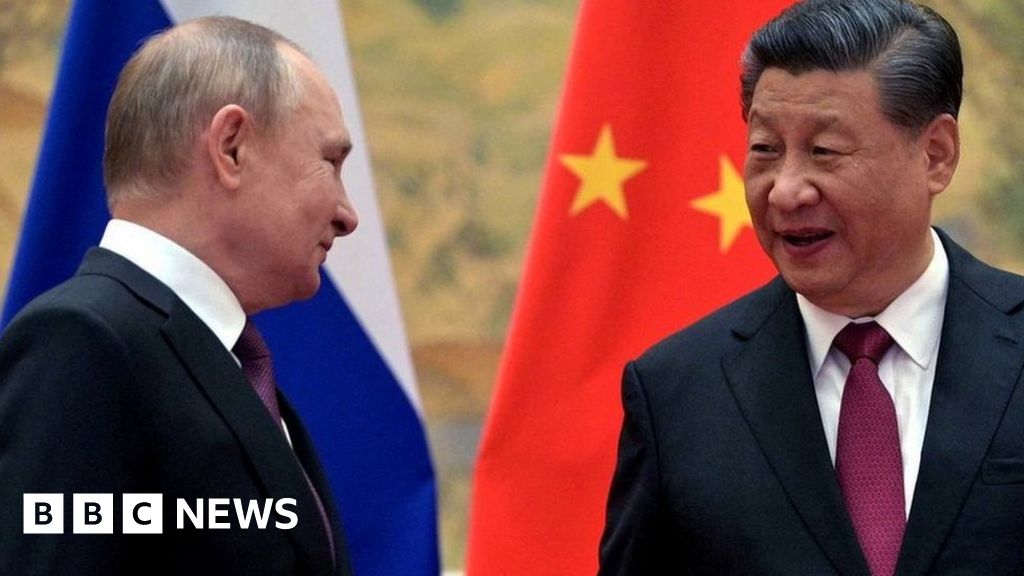
Before ukraine invasion russia and china cemented economic ties – Before Ukraine Invasion, Russia and China Cemented Economic Ties: The world watched as Russia and China strengthened their economic relationship in the years leading up to the Ukraine invasion. This strategic alliance, built on shared interests and a desire to challenge the existing global order, had far-reaching implications for the world stage.
From energy partnerships to technological collaborations, Russia and China sought to create a new economic power bloc, one that could potentially rival the West.
This growing economic interdependence was driven by a confluence of factors. Both countries sought to diversify their economic partners, reduce reliance on Western markets, and challenge the dominance of the US dollar. The shared desire to create a multipolar world, where power is distributed more evenly, further cemented their alliance.
The impact of this relationship was already felt in various sectors, with joint ventures in energy, infrastructure, and technology flourishing. However, the Ukraine invasion has thrown a wrench into this complex equation, forcing both nations to recalibrate their strategies and adapt to a new reality.
Pre-Invasion Economic Ties
The relationship between Russia and China has undergone a significant transformation in recent decades, marked by a deepening of economic ties. This evolution is rooted in shared interests, geopolitical realities, and a desire to challenge the existing global order.
Historical Context, Before ukraine invasion russia and china cemented economic ties
The historical context of economic relations between Russia and China is marked by periods of cooperation and competition. After the collapse of the Soviet Union, Russia and China sought to strengthen their economic ties as a means of countering Western influence.
It’s fascinating to think about how the world was just a few years ago, before the Ukraine invasion. Russia and China were strengthening their economic ties, and it felt like the global landscape was shifting. It’s a stark contrast to the current situation.
But sometimes, when I need a break from the news cycle, I escape to a place like the world’s best hotel bars, The Omnia in Zermatt, Switzerland. The breathtaking views and cozy atmosphere transport me to a world where politics seem distant and the only worry is what to sip on next.
It’s a reminder that life goes on, even amidst global turmoil, and there are still pockets of peace and beauty to be found.
The two countries share a long border and a history of trade, but their economic relationship remained relatively limited until the early 2000s.
Key Economic Agreements and Partnerships
Before the invasion of Ukraine, Russia and China had established a number of key economic agreements and partnerships, demonstrating their commitment to deepening their economic ties.
Major Agreements
- The Shanghai Cooperation Organisation (SCO):Established in 2001, the SCO is a regional security and economic bloc that includes Russia, China, India, Pakistan, Kazakhstan, Kyrgyzstan, Tajikistan, and Uzbekistan. The SCO has facilitated cooperation in various sectors, including trade, energy, and security.
- The Eurasian Economic Union (EAEU):This economic union, launched in 2015, includes Russia, Belarus, Kazakhstan, Armenia, and Kyrgyzstan. The EAEU aims to promote free trade and economic integration among its member states. China has observer status in the EAEU, indicating its interest in deepening economic ties with the region.
- The Belt and Road Initiative (BRI):China’s ambitious global infrastructure development project, launched in 2013, aims to connect Asia, Europe, and Africa through a network of roads, railways, and ports. Russia is a key partner in the BRI, participating in projects like the Trans-Siberian Railway and the development of energy infrastructure in Central Asia.
It’s fascinating to see how global alliances shift in response to geopolitical events. Before the Ukraine invasion, Russia and China were forging stronger economic ties, but now, the spotlight is on a different kind of alliance, as seen in the case of a retired general retired general investigated over undisclosed lobbying for qatar.
This incident highlights the intricate web of influence and power dynamics that shape global relations, reminding us that the landscape is constantly changing.
Joint Ventures and Collaborations
- Energy:Russia is a major supplier of oil and gas to China. In 2014, the two countries signed a 30-year gas supply agreement, worth an estimated $400 billion, for the construction of the Power of Siberia pipeline. This pipeline transports natural gas from eastern Siberia to China.
- Infrastructure:Russia and China have collaborated on a number of infrastructure projects, including the construction of high-speed railways, bridges, and ports. These projects are aimed at improving connectivity and facilitating trade between the two countries.
- Technology:Russia and China have also been cooperating in the field of technology, particularly in areas like aerospace, nuclear energy, and artificial intelligence. For example, China has been investing in Russian space technology, while Russia has been seeking to cooperate with China in the development of 5G technology.
Motivations Behind Increasing Economic Cooperation
- Shared Interests:Russia and China share a number of common interests, including a desire to challenge the existing global order, promote their own economic development, and secure access to energy resources.
- Geopolitical Considerations:Both countries face geopolitical challenges from the West. Russia’s annexation of Crimea in 2014 and its involvement in the conflict in eastern Ukraine led to Western sanctions. China’s growing economic and military power has also raised concerns in the West.
These shared geopolitical concerns have driven Russia and China to strengthen their economic ties as a means of countering Western pressure.
- Economic Growth:Russia and China are both seeking to boost their economic growth. China is a major market for Russian exports, while Russia provides China with access to energy resources and other commodities. The deepening of economic ties between the two countries is seen as a means of promoting mutual economic growth.
Strategic Significance of the Relationship

The deepening economic ties between Russia and China, particularly in the wake of the Ukraine invasion, carry significant geopolitical implications. The relationship goes beyond mere economic cooperation and has the potential to reshape the global economic order and influence international relations.
Before the Ukraine invasion, Russia and China were actively cementing their economic ties, creating a formidable bloc in the global arena. This, coupled with the current geopolitical landscape, raises serious concerns about the future of international relations. As we navigate these complex times, it’s crucial to stay informed about developments like the Supreme Court’s upcoming ruling on another scary voting rights case, which could significantly impact the democratic process.
These events, both on the international and domestic fronts, are intricately interwoven, and their consequences will shape the world we live in for years to come. The deepening relationship between Russia and China, alongside these legal challenges, demands our attention and underscores the need for vigilance in the face of evolving global dynamics.
Economic Growth and Diversification
The strategic partnership between Russia and China offers mutual benefits for both countries in terms of economic growth and diversification.
- Increased Trade and Investment:The two countries have witnessed a substantial increase in bilateral trade and investment, driven by complementary economic strengths. Russia, rich in natural resources, can benefit from China’s vast manufacturing capacity and consumer market. Conversely, China seeks access to Russia’s energy resources, raw materials, and agricultural products.
- Reduced Dependence on Western Markets:Both countries are seeking to reduce their dependence on Western markets, which they perceive as increasingly hostile. This is particularly relevant for Russia, which has faced significant sanctions from Western countries following the Ukraine invasion. By deepening economic ties with China, Russia aims to find alternative markets for its exports and sources of investment.
- Economic Resilience:The growing economic partnership between Russia and China aims to enhance their economic resilience against external pressures. By creating a more integrated economic sphere, they aim to minimize the impact of potential sanctions or economic disruptions.
Political Influence and Global Power Dynamics
The strengthened economic ties between Russia and China have significant implications for global power dynamics.
- Challenging the US-led Global Order:The growing economic partnership between Russia and China can be seen as a challenge to the US-led global order. The two countries have increasingly criticized the existing international institutions and sought to establish alternative frameworks that are more favorable to their interests.
This has led to concerns about the potential emergence of a multipolar world, where power is more evenly distributed.
- Increased Political Influence:The economic interdependence between Russia and China gives them greater leverage in international affairs. They can use their economic weight to influence decisions made by international organizations and pressure other countries to align with their interests. This is evident in their joint efforts to promote alternative payment systems and trade arrangements that bypass Western dominance.
- Regional Stability and Security:The growing economic partnership between Russia and China has implications for regional stability and security. The two countries have increasingly cooperated on security issues in Asia and beyond, challenging the existing security architecture in the region. This has led to concerns about the potential for increased tensions and instability in the region.
Impact of the Ukraine Invasion
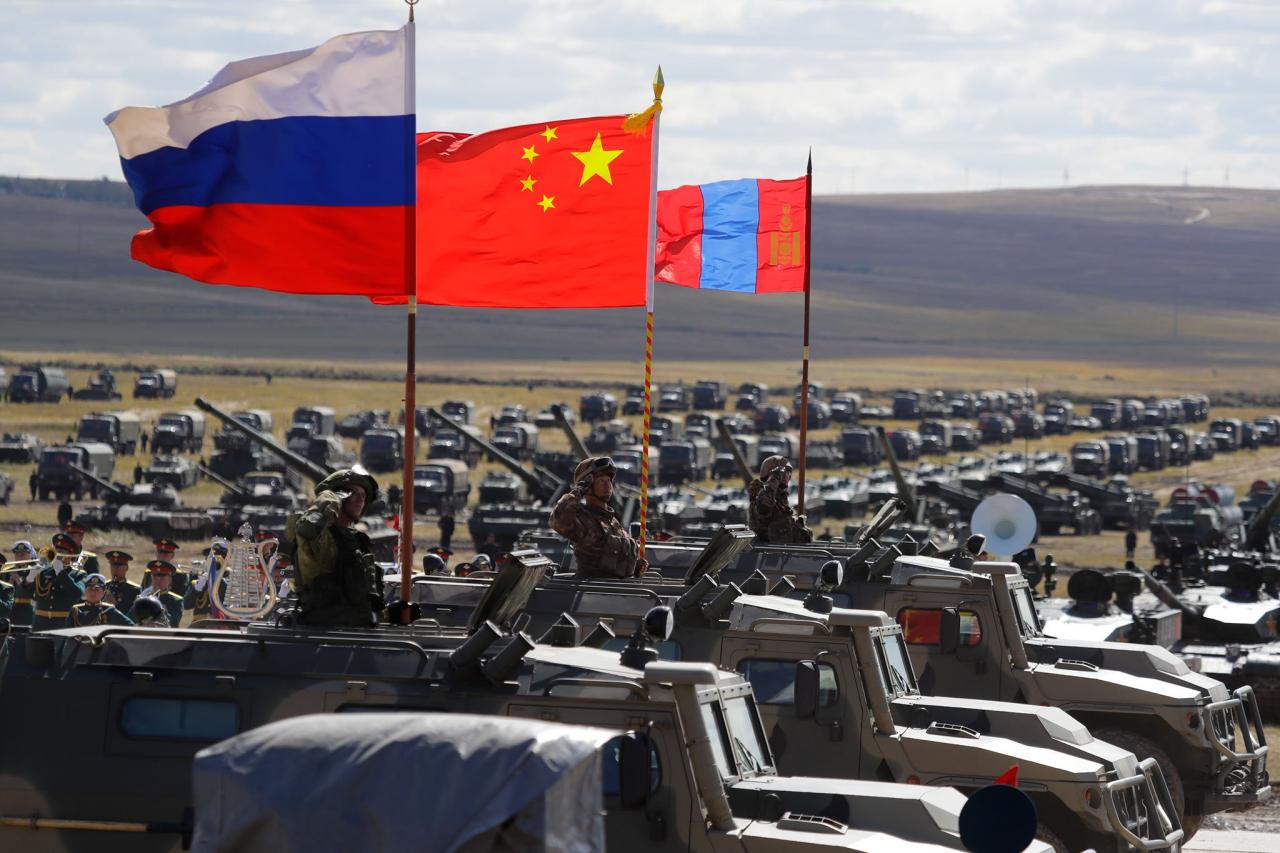
The Ukraine invasion has had a profound impact on the economic relationship between Russia and China. The invasion has led to a significant increase in economic cooperation between the two countries, as China has sought to mitigate the economic consequences of the invasion for Russia.
This has been driven by a number of factors, including the imposition of Western sanctions on Russia and the need for both countries to find alternative trading partners.
Sanctions and Their Implications
The Western sanctions imposed on Russia following the invasion have had a significant impact on the Russian economy. These sanctions have targeted key sectors of the Russian economy, including finance, energy, and technology. The sanctions have also made it difficult for Russia to access international markets, which has led to a sharp decline in the value of the Russian ruble and a rise in inflation.The sanctions have also had a significant impact on bilateral trade and investment between Russia and China.
While China has not joined the Western sanctions, it has been cautious in its dealings with Russia, particularly in areas that could be seen as violating the sanctions. For example, Chinese banks have been reluctant to provide financing to Russian companies, and Chinese companies have been hesitant to invest in Russia.
China’s Role in Mitigating Economic Consequences
Despite the challenges posed by the sanctions, China has played a significant role in mitigating the economic consequences of the invasion for Russia. China has increased its purchases of Russian energy, including oil and gas, and has provided Russia with financial support.
China has also been a major investor in Russia, particularly in sectors such as infrastructure and technology.The increased economic cooperation between Russia and China has been driven by a number of factors, including the need for both countries to find alternative trading partners and the desire to counter the growing influence of the West.
The invasion has also strengthened the strategic partnership between the two countries, as they have sought to present a united front against the West.
Impact on Specific Sectors
The Ukraine invasion has had a significant impact on specific sectors of the Russian and Chinese economies. For example, the invasion has led to a surge in demand for Russian energy in China, as Chinese companies have sought to secure alternative sources of energy.
This has benefited the Russian energy sector, which has been able to sell its oil and gas at higher prices.However, the invasion has also had a negative impact on other sectors of the Russian economy, such as the automotive industry.
The sanctions have made it difficult for Russian car manufacturers to import parts and components, which has led to production cuts and job losses.The invasion has also had a mixed impact on the Chinese economy. While the increased trade with Russia has benefited some sectors, such as energy and agriculture, the sanctions have made it difficult for Chinese companies to do business with Russia, particularly in the financial sector.The impact of the Ukraine invasion on the economic relationship between Russia and China is complex and multifaceted.
While the invasion has led to increased economic cooperation between the two countries, it has also created new challenges and uncertainties. The long-term implications of the invasion for the relationship between Russia and China remain to be seen.
Closing Summary: Before Ukraine Invasion Russia And China Cemented Economic Ties
The future of the Russia-China economic relationship remains uncertain. While the Ukraine invasion has undoubtedly created challenges, the underlying motivations for their cooperation remain. The world is watching closely to see how this evolving dynamic will reshape the global economic landscape and influence the geopolitical order.