Labor Board Decline: Bad News for Workers
The labor board is withering away and thats bad news for the labor movement – The labor board is withering away, and that’s bad news for the labor movement. For decades, these boards have been the cornerstone of worker rights, ensuring fair treatment and a level playing field for unions. But in recent years, funding cuts, staffing shortages, and mounting case backlogs have weakened their effectiveness.
This decline has serious implications for the labor movement, making it harder for workers to organize, negotiate fair wages, and protect themselves from unfair labor practices.
The labor board’s role is crucial in facilitating unionization, enforcing collective bargaining agreements, and ensuring workers are protected from discrimination and retaliation. Without a robust labor board, workers are more vulnerable to exploitation, and the power dynamic shifts further in favor of employers.
The consequences of a weakened labor board extend beyond individual workers, impacting the overall strength and influence of the labor movement, potentially leading to a decline in worker wages and benefits.
The Decline of Labor Boards
The decline of labor boards across the United States represents a significant threat to the labor movement and the protection of worker rights. Labor boards play a crucial role in ensuring fair labor practices and resolving workplace disputes, but they are facing increasing challenges that threaten their ability to fulfill this critical function.
The labor board’s dwindling resources are a serious blow to the labor movement, leaving workers vulnerable and struggling to advocate for fair wages and conditions. It’s a stark reminder of the growing wealth disparity, exemplified by figures like Jeff Bezos, whose immense fortune is difficult to comprehend.
To get a grasp on the scale of his wealth, check out this article on 9 ways to imagine Jeff Bezos’ wealth. While the article provides fascinating insights, it also highlights the urgent need for a stronger labor board to ensure a more equitable society.
Historical Context and Role of Labor Boards
Labor boards were established in the United States in the early 20th century in response to the rise of industrialization and the growing need for worker protection. The National Labor Relations Act (NLRA) of 1935, also known as the Wagner Act, created the National Labor Relations Board (NLRB) to oversee labor relations and ensure workers’ right to organize and bargain collectively.
The NLRB has played a critical role in protecting workers’ rights to form unions, engage in collective bargaining, and participate in strikes. It investigates unfair labor practices by employers, such as interfering with union organizing efforts, discriminating against union members, and refusing to bargain in good faith.
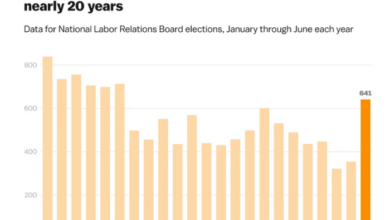
The NLRB also conducts elections to determine whether workers want to be represented by a union.
Current Trends and Challenges Facing Labor Boards
In recent years, labor boards have faced a number of challenges that have threatened their effectiveness. These challenges include:
- Funding Cuts: Labor boards have experienced significant funding cuts at both the federal and state levels. This has led to reductions in staffing, longer processing times for cases, and a decline in the ability to investigate and prosecute violations of labor law.
- Reduced Staffing: Funding cuts have resulted in a reduction in the number of staff available to handle the workload of labor boards. This has led to longer wait times for hearings and decisions, and has made it more difficult for workers to get their cases heard.
It’s disheartening to see the labor board weaken, as it’s a crucial pillar for workers’ rights. But while we fight for fairness in the workplace, let’s also celebrate the rich tapestry of cultures in our communities. This Asian Pacific American Heritage Month, consider engaging students with these impactful activities found in this resource to foster understanding and appreciation.
A strong labor movement needs a diverse and inclusive society, and celebrating heritage is a step in that direction.
- Increased Case Backlogs: The combination of funding cuts and reduced staffing has led to an increase in the number of cases pending before labor boards. This backlog has created delays in resolving disputes and has made it more difficult for workers to obtain justice.
- Political Interference: Labor boards have also been subject to political interference, with some administrations appointing board members who are less supportive of labor rights. This has led to changes in board policies and decisions that have made it more difficult for workers to organize and bargain collectively.
Impact of These Trends on Labor Board Effectiveness
The trends described above have had a significant impact on the ability of labor boards to effectively enforce labor laws and resolve workplace disputes.
- Reduced Enforcement: Funding cuts and staffing shortages have made it more difficult for labor boards to investigate and prosecute violations of labor law. This has led to a decline in the number of cases being brought against employers, and has made it more difficult for workers to hold employers accountable for unfair labor practices.
- Longer Processing Times: The increase in case backlogs has led to longer processing times for cases. This has made it more difficult for workers to get their cases heard and resolved in a timely manner. In some cases, workers may be forced to wait months or even years for a decision from the board.
- Increased Delays and Frustration: The delays and backlogs caused by funding cuts and staffing shortages have created frustration among workers who are seeking to resolve workplace disputes. This frustration can lead to a loss of faith in the labor board system, and can discourage workers from filing complaints or seeking representation from a union.
The Impact on the Labor Movement: The Labor Board Is Withering Away And Thats Bad News For The Labor Movement
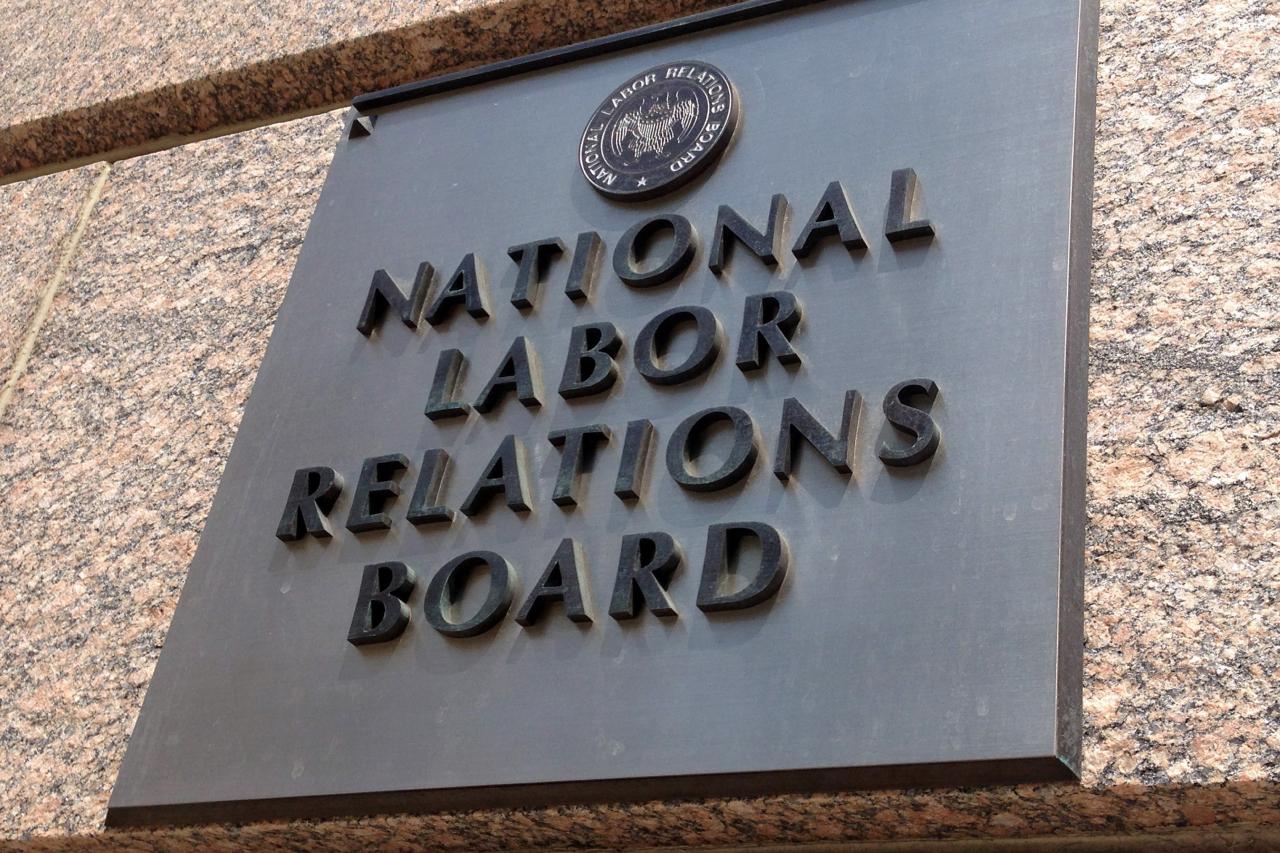
Labor boards are crucial institutions for the labor movement, acting as the backbone of worker rights and collective bargaining. They play a vital role in ensuring fair and democratic labor relations, promoting worker voice, and fostering economic stability.
The Significance of Labor Boards
Labor boards are independent government agencies responsible for administering labor laws and ensuring that workers have a voice in their workplaces. They are tasked with facilitating unionization, enforcing collective bargaining agreements, and protecting workers from unfair labor practices. These crucial functions underpin the labor movement’s ability to advocate for workers’ rights and improve working conditions.
Consequences of a Weakened Labor Board
A weakened labor board has severe consequences for the labor movement, undermining its ability to effectively represent workers’ interests. The consequences can be seen in various aspects:
Impact on Union Organizing Efforts
A weakened labor board can make it more difficult for workers to form unions. The board’s role in conducting union elections, investigating unfair labor practices, and providing guidance on labor law compliance is crucial for successful union organizing. A less effective board can create delays, increase the risk of employer interference, and make the process of unionization more challenging and time-consuming.
Impact on Worker Rights
A weakened labor board can lead to a decline in worker rights and protections. The board’s role in enforcing collective bargaining agreements and investigating unfair labor practices is essential for ensuring that workers are treated fairly and have recourse when their rights are violated.
A less effective board can result in a decline in enforcement, leaving workers vulnerable to employer abuse and exploitation.
Impact on Overall Labor Market Power
A weakened labor board can contribute to a decline in overall labor market power. Unions play a vital role in negotiating wages, benefits, and working conditions, which can influence wages and benefits across the entire labor market. A weakened labor movement, due to a less effective labor board, can result in lower wages, fewer benefits, and weaker worker protections for all workers, even those not represented by unions.
Potential Solutions
The decline of labor boards poses a significant threat to the labor movement’s ability to protect workers’ rights and promote fair labor practices. To address this issue, a multifaceted approach involving increased funding, expanded staffing, and improved efficiency measures is necessary.
It’s disheartening to see the labor board dwindling, as it’s a critical resource for workers fighting for fair treatment. This decline comes at a time when we’re seeing a surge in political engagement, like the record-breaking 48 candidates vying for a House seat in Alaska’s special election.
While this political activity is encouraging, we need to remember that a strong labor movement is vital to ensure a fair and just workplace for everyone.
Increased Funding
Increased funding is crucial to bolster the resources available to labor boards, enabling them to effectively carry out their responsibilities. Adequate funding allows for hiring more staff, expanding investigations, and improving enforcement capabilities. This can lead to a more robust and responsive labor board, better equipped to address the growing complexities of the labor market.
Expanded Staffing
A shortage of staff is a major challenge faced by many labor boards, hindering their ability to effectively process cases and address worker complaints. Expanding staffing levels would alleviate this bottleneck, allowing for faster processing times, more comprehensive investigations, and improved enforcement actions.
This, in turn, would increase the effectiveness of the labor board in protecting worker rights and ensuring fair labor practices.
Improved Efficiency Measures
Optimizing operational efficiency is another key aspect of strengthening labor boards. This can involve implementing technology-driven solutions, streamlining processes, and adopting best practices from other agencies. By enhancing efficiency, labor boards can allocate resources more effectively, reduce processing times, and improve overall productivity.
Comparison of Solutions, The labor board is withering away and thats bad news for the labor movement
| Solution | Strengths | Weaknesses | Potential Impact on Labor Movement ||—|—|—|—|| Increased Funding | Allows for expanded staffing, improved investigations, and stronger enforcement. | Subject to political and economic constraints, potentially facing budgetary limitations. | Empowers labor boards to effectively protect worker rights and promote fair labor practices.
|| Expanded Staffing | Reduces case processing times, allows for more comprehensive investigations, and enhances enforcement capabilities. | Requires significant financial investment and may face challenges in recruiting and retaining qualified personnel. | Enhances the responsiveness and effectiveness of labor boards in addressing worker concerns and enforcing labor laws.
|| Improved Efficiency Measures | Optimizes resource allocation, reduces processing times, and enhances productivity. | May require significant upfront investment in technology and training. | Contributes to a more efficient and effective labor board, enabling it to better serve workers and promote fair labor practices.
|
The Future of Labor Rights
The erosion of the labor board’s authority poses a significant threat to the future of labor rights and worker protections. A weakened labor board could lead to a decline in unionization rates, increased workplace exploitation, and a decrease in worker bargaining power.
It’s crucial to understand the long-term implications of this trend and explore alternative mechanisms to safeguard worker rights in a changing landscape.
The Long-Term Implications of a Weakened Labor Board
A weakened labor board could have several detrimental long-term implications for labor rights and worker protections. These implications could include:
- Decreased Unionization Rates:A less effective labor board could discourage workers from forming unions, leading to lower unionization rates. This could weaken the collective bargaining power of workers and result in less favorable working conditions.
- Increased Workplace Exploitation:Without a strong labor board to enforce labor laws, employers might be more likely to engage in exploitative practices such as wage theft, unsafe working conditions, and discriminatory hiring practices.
- Reduced Worker Bargaining Power:A weakened labor board could diminish worker bargaining power, making it more difficult for workers to negotiate fair wages, benefits, and working conditions.
- Erosion of Labor Standards:A weakened labor board could contribute to a decline in labor standards, leading to a race to the bottom where employers compete by offering lower wages and benefits.
Alternative Mechanisms to Protect Worker Rights
In the absence of a robust labor board, alternative mechanisms can help protect worker rights and ensure a fairer workplace. These mechanisms could include:
- Legislative Action:Stronger labor laws can provide workers with greater protections, even in the absence of a strong labor board. For example, laws requiring employers to provide paid sick leave, family leave, or minimum wage increases could help improve worker conditions.
- Community-Based Organizations:Community-based organizations can play a vital role in advocating for worker rights and providing support to workers facing exploitation. These organizations can offer legal assistance, education, and organizing support.
- Worker Cooperatives:Worker cooperatives, where workers own and control their workplaces, can provide an alternative model for labor relations, empowering workers and ensuring fairer treatment.
- Social Movements:Social movements, such as the Fight for $15 movement, can raise public awareness about worker rights and advocate for policy changes.
Visual Illustration of the Future of Labor Rights
Imagine a visual representation depicting the future of labor rights if the decline of labor boards continues unabated. The illustration could feature a worker standing on a precarious platform, representing the weakening of labor rights and worker protections. The platform could be supported by a few shaky pillars, representing the remaining mechanisms for worker advocacy, such as legislative action and community-based organizations.
In the background, a towering figure symbolizing corporate power could loom over the worker, highlighting the imbalance of power. This visual representation would effectively portray the potential consequences of a weakened labor board and the need for robust solutions to protect worker rights.
Closing Notes
The decline of the labor board is a serious threat to worker rights and the future of the labor movement. While increased funding and staffing are crucial, we need to explore innovative solutions to improve efficiency and ensure the labor board can effectively address the needs of today’s workforce.
The future of labor rights hinges on our ability to protect and strengthen this vital institution, ensuring workers have a voice and a fair chance to achieve economic security and dignity.