Travel Insurance Claims Slow As Omicron Wave Recedes
As the omicron wave subsides travel insurance claims crawl, a new chapter unfolds in the world of travel. The pandemic’s impact on travel insurance is still being felt, with claims rates fluctuating as the world navigates a post-pandemic landscape.
While the initial surge in claims during the omicron wave has subsided, the long-term effects on the travel insurance industry remain to be seen.
This article explores the complex relationship between the omicron wave and travel insurance claims. We’ll delve into the types of claims that were most affected, the current state of claims, and the potential future of travel insurance in a post-pandemic world.
We’ll also examine the traveler’s perspective and the role of government and industry regulations in shaping the future of travel insurance.
The Impact of Omicron on Travel Insurance Claims
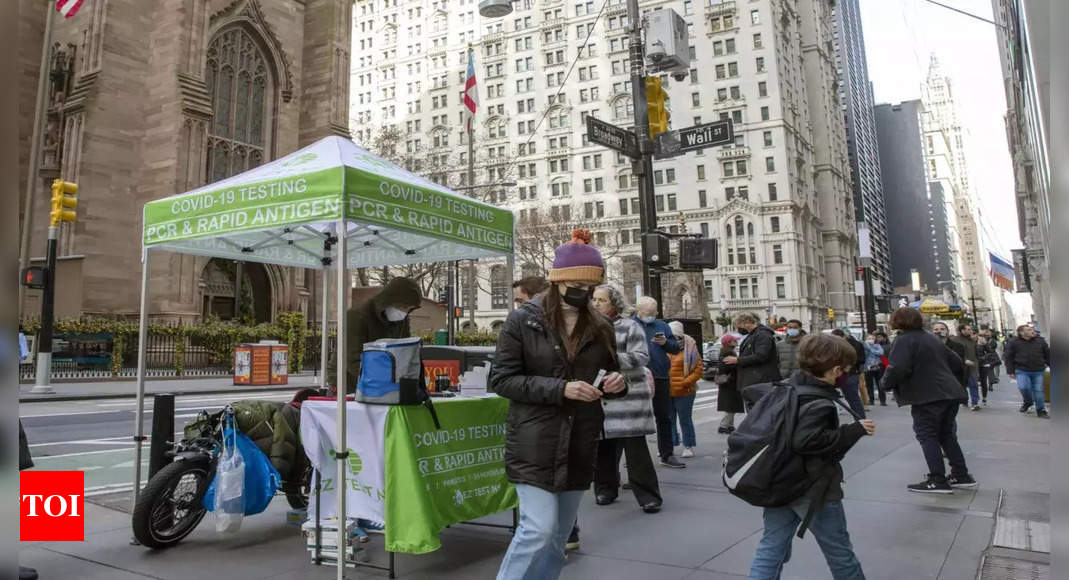
The Omicron variant of COVID-19, which emerged in late 2021, had a significant impact on the travel industry, leading to a surge in travel insurance claims. This surge was primarily driven by travel disruptions, including flight cancellations, quarantine requirements, and border closures, all of which were implemented to curb the spread of the highly transmissible Omicron variant.
Types of Travel Insurance Claims Affected by Omicron, As the omicron wave subsides travel insurance claims crawl
The Omicron wave led to a significant increase in various types of travel insurance claims, including:
- Trip Cancellation and Interruption:Many travelers had to cancel or interrupt their trips due to positive COVID-19 tests, travel restrictions, or quarantine requirements. This resulted in a substantial increase in claims for trip cancellation and interruption coverage.
- Medical Expenses:Travelers who contracted COVID-19 while abroad incurred medical expenses for treatment and hospitalization. This led to a rise in claims for medical expenses, particularly for those who were not adequately covered by their existing health insurance plans.
- Emergency Evacuation:In some cases, travelers were required to evacuate from their destination due to sudden travel restrictions or outbreaks. This resulted in claims for emergency evacuation coverage, which helped cover the cost of repatriation and related expenses.
- Baggage Loss and Delay:Flight disruptions caused by the Omicron wave led to baggage delays and loss, resulting in claims for baggage coverage. This included compensation for lost or damaged luggage and the cost of purchasing essential items.
Ending Remarks: As The Omicron Wave Subsides Travel Insurance Claims Crawl
The omicron wave has undeniably left its mark on the travel insurance landscape. While the initial surge in claims has subsided, the long-term impact on the industry remains to be seen. Travel insurance providers are adapting to the evolving needs of travelers, and the future of travel insurance promises to be shaped by a combination of technological advancements, changing consumer expectations, and the ongoing evolution of the pandemic.
As we move forward, it’s clear that travel insurance will continue to play a vital role in protecting travelers and ensuring peace of mind during their journeys.
As the Omicron wave subsides, travel insurance claims are starting to crawl back to pre-pandemic levels. It’s a welcome sign for the travel industry, but it’s important to remember that the economic impact of the pandemic is still being felt by many businesses.
It’s encouraging to see companies like UPS stepping up to support small businesses, like in their recent initiative to provide $150,000 in grant funds to AAPI-owned businesses. These kinds of programs can make a real difference in helping businesses recover and thrive.
Hopefully, as travel insurance claims continue to decline, we’ll see more initiatives like this to support businesses across all sectors.
As the Omicron wave subsides, travel insurance claims are starting to crawl back to pre-pandemic levels. While the world slowly returns to normalcy, Apple is already looking ahead, apple starts connecting the dots for its next big thing , with rumors swirling about new products and features.
This forward-thinking approach from Apple might just be the inspiration the travel insurance industry needs to get back on its feet.
As the Omicron wave subsides, travel insurance claims are crawling back to normal, but the industry is facing a new challenge: rising hotel prices. Marriott, Hilton, and Hyatt are all reporting increased costs, which they attribute to a combination of factors, including supply chain issues and increased demand.
Read more about why these major hotel chains are citing rising costs as the reason for higher prices. While travelers may be relieved to see travel insurance claims decline, they’ll likely have to dig deeper into their wallets to afford a hotel stay.