Yes, Phones Can Reveal if Someone Gets an Abortion
Yes phones can reveal if someone gets an abortion – Yes, phones can reveal if someone gets an abortion. This unsettling reality raises serious concerns about privacy, security, and the potential for misuse of our personal data. With every app we download and every website we visit, we leave a digital trail that can be analyzed and interpreted in ways we may not anticipate.
This raises questions about the ethical implications of using phone data to infer sensitive health information, particularly when it comes to such a deeply personal and potentially controversial topic.
The ability to glean information about a person’s health status from their phone data is a relatively new development, but it has already sparked heated debates about privacy and the potential for abuse. While the technology is still evolving, it’s clear that we need to consider the potential ramifications of this new reality and take steps to protect ourselves from the potential risks.
The Privacy Implications of Phone Data
Our smartphones have become extensions of ourselves, holding a vast amount of personal information. This data, while often used for convenience and entertainment, raises serious concerns about our privacy. Understanding the types of data collected and how it can be used is crucial to safeguarding our personal information.
Types of Data Collected, Yes phones can reveal if someone gets an abortion
Smartphones collect a wide range of data, including:
- Location data:This includes GPS coordinates, cell tower information, and Wi-Fi network locations, providing a detailed history of our movements.
- Contact information:Phone numbers, emails, and addresses of our contacts are stored on our devices.
- Call logs:A record of incoming and outgoing calls, including timestamps and call durations.
- Text messages:Content of messages, sender and receiver information, and timestamps.
- Browsing history:Websites visited, search queries, and browsing patterns.
- App usage:Data about apps installed, usage frequency, and permissions granted.
- Photos and videos:Images and videos captured and stored on the device.
- Health data:Information collected by health and fitness apps, such as heart rate, sleep patterns, and location data related to exercise routines.
- Personal information:Name, age, gender, and other details provided during app registration or device setup.
This data can be used to create a detailed profile of an individual’s life, including their interests, habits, and even their health status.
Potential for Surveillance and Tracking
The vast amount of data collected by smartphones can be used for surveillance and tracking purposes.
- Government surveillance:Law enforcement agencies can request access to phone data through legal processes, such as warrants.
- Corporate surveillance:Companies can track user behavior through apps, websites, and advertising networks.
- Private surveillance:Individuals can use spyware apps to track the location, calls, and messages of others.
This data can be used to monitor individuals’ movements, communication, and online activities, raising concerns about privacy violations and potential misuse.
Inferring Personal Information
Phone data can be used to infer personal information that was not explicitly collected. For example,
It’s scary to think that our phones, which we use for everything, can now be used to track our personal health choices, including something as private as an abortion. This is a stark reminder of how technology can be used to infringe on our privacy, and it’s why we need to be vigilant about protecting our data.
It’s also a reminder that we need to fight for better conditions for those who are struggling financially, like the PhD students demanding wage increases amid rising cost of living. When people are struggling to make ends meet, they are more vulnerable to exploitation, and their privacy is often the first thing to go.
We need to ensure that everyone has access to affordable healthcare and a living wage, so that they can make their own choices without fear of reprisal.
- Health status:Location data can be used to infer visits to hospitals or clinics, potentially revealing health conditions.
- Financial status:App usage data can indicate the use of financial apps, potentially revealing income levels or spending habits.
- Relationship status:Call logs and contact information can reveal the frequency and duration of communication with specific individuals, potentially indicating relationship status.
This raises concerns about the potential for data to be used for discrimination or profiling based on sensitive personal information.
The Accuracy and Reliability of Data Analysis
The notion that phone data can reveal sensitive information, including abortion, raises concerns about the accuracy and reliability of the data analysis methods employed. It is crucial to critically examine the methodologies used and their potential for bias or errors, particularly when dealing with such sensitive data.
Data Analysis Methods and Their Reliability
The analysis of phone data typically involves a combination of techniques, including:
- Location Tracking:This method analyzes GPS data from smartphones to track user movement and identify patterns associated with specific locations, such as clinics or healthcare facilities.
- App Usage:Data from apps downloaded on smartphones, such as health or pregnancy apps, can be analyzed to identify patterns related to specific health conditions or behaviors.
- Search History:Analyzing search queries related to health topics or medical procedures can provide insights into a user’s health concerns or intentions.
- Social Media Activity:Analyzing social media posts, interactions, and engagement patterns can reveal information about a user’s social networks, interests, and potential health concerns.
While these methods offer valuable insights, their reliability in identifying specific health conditions, particularly abortion, is debatable.
It’s chilling to think that our phones, these devices we carry with us everywhere, can potentially be used to track and expose our most private medical decisions. The fact that data from our phones can be used to determine if someone has had an abortion is a stark reminder of the dangers of unchecked technology and the erosion of privacy in our digital age.
This issue is further complicated by the ongoing debate about free speech on platforms like Twitter, where the “free speech” rhetoric often ignores the real-world consequences of online hate and misinformation. This myth of free speech often shields those who seek to exploit and control our personal information, leaving vulnerable individuals exposed and silenced.
The implications of this reality are profound, especially when it comes to sensitive medical information like abortion, and it’s a reminder that we must be vigilant in protecting our privacy and advocating for responsible technology use.
- Location Tracking Limitations:Location data can be inaccurate due to GPS signal errors or intentional obfuscation. Furthermore, visiting a clinic does not necessarily indicate an abortion; it could be for various other medical reasons.
- App Usage Ambiguity:Data from health or pregnancy apps can be interpreted differently. For example, using a pregnancy app does not automatically imply an intention to terminate a pregnancy.
- Search History Interpretation:Search queries can be ambiguous, and individuals may search for information for various reasons, not necessarily indicating a specific health condition.
- Social Media Data Biases:Social media data can be influenced by personal biases, social desirability, and privacy concerns, making it unreliable for accurate health condition identification.
Potential for Biases and Errors
Several factors can contribute to biases and errors in phone data analysis, particularly when dealing with sensitive information like abortion:
- Data Selection Bias:The data used for analysis may not be representative of the population, leading to biased conclusions. For example, individuals who actively use smartphones and social media may be different from those who do not, introducing bias in the results.
- Algorithm Bias:The algorithms used to analyze phone data can be biased based on the training data they are fed. If the training data contains biases, the algorithm will likely perpetuate those biases in its analysis.
- Privacy Concerns:Individuals may be reluctant to share sensitive information on their smartphones, leading to incomplete or inaccurate data. This can further impact the accuracy of analysis.
Accuracy of Phone Data in Predicting Health Conditions
Several studies have investigated the accuracy of using phone data to predict or identify health conditions. While some studies have shown promising results, others have highlighted limitations and potential for errors.
It’s chilling to think that our phones can potentially reveal personal medical information, like whether someone had an abortion. It’s a stark reminder of the vulnerability we face in a digital age. This raises even more questions about the responsibility of tech companies and the need for stronger privacy laws.
And then there’s the issue of gun control in the US. It’s unsettling to know that Texas gun laws allow 18 year olds to buy AR-15s, the weapons used in the Uvalde shooting , while we’re grappling with the implications of our phones potentially exposing sensitive information.
It’s a complex web of issues, and we need to address them head-on to create a safer and more just society.
- Predicting Diabetes:A study published in the journal “Diabetes Care” found that phone data, including location data and app usage, could be used to predict the development of type 2 diabetes with reasonable accuracy. However, the study acknowledged the need for further research to validate these findings.
- Identifying Depression:Research published in “JAMA Psychiatry” investigated the use of smartphone data to identify individuals at risk for depression. The study found that patterns in smartphone usage, such as decreased physical activity and increased social media use, could be associated with depressive symptoms.
However, the study emphasized the need for caution in interpreting these findings and the importance of considering other factors.
- Predicting Pregnancy:A study published in “Nature Communications” found that phone data, including location data and search history, could be used to predict pregnancy with high accuracy. The study highlighted the potential for using this information to improve healthcare services and support for pregnant women.
However, it also emphasized the importance of privacy and ethical considerations in using this data.
It is important to note that these studies primarily focused on predicting general health conditions and not specifically on identifying abortion. Furthermore, the accuracy and reliability of phone data in predicting or identifying sensitive health conditions like abortion remain under debate.
The Impact on Women’s Rights and Reproductive Health
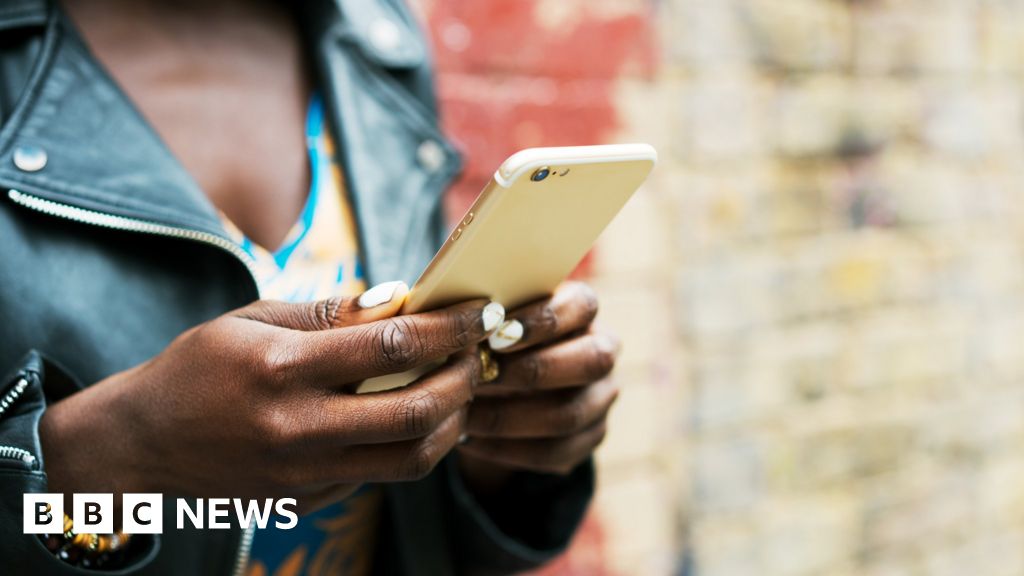
The potential use of phone data to infer abortion status raises serious concerns about the impact on women’s rights and reproductive health. This technology could have far-reaching consequences, potentially affecting women’s access to healthcare, their privacy, and their ability to make autonomous decisions about their bodies.
The Potential for Stigma and Discrimination
The potential for stigma and discrimination against women who seek abortion services is a significant concern. If phone data is used to identify women who have had abortions, this information could be used to discriminate against them in various aspects of their lives.
For example, employers could potentially use this data to deny employment opportunities, insurance companies could deny coverage, or landlords could refuse to rent to women who have had abortions. This type of discrimination could have a chilling effect on women’s access to reproductive healthcare, as they may be afraid to seek care if they fear their privacy will be compromised.
Last Point: Yes Phones Can Reveal If Someone Gets An Abortion
The implications of phone data revealing abortion status are profound and far-reaching. It underscores the need for a comprehensive discussion about data privacy and the ethical use of technology. We must be vigilant in protecting our privacy and demanding transparency from technology companies regarding how they collect and utilize our data.
The future of privacy hinges on our ability to navigate these complex issues and ensure that our personal information is protected, particularly when it comes to sensitive matters like reproductive health.