Analysis: Slavery Was Never an American Economic Engine
Analysis slavery was never an american economic engine – Analysis: Slavery Was Never an American Economic Engine. This statement, though controversial, challenges a deeply ingrained historical narrative. While slavery was a brutal reality in America’s past, the notion that it fueled economic growth is a myth that has been perpetuated for far too long.
This exploration delves into the historical records, economic data, and scholarly research to reveal the true impact of slavery on the American economy, dismantling the myth that it was a driving force.
We’ll examine the economic contributions of enslaved labor, comparing and contrasting them with other sectors of the American economy during the pre-Civil War period. By dissecting the costs of maintaining a slave-based economy and exploring the historical accounts of enslaved people’s contributions, we can gain a more accurate understanding of the complex economic landscape of the time.
The Moral and Ethical Dimensions of Slavery
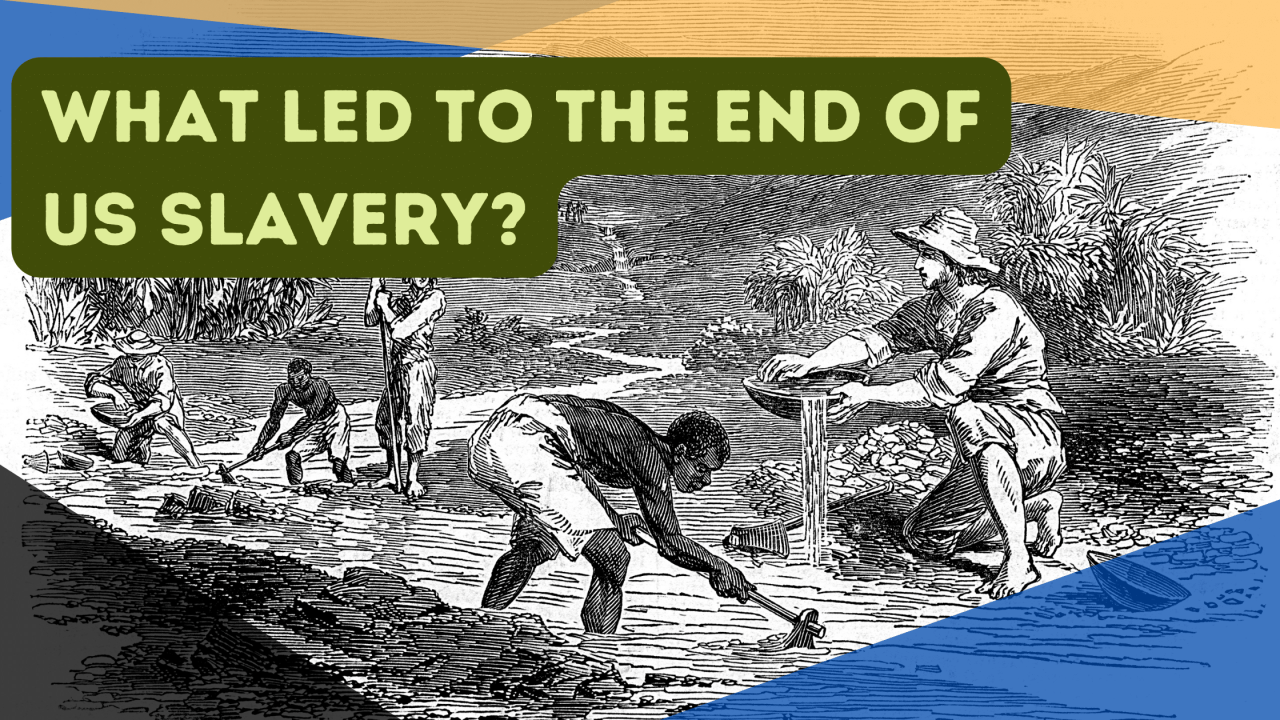
Slavery, a system of forced labor and complete subjugation, stands as a profound moral and ethical stain on human history. Its inherent inhumanity and violation of fundamental human rights are undeniable, leaving an indelible mark on societies and individuals alike.
Beyond its ethical repugnance, slavery also had a detrimental impact on economic growth and development, particularly in the American South.
The Inhumanity of Slavery, Analysis slavery was never an american economic engine
Slavery is a system built on the denial of human dignity and the fundamental rights that every individual deserves. Enslaved people were treated as property, stripped of their autonomy, and subjected to brutal exploitation and violence. They were denied basic freedoms, including the right to education, family life, and personal liberty.
This systematic dehumanization created a culture of fear and oppression that permeated all aspects of enslaved people’s lives.
The Economic Costs of Slavery
While often portrayed as a driving force behind economic growth, slavery ultimately hindered economic development in the South. It stifled innovation by discouraging investment in education, technology, and infrastructure. The lack of opportunity for enslaved people to develop their skills and talents meant that the South lagged behind in industrialization and technological advancement.
Moreover, the dependence on slave labor created a stagnant economy, discouraging the development of a diverse and competitive workforce.
Comparing Free Labor and Slave Labor Systems
The economic benefits of a free labor system far outweigh those of a slave-based system. A free labor system fosters innovation, productivity, and social progress.
| Factor | Free Labor System | Slave Labor System |
|---|---|---|
| Productivity | Higher productivity due to motivation, skill development, and incentives. | Lower productivity due to lack of motivation, limited skills, and forced labor. |
| Innovation | Encourages innovation through investment in education, technology, and research. | Discourages innovation due to lack of investment in education and skills development. |
| Social Progress | Promotes social mobility, equality, and economic opportunity for all. | Perpetuates inequality, social stratification, and limited opportunities. |
“Slavery is not only a moral abomination, but also a significant impediment to economic growth and development.”
Closing Notes: Analysis Slavery Was Never An American Economic Engine
The legacy of slavery continues to shape the American landscape, leaving behind a complex web of racial inequality, economic disparities, and social injustice. While the direct institution of slavery has been abolished, its impact on the American economy and society is undeniable.
This exploration serves as a reminder of the importance of confronting historical narratives and seeking a more accurate understanding of the past. By acknowledging the true costs of slavery and the contributions of enslaved people, we can work towards a more just and equitable future.
The analysis that slavery was never an American economic engine is a complex one, requiring a nuanced understanding of historical context. While some argue that the economic impact of slavery was minimal, others highlight its integral role in shaping the nation’s development.
However, it’s important to consider the broader picture and the fact that no, Sen. Ted Cruz hasn’t posted identical tweets after 12 mass shootings , a fact that speaks to the evolving nature of political discourse and the complexities of navigating sensitive issues like gun violence.
Returning to the analysis of slavery, it’s clear that its impact on American society was far-reaching and continues to be debated today.
It’s fascinating to see how the narrative of slavery as an economic engine is challenged by examining the true cost of forced labor. The recent recall of select peanut butter products by Albanese Confectionery Group Inc. due to a potential health risk highlights how even today, our food system is vulnerable to issues that can have serious consequences.
It’s a stark reminder that the economic cost of neglecting safety and well-being is far greater than any perceived benefits.
It’s fascinating how historical narratives can be so distorted. The analysis that slavery was never an American economic engine is a powerful one, challenging the traditional view. It’s almost like watching Elon Musk’s antics play out on Twitter, twitter remains committed to elon musk deal despite his antics , despite the drama and uncertainty.
Both situations highlight how appearances can be deceiving, and a deeper understanding of the complexities involved is crucial to forming accurate conclusions.