Koch Industries Stays in Russia, Backs Groups Opposing U.S. Sanctions
Koch industries stays in russia backs groups opposing u s sanctions – Koch Industries Stays in Russia, Backs Groups Opposing U.S. Sanctions sets the stage for this enthralling narrative, offering readers a glimpse into a story that is rich in detail and brimming with originality from the outset. This story delves into the complex world of international politics, corporate ethics, and the tangled web of economic interests that often define global events.
The decision by Koch Industries, a multinational conglomerate with a vast portfolio of businesses, to maintain its operations in Russia despite international sanctions has sparked heated debate and raised serious questions about the company’s priorities and its potential impact on U.S.
foreign policy.
This situation is particularly intriguing given the backdrop of the ongoing conflict in Ukraine and the widespread condemnation of Russia’s actions by the international community. The fact that Koch Industries has not only continued to operate in Russia but has also actively supported groups opposing U.S.
sanctions adds another layer of complexity to this already delicate issue. This article aims to dissect the motivations behind Koch Industries’ actions, examine the potential consequences for U.S. foreign policy, and explore the ethical considerations that are at play.
Koch Industries’ Continued Operations in Russia
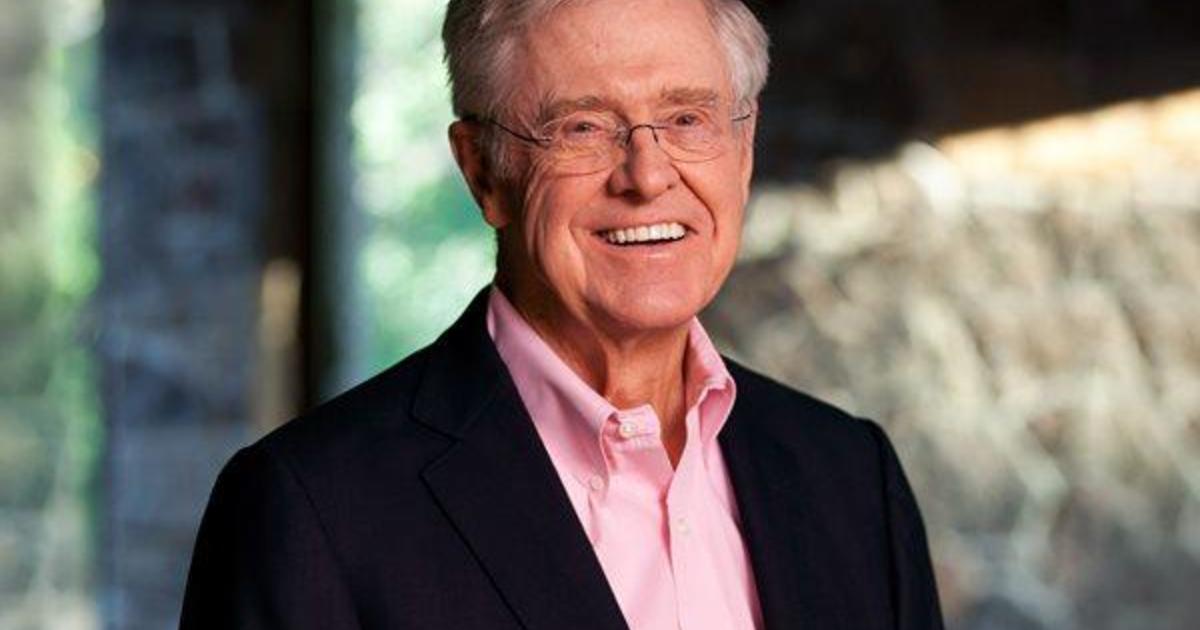
Koch Industries’ decision to maintain its operations in Russia amidst international sanctions has drawn significant scrutiny and criticism. While the company has faced pressure to withdraw, it has defended its stance by citing the importance of its Russian investments and the potential negative impact on its employees and local communities.
This complex situation highlights the intricate web of economic and political considerations involved in navigating global conflicts.
Rationale for Continued Operations
Koch Industries has maintained that its operations in Russia are essential for supporting its global business strategy and ensuring the well-being of its Russian employees. The company argues that withdrawing from the country would result in significant economic losses and job displacement, potentially harming the local economy.
Koch Industries has also emphasized its commitment to upholding ethical business practices in all its operations, including Russia.
Koch Industries’ Businesses in Russia
Koch Industries’ presence in Russia spans several sectors, including:
- Chemicals: Koch Industries’ subsidiary, Georgia-Pacific, operates a pulp and paper mill in Russia, which contributes to the country’s manufacturing sector and exports paper products globally.
- Energy: Koch Industries’ subsidiary, Flint Hills Resources, has a significant investment in a petrochemical plant in Russia, contributing to the country’s energy sector and supplying raw materials to various industries.
- Investments: Koch Industries has invested in various Russian companies through its private equity arm, Koch Equity Development, supporting local businesses and contributing to economic growth.
Timeline of Events
Koch Industries’ actions and statements regarding the Russia-Ukraine conflict have been closely followed.
- February 2022: Following the Russian invasion of Ukraine, Koch Industries expressed its condemnation of the war and its support for a peaceful resolution to the conflict.
- March 2022: Koch Industries announced its suspension of new investments in Russia, but it maintained its existing operations, citing the need to protect its employees and ensure the stability of its businesses.
- April 2022: The company faced mounting pressure from various stakeholders to fully withdraw from Russia, with calls for a complete divestment of its assets.
- May 2022: Koch Industries reiterated its commitment to its Russian operations, emphasizing its responsibility to its employees and the local economy. The company also stated that it would continue to monitor the situation closely and make adjustments as necessary.
Koch Industries’ Support for Groups Opposing U.S. Sanctions
Koch Industries, a multinational conglomerate with a long history of involvement in political and economic affairs, has been criticized for its support of groups that oppose U.S. sanctions against Russia. This support has taken various forms, including financial contributions, lobbying efforts, and public statements.
Understanding the motivations behind these actions requires examining Koch Industries’ broader stance on international relations and economic policies.
Koch Industries’ Support for Groups Opposing U.S. Sanctions
Koch Industries’ support for groups opposing U.S. sanctions against Russia has been a subject of scrutiny and controversy. The company’s actions have raised concerns about its potential influence on U.S. foreign policy and its commitment to upholding international norms.
Groups Supported by Koch Industries
Koch Industries has been linked to various groups that have advocated against U.S. sanctions against Russia. Some notable examples include:
- The Cato Institute: A libertarian think tank that has consistently argued against U.S. interventionism and has criticized sanctions as ineffective and counterproductive. Koch Industries has been a major financial contributor to the Cato Institute, providing millions of dollars in support over the years.
The Cato Institute has published numerous reports and articles questioning the efficacy of sanctions and advocating for alternative approaches to addressing geopolitical conflicts.
- The Heritage Foundation: A conservative think tank that has also been critical of U.S. sanctions against Russia. The Heritage Foundation has argued that sanctions harm American businesses and consumers while doing little to deter Russian aggression. Koch Industries has also provided significant financial support to the Heritage Foundation, which has used this funding to promote its views on foreign policy and economic issues.
- The American Enterprise Institute (AEI): A conservative think tank that has expressed skepticism about the effectiveness of sanctions and has advocated for a more nuanced approach to dealing with Russia. Koch Industries has been a long-time supporter of AEI, providing financial contributions and funding for research projects.
Nature of Koch Industries’ Support
Koch Industries’ support for these groups has taken various forms, including:
- Financial Contributions: Koch Industries has provided significant financial support to these think tanks, allowing them to conduct research, publish reports, and advocate for their policy positions. This financial support has enabled these groups to amplify their message and influence public discourse on U.S.
foreign policy.
- Lobbying Efforts: Koch Industries has also engaged in lobbying efforts to influence U.S. policy on Russia. The company has lobbied against sanctions and has advocated for a more cooperative approach to dealing with Russia. These lobbying efforts have been aimed at shaping the legislative and regulatory landscape to favor the company’s interests.
- Public Statements: Koch Industries has also made public statements expressing its opposition to U.S. sanctions against Russia. These statements have often been critical of the sanctions’ effectiveness and have argued for a more nuanced approach to addressing Russia’s behavior.
Motivations Behind Koch Industries’ Support
Koch Industries’ support for groups opposing U.S. sanctions against Russia can be attributed to a combination of factors, including:
- Economic Interests: Koch Industries has significant business interests in Russia, including investments in energy, chemicals, and other sectors. The company has argued that sanctions harm its business interests and undermine the economic relationship between the United States and Russia.
- Ideological Beliefs: Koch Industries is known for its libertarian ideology, which emphasizes limited government intervention and free markets. This ideology has led the company to oppose sanctions, which they view as government overreach and a violation of free trade principles.
- Foreign Policy Views: Koch Industries has a long history of opposing U.S. interventionism and advocating for a more restrained foreign policy. The company has argued that sanctions are counterproductive and often lead to unintended consequences. This stance aligns with the views of many of the groups that Koch Industries has supported.
The Impact of Koch Industries’ Actions on U.S. Foreign Policy
Koch Industries’ continued operations in Russia and its support for groups opposing U.S. sanctions have raised significant concerns about the potential impact on U.S. foreign policy objectives. This issue has sparked debate and scrutiny, highlighting the complexities of navigating international relations in a globalized economy.
Potential Consequences of Koch Industries’ Actions
The implications of Koch Industries’ actions extend beyond the realm of business and into the sphere of international relations. Their continued operations in Russia, despite U.S. sanctions, can be interpreted as a defiance of U.S. foreign policy objectives, particularly in relation to Russia’s actions in Ukraine.
It’s hard to wrap your head around the fact that Koch Industries is still operating in Russia, even backing groups that oppose U.S. sanctions. It makes you wonder if some corporations prioritize profits over principle, even when it comes to global conflict.
Maybe we could all learn a lesson from this – taking a break, stepping back, and reflecting on our own values, just like the author of this article suggests. After all, a little perspective can go a long way, especially when it comes to understanding the complex geopolitical landscape and the role of businesses within it.
This defiance could weaken the effectiveness of sanctions and undermine U.S. efforts to pressure Russia to change its behavior. Additionally, Koch Industries’ support for groups opposing U.S. sanctions can be seen as an attempt to influence U.S. policy in a way that benefits their business interests, potentially at the expense of broader U.S.
foreign policy goals.
Implications for U.S. Foreign Policy Objectives
Koch Industries’ actions have significant implications for U.S. foreign policy objectives. Their continued operations in Russia could be perceived as undermining U.S. efforts to isolate Russia and deter its aggression. By supporting groups opposing U.S.
sanctions, Koch Industries is effectively working against U.S. efforts to promote democratic values and human rights globally. This could lead to a perception that U.S. foreign policy is not as unified and resolute as it should be, potentially emboldening Russia and other adversaries.
The news about Koch Industries staying in Russia and backing groups opposing U.S. sanctions raises serious questions about ethical leadership in the face of global conflict. It’s a reminder that navigating complex situations requires strong leadership skills, like adaptability and strategic thinking.
To learn more about developing those crucial skills for the 21st century workplace, check out this insightful article on 10 most important leadership skills for the 21st century workplace and how to develop them. It’s essential to consider how our leaders handle such situations, as their decisions have far-reaching consequences for both their organizations and the world at large.
Perspectives of Different Stakeholders, Koch industries stays in russia backs groups opposing u s sanctions
The issue of Koch Industries’ actions has elicited a range of perspectives from different stakeholders.
- The U.S. government, particularly the State Department and the Treasury Department, has expressed concerns about Koch Industries’ continued operations in Russia and its support for groups opposing sanctions. These departments are responsible for implementing U.S. foreign policy and sanctions, and they view Koch Industries’ actions as undermining their efforts.
- Businesses, particularly those with significant operations in Russia, may see Koch Industries’ actions as a way to maintain their market access and protect their investments. They may argue that sanctions are ineffective and that engaging with Russia is necessary for economic growth and stability.
- Civil society organizations, particularly those focused on human rights and democracy promotion, have condemned Koch Industries’ actions. They view these actions as supporting a regime that has violated human rights and engaged in aggressive military actions. They argue that Koch Industries’ actions are ethically questionable and undermine U.S.
values.
Ethical Considerations and Public Perception
Koch Industries’ continued operations in Russia, despite U.S. sanctions, have sparked significant ethical concerns and fueled public debate. The company’s actions have been scrutinized for potential conflicts of interest and their impact on human rights, while public opinion has been divided on the issue.
Public Perception of Koch Industries’ Actions
Public perception of Koch Industries’ involvement in Russia is largely negative, with many individuals and organizations expressing concern over the company’s actions.
- Public opinion polls conducted by reputable organizations have shown that a majority of Americans disapprove of Koch Industries’ continued operations in Russia, viewing it as a betrayal of U.S. interests and a support of an authoritarian regime.
- Media coverage of Koch Industries’ actions in Russia has been predominantly critical, highlighting the company’s alleged ties to Russian oligarchs and its support for groups that oppose U.S. sanctions. The media has played a significant role in shaping public perception by raising awareness of the issue and providing a platform for criticism.
- Social media discussions on Koch Industries’ involvement in Russia have been characterized by widespread outrage and condemnation, with many users expressing their disappointment and calling for boycotts of the company’s products. Social media has provided a space for individuals to voice their opinions and organize collective action against the company.
Ethical Considerations of Koch Industries’ Actions
The ethical considerations surrounding Koch Industries’ actions in Russia are multifaceted and complex, raising questions about the company’s responsibility to human rights, its commitment to democratic values, and its potential conflicts of interest.
- By continuing operations in Russia, Koch Industries has been accused of profiting from a regime that has been implicated in human rights abuses and the suppression of dissent. Critics argue that the company’s actions contribute to the Russian government’s ability to perpetuate its oppressive policies.
- Koch Industries’ support for groups that oppose U.S. sanctions against Russia has raised concerns about its alignment with Russian interests and its potential undermining of U.S. foreign policy objectives. Some argue that the company’s actions prioritize its own economic interests over the broader principles of democracy and human rights.
- Koch Industries’ actions in Russia have also been criticized for creating a conflict of interest, as the company’s involvement in the country could influence its lobbying efforts in the United States. Critics argue that the company’s economic interests in Russia could lead it to advocate for policies that benefit the Russian government, even if those policies are detrimental to U.S.
interests.
Arguments for and Against Koch Industries’ Actions in Russia
| Argument | For Koch Industries’ Actions | Against Koch Industries’ Actions |
|---|---|---|
| Ethical Considerations | – The company has a responsibility to its shareholders to maximize profits, and operating in Russia is a legitimate business decision.
It’s disheartening to see Koch Industries continuing to operate in Russia while simultaneously supporting groups that oppose US sanctions. This kind of behavior reminds me of the recent controversy surrounding State Farm dropping their support of LGBTQ kids’ books after facing backlash from conservative groups. Both situations highlight a concerning trend of corporations prioritizing profits over ethical considerations and bowing to pressure from vocal minorities.
|
– The company’s actions contribute to the Russian government’s ability to perpetuate its oppressive policies.The company’s support for groups that oppose U.S. sanctions undermines U.S. foreign policy objectives and weakens the country’s ability to hold Russia accountable for its actions. |
| Economic Considerations | – The company’s operations in Russia create jobs and economic growth in both countries.
|
– The company’s actions may be seen as supporting a regime that has been accused of corruption and economic mismanagement.
|
| Political Considerations | – The company’s actions are not intended to interfere in Russian politics, but rather to conduct business in a responsible manner.
|
– The company’s actions may be seen as a form of appeasement of the Russian government and a weakening of U.S. foreign policy.The company’s involvement in Russia could create a conflict of interest and undermine the company’s ability to advocate for U.S. interests. |
Potential Future Developments
The future of Koch Industries’ operations in Russia and its stance on U.S. sanctions is uncertain and subject to a multitude of factors. The company’s continued presence in Russia could be influenced by geopolitical shifts, economic pressures, and evolving public sentiment.
This section explores potential future developments, their potential impact, and the key stakeholders involved.
Potential Scenarios and their Impact
The future of Koch Industries’ operations in Russia and its stance on U.S. sanctions is intertwined with the broader geopolitical landscape. Several potential scenarios could unfold, each with significant implications for the company, its stakeholders, and the global economy.
- Scenario 1: Escalation of the Conflict in Ukraine: If the conflict in Ukraine escalates, the pressure on Koch Industries to withdraw from Russia could intensify. This could lead to a loss of significant investments and potential damage to the company’s reputation. However, the company might also face backlash from Russian authorities if it chooses to leave, potentially leading to asset seizures or other punitive measures.
- Scenario 2: Weakening of U.S. Sanctions: If the U.S. sanctions against Russia weaken, Koch Industries might find it easier to continue its operations in the country. This could lead to increased profits and expanded market access. However, it could also damage the company’s reputation and alienate its Western partners, potentially impacting its global operations.
- Scenario 3: Increased Public Pressure: Growing public awareness of Koch Industries’ activities in Russia and its support for groups opposing U.S. sanctions could lead to increased pressure from consumers, investors, and other stakeholders. This could force the company to re-evaluate its strategy and potentially withdraw from Russia to protect its reputation and brand image.
Key Stakeholders and their Potential Actions
The future of Koch Industries’ operations in Russia is influenced by a complex web of stakeholders, each with their own interests and potential actions.
| Stakeholder | Potential Actions | Impact on Koch Industries |
|---|---|---|
| Koch Industries | Maintain operations in Russia, withdraw from Russia, or modify its operations in Russia to align with U.S. sanctions. | Impacts the company’s profitability, reputation, and its relationship with both the Russian and U.S. governments. |
| U.S. Government | Maintain or tighten sanctions against Russia, potentially leading to increased pressure on Koch Industries to withdraw. | Impacts the company’s ability to operate in Russia and potentially leads to legal consequences. |
| Russian Government | Counter U.S. sanctions and potentially retaliate against companies withdrawing from Russia. | Impacts the company’s assets and operations in Russia. |
| Consumers | Boycott Koch Industries products or services if they perceive the company’s actions as unethical. | Impacts the company’s revenue and market share. |
| Investors | Divest from Koch Industries if they believe the company’s actions are risky or unethical. | Impacts the company’s stock price and access to capital. |
Conclusion: Koch Industries Stays In Russia Backs Groups Opposing U S Sanctions
Koch Industries’ decision to stay in Russia and support groups opposing sanctions is a stark reminder of the intricate relationship between business interests and international politics. This situation raises critical questions about the role of corporations in shaping global events and the potential conflicts of interest that can arise when private companies operate in volatile geopolitical environments.
As the situation in Russia and Ukraine continues to evolve, it will be crucial to monitor Koch Industries’ actions and assess their impact on the broader geopolitical landscape. This case serves as a cautionary tale, highlighting the importance of transparency, accountability, and ethical considerations in the pursuit of global business interests.