Analysis: What Genocide Means & Why Its So Hard to Prove
Analysis heres what genocide means and why its so hard to prove – Analysis: What Genocide Means & Why It’s So Hard to Prove – Genocide, a term that evokes images of unimaginable horror and systematic destruction, is a crime that has plagued humanity throughout history. Understanding the true meaning of genocide, however, goes beyond the horrifying acts themselves.
It delves into the complex legal definitions, the challenges of proving intent, and the devastating consequences that ripple through generations. This exploration aims to shed light on the complexities of this crime, highlighting the difficulties in achieving justice and preventing future atrocities.
The United Nations Convention on the Prevention and Punishment of the Crime of Genocide defines genocide as acts committed with intent to destroy, in whole or in part, a national, ethnical, racial, or religious group. This definition encompasses a wide range of acts, including killing, causing serious bodily or mental harm, imposing measures intended to prevent births, and forcibly transferring children.
However, proving intent to destroy a group can be incredibly challenging. Evidence often relies on circumstantial clues and interpretations of actions, making it difficult to establish the deliberate nature of the acts.
The Impact of Genocide
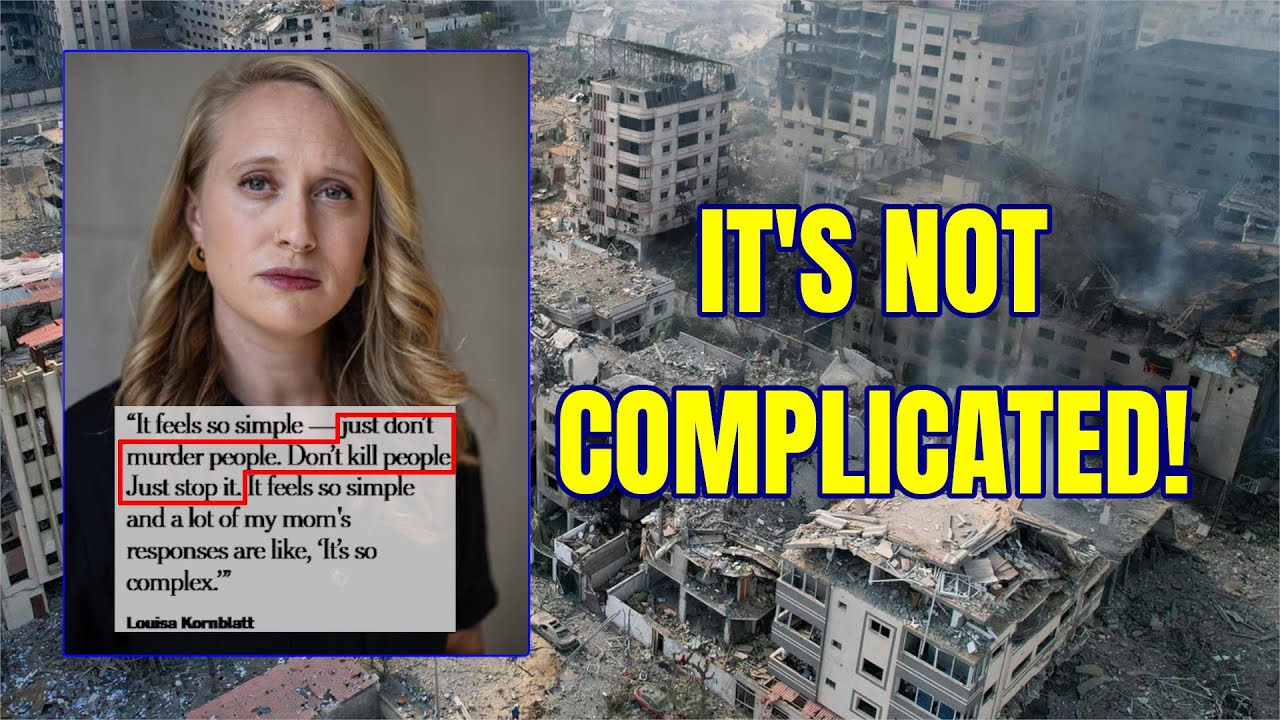
Genocide, a deliberate and systematic attempt to destroy a group of people, leaves an indelible mark on individuals, communities, and societies. Its consequences are profound and far-reaching, shaping the course of history and leaving behind a legacy of pain and trauma.
The Devastating Consequences of Genocide
Genocide inflicts immeasurable suffering on individuals, shattering lives and leaving behind a trail of devastation. The loss of family members, friends, and entire communities creates a profound sense of grief and despair. Survivors often struggle with physical and psychological trauma, including post-traumatic stress disorder, depression, and anxiety.
Genocide also disrupts the social fabric, leading to the breakdown of communities and the erosion of trust. The fear and uncertainty created by genocide can linger for generations, hindering social cohesion and economic development.
Long-Term Effects of Genocide
The long-term effects of genocide are equally devastating. Trauma and displacement become intergenerational, impacting the lives of future generations. Children born after genocide may grow up in a society marked by violence and mistrust, struggling to cope with the legacy of their ancestors’ suffering.
Displacement, forced migration, and the loss of cultural heritage further exacerbate the impact of genocide, leaving behind a sense of dispossession and alienation.
The Role of International Law in Preventing and Punishing Genocide
International law plays a crucial role in preventing and punishing genocide. The 1948 Convention on the Prevention and Punishment of the Crime of Genocide defines genocide and establishes a legal framework for holding perpetrators accountable. The International Criminal Court (ICC) was established in 2002 to prosecute individuals accused of genocide, crimes against humanity, and war crimes.
However, the effectiveness of international law in preventing and punishing genocide remains a complex issue. Challenges include the difficulty of gathering evidence, the political will to prosecute perpetrators, and the lack of universal jurisdiction.
Examples of the Impact of Genocide, Analysis heres what genocide means and why its so hard to prove
The Rwandan genocide of 1994 serves as a stark example of the devastating consequences of genocide. The systematic killing of Tutsi people resulted in the deaths of an estimated 800,000 people. The genocide left behind a legacy of trauma, displacement, and social fragmentation.
The Rwandan government has made significant progress in rebuilding the country, but the scars of the genocide remain visible.
End of Discussion: Analysis Heres What Genocide Means And Why Its So Hard To Prove
The consequences of genocide are far-reaching and devastating, leaving scars on individuals, communities, and entire societies. The trauma inflicted on survivors, the displacement of entire populations, and the social fragmentation that results from these acts can persist for generations.
Recognizing the importance of memory and justice, international law strives to prevent and punish genocide. However, achieving justice for victims remains a complex and ongoing struggle. By understanding the intricacies of genocide, we can work towards a future where such atrocities are prevented and the memory of victims is honored.
Analyzing genocide is a complex and heartbreaking task, demanding a deep understanding of the historical context, the motivations behind the atrocities, and the lasting impact on survivors and communities. It’s crucial to recognize the interconnectedness of events and the subtle ways power dynamics can contribute to the perpetuation of violence.
This is where taking a step back and examining our own cultural perspectives can be helpful, like the article on why Americans struggle to take time off , which highlights the ingrained work ethic that can sometimes blind us to the broader social and historical context of issues like genocide.
Ultimately, by recognizing the complexities of our own cultural biases, we can better understand the historical context and the devastating consequences of genocide.
Defining genocide and proving its occurrence can be a complex and challenging task, requiring careful analysis of historical records, testimonies, and patterns of violence. It’s a process that often involves navigating the murky waters of intent, motive, and the deliberate targeting of specific groups.
This complexity is further highlighted when considering the recent revelations about Ginni Thomas’s embrace of conspiracy theories, as seen in her texts, which reveal a disturbing willingness to accept unfounded narratives and potentially influence political decisions. Such instances underscore the importance of critically evaluating information and understanding how the spread of misinformation can contribute to the erosion of truth and the potential for violence.
Defining genocide and proving its existence is a complex task, requiring meticulous analysis of evidence and intent. It’s a bit like the ongoing debate around vaping and its potential link to COVID-19, where scientific research and public perception often clash.
In the health check newsletter parallels between vaping and covid 19 debates , we see how difficult it is to establish clear cause-and-effect relationships, especially when dealing with complex, multifaceted issues. Similarly, proving genocide often involves piecing together fragmented evidence and discerning intent, making it a challenging but crucial endeavor.