Democratic Super PAC Ad Buy Signals House Battle
A democratic super pacs ad buy shows a widening battle for house control – A Democratic Super PAC’s ad buy shows a widening battle for house control, signaling a heated race for the upcoming midterm elections. This strategic move highlights the growing influence of Super PACs in shaping the political landscape, and their potential to sway voters in key races.
The ad buy is just one example of how these political action committees are utilizing their resources to impact the outcome of the elections.
Super PACs, with their ability to raise and spend unlimited amounts of money, have become a significant force in US elections. Their campaigns often target specific demographics and utilize various media platforms to reach their intended audience. This particular ad buy by a Democratic Super PAC aims to influence voters in key districts, highlighting the importance of House control in the upcoming elections.
The Rise of Super PACs in US Elections
The rise of Super PACs in US elections has dramatically reshaped the political landscape, fueling a surge in campaign spending and raising concerns about the influence of wealthy donors. Super PACs, formally known as “independent expenditure-only committees,” are political committees that can raise unlimited sums of money from corporations, unions, and individuals.
These funds can be used to support or oppose candidates but cannot be directly coordinated with campaigns.The emergence of Super PACs can be traced back to the landmark Supreme Court caseCitizens United v. Federal Election Commission* (2010), which struck down limits on corporate and union spending in political campaigns.
This decision paved the way for the creation of Super PACs, allowing them to spend vast sums of money without restrictions.
Legal Framework Surrounding Super PACs
The legal framework surrounding Super PACs is governed by the Federal Election Campaign Act (FECA) and the Supreme Court’s decisions in
- Citizens United* and
- SpeechNow.org v. FEC* (2010). While Super PACs cannot coordinate with campaigns, they can operate independently to influence elections. They are required to disclose their donors, but they can receive unlimited contributions from individuals, corporations, and labor unions.
Influence of Super PACs on Political Campaigns
Super PACs have had a significant impact on political campaigns, particularly in recent years. They have become major players in election cycles, spending millions of dollars on advertising, polling, and other campaign activities. The influence of Super PACs has been amplified by their ability to raise unlimited funds and operate independently from campaigns.
Prominent Super PACs and their Political Affiliations
Several prominent Super PACs have emerged in recent years, each with its own political affiliation. These include:
- American Crossroads: Founded by Republican strategist Karl Rove, American Crossroads is a conservative Super PAC that has supported Republican candidates in numerous elections.
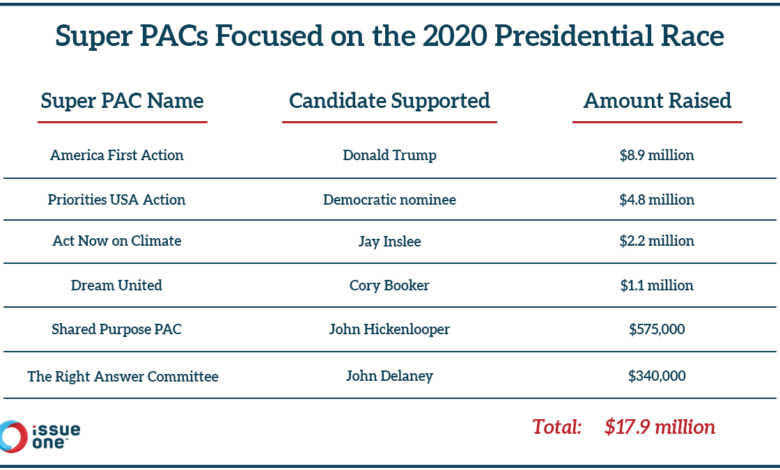
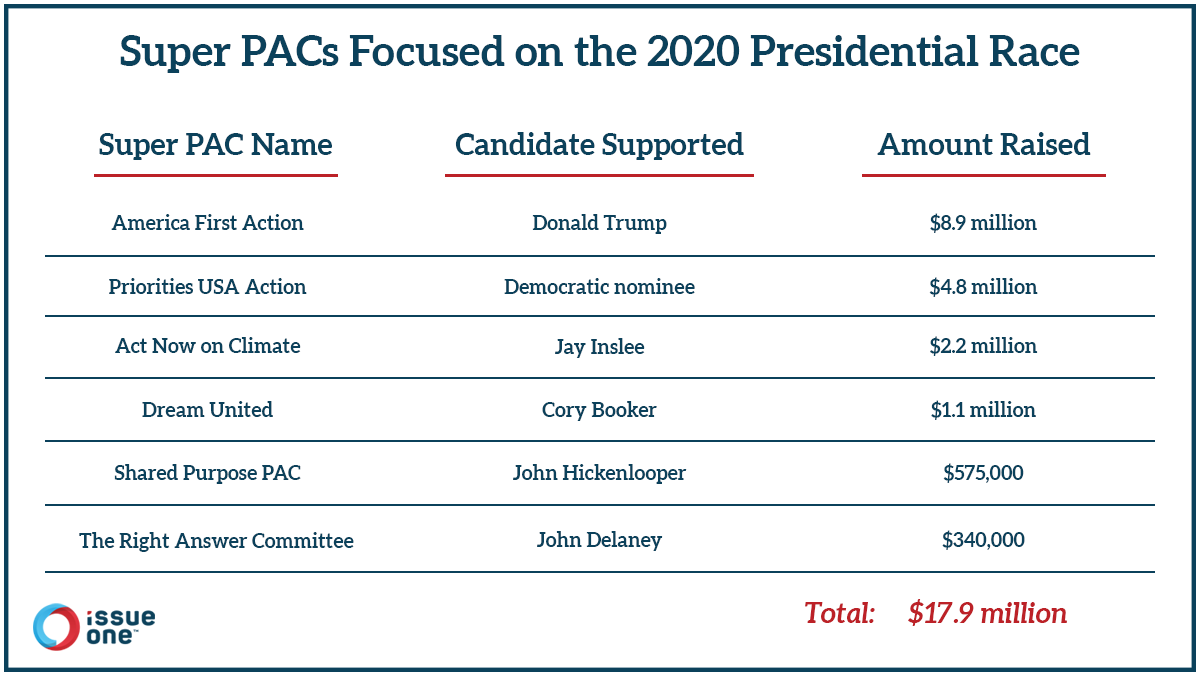
- Priorities USA Action: A liberal Super PAC, Priorities USA Action has been a major force in supporting Democratic candidates, particularly in presidential elections.
- Senate Majority PAC: This Super PAC, affiliated with the Democratic Party, has focused on supporting Democratic candidates in Senate races.
- American Action Network: A conservative Super PAC, American Action Network has been involved in supporting Republican candidates and conservative causes.
These Super PACs have spent millions of dollars on political campaigns, influencing the outcome of numerous elections. Their activities have sparked debates about the role of money in politics and the influence of wealthy donors on the political process.
The Democratic Super PAC Ad Buy
The 2022 midterm elections saw a significant increase in spending by Super PACs, with both Democrats and Republicans vying for control of the House of Representatives. One notable example is the Democratic Super PAC, “House Majority PAC,” which launched a multi-million dollar ad buy targeting key races across the country.
This ad buy serves as a case study in the evolving role of Super PACs in US elections and their potential impact on the political landscape.
The recent ad buy by a Democratic super PAC is a clear indication of the escalating battle for control of the House. This is a fight that has global implications, as evidenced by Bill Browder’s chilling assessment in his article, there is no reasonable way for this to end bill browder on how to stop the war , where he outlines the bleak reality of the current international situation.
The stakes are high, and the outcome of this political contest could have a profound impact on the future of the nation and its place on the world stage.
Target Audience and Message
The House Majority PAC ad buy targeted swing districts with a mix of demographic groups, including suburban voters, independent voters, and those who might be swayed by a compelling message. The ads focused on key issues such as healthcare, the economy, and education, highlighting the Democratic Party’s stance on these topics and contrasting it with the Republican Party’s approach.
The messaging aimed to mobilize Democratic voters while also appealing to undecided voters, particularly those who might be concerned about Republican policies.
Strategic Rationale and Potential Impact
The strategic rationale behind the ad buy was to gain an advantage in key races by flooding the airwaves with pro-Democratic messaging. The goal was to influence voter perceptions and shape the narrative surrounding the elections. By focusing on issues that resonated with a broad audience, the ad buy aimed to sway undecided voters and motivate Democratic voters to turn out on Election Day.
The potential impact of the ad buy could be significant, particularly in close races where even a small shift in voter sentiment could determine the outcome.
Comparison with Republican Super PAC Campaigns
Republican Super PACs, such as the Congressional Leadership Fund, also launched significant ad buys in the 2022 midterms. These campaigns often mirrored the Democratic Super PAC strategy, focusing on key swing districts and targeting specific demographics. However, the messaging often differed, with Republican Super PACs emphasizing issues such as inflation, crime, and border security.
The Republican campaigns aimed to mobilize their base while also appealing to voters who were concerned about these issues.
Media Channels
The House Majority PAC ad buy utilized a variety of media channels to reach its target audience, including television, radio, and digital platforms. The use of multiple channels allowed the Super PAC to tailor its messaging to different demographics and reach voters across a range of media consumption habits.
The ad buy also incorporated data-driven targeting techniques to ensure that the messaging reached the most receptive audiences.
The Battle for House Control: A Democratic Super Pacs Ad Buy Shows A Widening Battle For House Control
The upcoming midterm elections are poised to be a fierce battle for control of the House of Representatives. With the current political climate, economic conditions, and evolving voter demographics, the race is expected to be close, with several factors influencing the outcome.
Key Factors Influencing House Elections
Several key factors will shape the outcome of the House elections. These include:
- Political Climate:The current political climate is highly polarized, with deep divisions between the two major parties. This polarization is likely to drive voter turnout and influence the outcome of the elections.
- Economic Conditions:The state of the economy is always a major factor in elections.
Inflation and the cost of living are key concerns for voters, and the party in power often faces scrutiny on these issues.
- Voter Demographics:The changing demographics of the electorate, particularly the growing number of Hispanic and Asian voters, are also significant factors.
These groups often have different political priorities and may be more likely to vote for one party over another.
The Current State of House Races
The current state of the House races is highly competitive, with both parties vying for control. Republicans currently hold a narrow majority in the House, but Democrats are hoping to regain control.
- Key Races:Several key races will be crucial in determining which party controls the House. These include races in districts that are considered to be competitive or swing districts.
- Incumbent Advantage:Incumbents often have a significant advantage in elections, as they have name recognition, access to resources, and a track record to run on.
However, this advantage may be diminished in a highly polarized political climate.
The Role of Super PACs and Outside Groups
Super PACs and other outside groups are playing an increasingly significant role in shaping the political landscape. These groups can spend unlimited amounts of money on elections, and they often focus their efforts on key races that could determine the outcome of the election.
The recent Democratic super PAC ad buy is a clear sign of the intensifying battle for control of the House of Representatives. This strategy highlights the importance of data-driven marketing in today’s political landscape, much like it does in the business world.
Check out these 3 data driven marketing ideas to boost performance this quarter to see how you can leverage data to reach your target audience. The focus on targeted messaging and strategic ad placements reflects the growing importance of data-driven campaigns in influencing voters, showcasing the widening battle for house control.
- Influence on Public Opinion:Super PACs and other outside groups use their resources to influence public opinion through advertising, voter mobilization, and other tactics.
- Impact on Campaign Finances:The rise of Super PACs has significantly increased the amount of money spent on elections. This has raised concerns about the influence of wealthy donors and corporations on the political process.
Implications of the Ad Buy for the Election
The Democratic Super PAC ad buy is a significant event in the 2024 election cycle. It signals a major investment in the race for control of the House of Representatives, and it is likely to have a substantial impact on the outcome of the election.The ad buy is designed to influence voter sentiment by highlighting key issues and candidates, and by framing the race in a way that is favorable to Democrats.
The ads will target specific voter segments, aiming to mobilize supporters and persuade undecided voters. The ad buy is expected to influence the election in several ways, including shaping public opinion, mobilizing voters, and influencing campaign strategies.
Impact on Voter Sentiment and Electoral Outcomes
The ad buy is expected to have a significant impact on voter sentiment, particularly among undecided voters. The ads will aim to frame the election in a way that is favorable to Democrats, highlighting key issues and candidates, and portraying Republicans in a negative light.
By doing so, the ad buy may sway undecided voters to support Democratic candidates. The ad buy could also have an impact on voter turnout, particularly among Democratic voters. The ads may motivate Democratic voters to turn out and vote, which could increase the chances of Democratic candidates winning their races.
Implications for the Broader Political Landscape and Campaign Finance
The Democratic Super PAC ad buy is a significant development in the ongoing debate about campaign finance. The use of Super PACs, which are allowed to raise and spend unlimited amounts of money, has raised concerns about the influence of wealthy donors on elections.
The Democratic super PAC’s ad buy is a clear sign that the battle for House control is heating up. With so much at stake, it’s crucial to consider the impact of today’s consequential primaries. Three questions about today’s consequential primaries are particularly relevant: Will the results reflect the national mood?
Will they shape the direction of the House races? And will they impact the overall political landscape? The answers to these questions will likely influence the trajectory of the House race, and we’ll be watching closely to see how the ad buy and the primaries play out.
The ad buy is likely to further fuel this debate, as it demonstrates the power of Super PACs to influence elections.The ad buy could also have implications for the broader political landscape. If the ads are successful in influencing voter sentiment and electoral outcomes, it could embolden other Super PACs to invest heavily in future elections.
This could lead to a further increase in the role of money in politics, which could have a significant impact on the political process.
Potential Effects of the Ad Buy on Different Voter Segments
The following table shows the potential effects of the ad buy on different voter segments:| Voter Segment | Potential Effects ||—|—|| Undecided Voters | The ads may sway undecided voters to support Democratic candidates. || Democratic Voters | The ads may motivate Democratic voters to turn out and vote.
|| Republican Voters | The ads may alienate Republican voters and reinforce their opposition to Democratic candidates. || Independent Voters | The ads may have a mixed effect on independent voters, with some being persuaded by the Democratic message and others being turned off by the negative attacks.
|
The Future of Super PACs in US Politics
Super PACs, political action committees that can raise and spend unlimited funds, have become a defining feature of contemporary US elections. Their influence has been both lauded and criticized, leading to ongoing debates about their impact on democracy and the future of campaign finance.
As we look ahead, it is crucial to consider how Super PACs will evolve within the ever-changing landscape of US politics.
The Evolving Role of Super PACs
The future of Super PACs hinges on several key factors, including evolving campaign finance laws, political trends, and public perception.
- Campaign Finance Laws:The Supreme Court’s decision in Citizens United v. Federal Election Commission (2010) paved the way for the rise of Super PACs by striking down limits on corporate and union spending in elections. While subsequent attempts to regulate Super PACs have been met with mixed success, the legal landscape is likely to continue evolving.
Further legal challenges and legislative efforts could potentially reshape the regulatory environment for Super PACs, impacting their funding, transparency, and influence.
- Political Trends:The growing influence of Super PACs is closely intertwined with broader political trends, such as the increasing polarization of the electorate and the rise of political outsider candidates. These trends may further incentivize the use of Super PACs, as they provide a platform for independent political spending and can help candidates bypass traditional party structures.
- Public Perception:Public opinion regarding Super PACs remains divided. While some view them as a threat to democracy, others argue they enhance free speech and provide a counterbalance to traditional party structures. The future of Super PACs will be influenced by how the public perceives their role in elections, which will likely shape future regulations and campaign strategies.
Ethical Considerations, A democratic super pacs ad buy shows a widening battle for house control
The use of Super PACs raises several ethical considerations, including:
- Transparency and Accountability:Concerns about the lack of transparency in Super PAC funding and spending have been raised. Critics argue that the ability of Super PACs to operate independently from candidates makes it difficult to track the source of their funds and hold them accountable for their actions.
- Influence on Democracy:The significant financial resources available to Super PACs raise concerns about their potential to influence elections and policy decisions. Critics argue that Super PACs can drown out the voices of ordinary citizens and tilt the playing field in favor of wealthy donors.
- Political Polarization:Some argue that Super PACs exacerbate political polarization by fueling negative campaigning and divisive rhetoric. This can undermine civil discourse and make it more difficult to reach consensus on important issues.
Potential Trajectory of Super PACs
The future of Super PACs is uncertain but likely to be marked by ongoing debates about their impact on democracy and campaign finance. A potential timeline for the evolution of Super PACs could include:
- Short Term (Next 5 Years):Continued growth and influence of Super PACs in elections, with potential for increased regulation and scrutiny. The 2024 presidential election will likely see a significant role for Super PACs, potentially influencing both the nomination process and the general election campaign.
- Medium Term (Next 10 Years):Potential for significant legal challenges and legislative efforts to regulate Super PACs, potentially leading to greater transparency and accountability. Public opinion and the outcome of future elections could shape the regulatory landscape for Super PACs, influencing their long-term role in US politics.
- Long Term (Beyond 10 Years):The future of Super PACs is contingent on a complex interplay of factors, including legal developments, political trends, and public perception. Super PACs may continue to play a significant role in US elections, but their influence could be moderated by evolving campaign finance laws, increased transparency requirements, and a growing public awareness of their impact on democracy.
Concluding Remarks
The battle for House control is intensifying, with Super PACs playing a crucial role in shaping the political discourse and influencing voters. This particular ad buy, while a single instance, showcases the growing influence of these groups and their ability to amplify their message through targeted campaigns.
As we approach the midterms, it’s crucial to understand the impact of Super PACs and their role in shaping the future of US politics.