We Need a Global Plastics Treaty to Stop an Environmental Disaster
We need a global plastics treaty to stop an environmental disaster. It’s a stark reality we can’t ignore. Plastic pollution is choking our oceans, contaminating our food, and impacting our health. The sheer volume of plastic we produce is staggering, and the majority ends up in landfills or polluting our environment.
This isn’t just an environmental problem; it’s a global crisis that demands immediate action.
The consequences of plastic pollution are far-reaching. Marine life is entangled in plastic debris, ingesting it and suffering from starvation or suffocation. Microplastics, tiny particles of plastic, are finding their way into our food chain, posing unknown risks to human health.
And the plastic waste that ends up in landfills takes hundreds of years to decompose, releasing harmful toxins into the environment.
The Need for a Global Treaty
The plastic pollution crisis demands a global response. While many countries have implemented national and regional measures, these efforts are often fragmented and insufficient to tackle the pervasive nature of the problem. A global plastics treaty is crucial to effectively address the multifaceted challenges posed by plastic pollution.
Limitations of Existing Efforts
National and regional efforts to address plastic pollution have faced several limitations. Many countries lack comprehensive legislation and enforcement mechanisms to regulate plastic production, use, and disposal. Furthermore, international trade and the global supply chain can undermine national efforts by shifting the burden of plastic pollution to other countries.
The lack of coordinated international action has hindered the development of effective solutions and created a patchwork of regulations that are difficult to enforce and often ineffective.
Key Elements of a Global Plastics Treaty
A global plastics treaty should encompass a comprehensive approach to address plastic pollution across its lifecycle. It should include the following key elements:
Production and Consumption Reduction Targets
The treaty should establish ambitious targets for reducing plastic production and consumption. These targets should be based on scientific evidence and consider the specific needs and capacities of different countries.
- The treaty could set targets for reducing virgin plastic production by a certain percentage by a specific year, encouraging a shift towards circular economy models.
- It could also promote the development and adoption of alternative materials and packaging solutions that minimize environmental impact.
Regulations on Plastic Design and Disposal
The treaty should include regulations on the design and disposal of plastic products. These regulations should aim to minimize the environmental harm caused by plastics throughout their lifecycle.
- The treaty could mandate the use of recycled content in plastic products, promoting a circular economy and reducing the reliance on virgin plastic.
- It could also introduce extended producer responsibility schemes, where producers are held accountable for the entire lifecycle of their products, including disposal and recycling.
- The treaty could establish standards for the safe and sustainable disposal of plastics, including regulations on incineration and landfill practices.
Financial Mechanisms for Developing Countries
The treaty should include financial mechanisms to support developing countries in implementing the treaty’s provisions. This support could include:
- Grant funding for capacity building and technology transfer to support sustainable waste management systems.
- Investment in research and development of innovative plastic alternatives and recycling technologies.
Enforcement and Monitoring Mechanisms
The treaty should establish robust enforcement and monitoring mechanisms to ensure compliance. This could include:
- Regular reporting requirements for countries to track progress towards achieving the treaty’s objectives.
- A dedicated secretariat to oversee the implementation of the treaty and provide technical support to countries.
- A mechanism for resolving disputes between countries.
Examples of Successful International Agreements
The success of international agreements such as the Montreal Protocol on Substances that Deplete the Ozone Layer and the Paris Agreement on Climate Change demonstrates the effectiveness of collaborative action in addressing global environmental challenges.
- The Montreal Protocol, by phasing out ozone-depleting substances, has significantly reduced the rate of ozone depletion and is widely considered a success story in international environmental cooperation.
- The Paris Agreement, aiming to limit global warming to well below 2 degrees Celsius, has mobilized global efforts to reduce greenhouse gas emissions and transition towards a low-carbon economy.
These agreements provide valuable lessons for the development of a global plastics treaty. They highlight the importance of:
- Setting ambitious targets and timelines.
- Establishing robust monitoring and enforcement mechanisms.
- Providing financial and technical support to developing countries.
- Engaging all stakeholders, including governments, businesses, and civil society.
Benefits of a Global Plastics Treaty
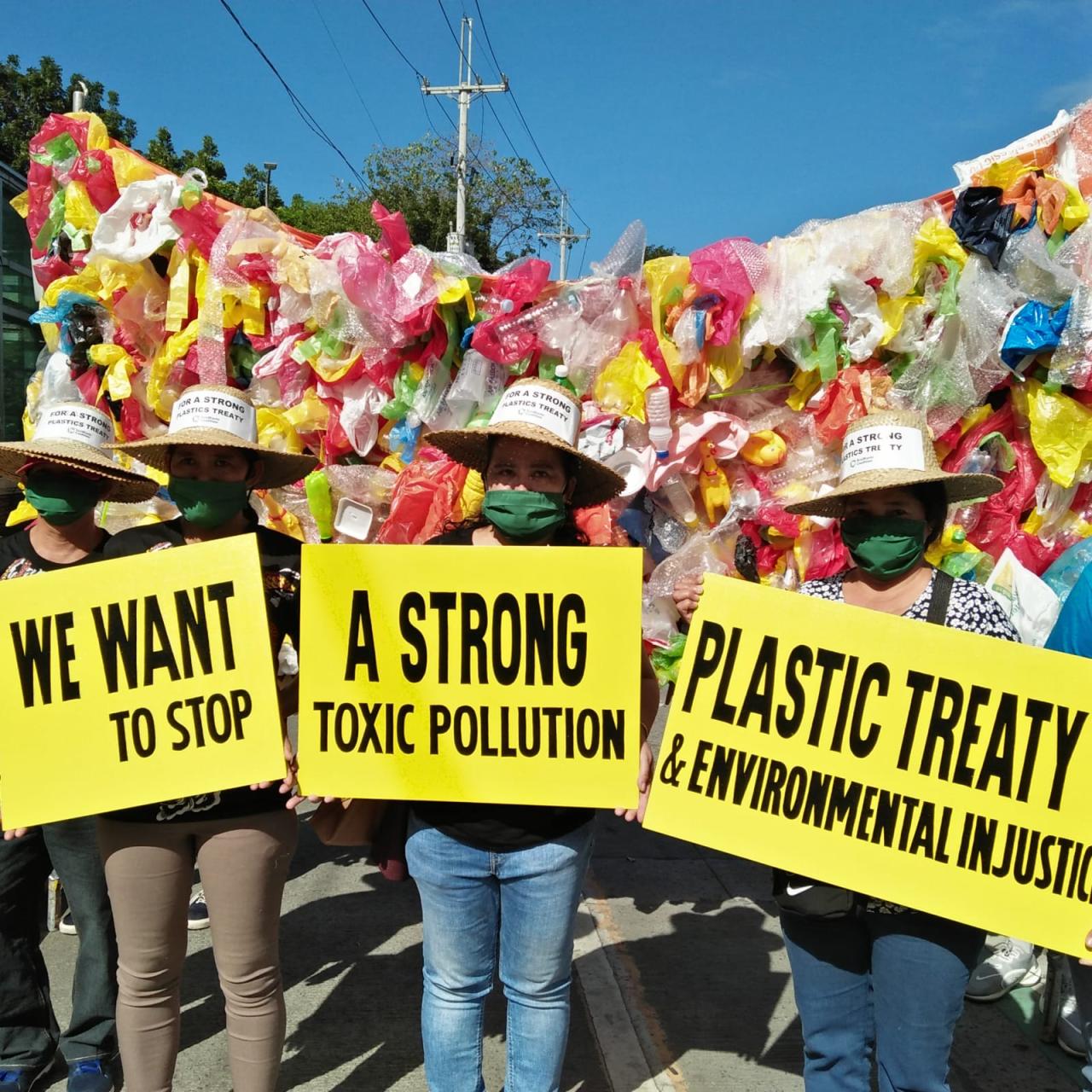
A global plastics treaty can be a powerful tool to address the plastic pollution crisis and create a more sustainable future. It can foster international cooperation, set clear targets, and promote innovative solutions. This treaty can contribute to achieving the Sustainable Development Goals (SDGs) related to the environment, health, and poverty.
Environmental Benefits
A global plastics treaty can help achieve several environmental SDGs, including SDG 14 (Life Below Water) and SDG 15 (Life on Land). By reducing plastic pollution, the treaty can protect marine ecosystems, reduce microplastic contamination, and preserve biodiversity. It can also contribute to SDG 12 (Responsible Consumption and Production) by promoting circular economy principles and reducing the environmental impact of plastic production.
We need a global plastics treaty to stop an environmental disaster. It’s a huge problem, and it’s only going to get worse if we don’t act now. And while we’re on the topic of global issues, have you ever considered the benefits of workplace monogamy?
It’s a concept that’s gaining traction, and for good reason. 3 benefits of workplace monogamy and how to find it can help to create a more focused and productive work environment. Just like focusing on a global plastics treaty, it requires commitment and dedication to achieve the desired results.
But ultimately, tackling both these issues is crucial for a healthier and sustainable future.
Health Benefits
Plastic pollution poses significant health risks to humans and wildlife. A global plastics treaty can contribute to SDG 3 (Good Health and Well-being) by reducing exposure to harmful chemicals in plastics and preventing the spread of diseases associated with plastic waste.
Economic Benefits
The economic benefits of a global plastics treaty are significant. By reducing plastic pollution, the treaty can help reduce waste management costs, improve resource efficiency, and create new economic opportunities.
We need a global plastics treaty to stop an environmental disaster. It’s not just about the oceans; it’s about the air we breathe, the food we eat, and the very fabric of our planet. Just like we need to think outside the box when it comes to addressing the pandemic, as explored in this insightful article its time to think outside the mask mandate , we need innovative solutions to tackle the plastic crisis.
A global treaty can provide the framework for collaboration, investment, and sustainable practices that are essential for a future free from the threat of plastic pollution.
Reduced Waste Management Costs
Plastic pollution is a costly problem for governments and communities. By reducing plastic production and promoting reuse and recycling, a global plastics treaty can help reduce waste management costs, including collection, transportation, and disposal. For example, a study by the World Bank estimated that plastic waste management costs cities around the world $13 billion annually.
Increased Resource Efficiency
Plastic production relies on finite resources, such as oil and gas. By promoting circular economy principles, a global plastics treaty can help improve resource efficiency and reduce reliance on virgin materials. This can lead to cost savings and reduce the environmental impact of plastic production.
Innovation and Job Creation
A global plastics treaty can stimulate innovation and job creation in the circular economy for plastics. By promoting research and development of new technologies, the treaty can create opportunities for businesses to develop innovative solutions for plastic recycling, reuse, and bio-based alternatives.
This can lead to the creation of new jobs in sectors such as waste management, recycling, and bio-plastics production.
Challenges and Considerations: We Need A Global Plastics Treaty To Stop An Environmental Disaster
A global plastics treaty faces significant challenges in negotiation and implementation. These challenges stem from the complex nature of the plastics value chain, the diverse interests of stakeholders, and the need to balance environmental protection with economic development.
Different Approaches to Plastic Management
Different approaches to plastic management, each with its own advantages and disadvantages, exist.
We need a global plastics treaty, not just because of the mountains of plastic choking our oceans, but because the problem is systemic. We need to change how we think about plastic, and that starts with how we communicate about it.
Instead of bombarding people with dire warnings, we need to engage in meaningful conversations, just like the article why your marketing strategy should be about conversations not interruptions argues. Only by fostering dialogue and understanding can we truly build momentum for a sustainable future, one free from the suffocating grip of plastic pollution.
- Bans on specific plastic products, like single-use plastic bags, have been successful in reducing waste and promoting alternatives. However, bans can face resistance from industries and consumers, and may need to be accompanied by viable alternatives.
- Taxes on plastic products can incentivize manufacturers and consumers to reduce plastic consumption. However, taxes can disproportionately impact low-income households and may need to be carefully designed to ensure effectiveness.
- Extended producer responsibility (EPR) programs require manufacturers to take responsibility for the entire life cycle of their products, including collection and recycling. EPR can encourage innovation in product design and improve recycling rates, but can be complex to implement and require robust enforcement mechanisms.
Role of Stakeholders
A global plastics treaty requires the collaboration of various stakeholders, including governments, businesses, and civil society.
- Governments play a crucial role in setting policies, providing financial support, and promoting research and development. They need to establish clear regulations, enforce compliance, and work collaboratively with other nations.
- Businesses, including manufacturers, retailers, and waste management companies, are key actors in reducing plastic pollution. They can adopt sustainable practices, invest in innovative technologies, and participate in collaborative initiatives.
- Civil society organizations, including environmental groups, consumer advocacy groups, and research institutions, play a vital role in raising awareness, advocating for policy changes, and monitoring the implementation of the treaty.
Financing and Implementation
Financing the implementation of a global plastics treaty is a significant challenge. Developing countries may require financial assistance to develop infrastructure and implement policies.
“A global plastics treaty should establish a dedicated fund to support developing countries in their efforts to manage plastics waste.”
The treaty should also include clear mechanisms for monitoring and evaluating progress, as well as mechanisms for adapting to changing circumstances.
The Path Forward
The urgency of addressing the plastic crisis demands a collaborative and decisive approach. A global plastics treaty is the most effective tool to curb plastic pollution and safeguard our planet. To achieve this, a clear and structured path forward is essential, encompassing negotiations, ratification, and implementation.
Key Milestones for a Global Plastics Treaty, We need a global plastics treaty to stop an environmental disaster
A successful global plastics treaty requires a well-defined timeline and a commitment to action from all stakeholders. Here’s a proposed roadmap:
- Negotiations:The first step is to initiate formal negotiations for the treaty. This process should involve a diverse range of stakeholders, including governments, industry representatives, environmental organizations, and scientific experts. The negotiations should aim to establish a comprehensive framework that addresses the full lifecycle of plastics, from production to disposal.
This phase could span two to three years, involving multiple rounds of negotiations and consultations.
- Ratification:Once the treaty text is finalized, it must be ratified by individual countries. This process can vary in duration depending on national legal frameworks and political considerations. However, a target timeframe of one to two years for ratification would be realistic, allowing for sufficient time for domestic processes.
- Implementation:After ratification, the treaty enters into force, and its provisions become legally binding. This stage involves the development of national implementation plans, regulations, and enforcement mechanisms. This phase could take several years, as countries adapt their policies and infrastructure to align with the treaty’s requirements.
Urgency of Action and Consequences of Inaction
The consequences of inaction on plastic pollution are dire and far-reaching. A recent study by the United Nations Environment Programme (UNEP) estimates that plastic production could triple by 2060, leading to a significant increase in plastic waste and pollution.
This will have devastating impacts on marine ecosystems, human health, and climate change.
- Marine Ecosystems:Plastic pollution is already a major threat to marine life, with millions of tons of plastic entering the ocean every year. This debris entangles and suffocates marine animals, while microplastics are ingested by fish and other organisms, entering the food chain and potentially harming human health.
- Human Health:Microplastics have been found in human blood, organs, and even breast milk, raising concerns about potential health risks. The long-term effects of microplastic exposure are still being investigated, but studies suggest potential links to inflammation, hormone disruption, and other health problems.
- Climate Change:Plastic production is a significant contributor to greenhouse gas emissions, exacerbating climate change. The extraction and processing of fossil fuels for plastic production release significant amounts of carbon dioxide into the atmosphere.
Final Summary
A global plastics treaty is a crucial step in tackling this crisis. It’s a chance to regulate production, promote responsible consumption, and invest in sustainable alternatives. It’s not just about cleaning up the mess we’ve made; it’s about creating a future where plastic doesn’t pose a threat to our planet and our well-being.
It’s a call to action for governments, businesses, and individuals to work together to build a more sustainable future, one free from the scourge of plastic pollution.