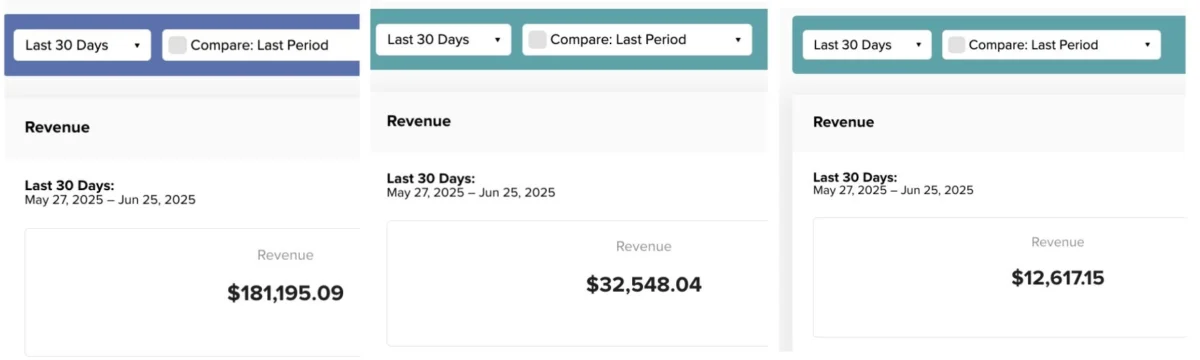
The digital publishing landscape is undergoing a profound structural transformation, driven by creators who are bypassing traditional search engine optimization (SEO) in favor of diversified, multi-channel monetization ecosystems. Over the past 18 months, a growing segment of digital entrepreneurs has demonstrated that high-earning content platforms can thrive independently of search engine algorithm updates. By integrating targeted social media acquisition, automated direct-to-consumer communication, and consolidated affiliate networks, these publishers are generating substantial monthly revenues that rival traditional media companies.
Background Context and the Shift Away from Algorithm Dependence
For over a decade, search engine optimization served as the primary growth engine for independent content sites, blogs, and niche publishers. The formula was straightforward: produce keyword-optimized articles, secure inbound backlinks, and capture organic traffic from major search engines like Google. However, frequent algorithmic shifts, increased competition from artificial intelligence-generated search summaries, and fluctuating referral patterns have introduced significant volatility for publishers relying entirely on search traffic.

This vulnerability exposed the risks of single-channel dependency. In response, seasoned digital publishers have pivoted toward resilient business models. Rather than allowing search engines to dictate their financial stability, these creators have engineered self-sustaining traffic and revenue loops. By decoupling content distribution from organic search, publishers have insulated their businesses from algorithmic penalties while unlocking higher average revenue per user through direct audience engagement.
Chronology of the Modern Publishing Strategy
The development of this non-SEO publishing model evolved through distinct phases of experimentation, testing, and system integration:
- Phase 1: Content Foundation (Months 1–3): Publishers shifted away from high-volume, low-quality content production, focusing instead on authoritative, deeply engaging resources designed to establish niche dominance.
- Phase 2: Audience Capture (Months 4–6): Recognizing that transient web traffic holds little long-term value, publishers implemented aggressive list-building infrastructures, deploying email service providers like Kit to convert anonymous visitors into owned subscribers.
- Phase 3: Revenue Diversification (Months 7–12): Initial monetization layers were established using premium display ad networks such as Mediavine, supplemented by automated, sitewide affiliate solutions like Stay22 to optimize commercial commissions across diverse article categories.
- Phase 4: Social Automation and Scaling (Months 13–18): Advanced acquisition funnels were integrated using social automation platforms like Manychat, connecting short-form platforms such as Instagram and Threads directly to email subscription pipelines to accelerate audience growth.
Supporting Data and Financial Architecture
The financial viability of this multi-tiered approach is evidenced by top-tier publishers generating net incomes exceeding $100,000 per month across multiple domains. This revenue is not derived from a single income stream, but rather from a carefully orchestrated flywheel effect:
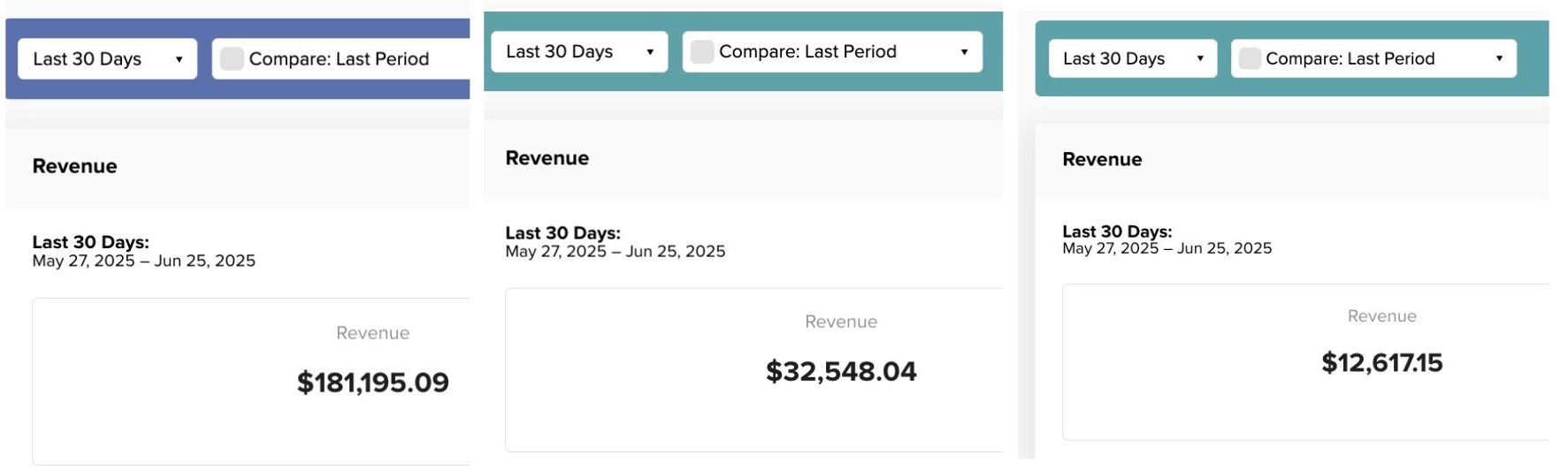
- Display Advertising: High-traffic pages generate passive income through view-based ad networks, capitalizing on every individual page impression.
- Affiliate Optimization: Sitewide affiliate aggregators dynamically route visitor clicks to the highest-paying retail partners, maximizing transactional efficiency without requiring manual link maintenance.
- Newsletter Monetization: Email newsletters operate as dedicated revenue centers, generating consistent income through sponsored placements, curated promotions, and partnerships with monetization platforms like SparkLoop.
- Social Media Funnels: Automated chat tools convert casual social media interactions into subscriber sign-ups, establishing a continuous, low-cost acquisition loop that feeds back into the primary website.
Industry Implications and Expert Perspectives
Digital media analysts note that this publishing evolution reflects broader consumer behavior trends. Users increasingly discover content through curated social feeds, direct newsletter subscriptions, and algorithmic recommendations rather than traditional search queries.
Industry veterans who have successfully navigated this transition emphasize that owned media—specifically email databases—represents the ultimate corporate asset for independent creators. While social media platforms can alter their reach algorithms and search engines can depress referral traffic overnight, an active email subscriber list remains a direct, uninhibited channel of communication between publisher and consumer.
Furthermore, the integration of automation tools has lowered the operational barriers required to maintain complex marketing funnels. Solo entrepreneurs can now execute multi-channel campaigns that previously required dedicated marketing teams.

Broader Market Impact
The success of non-SEO content empires signals a maturing digital economy where diversification is no longer optional. As customer acquisition costs rise across traditional paid channels and organic search becomes increasingly competitive, publishers are forced to build resilient, ecosystem-based assets.
For the broader publishing industry, this shift underscores the necessity of community building and direct audience ownership. Creators who master the balance between valuable content creation, automated acquisition, and diversified monetization are establishing a new benchmark for digital entrepreneurship—one defined by autonomy, financial stability, and long-term asset value.