
14 Favorite Womens History Month Activities
14 of our favorite womens history month activities – 14 Favorite Women’s History Month Activities – March is a time to celebrate the achievements of women throughout history and acknowledge the ongoing fight for equality. It’s a month to reflect, learn, and actively participate in creating a more just and equitable world.
Whether you’re looking to educate yourself, support women-owned businesses, or simply appreciate the women in your life, this month offers countless opportunities to get involved.
We’ve compiled a list of 14 engaging activities to help you make the most of Women’s History Month. From exploring influential women in literature and art to volunteering for a cause that empowers women and girls, there’s something for everyone.
Let’s dive in and discover how we can all contribute to a more inclusive and empowering future.
Inspire the Next Generation
Women’s History Month is a time to celebrate the achievements of women and to inspire the next generation of female leaders. By exposing young girls to strong female role models and mentors, we can empower them to pursue their passions and dreams, regardless of gender.
The Importance of Role Models and Mentors
Role models and mentors play a crucial role in shaping a young girl’s self-belief and aspirations. Seeing women who have achieved success in various fields can ignite a sense of possibility and inspire them to believe that they too can reach their full potential.
Mentors provide guidance, support, and encouragement, helping young girls navigate challenges and develop the skills and confidence needed to succeed.
Stories of Women Who Have Achieved Success
Throughout history, women have made significant contributions to society in all walks of life. From scientists and inventors to artists and entrepreneurs, their stories are a testament to the power of perseverance, innovation, and leadership. Sharing these stories with young girls can inspire them to embrace their own unique talents and pursue their passions.
- Marie Curie, a Polish physicist and chemist, was the first woman to win a Nobel Prize, and the only person to win Nobel Prizes in two different scientific fields. Her groundbreaking research on radioactivity paved the way for advancements in medicine and technology.
- Rosa Parks, an African-American civil rights activist, is best known for her refusal to give up her seat on a bus to a white man in Montgomery, Alabama. Her act of defiance sparked the Montgomery bus boycott, a pivotal moment in the Civil Rights Movement.
- Oprah Winfrey, an American talk show host, actress, producer, and philanthropist, is one of the most influential women in the world. Her journey from poverty to global fame is a powerful example of resilience and determination.
Educational Activities to Encourage Girls to Pursue Their Passions
In addition to sharing stories of successful women, it is important to provide young girls with opportunities to explore their interests and develop their skills. Educational activities can help them discover their passions, build confidence, and develop the skills they need to succeed in their chosen fields.
March is a month dedicated to celebrating the incredible achievements of women throughout history, and we’ve compiled a list of 14 engaging activities to honor their contributions. From visiting historical sites to exploring the works of inspiring female artists, there’s something for everyone.
We also want to take a moment to express our gratitude to the amazing teachers who have guided and inspired us, just like those inspiring women who have shaped our world. Check out our collection of our favorite thank you quotes for teachers to express your appreciation for their dedication.
Back to our Women’s History Month activities, we’re excited to share more tips and resources to help you make the most of this important month.
- STEM workshops: These workshops can introduce girls to science, technology, engineering, and mathematics, fields that have traditionally been dominated by men. By engaging in hands-on activities, girls can develop critical thinking skills, problem-solving abilities, and a passion for STEM.
From museum tours to film screenings, we’ve got 14 of our favorite Women’s History Month activities lined up, each celebrating the incredible contributions women have made throughout history. It’s fascinating to see how the changing demographics, like the decline in illegal immigration discussed in this article illegal immigration is down changing the face of california farms , are impacting various sectors, including agriculture.
But back to our Women’s History Month festivities, we’re excited to learn about the diverse stories and achievements of women, inspiring us all to strive for a more equitable future.
- Mentorship programs: Connecting young girls with successful women in their chosen fields can provide them with valuable guidance and support. Mentors can share their experiences, offer advice, and help girls navigate the challenges of pursuing their dreams.
- Leadership training: Leadership training programs can help girls develop the skills they need to become effective leaders. They can learn about communication, teamwork, decision-making, and other essential leadership qualities.
Reflect on Women’s Rights
The fight for women’s rights is a continuous journey, marked by both progress and persistent challenges. While significant strides have been made in achieving gender equality, women worldwide still face systemic discrimination and barriers that limit their opportunities and freedoms.
This section delves into the ongoing struggle for women’s rights, highlighting current challenges and emphasizing the importance of continued activism and advocacy.
Global Challenges Faced by Women
The fight for women’s rights is a global concern, with women facing diverse challenges across different regions and societies. These challenges are often rooted in deeply ingrained societal norms, cultural practices, and discriminatory laws that limit women’s access to education, healthcare, economic opportunities, and political participation.
- Gender-Based Violence:Violence against women, including domestic violence, sexual assault, and femicide, remains a pervasive problem globally. According to the World Health Organization (WHO), one in three women worldwide has experienced physical or sexual violence in their lifetime.
- Economic Inequality:The gender pay gap persists in many countries, with women earning less than men for the same work. Women are also disproportionately represented in low-paying and precarious jobs, making them more vulnerable to poverty.
- Limited Access to Education:Despite progress in recent decades, girls and women still face significant barriers to education in many parts of the world. This can be attributed to factors such as poverty, cultural norms, and lack of access to safe and supportive learning environments.
- Lack of Political Representation:Women remain underrepresented in political leadership positions globally. According to the Inter-Parliamentary Union (IPU), women hold only 25.5% of seats in national parliaments worldwide.
- Reproductive Rights:Women’s reproductive rights, including access to safe and legal abortion, are often restricted or denied, leading to health risks and limitations on their autonomy.
Importance of Continued Activism and Advocacy, 14 of our favorite womens history month activities
Addressing the ongoing challenges faced by women requires sustained activism and advocacy. By raising awareness, challenging discriminatory practices, and demanding policy changes, individuals and organizations can contribute to creating a more equitable world for all.
- Public Awareness Campaigns:Raising public awareness about the issues facing women is crucial for fostering understanding and support for their rights. This can be achieved through media campaigns, educational programs, and community outreach initiatives.
- Policy Advocacy:Advocating for policy changes that promote gender equality is essential for creating a legal and social framework that supports women’s rights. This includes working with governments, international organizations, and civil society groups to push for legislation that addresses discrimination, violence, and other barriers faced by women.
- Empowering Women:Providing women with access to education, healthcare, and economic opportunities empowers them to participate fully in society and advocate for their own rights. This can be achieved through programs that support women’s entrepreneurship, leadership development, and access to essential services.
From celebrating trailblazing women in STEM to exploring the history of women’s suffrage, we’ve got a jam-packed month of exciting activities planned for Women’s History Month. But hey, sometimes life throws you a curveball, like the time a trash-talking crypto bro caused a 40 billion dollar crash – talk about a market meltdown! You can read all about it here.
But back to our exciting Women’s History Month activities – we’re ready to learn, celebrate, and empower!
- Supporting Women’s Organizations:Supporting women’s organizations that work to advance women’s rights is crucial for strengthening their capacity to advocate for change. This can be done through financial contributions, volunteer work, and partnerships.
Volunteer for a Women’s Cause
Volunteering for a women’s cause is a powerful way to celebrate Women’s History Month and make a tangible difference in the lives of women and girls. By dedicating your time and skills to organizations that champion women’s rights and empowerment, you contribute to creating a more equitable and just society.
Identifying Organizations
Identifying organizations that support women and girls is crucial for effective volunteering. There are numerous organizations working on various fronts, from addressing gender-based violence to promoting women’s economic empowerment.
- Local community centers:These often offer programs and services for women and girls, such as literacy classes, job training, and support groups. Volunteering at a local center allows you to directly connect with the community and contribute to its well-being.
- National and international organizations:Organizations like the United Nations Entity for Gender Equality and the Empowerment of Women (UN Women) and the National Organization for Women (NOW) work on a global scale to advocate for women’s rights and address systemic inequalities.
- Specialized organizations:Many organizations focus on specific issues affecting women, such as reproductive health, education, or economic development. Identifying organizations aligned with your interests and passions allows for a more meaningful and impactful experience.
Impact of Volunteering on Women’s Empowerment
Volunteering for a women’s cause directly impacts women’s empowerment by:
- Providing essential services:Volunteering can help organizations deliver vital services to women and girls, such as legal aid, healthcare, and education. These services can empower women by giving them access to resources and opportunities they might otherwise lack.
- Amplifying voices:Volunteering can involve advocating for women’s rights and raising awareness about issues affecting them. By amplifying their voices and promoting their perspectives, you contribute to creating a more inclusive and equitable society.
- Building capacity:Volunteering can involve supporting organizations in building their capacity to deliver programs and services. This can include administrative tasks, fundraising, or training other volunteers. By strengthening these organizations, you contribute to their long-term sustainability and impact.
Celebrate Women in Your Life
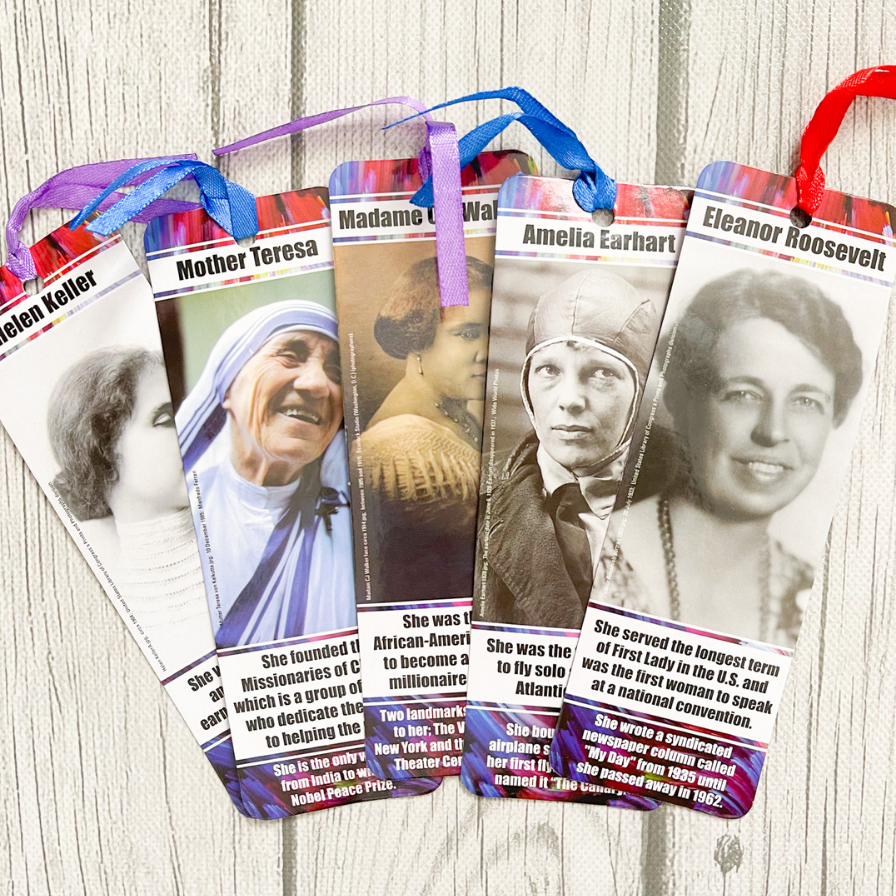
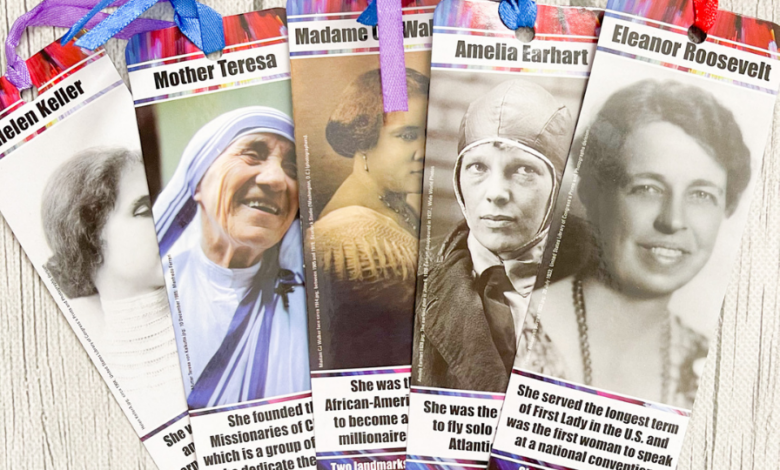
Women have made significant contributions to society throughout history, shaping our world in countless ways. It’s crucial to recognize and celebrate their achievements, not just during Women’s History Month, but throughout the year. Celebrating women in our lives is a powerful way to acknowledge their impact and inspire future generations.
Sharing Inspiring Stories
Sharing stories about women who have inspired us is a wonderful way to honor their achievements and highlight their contributions. These stories can be about individuals we know personally or about historical figures who have made a lasting impact on the world.
- Personal Stories:Share stories about women who have been mentors, role models, or simply inspiring figures in your life. These stories can be about their achievements, their struggles, or their unique qualities that make them remarkable.
- Historical Figures:Research and share stories about influential women throughout history.
These could be scientists, artists, activists, politicians, or any other field where women have made significant contributions. For example, you could share the story of Marie Curie, the first woman to win a Nobel Prize, or Rosa Parks, whose act of defiance sparked the Montgomery bus boycott.
Recognizing and Appreciating Contributions
Recognizing and appreciating women’s contributions is essential for fostering a culture of respect and equality. This can be done through various means, including:
- Public Acknowledgement:Publicly acknowledging the achievements of women in your community or workplace. This could involve giving awards, hosting events, or simply recognizing their contributions in meetings or presentations.
- Supporting Women-Owned Businesses:Patrons can support women-owned businesses by making conscious choices when shopping, dining, or seeking services.
- Mentorship:Mentoring and supporting women in your field or community can provide them with valuable guidance and encouragement.
Creative Expressions of Gratitude
There are many creative ways to express your gratitude and appreciation for the women in your life.
- Personalized Gifts:A thoughtful gift that reflects the recipient’s interests or personality can be a meaningful way to express your appreciation.
- Handwritten Letters:A heartfelt handwritten letter expressing your gratitude and admiration can be a powerful and personal gesture.
- Acts of Service:Offering to help with tasks or chores can be a practical way to show your appreciation.
- Public Recognition:Sharing a positive story or testimonial about a woman’s contributions on social media or in a public forum can be a powerful way to celebrate her achievements.
Epilogue: 14 Of Our Favorite Womens History Month Activities
Women’s History Month is a powerful reminder of the strength, resilience, and contributions of women throughout history. By embracing the activities Artikeld above, we can not only celebrate the past but also actively contribute to a future where women are empowered, valued, and celebrated for their unique voices and achievements.
Let’s make this month a catalyst for positive change and continue to champion the rights and opportunities of all women.