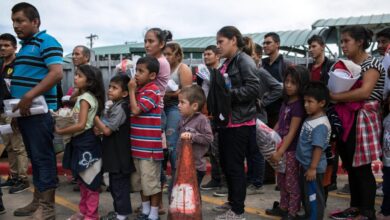
Immigrants Could Help the US Labor Shortage If the Government Would Let Them
Immigrants could help the US labor shortage if the government would let them. The US is facing a severe labor shortage, with industries like manufacturing, healthcare, and hospitality struggling to fill open positions. This shortage is driven by a combination of factors, including an aging workforce, low birth rates, and a decline in labor force participation.
While many Americans are looking for work, the skills and experience of immigrants could be the key to bridging this gap.
Immigrants bring a wealth of skills and experience to the US workforce. They are often highly educated and motivated, and they are willing to take on jobs that many Americans are unwilling to do. For example, immigrants are disproportionately represented in the agricultural, construction, and service sectors, industries that are facing particularly acute labor shortages.
The contributions of immigrants to the US economy are undeniable, and their potential to alleviate the current labor shortage is significant.
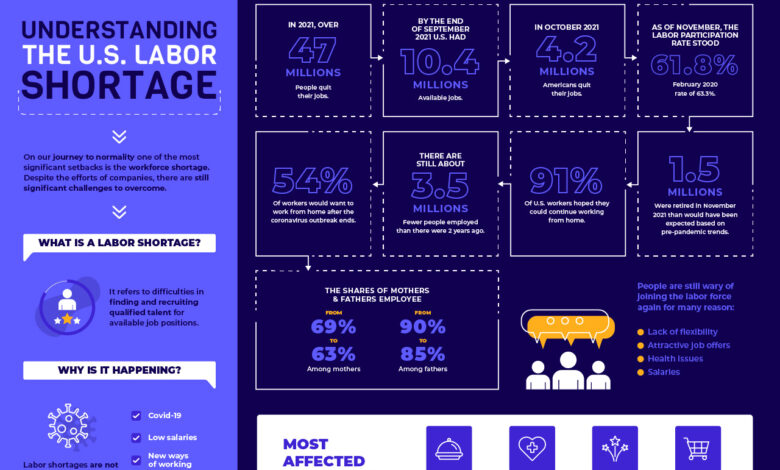
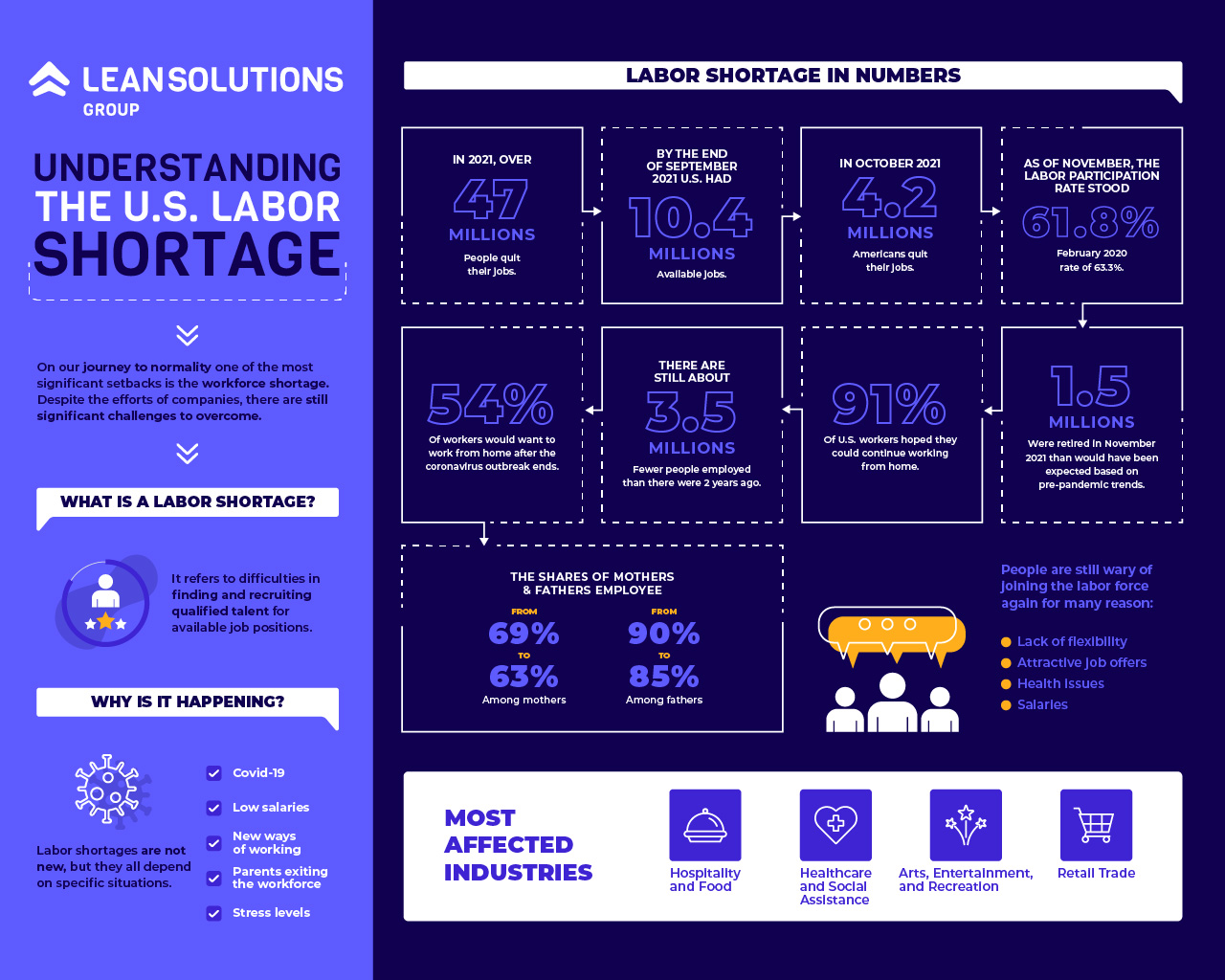
The Current Labor Shortage in the US
The US is currently experiencing a significant labor shortage, impacting various industries and affecting economic growth. This shortage is a complex issue with multiple contributing factors.
Industries Most Affected
The labor shortage is particularly pronounced in certain industries, including:
- Hospitality: The hospitality industry, encompassing hotels, restaurants, and tourism, has been severely impacted by the shortage of workers. This is due to factors such as low wages, unpredictable schedules, and the COVID-19 pandemic’s impact on travel and tourism.
- Healthcare: The healthcare sector faces a shortage of nurses, doctors, and other medical professionals. This is driven by an aging population, increasing demand for healthcare services, and burnout among healthcare workers.
- Construction: The construction industry is grappling with a shortage of skilled labor, including carpenters, electricians, and plumbers. This is attributed to factors like a decline in apprenticeship programs and the aging workforce.
- Transportation and Logistics: The transportation and logistics industry, encompassing trucking, warehousing, and delivery, faces a shortage of drivers and other essential workers. This is driven by factors like long hours, demanding work conditions, and competition from other industries.
Unemployment Rates and Job Openings
The US Bureau of Labor Statistics (BLS) provides valuable data on unemployment rates and job openings.
- Unemployment Rate: As of October 2023, the US unemployment rate stood at 3.7%. While this is relatively low, it does not fully reflect the labor shortage situation, as it only measures those actively seeking employment.
- Job Openings: The BLS reports a high number of job openings in the US, exceeding 10 million in recent months. This indicates a strong demand for workers across various industries.
Factors Contributing to the Labor Shortage
Several factors contribute to the current labor shortage:
- Aging Population: The US is experiencing an aging population, with a growing number of baby boomers reaching retirement age. This reduces the pool of available workers.
- COVID-19 Pandemic: The COVID-19 pandemic significantly impacted the labor market, leading to job losses, business closures, and changes in work patterns. Many workers left the labor force due to health concerns, childcare responsibilities, or early retirement.
- Low Wages: In some industries, wages have not kept pace with inflation, leading to low morale and difficulty attracting and retaining workers.
- Immigration Restrictions: The US has implemented restrictive immigration policies, limiting the influx of foreign workers, particularly in industries facing labor shortages.
- Skill Mismatch: There is a mismatch between the skills employers require and the skills available in the workforce. This is driven by technological advancements and evolving industry demands.
The Potential of Immigrants to Fill the Gap: Immigrants Could Help The Us Labor Shortage If The Government Would Let Them
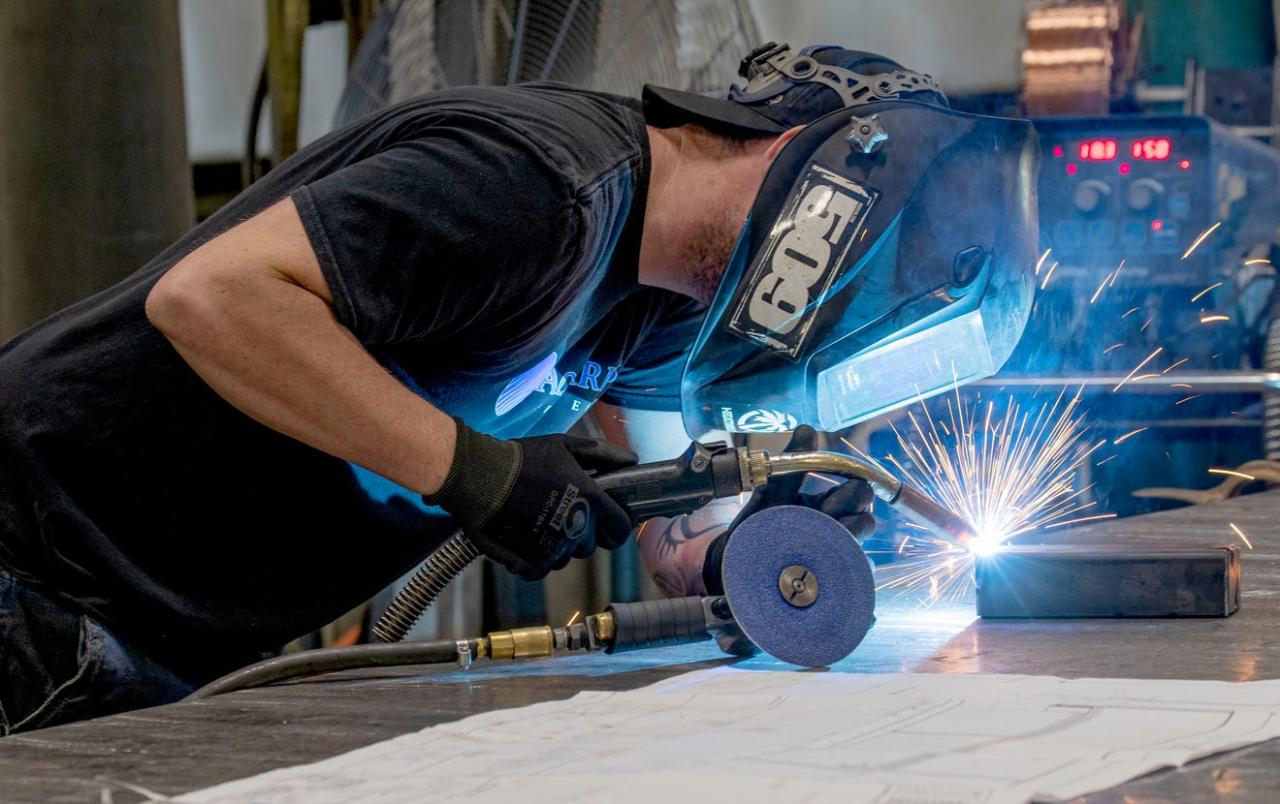
The US labor shortage is a pressing issue, and immigrants have the potential to play a significant role in addressing this challenge. Immigrants often bring a diverse set of skills and experiences that can benefit the US economy.
The Skills and Experience Immigrants Bring
Immigrants often possess a wide range of skills and experiences that are valuable to the US workforce. They are frequently highly educated and skilled in fields where there is a shortage of workers, such as STEM (science, technology, engineering, and mathematics) and healthcare.
It’s frustrating to see the US grapple with a labor shortage while talented individuals from other countries are eager to contribute. The government needs to streamline immigration processes and provide pathways to citizenship, just as Putin’s own propaganda machine backfired spectacularly, leading him to become the victim of his own lies.
Imagine the economic boost if we embraced a more welcoming approach to immigration, fostering a diverse and vibrant workforce.
For instance, many immigrants hold advanced degrees in engineering, medicine, and computer science. They also bring valuable experience from their home countries, which can be applied to various industries in the US.
Examples of Immigrant Contributions
Immigrants have made significant contributions to various industries in the US. For example, in the tech industry, immigrants have been instrumental in the growth and innovation of Silicon Valley. Many of the founders and employees of leading tech companies are immigrants, contributing to the development of groundbreaking technologies and software.
It’s frustrating to see the US grapple with a labor shortage when we have so many talented individuals waiting to contribute. We could easily address this issue by streamlining the immigration process, allowing skilled workers to join our workforce.
It’s a complex issue, but one that’s been thrown into the spotlight recently as how abortion is already animating the senate race in georgia has become a major talking point. This highlights the need for open dialogue and policy changes that prioritize the needs of our nation, including the need for a diverse and robust workforce.
Additionally, immigrants have played a crucial role in the agricultural sector, filling essential roles in farming and food production. Their labor is essential to ensure food security and affordability for the US population.
It’s clear that the US faces a major labor shortage, and a significant portion of the solution lies in welcoming more immigrants. This issue reminds me of the recent election in Northern Ireland, where the outcome was historic, but the UK remains intact, as detailed in this insightful analysis analysis a historic northern ireland election but the u k remains intact.
Just like the UK has weathered political storms, the US can overcome its labor challenges by embracing a more inclusive immigration policy.
The Economic Impact of Immigrant Labor
Immigrant labor has a positive impact on the US economy. Studies have shown that immigrants contribute to economic growth by starting businesses, creating jobs, and paying taxes. They also help to fill labor shortages in various industries, boosting productivity and economic output.
The economic benefits of immigration are evident in sectors such as agriculture, healthcare, and construction, where immigrant labor is particularly crucial.
Government Policies and Immigration
The current US immigration system is complex and multifaceted, with policies that have a significant impact on the country’s labor supply. Understanding the current landscape and potential reforms is crucial for addressing the ongoing labor shortage.
Current Immigration Policies and Their Impact
The US immigration system has undergone several changes over the years, with varying impacts on labor supply. For example, the H-1B visa program, designed for skilled workers, has faced criticism for its limited number of visas and potential for abuse, leading to challenges in attracting and retaining highly skilled foreign workers.
Similarly, the green card backlog for family-based immigration has made it difficult for qualified individuals to permanently reside in the US, further limiting potential contributions to the workforce. These policies, while intended to address specific concerns, have inadvertently created hurdles for skilled and unskilled workers seeking to contribute to the US economy.
Potential Reforms to Immigration Policies
Several reforms have been proposed to address the labor shortage and create a more efficient immigration system. These include:
- Expanding the H-1B visa program: Increasing the cap on H-1B visas would allow more skilled workers to enter the US, filling critical roles in various industries.
- Streamlining the green card process: Reducing the backlog for family-based immigration would enable more qualified individuals to become permanent residents, contributing to the workforce.
- Creating a pathway to citizenship for undocumented immigrants: Providing a legal pathway to citizenship would allow millions of undocumented immigrants, already contributing to the US economy, to work legally and pay taxes, further increasing the labor pool.
- Establishing a new visa category for agricultural workers: Addressing the specific needs of the agricultural industry, which relies heavily on foreign labor, would create a more stable and reliable workforce for this critical sector.
Benefits and Challenges of Increasing Immigration
Increasing immigration to address the labor shortage offers potential benefits, including:
- Increased economic growth: A larger workforce can lead to higher productivity, increased innovation, and economic expansion.
- Lower labor costs: Competition among workers can help keep wages in check, benefiting businesses and consumers.
- Filling critical labor shortages: Immigration can help address specific shortages in industries facing difficulty finding qualified workers.
However, increasing immigration also presents challenges:
- Strain on social services: An influx of immigrants can place additional pressure on public schools, healthcare systems, and other social services.
- Potential for wage suppression: A large influx of low-skilled workers could lead to lower wages for existing workers, particularly in certain sectors.
- Concerns about cultural assimilation: Some argue that increased immigration can lead to cultural clashes and difficulty integrating newcomers into society.
The Role of Businesses in Addressing the Labor Shortage
Businesses play a crucial role in tackling the US labor shortage. They can adapt their practices to attract and retain workers, including immigrant workers who can fill critical gaps in the workforce. By embracing inclusivity and advocating for supportive immigration policies, businesses can contribute to a more robust and diverse economy.
Strategies for Attracting and Retaining Immigrant Workers
Businesses can implement various strategies to attract and retain immigrant workers. These include:
- Offering Competitive Wages and Benefits:Businesses should ensure they offer competitive salaries and benefits packages that are attractive to both domestic and immigrant workers. This includes providing health insurance, retirement plans, and paid time off.
- Providing Language and Cultural Training:Businesses can invest in language and cultural training programs to help immigrant workers integrate into the workplace. This includes offering English language classes and workshops on American work culture.
- Creating Inclusive Work Environments:Fostering a welcoming and inclusive work environment is crucial for attracting and retaining immigrant workers. This involves promoting diversity and inclusion, celebrating cultural differences, and providing support to immigrant employees.
- Simplifying the Hiring Process:Businesses can streamline their hiring processes to make it easier for immigrant workers to apply and be hired. This includes offering online applications, providing clear job descriptions, and offering assistance with immigration paperwork.
- Partnering with Immigration Support Organizations:Businesses can partner with immigration support organizations to connect with potential immigrant workers and provide resources and support. This can include organizations that offer legal assistance, job training, and language services.
Examples of Successful Businesses, Immigrants could help the us labor shortage if the government would let them
Several businesses have successfully recruited and integrated immigrant workers. These businesses have demonstrated that embracing diversity can be a competitive advantage.
- Google:Google is known for its diverse workforce and has actively recruited and supported immigrant employees. The company has implemented programs to assist with immigration paperwork and provides language and cultural training.
- Amazon:Amazon has a large workforce of immigrant workers, particularly in its fulfillment centers. The company has invested in training programs and support services to help immigrant employees succeed.
- Microsoft:Microsoft has a strong commitment to diversity and inclusion. The company has implemented programs to recruit and support immigrant workers, including providing legal assistance and language training.
Advocating for Immigration Reforms
Businesses can play a significant role in advocating for immigration reforms that support their needs.
- Lobbying for Changes in Immigration Laws:Businesses can work with industry associations and other stakeholders to lobby for changes in immigration laws that create a more welcoming environment for immigrant workers. This includes advocating for increased visa quotas, streamlining the immigration process, and providing pathways to citizenship.
- Educating Policymakers:Businesses can educate policymakers about the importance of immigration to the economy and the challenges faced by immigrant workers. This includes sharing data on the contributions of immigrant workers and highlighting the need for supportive policies.
- Supporting Immigration Advocacy Organizations:Businesses can support immigration advocacy organizations that work to promote fair and humane immigration policies. This includes providing financial support and engaging in public advocacy.
Outcome Summary
The potential of immigrants to help address the US labor shortage is undeniable. By creating a more welcoming and accessible immigration system, the US can unlock a valuable source of talent and help to ensure a thriving economy. This requires a shift in perspective, moving away from restrictive policies and embracing the economic and social benefits of immigration.
It’s time for the US to recognize the vital role immigrants play in our economy and society and to create a system that allows them to contribute to their fullest potential.