
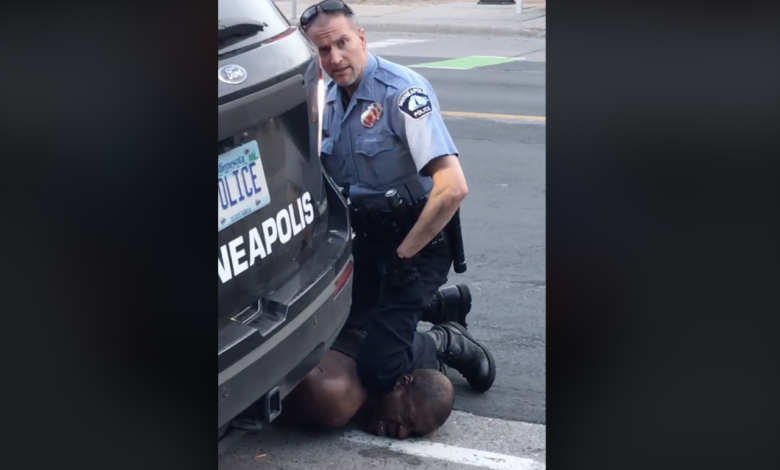
Officer Charged in George Floyd Killing Says He Deferred to Derek Chauvin
Officer charged in George Floyd killing says he deferred to Derek Chauvin, the narrative unfolds in a compelling and distinctive manner, drawing readers into a story that promises to be both engaging and uniquely memorable. The trial of the officer, who was charged with aiding and abetting murder and manslaughter in the death of George Floyd, brought to light the complex dynamics of police accountability and the role of bystander inaction in a tragic situation.
The officer’s testimony, where he claimed to have deferred to his senior officer, Derek Chauvin, during the arrest, ignited further controversy and raised critical questions about the chain of command and the responsibility of individual officers in such situations.
The trial delved into the events leading up to Floyd’s death, scrutinizing the officer’s actions and his communication with Chauvin. The prosecution argued that the officer had a duty to intervene and prevent Chauvin’s excessive use of force, highlighting the officer’s failure to act despite witnessing Chauvin’s actions.
The defense, on the other hand, maintained that the officer relied on Chauvin’s expertise and judgment, believing that Chauvin was acting within the bounds of law enforcement protocol. The trial’s outcome, the officer’s sentence, and the legal arguments presented by both sides offer a profound glimpse into the intricate complexities of police accountability and the ongoing struggle for justice in the face of police brutality.
The Trial and Verdict
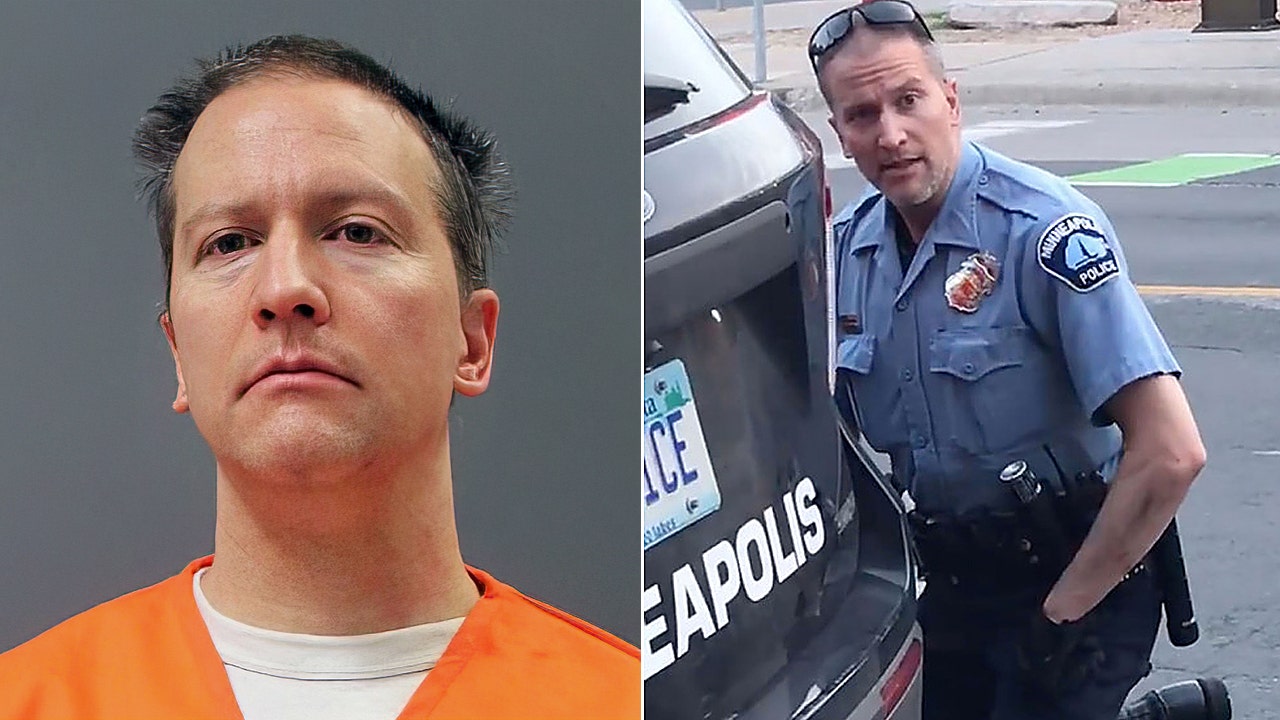
The trial of Tou Thao, J. Alexander Kueng, and Thomas Lane, the three officers who were present during the arrest and death of George Floyd, focused on their actions and inactions during the incident. The trial took place in a Minneapolis courtroom, where the prosecution and defense presented their arguments to a jury.
The Charges Against the Officers
The officers were charged with aiding and abetting second-degree murder and aiding and abetting second-degree manslaughter. The charges stemmed from their roles in the restraint of George Floyd, which ultimately led to his death. The prosecution argued that the officers failed to intervene when Derek Chauvin, the officer who knelt on Floyd’s neck, used excessive force and that their inaction contributed to Floyd’s death.
The Trial Proceedings
The trial began in March 2021 and lasted for several weeks. The prosecution presented evidence, including witness testimony, video footage, and expert opinions, to support their case. The defense argued that the officers acted reasonably and that they were not responsible for Floyd’s death.
They emphasized that Chauvin was the primary actor in the incident and that the other officers were simply following his orders.
The officer charged in George Floyd’s killing, Tou Thao, said he deferred to Derek Chauvin’s judgment, raising questions about accountability and leadership. It’s a stark reminder of how deeply ingrained power dynamics can be, even in the face of blatant injustice.
This echoes the disturbing revelation in McConnell’s recent comments about his “moral red lines” , where he prioritizes party loyalty over ethical conduct. The Thao case underscores how crucial it is to address systemic issues that allow for such deference to authority, even when it leads to tragic consequences.
The Jury’s Verdict
On April 21, 2021, the jury found Tou Thao guilty of aiding and abetting second-degree manslaughter. J. Alexander Kueng was also found guilty of the same charge. Thomas Lane was found guilty of aiding and abetting third-degree murder. The jury’s verdict was a significant development in the case, as it held the officers accountable for their actions during Floyd’s arrest.
Sentencing
The officers were sentenced in June 2021. Tou Thao received a three-year prison sentence, while J. Alexander Kueng received a three-and-a-half-year prison sentence. Thomas Lane received a three-year prison sentence. The sentences were significantly shorter than the potential maximum sentences, but they were still seen as a significant punishment for their involvement in Floyd’s death.
Arguments Presented by the Prosecution and Defense
The prosecution argued that the officers were aware of Floyd’s distress and failed to take any steps to help him. They emphasized that the officers had a duty to intervene and prevent the use of excessive force. The defense, on the other hand, argued that the officers were simply following orders and that they were not responsible for Floyd’s death.
They also argued that the officers were not trained in de-escalation techniques and that they were not equipped to handle the situation.
The officer charged in George Floyd’s killing, Tou Thao, testified that he deferred to Derek Chauvin’s decisions during the arrest, highlighting the complex dynamics of power and authority within law enforcement. It’s a chilling reminder of the potential for abuse, especially when considering the grim outlook on hiring practices in the restaurant industry, as described in this article about an Applebee’s executive’s dark vision of restaurant hiring.
This article suggests that the lack of qualified applicants and the need for low wages may create a similar environment where employees feel pressured to comply with superiors, even if it means overlooking potentially harmful actions.
The Role of Derek Chauvin
The trial of the officer charged in the George Floyd killing brought to light the complex relationship between the officer and Derek Chauvin, highlighting the role of trust, communication, and potential influence in the unfolding of the tragic incident. The officer’s actions, his understanding of Chauvin’s actions, and his communication during the incident are crucial elements in understanding the events leading to Floyd’s death.
Officer’s Actions During the Incident
The officer’s actions during the incident are a crucial aspect of the case. His actions, compared to Chauvin’s, reveal potential areas of responsibility and accountability.
- The officer’s role in restraining Floyd, including the duration of his involvement and the specific actions taken, is a key factor in the investigation.
- The officer’s communication with Chauvin and other officers during the incident is crucial in understanding the chain of events and potential decision-making processes.
- The officer’s observations of Chauvin’s actions and any concerns raised during the incident are essential in understanding the officer’s awareness of the potential risks and dangers associated with Chauvin’s actions.
Officer’s Statements Regarding Chauvin’s Actions
The officer’s statements regarding his understanding of Chauvin’s actions and their potential impact on the situation are crucial for understanding the officer’s perspective and potential accountability.
- The officer’s understanding of Chauvin’s training and experience, and whether he believed Chauvin was acting within the bounds of acceptable police procedures, is essential for evaluating the officer’s awareness and potential culpability.
- The officer’s statements regarding any concerns he had about Chauvin’s actions and whether he took steps to address those concerns, including reporting them to superiors or intervening directly, are crucial in understanding the officer’s potential responsibility.
- The officer’s explanation of his own actions and decisions in the context of Chauvin’s actions, and whether he felt pressured or influenced by Chauvin’s actions, is important for understanding the dynamics of the situation and the officer’s potential culpability.
Legal and Ethical Considerations: Officer Charged In George Floyd Killing Says He Deferred To Derek Chauvin
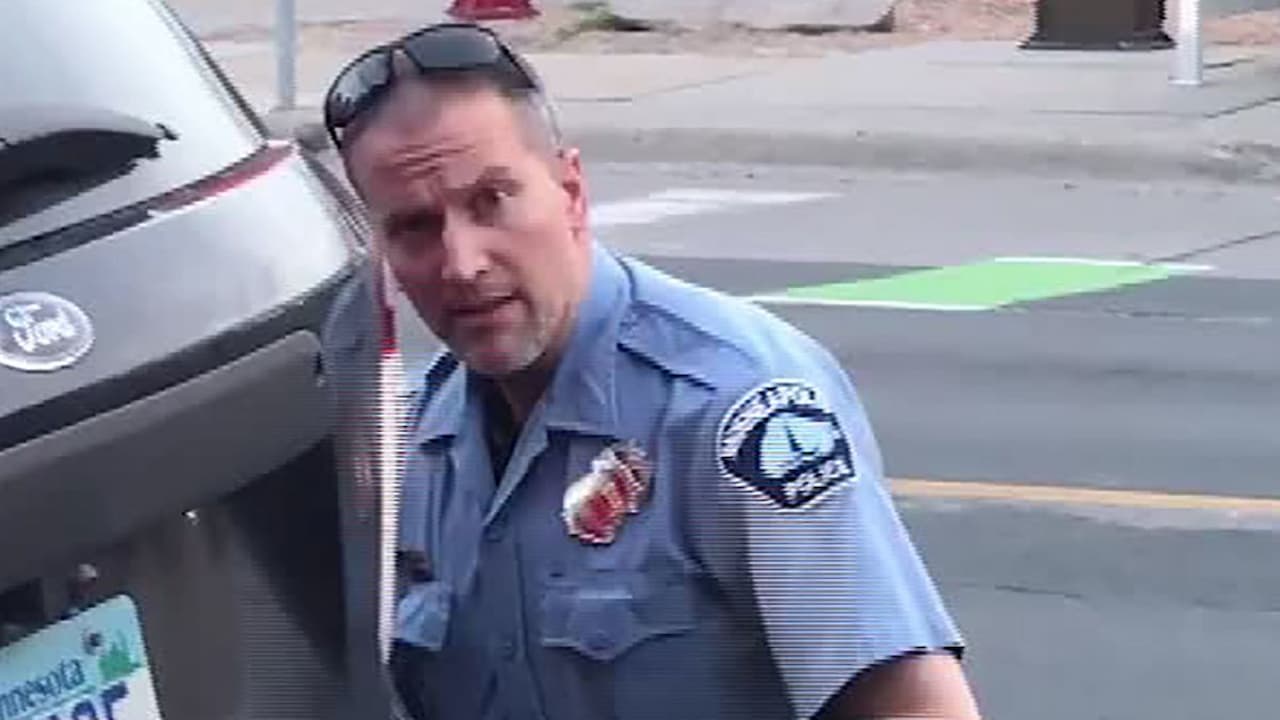
The trial of the officer charged in the George Floyd killing raised crucial questions about the legal framework surrounding police use of force and the ethical implications of their actions. This case, along with numerous others, has sparked a national conversation about police accountability and the need for reform.
The Legal Framework of Police Use of Force
The legal framework governing police use of force is complex and varies across jurisdictions. Generally, officers are authorized to use force when necessary to protect themselves or others from harm. However, the use of force must be reasonable and proportionate to the threat posed.
The legal standard for determining whether force was reasonable is often referred to as the “objective reasonableness” standard, which considers the totality of the circumstances, including the severity of the crime, the threat posed by the suspect, and the officer’s perception of the situation.
“The use of force must be reasonable and proportionate to the threat posed.”
Ethical Implications of the Officer’s Actions
The actions of the officer in the George Floyd case raised serious ethical concerns. The officer’s use of force, which resulted in Floyd’s death, was widely condemned as excessive and unnecessary. This case highlighted the potential for police officers to abuse their power and the importance of holding them accountable for their actions.
The officer’s actions also had a profound impact on public trust in law enforcement, leading to widespread protests and calls for police reform.
Similar Cases and Legal Outcomes, Officer charged in george floyd killing says he deferred to derek chauvin
The George Floyd case is not an isolated incident. Numerous other cases have involved police use of force that has been deemed excessive or unjustified. These cases have often resulted in legal challenges, investigations, and criminal charges against the officers involved.
The news about the officer charged in George Floyd’s killing saying he deferred to Derek Chauvin is heavy stuff. It’s hard to process, and sometimes I need a little levity to help me cope. That’s where Jenny Slate and Ben Schwartz talking about seltzer, Sonic 2, and more comes in.
Their lighthearted banter and shared sense of humor always manage to lift my spirits, even amidst the weight of the world. It reminds me that even in the darkest times, there’s still room for laughter and connection.
- In the case of Eric Garner, a New York City man who died after being placed in a chokehold by police, the officer involved was not charged with a crime. However, the city settled a civil lawsuit with Garner’s family for $5.9 million.
- In the case of Breonna Taylor, a Louisville woman who was shot and killed by police during a raid on her home, the officer who fired the fatal shot was charged with wanton endangerment for firing shots into Taylor’s neighbor’s apartment.
The other officers involved were not charged with any crimes.
The legal outcomes of these cases have varied, reflecting the complexities of the legal system and the challenges of holding police officers accountable for their actions.
The Officer’s Perspective
The trial of the officer charged in the George Floyd killing revealed a complex and deeply troubling set of circumstances. The officer’s testimony, along with other evidence, provided insights into his motivations, understanding of the incident, and perception of the situation.
The Officer’s Understanding of the Incident
The officer’s testimony centered around his understanding of the situation as a law enforcement officer. He stated that he believed Floyd was resisting arrest and posed a threat to officers. He also emphasized the importance of maintaining control of the situation and ensuring the safety of all involved.
“I was trying to control the situation, to ensure the safety of everyone involved, including Mr. Floyd.”
The officer’s perception of the situation was heavily influenced by his training and experience as a police officer. He emphasized the need to use force when necessary to subdue a suspect, especially when they are resisting arrest.
The Officer’s Motivations and Reasoning
The officer’s motivations for his actions were rooted in his training, experience, and the specific circumstances of the encounter. He stated that he was following protocol and using the appropriate level of force to control Floyd, who he believed was resisting arrest.
“I was following my training and using the appropriate level of force to control the situation.”
The officer’s reasoning for his actions was based on his assessment of the situation, his perception of Floyd’s behavior, and his training as a police officer. He believed that Floyd was resisting arrest and posed a threat to officers, which justified the use of force.
A Narrative from the Officer’s Perspective
From the officer’s perspective, the incident unfolded as follows: * He responded to a call regarding a possible counterfeit bill.
- Upon arriving at the scene, he encountered Floyd, who was allegedly resisting arrest.
- He attempted to control Floyd, using force when necessary.
- He maintained that his actions were justified and that he was following protocol.
The officer’s perspective highlights the complex and often subjective nature of law enforcement encounters. His training, experience, and perception of the situation all played a role in shaping his actions and understanding of the incident.
Conclusive Thoughts
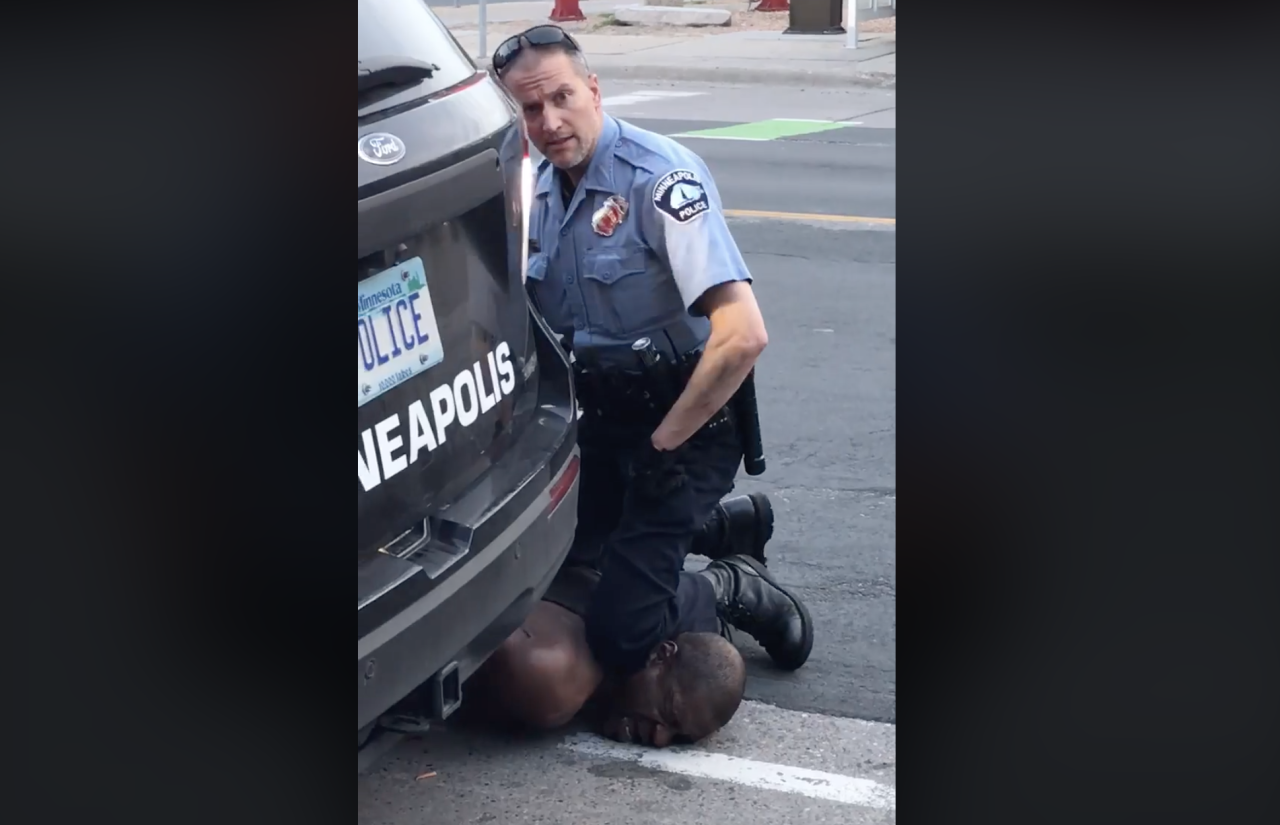
The trial of the officer charged in George Floyd’s death serves as a stark reminder of the urgent need for systemic reform within law enforcement. It underscores the importance of holding officers accountable for their actions, regardless of their rank or perceived authority.
The case highlights the need for clear guidelines and training on de-escalation techniques, emphasizing the responsibility of all officers to intervene when witnessing excessive force. It also raises crucial questions about the role of bystanders and the ethical obligations of individuals to act when faced with injustice.
Ultimately, the trial’s impact extends beyond the legal proceedings, prompting a national conversation about police accountability, racial injustice, and the pursuit of justice in the face of tragedy.