Russia Expels US Deputy Chief of Mission in Moscow
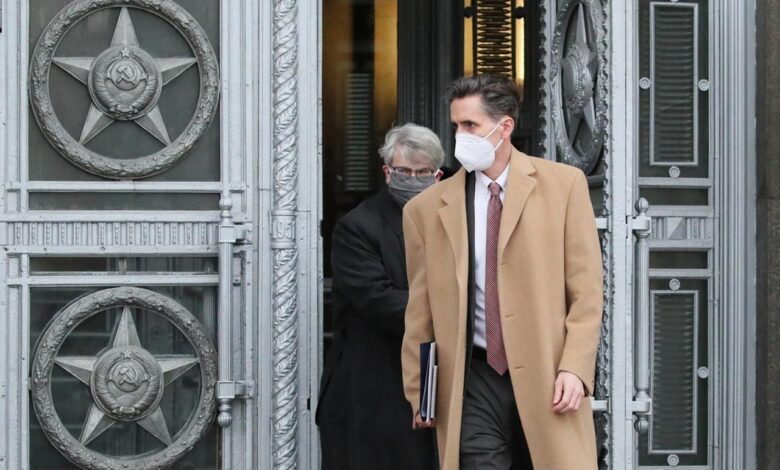
Russia expels u s deputy chief of mission in moscow – Russia Expels US Deputy Chief of Mission in Moscow, escalating tensions between the two superpowers. This dramatic move, a significant escalation in the already strained relationship, sends shockwaves through the international community. The expulsion, a direct response to alleged US actions, raises questions about the future of diplomatic relations and the potential for further conflict.
The incident highlights the deep-seated mistrust and animosity between Russia and the US, fueled by a series of events including the ongoing war in Ukraine, accusations of interference in each other’s internal affairs, and the ongoing arms race. The expulsion serves as a stark reminder of the fragile nature of diplomatic relations in the 21st century, where even seemingly minor incidents can quickly spiral into major international crises.
Background of the Event
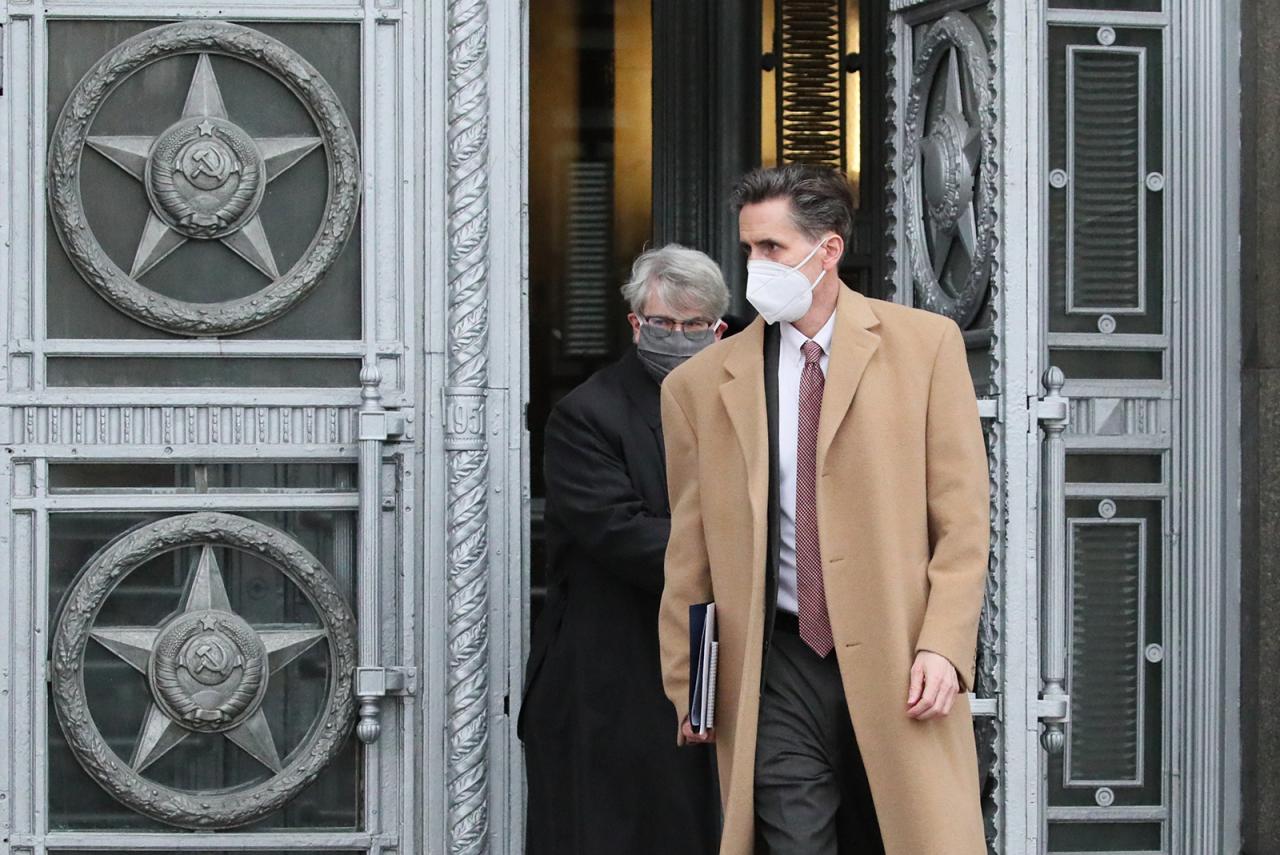
The expulsion of the US deputy chief of mission in Moscow is the latest development in the increasingly strained relationship between Russia and the United States. This event reflects a long history of diplomatic tensions and mistrust, marked by periods of cooperation and conflict.
Historical Context of US-Russia Relations
The relationship between Russia and the US has been characterized by both cooperation and conflict throughout history. Following World War II, the two countries emerged as superpowers, leading to the Cold War era. This period was defined by ideological rivalry, arms races, and proxy wars, culminating in the Cuban Missile Crisis in 1962, which brought the world to the brink of nuclear war.Following the collapse of the Soviet Union in 1991, relations between Russia and the US improved.
However, tensions resurfaced in the 2000s, driven by factors such as the US-led invasion of Iraq, NATO expansion eastward, and disagreements over issues like human rights and democracy in Russia.
Events Leading to the Expulsion
The expulsion of the US deputy chief of mission is a direct response to the recent actions of the US government, specifically the expulsion of Russian diplomats from the United States. This expulsion was part of a broader crackdown on Russian activities in the US, including alleged interference in the 2016 presidential election.The Russian government has accused the US of engaging in a campaign of “Russophobia” and of attempting to undermine Russia’s interests.
The expulsion of the US deputy chief of mission is seen as a retaliatory measure, intended to signal Russia’s displeasure with US policies.
Official Statements and Reactions
The expulsion of the US Deputy Chief of Mission in Moscow, Bart Gorman, was a significant escalation in tensions between Russia and the United States. Both countries issued official statements explaining their respective positions and outlining the reasons behind the decision.
These statements shed light on the deteriorating diplomatic relations and the underlying issues fueling the conflict.
Statements from the Russian Government
The Russian government’s official statement accused the US of engaging in “unfriendly actions” towards Russia. The expulsion of Gorman was presented as a retaliatory measure in response to the US expelling 10 Russian diplomats in March 2021, citing alleged interference in the 2020 US presidential election.
The statement emphasized that the US actions were deemed unacceptable and that Russia would not tolerate such behavior.
“The United States has repeatedly resorted to unfriendly actions against Russia, including the expulsion of Russian diplomats from the United States,”
stated the Russian Foreign Ministry.The statement further alleged that the US had been actively interfering in Russia’s internal affairs, including through its support of opposition groups and its criticism of the Russian government’s policies. The expulsion of Gorman was seen as a way to send a strong message to the US that such actions would not be tolerated.
Reactions from the US Government
The US government condemned the expulsion of Gorman, calling it an “unjustified and unprovoked act” by the Russian government. The US State Department issued a statement expressing its disappointment with the decision and reaffirming its commitment to maintaining diplomatic relations with Russia.
Russia’s expulsion of the U.S. deputy chief of mission in Moscow is a significant escalation in tensions between the two countries. While the world watches this unfolding drama, it’s interesting to note that Twitter, amidst all the chaos, remains committed to its deal with Elon Musk, even after his recent antics.
twitter remains committed to elon musk deal despite his antics The future of Twitter under Musk’s leadership remains uncertain, but it’s clear that the platform’s commitment to the deal, despite the political turmoil, is a testament to its own resilience.
Meanwhile, the situation in Russia continues to evolve, with the implications for the U.S. and the world at large still unclear.
“We strongly condemn the Russian government’s decision to expel our Deputy Chief of Mission,”
stated the US State Department.The US government also pointed out that the expulsion of Gorman was a clear sign of Russia’s increasing hostility towards the West. The US government emphasized that it would continue to stand up for its values and interests, even in the face of Russian aggression.
Comparing and Contrasting the Responses
The responses from both the Russian and US governments were characterized by strong rhetoric and accusations. Both sides accused the other of engaging in hostile actions and interfering in their internal affairs. The expulsion of Gorman was seen as a significant escalation in the ongoing diplomatic conflict between the two countries.The Russian government’s statement focused on the alleged “unfriendly actions” of the US, emphasizing the need for a strong response.
Russia’s expulsion of the U.S. deputy chief of mission in Moscow is just the latest escalation in the ongoing tensions between the two countries. It’s a reminder that the world is a complex place, and political conflicts can erupt even within seemingly stable democracies, as we saw with Idaho Governor Brad Little’s contentious primary victory over his own lieutenant governor, a race that highlighted deep divisions within the Republican party.
The events in Idaho, while seemingly unrelated, serve as a microcosm of the larger political battles playing out across the globe, including the increasingly strained relationship between the United States and Russia.
The US government’s statement, on the other hand, condemned the expulsion of Gorman as an unjustified act and emphasized its commitment to maintaining diplomatic relations with Russia.The language used in both statements was highly charged and reflected the tense relations between the two countries.
The expulsion of Gorman was a clear sign that the diplomatic conflict between Russia and the US was deepening, with no immediate signs of de-escalation.
Impact on US-Russia Relations
The expulsion of the US deputy chief of mission from Moscow marks a significant escalation in tensions between the two countries. This event has the potential to further strain already fragile diplomatic relations, impacting ongoing negotiations and collaborations, and potentially exacerbating broader international tensions.
Impact on Diplomatic Relations
The expulsion of a high-ranking diplomat is a serious diplomatic action, signaling a breakdown in trust and communication between the two countries. This event could lead to a cycle of retaliatory measures, further damaging diplomatic channels and hindering efforts to resolve existing disputes.
The expulsion also underscores the deep mistrust and animosity that currently exist between the US and Russia, making it more difficult to engage in constructive dialogue and cooperation.
The recent expulsion of the US deputy chief of mission in Moscow is a stark reminder of the escalating tensions between the two superpowers. This situation underscores the importance of strong leadership skills, particularly in navigating complex geopolitical landscapes.
To effectively address these challenges, leaders need to cultivate key skills like strategic thinking, diplomacy, and cultural sensitivity, all of which are outlined in this insightful article on 10 most important leadership skills for the 21st century workplace and how to develop them.
Whether it’s on the world stage or in a corporate boardroom, mastering these skills is crucial for navigating the complexities of our interconnected world.
Consequences for Negotiations and Collaborations
The strained diplomatic relations could have significant consequences for ongoing negotiations and collaborations between the US and Russia. For instance, the ongoing talks on arms control, nuclear non-proliferation, and strategic stability could be severely hampered. The lack of trust and communication could lead to a breakdown in negotiations, potentially increasing the risk of unintended escalation or miscalculation.
Furthermore, the expulsion could also affect joint efforts in areas such as counterterrorism, climate change, and global health.
Implications for International Relations and Global Security
The deterioration of US-Russia relations has significant implications for international relations and global security. The two countries are major nuclear powers and their rivalry has historically contributed to regional conflicts and instability. The current tensions could further escalate these conflicts, making it more difficult to manage crises and maintain global peace and security.
Additionally, the lack of cooperation between the US and Russia could undermine efforts to address pressing global challenges, such as climate change and pandemics.
International Reactions and Perspectives: Russia Expels U S Deputy Chief Of Mission In Moscow
The expulsion of the US Deputy Chief of Mission in Moscow sparked reactions from various countries and international organizations, reflecting the complex geopolitical landscape and the significance of US-Russia relations.
Reactions from International Organizations and Countries, Russia expels u s deputy chief of mission in moscow
The international community’s response to the expulsion was a mix of concern, condemnation, and calls for diplomacy. Here’s a breakdown of some key reactions:
| Country/Organization | Official Statement | Stance | Potential Impact on Relations |
|---|---|---|---|
| NATO | “We are concerned about the recent expulsion of the US Deputy Chief of Mission in Moscow. This action further deteriorates US-Russia relations and undermines the prospects for dialogue and cooperation.” | Concerned | Increased tensions between NATO and Russia, further complicating efforts to address shared security concerns. |
| European Union | “The EU expresses its deep concern over the recent expulsion of the US Deputy Chief of Mission in Moscow. This action is counterproductive and further escalates tensions between the US and Russia.” | Concerned | Potential for further strain on EU-Russia relations, particularly in areas of economic cooperation and energy security. |
| United Kingdom | “We condemn the expulsion of the US Deputy Chief of Mission in Moscow. This action is a further sign of Russia’s disregard for international norms and its willingness to escalate tensions with the West.” | Condemnation | Continued deterioration of UK-Russia relations, impacting trade and diplomatic cooperation. |
| China | “China calls for calm and restraint from all parties involved in the US-Russia situation. We believe dialogue and diplomacy are the only way to resolve differences and maintain international stability.” | Neutral, advocating for diplomacy | China’s stance reflects its desire to maintain good relations with both the US and Russia, while navigating the complex geopolitical landscape. |
Historical Context and Comparisons
The expulsion of a US diplomat from Russia is not a novel event. Throughout the Cold War and in more recent times, both countries have engaged in tit-for-tat expulsions, often as a response to perceived hostile actions or diplomatic disagreements.
Examining historical precedents provides valuable context for understanding the current situation and its potential implications.
Comparison with Past Events
The current situation bears resemblance to several historical incidents involving diplomatic tensions between Russia and the US. One notable example is the 1986 expulsion of 25 Soviet diplomats from the US, following the arrest of a Soviet citizen accused of espionage.
This incident was seen as a major escalation in the Cold War, highlighting the heightened tensions between the two superpowers. The current expulsion, while not as significant in terms of the number of diplomats involved, echoes the pattern of retaliatory expulsions used as a tool to express displeasure and signal a deterioration in relations.
- The 1971 expulsion of 105 Soviet diplomats from the US in response to the Soviet Union’s crackdown on dissidents. This event marked a significant turning point in US-Soviet relations, demonstrating the willingness of the US to take a hard line against Soviet actions.
- The 2017 expulsion of 60 Russian diplomats from the US, following the poisoning of Sergei Skripal and his daughter in Salisbury, England. This expulsion was seen as a strong response to the alleged Russian involvement in the poisoning, highlighting the US’s commitment to holding Russia accountable for its actions.
Similarities and Differences
While the current situation shares similarities with past incidents, it also presents unique characteristics. The current expulsions are occurring in a context of heightened geopolitical tensions, with both countries engaged in a complex web of economic sanctions, military deployments, and cyberattacks.
This broader context adds a layer of complexity to the situation, making it difficult to predict its long-term impact on US-Russia relations.
- The current expulsions are part of a broader pattern of escalating tensions between the two countries, reflecting the growing mistrust and rivalry that has characterized their relationship in recent years.
- The expulsions are also occurring at a time when both countries are facing significant domestic challenges, adding another layer of complexity to the situation.
Lessons Learned from Historical Precedents
Historical precedents offer valuable insights into the potential consequences of diplomatic expulsions. Past incidents have demonstrated that such actions can escalate tensions, damage diplomatic relations, and undermine efforts to find common ground. While expulsions can be a useful tool for expressing displeasure, they should be used with caution, as they can easily backfire and lead to a further deterioration in relations.
- Diplomatic expulsions can be a counterproductive tool for resolving disputes, as they often lead to a cycle of retaliation and further escalation.
- The use of expulsions should be reserved for serious cases of misconduct or when other diplomatic avenues have been exhausted.
End of Discussion
The expulsion of the US deputy chief of mission in Moscow marks a significant turning point in US-Russia relations, raising serious concerns about the future of diplomacy and cooperation between the two nations. While the immediate impact remains to be seen, the event underscores the fragility of international relations and the potential for escalation in a volatile geopolitical landscape.
As the situation unfolds, the world watches with bated breath, hoping for a return to dialogue and a peaceful resolution to the growing tensions between these two global powers.