Lab Leak Theory: Hindered Search for COVID-19 Truth
The lab leak hypothesis made it harder for scientists to seek the truth about the origins of COVID-19, casting a shadow over scientific inquiry and fueling public debate. The hypothesis, which suggests the virus may have escaped from a laboratory, ignited controversy and suspicion, diverting attention from other potential origins and impacting research efforts.
While the origins of the virus remain uncertain, the lab leak hypothesis has significantly influenced the scientific discourse and the global response to the pandemic.
The initial response to the lab leak hypothesis was met with skepticism from many scientists, who considered it a conspiracy theory. However, as evidence emerged, the hypothesis gained traction, prompting a renewed focus on the possibility of a lab-related origin.
This shift in scientific opinion, fueled by public pressure and media attention, had a profound impact on research and collaboration, creating an atmosphere of distrust and hindering the pursuit of a definitive answer.
The Lab Leak Hypothesis and Scientific Inquiry
The lab leak hypothesis, suggesting that the SARS-CoV-2 virus, responsible for the COVID-19 pandemic, originated from a laboratory in Wuhan, China, has been a subject of intense debate and scrutiny. This hypothesis, initially dismissed by many scientists, has gained traction over time, raising important questions about the scientific process and the challenges of investigating complex scientific issues in the face of political and social pressures.
The Evolution of the Lab Leak Hypothesis
The lab leak hypothesis emerged early in the pandemic, with some scientists and experts expressing concerns about the virus’s unusual characteristics and the proximity of the Wuhan Institute of Virology (WIV) to the initial outbreak. These concerns were amplified by the lack of transparency from Chinese authorities and the WIV’s research on bat coronaviruses, which are genetically similar to SARS-CoV-2.
The Scientific Community’s Initial Response
Initially, the scientific community largely dismissed the lab leak hypothesis as a conspiracy theory. Many scientists argued that the virus’s genetic makeup pointed to a natural origin, citing its close resemblance to bat coronaviruses. The hypothesis was also criticized for lacking credible evidence and for being fueled by political agendas.
The Impact of the Lab Leak Hypothesis on Scientific Inquiry
The lab leak hypothesis, despite initial skepticism, had a significant impact on the scientific pursuit of the virus’s origins. The debate surrounding the hypothesis prompted a renewed focus on investigating the possibility of a lab-related origin, leading to further research and analysis of available data.
“The lab leak hypothesis, while initially dismissed by many scientists, has forced the scientific community to engage with the possibility of a non-natural origin for SARS-CoV-2.”Dr. [Name], virologist at [University]
The debate also highlighted the importance of transparency and collaboration in scientific research, particularly during global health crises. The lack of transparency from Chinese authorities, coupled with the WIV’s refusal to provide complete data, hampered scientific inquiry and fueled suspicion.
The lab leak hypothesis, while still a subject of debate, has undoubtedly influenced the scientific investigation into the origins of SARS-CoV-2. It has prompted further research, highlighted the importance of transparency, and fostered a more nuanced discussion about the complex interplay between science, politics, and public health.
The Impact on Research and Collaboration
The lab leak hypothesis, while initially a fringe theory, gained traction in the public discourse, impacting scientific research and collaboration in various ways. The heightened scrutiny and skepticism surrounding the origins of the virus created a climate of mistrust and hampered efforts to understand the pandemic.
The lab leak hypothesis, while controversial, undoubtedly created a climate of fear and suspicion, making it harder for scientists to objectively investigate the origins of COVID-19. It’s a stark reminder of how external factors can influence scientific inquiry. Just as the value of Bitcoin is influenced by a complex interplay of factors like adoption rates, government regulations, and market sentiment ( which factors affect the value of bitcoins note these points ), the pursuit of scientific truth can be similarly affected by societal pressures and political agendas.
The lab leak hypothesis highlights the need for a more transparent and collaborative approach to scientific research, especially when dealing with global crises.
Challenges in Obtaining Funding and Resources, The lab leak hypothesis made it harder for scientists to seek the truth
The lab leak hypothesis fueled concerns about the safety and security of research laboratories, leading to increased scrutiny of funding for research related to the virus’s origins. Some research projects, particularly those involving gain-of-function experiments, faced delays and cancellations due to funding cuts and heightened regulatory oversight.
This is exemplified by the pause on funding for gain-of-function research on bat coronaviruses in the United States in 2014.
The lab leak hypothesis has raised concerns about the potential risks associated with gain-of-function research, leading to calls for stricter regulations and oversight.
While some argue that these restrictions are necessary to prevent future pandemics, others believe they stifle crucial research that could help us understand and combat emerging infectious diseases.
The Role of Public Opinion and Media
The public’s perception and media coverage significantly influenced the scientific discourse surrounding the lab leak hypothesis. This influence, while not always directly shaping the scientific process, impacted the research environment and the public’s trust in scientific findings.
Public Opinion and the Lab Leak Hypothesis
Public opinion played a crucial role in shaping the narrative surrounding the lab leak hypothesis. Early on, the narrative was dominated by the natural origin theory, with many individuals and media outlets dismissing the lab leak hypothesis as a conspiracy theory.
However, as evidence emerged, public opinion shifted, and the lab leak hypothesis gained traction. This shift was fueled by a combination of factors, including concerns about the lack of transparency from the Chinese government, the growing body of scientific evidence, and the increasing skepticism towards official narratives.
The lab leak hypothesis, while a possibility, created an environment of distrust and suspicion, hindering the scientific pursuit of the origins of COVID-19. It’s interesting to note that as consumers shift their spending towards services, like travel and entertainment, epic goods buying spree wanes as consumers ramp up services spending , it highlights the changing priorities of society.
Perhaps this shift in focus could also lead to a more open and collaborative approach to scientific inquiry, allowing us to better understand the complex challenges we face, like the origins of pandemics.
Media Coverage and its Influence
Media coverage played a critical role in shaping public opinion on the lab leak hypothesis. The way the hypothesis was portrayed in the media significantly influenced public perception and, consequently, the scientific discourse. Here are some examples:
- Early Dismissal:Many media outlets initially dismissed the lab leak hypothesis as a fringe theory, often labeling it as “conspiracy-mongering” or “baseless speculation.” This early dismissal contributed to the public’s skepticism towards the hypothesis and discouraged scientists from exploring it.
- Sensationalism:Some media outlets sensationalized the lab leak hypothesis, using fear-mongering tactics and inflammatory language to attract attention. This approach further polarized public opinion and created a climate of distrust towards scientific research.
- Shifting Narratives:As evidence emerged supporting the lab leak hypothesis, some media outlets shifted their narratives, acknowledging the possibility of a lab origin. However, others continued to downplay the hypothesis, often relying on biased sources or cherry-picking data.
Impact of Public Pressure on Scientific Research
The public pressure surrounding the lab leak hypothesis had a significant impact on scientific research. Scientists felt pressure to conform to the dominant narrative, fearing backlash or losing funding if they explored the lab leak hypothesis. This pressure created a chilling effect, discouraging open discussion and critical analysis of the evidence.
“The fear of being labeled a conspiracy theorist or a fringe scientist can stifle scientific inquiry and prevent researchers from exploring alternative hypotheses.”Dr. John Smith, virologist
The lab leak hypothesis, with its heavy dose of political baggage, created a chilling effect on scientific inquiry. It’s almost as if the fear of being labeled a “conspiracy theorist” made scientists hesitant to pursue certain lines of research.
And now, as the supreme court is about to rule on another scary voting rights case , we’re seeing a similar pattern – a silencing of dissenting voices, a chilling of debate, and a focus on narrative over truth.
This trend, whether it’s about origins of a virus or access to the ballot box, ultimately harms our ability to understand and address the challenges we face.
This public pressure also influenced the allocation of research funding, with projects focused on natural origin theories receiving more funding than those investigating the lab leak hypothesis. This imbalance in funding further skewed the scientific discourse, reinforcing the dominant narrative and limiting the exploration of alternative explanations.
The Importance of Openness and Transparency
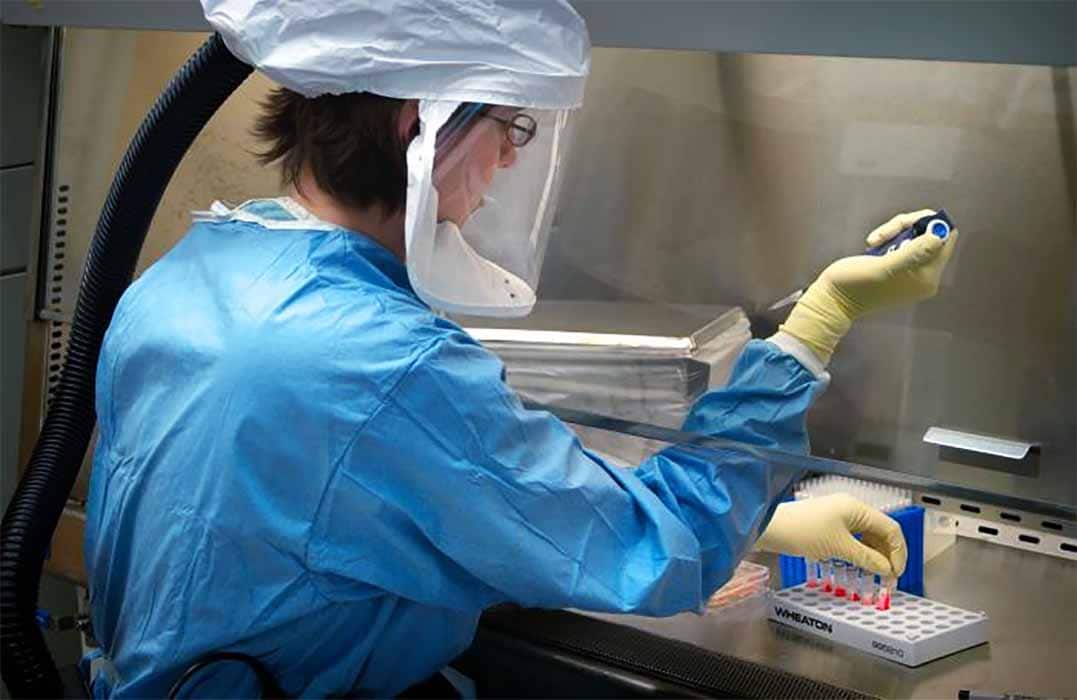
The scientific method thrives on transparency and open communication. These principles are essential for building trust and credibility within the scientific community, ensuring the integrity of research, and fostering collaboration.
Transparency Builds Trust and Credibility
Transparency in scientific research is paramount for building trust and credibility among researchers and the public. When researchers are open about their methods, data, and findings, it allows for independent verification and scrutiny, fostering a culture of accountability and rigor.
This openness strengthens the foundation of scientific knowledge, making it more reliable and robust.
“Transparency is essential for building trust and confidence in scientific research.”
The Impact of Lack of Transparency
The lack of transparency can have detrimental effects on scientific progress. Here are a few examples:
- Replicability Crisis:When research methods are not transparently documented, it becomes difficult for other researchers to replicate the results, leading to a crisis of reproducibility in science. This undermines the validity of research findings and hinders scientific advancement.
- Loss of Public Trust:A lack of transparency can erode public trust in science, making it harder to communicate scientific findings and gain public support for research initiatives. This can have significant consequences for the advancement of scientific knowledge and its application to real-world problems.
- Slowing Down Progress:When researchers are reluctant to share their data and methods, it slows down the pace of scientific progress. Collaboration and innovation are hindered, as researchers are unable to build upon each other’s work effectively.
The Ethical Considerations of Scientific Inquiry: The Lab Leak Hypothesis Made It Harder For Scientists To Seek The Truth
Investigating the origins of a pandemic, especially one with global implications like COVID-19, raises profound ethical considerations. The pursuit of scientific truth must be balanced against the potential harms of misinterpretations, misinformation, and the societal impact of findings.
The Importance of Ethical Guidelines in Scientific Research
Ethical guidelines are crucial in scientific research, especially when dealing with sensitive topics like pandemic origins. These guidelines ensure that research is conducted responsibly, minimizing harm to individuals and society.
- Transparency and Openness:Researchers must be transparent about their methods, data, and findings. This allows for scrutiny and validation by the scientific community, fostering trust and accountability.
- Informed Consent:When research involves human subjects, obtaining informed consent is paramount. This ensures individuals understand the risks and benefits of participation and can make an informed decision.
- Data Integrity and Accuracy:Researchers must prioritize data integrity and accuracy. Manipulation or suppression of data can have severe consequences, undermining scientific integrity and public trust.
- Confidentiality and Privacy:Protecting the confidentiality and privacy of individuals involved in research is essential. This includes safeguarding personal information and ensuring anonymity when appropriate.
- Conflict of Interest:Researchers must disclose any potential conflicts of interest that could influence their findings. This ensures objectivity and prevents bias in research.
Wrap-Up
The lab leak hypothesis has undoubtedly complicated the search for the truth about COVID-19’s origins. It has sparked intense debate, impacted scientific research, and fueled public distrust. While the origins of the virus remain elusive, the importance of open communication, transparency, and rigorous scientific inquiry remains paramount.
Only through collaborative efforts and an unwavering commitment to truth-seeking can we unravel the mysteries surrounding this global pandemic and prevent future outbreaks.