How to Clear the Air in the Most Polluted Cities on Earth: A Guide to Cleaner Breathing
How to clear the air in the most polluted cities on earth? It’s a question that weighs heavily on the minds of millions living in urban centers struggling with smog and toxic fumes. From Beijing to Delhi, Mexico City to Lagos, the air we breathe is increasingly threatened by industrial emissions, vehicle exhaust, and other sources of pollution.
The impact is stark: respiratory illnesses, cardiovascular problems, and a diminished quality of life for countless people.
The good news is that solutions exist, ranging from technological advancements to urban planning strategies and individual actions. By understanding the sources of pollution, embracing sustainable practices, and demanding accountability from governments and corporations, we can work towards cleaner air and a healthier future for all.
The Global Air Pollution Crisis
The world is facing a severe air pollution crisis, with millions of people breathing in toxic air every day. This invisible threat is silently taking a toll on our health and the environment, impacting both urban and rural areas.
The Severity of Air Pollution in Major Cities
Air pollution is a significant concern in many cities worldwide, particularly in developing countries. According to the World Health Organization (WHO), over 99% of the global population breathes air exceeding safe limits. This alarming statistic underscores the urgent need to address this pressing issue.
- India: Cities like Delhi, Mumbai, and Kolkata consistently rank among the most polluted cities globally. In 2022, Delhi’s air quality reached dangerous levels, exceeding the WHO’s safe limits by 10 times. This severe pollution has been attributed to factors like vehicle emissions, industrial activities, and seasonal agricultural burning.
- China: China has made significant progress in tackling air pollution in recent years, but many cities still face challenges. Beijing, Shanghai, and Guangzhou are among the cities struggling with air pollution, particularly during winter months when heating systems and industrial activities intensify.
- Pakistan: Cities like Lahore, Karachi, and Faisalabad are also grappling with severe air pollution. The situation is exacerbated by industrial emissions, traffic congestion, and the burning of waste.
Health Impacts of Air Pollution
Air pollution poses a significant threat to human health, causing a range of respiratory and cardiovascular problems. The fine particulate matter (PM2.5) found in polluted air can penetrate deep into the lungs, leading to various health complications.
- Respiratory illnesses: Air pollution can trigger asthma, bronchitis, and other respiratory problems, especially in children and the elderly.
- Cardiovascular diseases: Exposure to air pollution is linked to an increased risk of heart attacks, strokes, and other cardiovascular diseases.
- Cancer: Some studies suggest a link between air pollution and an increased risk of certain types of cancer, including lung cancer.
- Premature mortality: Air pollution is estimated to contribute to millions of premature deaths annually worldwide.
Sources of Air Pollution in Cities
Air pollution in cities is a complex issue, with multiple sources contributing to the problem. Understanding these sources is crucial for developing effective mitigation strategies.
- Vehicle emissions: Cars, trucks, buses, and motorcycles are major contributors to air pollution, particularly in urban areas. Exhaust fumes release harmful pollutants like carbon monoxide, nitrogen oxides, and particulate matter.
- Industrial activities: Factories, power plants, and other industrial facilities often release significant amounts of pollutants into the air. These emissions can include sulfur dioxide, nitrogen oxides, and heavy metals.
- Construction and demolition: Construction and demolition activities can generate dust and other pollutants that contribute to air pollution.
- Waste burning: Burning of waste, particularly in open areas, releases harmful pollutants into the air. This practice is common in many developing countries.
- Seasonal factors: Seasonal factors like agricultural burning, forest fires, and wind patterns can also contribute to air pollution.
Understanding the Sources of Pollution
To effectively address the air pollution crisis in heavily polluted cities, we must first understand the root causes. This involves identifying the primary sources of pollution and analyzing their contributions to the overall air quality.
Industrial Emissions
Industrial activities play a significant role in polluting the air. These emissions vary depending on the industry, but common sources include power plants, manufacturing facilities, and refineries.
- Power plants, particularly those relying on fossil fuels like coal, release significant amounts of pollutants such as sulfur dioxide (SO2), nitrogen oxides (NOx), and particulate matter (PM). These pollutants contribute to acid rain, respiratory problems, and visibility reduction.
- Manufacturing facilities, depending on the type of production, can emit a wide range of pollutants, including volatile organic compounds (VOCs), heavy metals, and hazardous air pollutants (HAPs). These emissions can lead to various health issues, including cancer and developmental problems.
- Refineriesare major sources of air pollution, releasing pollutants such as benzene, toluene, and xylene, which are known carcinogens. They also contribute to smog formation and respiratory problems.
Vehicle Exhaust
Transportation is another major contributor to air pollution, with vehicle exhaust being a primary source. The combustion of gasoline and diesel fuels releases harmful pollutants into the atmosphere.
- Carbon monoxide (CO)is a colorless, odorless gas that is produced by incomplete combustion of fuels. It can reduce oxygen-carrying capacity in the blood, leading to cardiovascular problems.
- Nitrogen oxides (NOx)are produced at high temperatures during combustion. They contribute to smog formation, acid rain, and respiratory problems.
- Particulate matter (PM), including fine particles (PM2.5) and coarse particles (PM10), is emitted from vehicle exhaust and can penetrate deep into the lungs, causing respiratory and cardiovascular problems.
Residential Burning
Residential burning of fuels, such as wood, coal, and kerosene, can also contribute significantly to air pollution, especially in areas with limited access to cleaner energy sources.
Tackling air pollution in the world’s most polluted cities requires a multifaceted approach. From investing in renewable energy sources to promoting public transportation, every effort counts. But what about the digital world? Just like we need to clean up our physical environment, it’s time for Apple to declutter its App Store, removing outdated and unsupported apps that drain resources and contribute to a cluttered digital landscape.
Why Apple needs to evict old and unsupported app store apps is a critical step in creating a more efficient and sustainable digital ecosystem, which can then help us focus our efforts on addressing real-world issues like air pollution.
- Wood smokecontains a variety of pollutants, including particulate matter, carbon monoxide, and polycyclic aromatic hydrocarbons (PAHs), which are known carcinogens.
- Coal burningreleases sulfur dioxide, nitrogen oxides, and particulate matter, contributing to respiratory problems and acid rain.
- Kerosene stoves, commonly used for cooking and heating in some regions, emit harmful pollutants like particulate matter, carbon monoxide, and volatile organic compounds.
The Health Consequences of Air Pollution
Air pollution is a serious global health threat, impacting millions of people worldwide. The invisible particles and gases in polluted air can penetrate our bodies, causing a wide range of health problems. The health consequences of air pollution are multifaceted and can have a devastating impact on our respiratory health, cardiovascular health, and overall well-being.
Respiratory Health Impacts
Prolonged exposure to air pollution can significantly affect our respiratory system. The tiny particles in polluted air can irritate and inflame the lungs, leading to various respiratory problems.
- Asthma:Air pollution is a major trigger for asthma attacks, increasing the frequency and severity of symptoms.
- Chronic Obstructive Pulmonary Disease (COPD):Air pollution can accelerate the progression of COPD, a chronic lung disease that makes it difficult to breathe.
- Lung Cancer:Studies have shown a strong link between long-term exposure to air pollution and an increased risk of developing lung cancer.
- Respiratory Infections:Air pollution can weaken the immune system, making individuals more susceptible to respiratory infections like pneumonia and bronchitis.
Cardiovascular Health Impacts
Air pollution can also harm our cardiovascular system, increasing the risk of heart disease and stroke.
- Heart Attacks:Exposure to air pollution can trigger heart attacks, especially in individuals with pre-existing heart conditions.
- Stroke:Air pollution can contribute to blood clots, which can lead to stroke.
- Arteriosclerosis:Air pollution can accelerate the hardening of the arteries, increasing the risk of cardiovascular disease.
- Heart Rate Variability:Studies have shown that air pollution can disrupt heart rate variability, indicating an increased risk of cardiovascular problems.
Impact on Overall Well-being
Air pollution can have a detrimental impact on our overall well-being.
It’s a daunting task, cleaning up the air in the most polluted cities on Earth. We need innovative solutions, like widespread adoption of electric vehicles and renewable energy sources. But sometimes, amidst the complexities of global issues, it’s refreshing to see the human side of things, like in the article jared and ivanka without the power or the masks.
It reminds us that even those who once held positions of influence are just individuals navigating the world. And while we focus on the big picture of environmental change, let’s not forget the small, personal actions we can take every day to contribute to a cleaner, healthier planet.
- Cognitive Function:Air pollution has been linked to cognitive decline, including memory problems and reduced attention span.
- Mental Health:Exposure to air pollution can contribute to stress, anxiety, and depression.
- Sleep Quality:Air pollution can disrupt sleep patterns, leading to fatigue and reduced productivity.
- Quality of Life:Air pollution can significantly reduce the quality of life, limiting outdoor activities and causing discomfort.
Exacerbation of Existing Health Conditions
Air pollution can worsen pre-existing health conditions, making them more difficult to manage.
- Asthma:Air pollution can trigger asthma attacks and increase the severity of symptoms in individuals with asthma.
- COPD:Air pollution can accelerate the progression of COPD and worsen breathing difficulties.
- Cardiovascular Disease:Air pollution can increase the risk of heart attacks, strokes, and other cardiovascular events in individuals with pre-existing heart conditions.
- Diabetes:Air pollution has been linked to an increased risk of developing diabetes and can make it more challenging to manage blood sugar levels.
Technological Solutions for Air Purification
The battle against air pollution demands a multifaceted approach, and technology plays a crucial role in mitigating its harmful effects. Numerous innovative solutions have emerged, each targeting specific sources and pollutants, offering a glimmer of hope for cleaner air in our cities.
Air Filtration Systems
Air filtration systems are widely employed to remove particulate matter and other pollutants from indoor and outdoor environments. These systems work by passing air through a series of filters that trap pollutants of varying sizes.
- HEPA filtersare highly effective at capturing particles as small as 0.3 microns, including dust mites, pollen, pet dander, and even some viruses. They are commonly found in air purifiers for homes and offices.
- Activated carbon filtersare excellent at adsorbing gases and volatile organic compounds (VOCs) such as formaldehyde, benzene, and toluene. These filters are often used in conjunction with HEPA filters for comprehensive air purification.
- Electrostatic precipitatorsuse an electric field to attract and collect charged particles. They are commonly used in industrial settings to remove particulate matter from exhaust streams.
Air Scrubbers
Air scrubbers are designed to remove pollutants from industrial exhaust streams and other large-scale sources. These systems utilize a variety of technologies, including wet scrubbers, dry scrubbers, and bio-scrubbers, to remove pollutants such as sulfur dioxide, nitrogen oxides, and particulate matter.
- Wet scrubbersuse a liquid solution to absorb and remove pollutants from the air stream. The scrubbing solution can be water, a chemical solution, or a combination of both.
- Dry scrubbersuse a dry sorbent material to absorb and remove pollutants. These sorbents can be in the form of powders, granules, or pellets.
- Bio-scrubbersuse microorganisms to break down pollutants into less harmful substances. This technology is particularly effective at removing volatile organic compounds and other odorous compounds.
Catalytic Converters
Catalytic converters are a vital component of automobile exhaust systems. They use a catalytic material, typically platinum, palladium, or rhodium, to convert harmful pollutants such as carbon monoxide, nitrogen oxides, and hydrocarbons into less harmful gases like carbon dioxide, nitrogen, and water.
The efficiency of a catalytic converter depends on factors such as the temperature of the exhaust gases, the type of catalytic material used, and the age of the converter.
Electrostatic Precipitators
Electrostatic precipitators (ESPs) are widely used in industrial settings to remove particulate matter from exhaust streams. ESPs work by using an electric field to charge the particles, causing them to be attracted to and collected on charged plates.
ESPs are particularly effective at removing fine particulate matter, which is difficult to capture using other technologies.
Air Quality Monitoring
Real-time monitoring of air quality is crucial for understanding pollution levels, identifying sources, and implementing effective control measures. Advanced sensors and monitoring networks provide valuable data for tracking pollution trends, assessing the effectiveness of mitigation strategies, and informing public health advisories.
- Air quality sensorsare becoming increasingly affordable and accessible, enabling individuals and communities to monitor air quality in their local areas.
- Satellite-based monitoringprovides a comprehensive view of air pollution levels across large regions, allowing for the identification of hotspots and the tracking of pollution plumes.
Green Infrastructure
Green infrastructure, such as urban forests, green roofs, and green walls, plays a significant role in improving air quality. Plants absorb pollutants, release oxygen, and provide shade, mitigating the urban heat island effect.
Clearing the air in the most polluted cities on Earth is a complex challenge that requires a multi-pronged approach. From promoting public transportation and sustainable energy sources to educating individuals about the importance of reducing their carbon footprint, there are many steps we can take.
It’s also important to engage the younger generation, and a great way to do that is through educational resources like the 12 engaging earth day videos for kids of all ages that are available online. These videos can help children understand the impact of pollution and inspire them to become environmentally conscious citizens, paving the way for a cleaner future.
Green infrastructure can also reduce noise pollution, improve aesthetics, and create more livable urban spaces.
Urban Planning and Green Initiatives
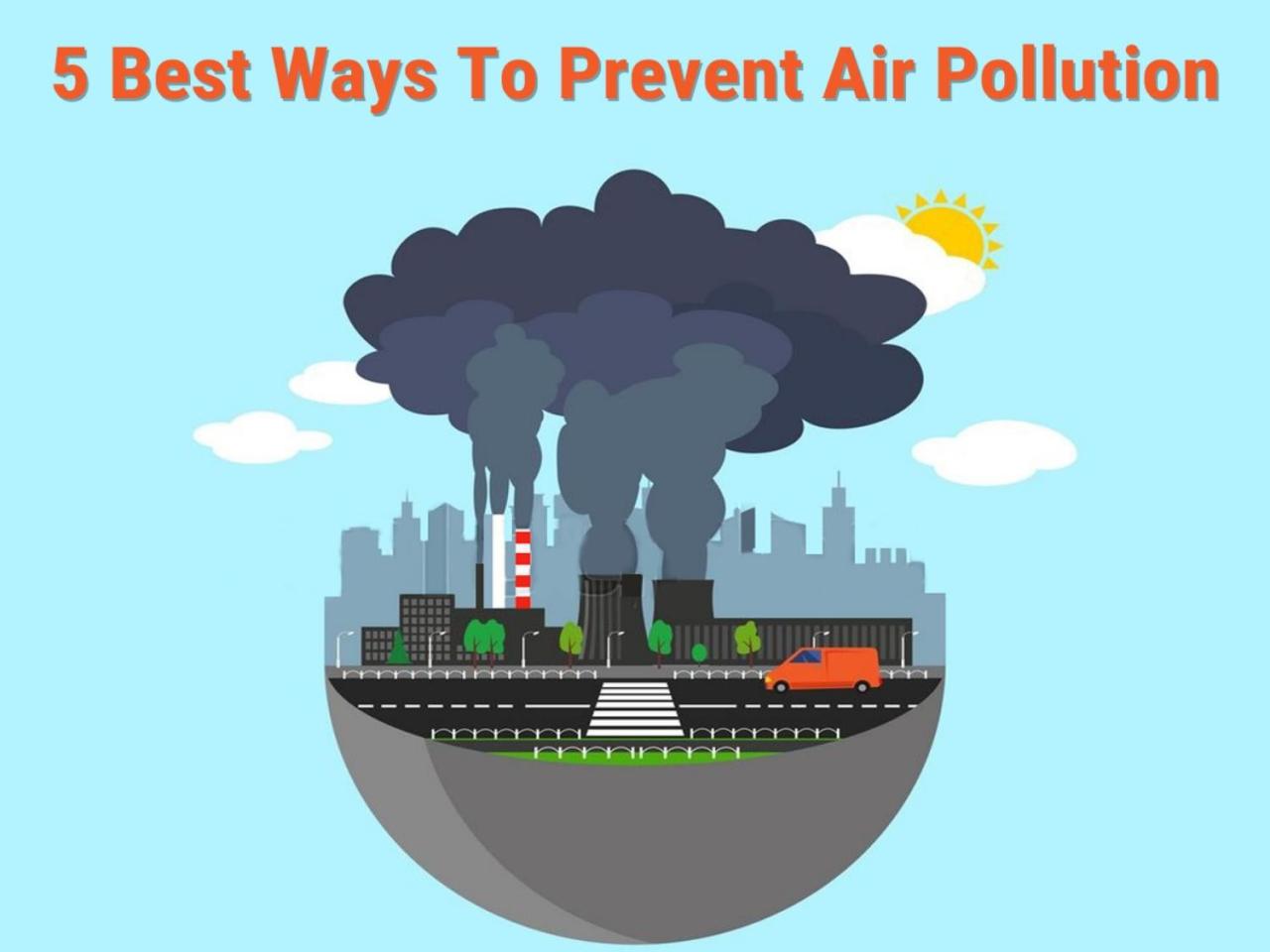
Urban planning and green initiatives are essential for mitigating air pollution in cities. These strategies focus on creating a sustainable urban environment that promotes cleaner air, healthier lifestyles, and a higher quality of life.
The Role of Green Spaces, How to clear the air in the most polluted cities on earth
Green spaces, such as parks, forests, and urban gardens, play a crucial role in reducing air pollution. They act as natural filters, absorbing pollutants like carbon dioxide and particulate matter.
- Increased Air Quality:Trees and plants release oxygen and absorb pollutants, leading to improved air quality. For instance, a study by the University of Washington found that trees can remove up to 10% of airborne pollutants in urban areas.
- Reduced Heat Island Effect:Urban areas tend to be hotter than surrounding rural areas due to the heat-absorbing properties of concrete and asphalt. Green spaces can mitigate this effect by providing shade and evaporating water, leading to cooler temperatures and reduced heat stress.
- Improved Mental Health:Access to green spaces has been linked to improved mental well-being and reduced stress levels. These benefits can positively impact public health, contributing to a more resilient and healthy urban population.
Public Transportation and Sustainable Building Practices
Promoting public transportation and sustainable building practices are crucial for reducing air pollution in cities.
- Public Transportation:Encouraging the use of public transportation, cycling, and walking reduces reliance on private vehicles, which are major contributors to air pollution. Cities like Copenhagen and Amsterdam have successfully implemented efficient public transportation systems, leading to significant reductions in vehicle emissions.
- Sustainable Building Practices:Implementing sustainable building practices, such as energy-efficient design, green roofs, and renewable energy sources, can significantly reduce emissions from buildings. These practices not only improve air quality but also contribute to a more sustainable urban environment.
Effective Policies and Regulations
Several policies and regulations have proven effective in combating air pollution.
- Emissions Standards:Stricter emissions standards for vehicles and industries have significantly reduced air pollution levels. The implementation of Euro standards for vehicle emissions, for example, has led to substantial reductions in nitrogen oxides and particulate matter emissions.
- Congestion Pricing:Implementing congestion pricing, where drivers pay a fee to enter congested areas, can encourage the use of public transportation and reduce traffic congestion, thereby reducing air pollution.
- Green Building Codes:Implementing green building codes that encourage sustainable building practices can significantly reduce emissions from buildings. These codes often require energy-efficient design, renewable energy sources, and the use of sustainable materials.
Individual Actions for Cleaner Air
While global efforts are crucial, individual actions can significantly impact air quality. By adopting sustainable habits, we can collectively contribute to cleaner air and a healthier planet.
Choosing Sustainable Transportation
Opting for public transportation, cycling, or walking instead of driving is a powerful way to reduce emissions. These alternatives not only minimize your carbon footprint but also offer health benefits. Public transportation systems provide a shared mode of travel, reducing the number of vehicles on the road.
Cycling and walking, in addition to being eco-friendly, promote physical activity, improving overall well-being.
- Public transportation: Buses, trains, and subways offer efficient and often cost-effective transportation options. They help reduce congestion and minimize individual vehicle emissions.
- Cycling: Cycling is an excellent way to get around in urban areas, especially for short distances. It provides a healthy and environmentally friendly alternative to driving.
- Walking: Walking is a simple yet impactful way to reduce your carbon footprint. It also promotes physical activity and helps you connect with your surroundings.
Responsible Waste Disposal and Energy Efficiency
Proper waste disposal and energy-efficient practices at home play a significant role in mitigating air pollution. Reducing waste and adopting energy-saving measures contribute to a cleaner environment.
- Waste reduction: By minimizing waste generation, we reduce the amount of materials that need to be incinerated or sent to landfills, which release harmful pollutants into the air.
- Recycling: Recycling helps conserve natural resources and reduces the need for new materials, minimizing the environmental impact of manufacturing processes.
- Energy efficiency: Using energy-efficient appliances and adopting energy-saving habits can significantly reduce greenhouse gas emissions. This includes turning off lights when leaving a room, using energy-efficient light bulbs, and optimizing heating and cooling systems.
International Collaboration and Policy
Air pollution is a global issue that transcends national boundaries. The movement of pollutants across borders necessitates international cooperation to effectively address this challenge. This requires collaborative efforts to share knowledge, develop common strategies, and implement policies that foster cleaner air.
Global Agreements and Initiatives
International cooperation has led to the development of numerous agreements and initiatives aimed at reducing air pollution. These agreements provide a framework for countries to work together and share best practices.
- The United Nations Framework Convention on Climate Change (UNFCCC):This convention, established in 1992, recognizes the link between air pollution and climate change. It aims to stabilize greenhouse gas concentrations in the atmosphere at a level that would prevent dangerous anthropogenic interference with the climate system.
- The Paris Agreement:This landmark agreement, adopted in 2015, aims to limit global warming to well below 2 degrees Celsius, preferably to 1.5 degrees Celsius, compared to pre-industrial levels. This goal requires significant reductions in greenhouse gas emissions, including those from air pollution sources.
- The Clean Air for Asia Initiative:This initiative, launched in 2016, brings together governments, organizations, and individuals from across Asia to address air pollution. It focuses on promoting cleaner air through collaboration, knowledge sharing, and capacity building.
- The Global Air Quality Guidelines:Developed by the World Health Organization (WHO), these guidelines provide recommendations for safe air quality levels. They serve as a reference point for countries to set their own air quality standards.
The Role of Government Policies and Regulations
Government policies and regulations play a crucial role in driving change and improving air quality. These policies can target specific sources of pollution, promote cleaner technologies, and incentivize sustainable practices.
- Emissions Standards:Setting limits on the amount of pollutants that can be released from vehicles, industries, and power plants is a fundamental policy tool. Stricter emissions standards for vehicles, for example, have significantly reduced tailpipe emissions in many countries.
- Fuel Quality Regulations:Regulating the quality of fuels, such as gasoline and diesel, can reduce emissions from vehicles. For instance, phasing out leaded gasoline has significantly reduced lead levels in the air.
- Air Quality Monitoring:Establishing robust air quality monitoring networks allows for the identification of pollution hotspots and the effectiveness of air quality policies. This data is essential for informed decision-making.
- Incentives for Clean Technologies:Governments can incentivize the adoption of cleaner technologies by providing subsidies, tax breaks, or other financial incentives. This can encourage businesses to invest in pollution control equipment or switch to cleaner energy sources.
The Future of Air Quality in Polluted Cities: How To Clear The Air In The Most Polluted Cities On Earth
The future of air quality in polluted cities is a complex and multifaceted issue, heavily influenced by a confluence of factors, including technological advancements, policy changes, and societal shifts. While the challenge of mitigating air pollution is daunting, there is a growing sense of optimism that a cleaner future is attainable.
Technological Advancements and Their Impact
Technological advancements are playing a pivotal role in the fight against air pollution. Advancements in air filtration systems, renewable energy technologies, and smart city infrastructure are offering promising solutions for reducing emissions and improving air quality.
- Advanced Air Filtration Systems:Innovative air filtration systems are becoming increasingly sophisticated, capable of capturing fine particulate matter and other harmful pollutants with higher efficiency. For instance, nanotechnology-based filters are being developed that can effectively remove ultrafine particles, which are particularly hazardous to human health.
- Renewable Energy Transition:The transition to renewable energy sources, such as solar, wind, and hydro power, is a critical step in reducing emissions from fossil fuel combustion. As renewable energy technologies become more cost-effective and efficient, their adoption is expected to accelerate, leading to cleaner air in cities.
- Smart City Infrastructure:Smart city initiatives are leveraging data analytics and sensor networks to optimize traffic flow, reduce congestion, and minimize emissions from transportation. By integrating real-time traffic data and optimizing transportation systems, cities can reduce vehicle idling and improve fuel efficiency.
Conclusion
The fight for clean air is a global one, requiring collaboration across borders and a commitment to innovation. While challenges remain, the progress being made in cities around the world offers hope. By embracing technological solutions, implementing smart urban planning, and making individual choices that prioritize clean air, we can create a future where everyone can breathe easy.