The Case for a Black History Year
The case for a Black History Year is gaining momentum, fueled by a growing understanding of the need to acknowledge and celebrate Black history beyond a single month. This movement seeks to integrate Black history into the fabric of our society, promoting a deeper understanding of the contributions and struggles of Black people throughout history.
It’s not just about remembering the past, it’s about recognizing the present and shaping a more just future. By extending Black History Month to a full year, we can create a more inclusive and equitable society where Black voices are heard, and their stories are shared with the world.
The Need for a Black History Year: The Case For A Black History Year
Black History Month, observed annually in February, is a vital recognition of the contributions, struggles, and resilience of Black people throughout history. However, dedicating a mere month to such a vast and complex narrative is insufficient. A year-long focus on Black history is necessary to foster a deeper understanding of the past and its impact on the present, promoting inclusivity, and advancing racial justice.
The Ongoing Struggle for Racial Justice and Equality
The struggle for racial justice and equality is not a relic of the past. It is a continuous process marked by systemic inequities and persistent discrimination. Despite progress, racial disparities persist in various areas, including education, healthcare, employment, and the criminal justice system.
“We cannot be silent in the face of injustice.”
I’ve been thinking a lot about the case for a Black History Year, and how important it is to celebrate and learn from the contributions of Black people throughout history. While we should always be learning and celebrating, dedicating a whole year to this cause could be incredibly powerful.
And, of course, learning about history can be fun! If you’re looking for some engaging reads for your kids, check out this list of 20 super sports books for kids of all ages. These books can inspire a love of sports and teach kids about important figures who have made a difference in the world, just like celebrating Black History Year can do for all of us.
Martin Luther King Jr.
The case for a Black History Year is compelling, reminding us of the vital contributions and struggles of Black individuals throughout history. While we celebrate this, it’s also inspiring to see advancements in other areas, like the Boeing Starliner launch, which will bring new cargo and science to the space station.
This kind of progress, along with recognizing the triumphs of Black Americans, reminds us that we can continue to build a more just and equitable future for all.
The need for a Black History Year arises from the ongoing struggle to dismantle these systems of oppression and achieve true equality.
Systemic Issues that Necessitate a Year-Long Focus on Black History, The case for a black history year
Systemic issues, deeply embedded in the fabric of society, perpetuate racial disparities and hinder progress towards racial justice. These issues include:
- Racial Bias and Discrimination:Implicit biases and explicit discrimination continue to impact Black people in various aspects of life, from housing and employment to healthcare and criminal justice.
- Historical Trauma and Systemic Oppression:The legacy of slavery, Jim Crow, and ongoing systemic racism has created historical trauma and continues to shape the experiences of Black people today.
- Economic Inequality:Racial wealth gaps persist, with Black families having significantly less wealth than white families. This disparity stems from historical and ongoing systemic barriers to economic opportunities.
- Educational Disparities:Black students face significant challenges in the education system, including underfunding, lack of access to resources, and racial biases. These disparities contribute to achievement gaps and limit educational opportunities.
- Mass Incarceration and Police Brutality:The disproportionate incarceration of Black people and the ongoing issue of police brutality are rooted in systemic racism and bias within the criminal justice system.
A year-long focus on Black history is crucial to address these systemic issues and dismantle the structures that perpetuate racial inequities.
The case for a Black History Year isn’t just about acknowledging the past, it’s about understanding the present. It’s about recognizing the ongoing struggle for equality and the systemic barriers that still exist. McConnell’s recent comments about his “moral red lines” as reported by this article highlight the very real and very present nature of those barriers.
A Black History Year, therefore, isn’t just about history, it’s about the fight for a better future.
Economic and Social Impact
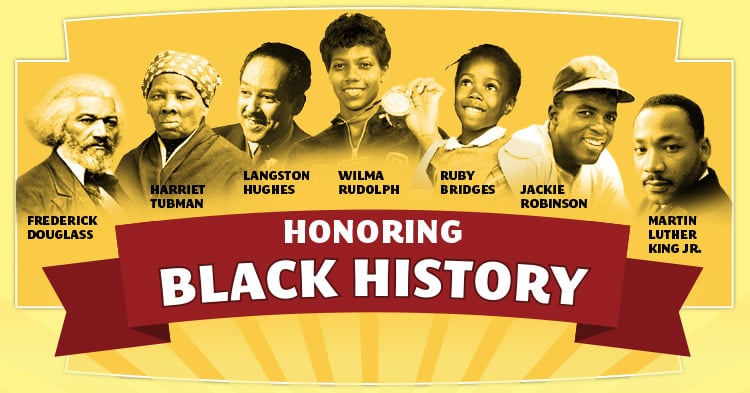
A dedicated Black History Year can significantly contribute to economic empowerment and social progress by fostering cultural appreciation, promoting understanding, and recognizing the valuable contributions of Black individuals and communities.
Beyond its historical significance, celebrating Black history has the potential to create tangible economic and social benefits, fostering a more inclusive and equitable society.
Economic Empowerment
By highlighting Black entrepreneurship and innovation, a Black History Year can inspire and empower Black communities, leading to increased economic participation and growth.
- Increased Investment and Support:Celebrating Black history can attract investment and support for Black-owned businesses, leading to job creation and economic development within Black communities.
- Promoting Black Businesses:A dedicated year can showcase the diverse range of Black-owned businesses, encouraging consumers to support these businesses and contribute to their growth.
- Entrepreneurial Inspiration:By highlighting successful Black entrepreneurs, a Black History Year can inspire young Black people to pursue their entrepreneurial dreams and contribute to the economic landscape.
Social Cohesion and Understanding
A Black History Year can play a crucial role in promoting social cohesion and understanding by fostering empathy, challenging stereotypes, and creating opportunities for dialogue.
- Challenging Stereotypes:By showcasing the diversity of Black experiences and achievements, a Black History Year can challenge negative stereotypes and promote a more nuanced understanding of Black communities.
- Fostering Empathy and Dialogue:A dedicated year can provide a platform for open and honest conversations about race and inequality, leading to greater empathy and understanding between different communities.
- Promoting Inclusive Education:A Black History Year can encourage the inclusion of Black history and perspectives in educational curricula, fostering a more inclusive and representative understanding of history.
Cultural Appreciation and Diversity
Celebrating Black history can enrich our cultural landscape by showcasing the unique contributions of Black individuals and communities, fostering a greater appreciation for diversity and cultural exchange.
- Celebrating Black Arts and Culture:A Black History Year can highlight the rich artistic traditions and cultural expressions of Black communities, enriching our collective understanding of art and culture.
- Promoting Cultural Exchange:By celebrating Black history, we can create opportunities for cultural exchange and dialogue, fostering a more inclusive and diverse society.
- Recognizing Black Contributions:A dedicated year can acknowledge the significant contributions of Black individuals and communities to society, highlighting their impact on science, technology, art, and culture.
Conclusion
The case for a Black History Year is a powerful call for change. It’s a call to acknowledge the systemic issues that have marginalized Black communities and to work towards a future where everyone has the opportunity to thrive.
By embracing a year-long celebration of Black history, we can create a society that is truly inclusive, equitable, and just.