
45 5th Grade Science Projects That Will Blow Your Students Minds
45 5th grade science projects that will blow your students minds – 45 5th grade science projects that will blow your students’ minds sets the stage for this enthralling narrative, offering readers a glimpse into a story that is rich in detail and brimming with originality from the outset. Imagine a classroom buzzing with excitement as young minds delve into the mysteries of the universe, exploring the wonders of science through hands-on experiments and engaging projects.
This is the world we’re about to explore, where learning becomes an adventure and curiosity is ignited. We’ll uncover a treasure trove of ideas, from building a volcano to creating a miniature ecosystem, all designed to spark a passion for science that will last a lifetime.
Get ready to be amazed by the power of science to transform learning into an unforgettable experience!
This blog post is your ultimate guide to creating captivating and mind-blowing science projects for your 5th-grade students. We’ll cover everything from the basics of project planning to the latest trends in STEM education, providing you with the tools and inspiration to make science come alive in your classroom.
Whether you’re a seasoned teacher or just starting out, this comprehensive resource will equip you with the knowledge and resources to ignite a love for science in your students.
Engaging Science Projects
Fifth-grade science projects are an exciting opportunity to ignite a passion for learning and discovery. These projects can be hands-on, inquiry-based, and designed to cater to different learning styles and abilities. By engaging students in active exploration and experimentation, we can foster critical thinking, problem-solving, and a deep understanding of scientific concepts.
Projects for Exploring the Natural World
The natural world offers a wealth of opportunities for engaging science projects. These projects encourage observation, data collection, and analysis.
- Build a Bird Feeder:This project involves designing and constructing a bird feeder, attracting different bird species, and observing their feeding habits. Students can learn about bird anatomy, food sources, and the importance of biodiversity.
- Plant a Garden:A simple garden project can teach students about plant growth, photosynthesis, and the interconnectedness of living organisms. They can experiment with different plant types, observe germination, and measure growth rates.
- Create a Terrarium:A closed ecosystem like a terrarium allows students to explore the principles of balance and interdependence. They can create a miniature environment, observe the growth of plants, and monitor the water cycle within the terrarium.
Projects for Investigating Physical Science
Physical science projects focus on the properties of matter, forces, motion, and energy. These projects often involve hands-on experiments and demonstrations.
- Build a Simple Machine:Students can explore the principles of levers, pulleys, and inclined planes by building simple machines like a catapult or a pulley system. They can experiment with different designs and measure the force and distance involved.
- Explore Density:A density experiment can involve comparing the buoyancy of different objects in water or observing how liquids with different densities layer on top of each other. Students can learn about the relationship between mass, volume, and density.
- Investigate Magnetism:Students can explore the properties of magnets, create magnetic circuits, and investigate the effects of magnetic fields on different materials. This project can also introduce concepts like magnetic poles and magnetic forces.
Projects for Exploring Life Science
Life science projects focus on the study of living organisms, their structure, functions, and interactions. These projects can involve experiments, observations, and data analysis.
- Grow Bacteria Cultures:This project allows students to explore the world of microorganisms and their role in the environment. They can observe the growth of bacteria on different media and learn about the importance of hygiene and sanitation.
- Investigate Animal Behavior:Students can observe the behavior of animals, such as ants or fish, in their natural habitats. They can design experiments to test hypotheses about animal behavior and learn about the importance of animal welfare.
- Conduct a Seed Germination Experiment:This project explores the conditions necessary for seed germination. Students can experiment with different factors like temperature, light, and water to determine their effects on seed growth.
STEM Integration
STEM integration is a crucial approach to teaching and learning that combines science, technology, engineering, and mathematics into a cohesive and engaging learning experience. It emphasizes hands-on activities, problem-solving, and critical thinking skills, preparing students for the challenges of the 21st century.
Examples of STEM Integrated Projects
STEM integration allows students to apply their knowledge from different disciplines to solve real-world problems. Here are some examples of projects that seamlessly integrate STEM concepts:
- Building a Wind Turbine:This project combines science (understanding wind energy and aerodynamics), technology (designing and constructing the turbine), engineering (applying principles of mechanics and materials), and mathematics (calculating energy output and efficiency). Students can learn about renewable energy sources and the importance of sustainable practices.
- Designing a Water Filtration System:This project involves understanding the science of water purification, using technology to design and build a filtration system, applying engineering principles to optimize its effectiveness, and using mathematics to calculate the filtration rate and efficiency.
- Coding a Robot to Solve a Maze:This project incorporates computer science (coding and programming), engineering (designing the robot), mathematics (measuring distances and angles), and technology (using sensors and actuators). Students can learn about robotics, artificial intelligence, and problem-solving strategies.
Benefits of STEM Integration
STEM integration offers numerous benefits for students, enhancing their learning and preparing them for future careers.
- Develops Critical Thinking Skills:STEM projects encourage students to analyze problems, design solutions, and test their hypotheses. This process fosters critical thinking and problem-solving abilities.
- Enhances Creativity and Innovation:STEM projects provide opportunities for students to think outside the box and come up with innovative solutions. This fosters creativity and helps students develop new ideas.
- Improves Collaboration and Communication:STEM projects often involve teamwork, encouraging students to collaborate, share ideas, and communicate effectively. This skill is essential for success in any field.
- Prepares Students for Future Careers:STEM fields are in high demand, and STEM integration helps students develop the skills and knowledge necessary for successful careers in science, technology, engineering, and mathematics.
“STEM integration is not just about teaching science, technology, engineering, and mathematics; it’s about fostering a culture of inquiry, innovation, and problem-solving.”
I’m always looking for ways to make science fun and engaging for my fifth graders, and I recently stumbled upon a list of 45 projects that are sure to blow their minds! To help them express their creativity and scientific discoveries, I’ve also been exploring some amazing resources like 15 best poetry websites for kids teens teachers and classrooms to inspire them to write poems about their experiments.
With these resources, my students are sure to have a blast learning about the world around them!
[Source
National Academies of Sciences, Engineering, and Medicine]
Real-World Applications
Science isn’t just about textbooks and experiments; it’s about understanding the world around us and using that knowledge to solve problems and improve our lives. From the smartphones in our pockets to the medicine we take, science is woven into the fabric of our daily lives.
Science in Everyday Life
Science plays a vital role in everyday life, from the simple act of cooking to the complex technology we use. For example, understanding the principles of heat transfer helps us cook food effectively. Microwaves, toasters, and ovens all work based on scientific principles.
Solving Real-World Problems
Science is a powerful tool for solving real-world problems. Scientists and engineers are constantly working to develop new technologies and solutions to address challenges such as climate change, disease, and poverty.
Examples of Scientists and Inventors
Many scientists and inventors have made significant contributions to our world. Here are a few examples:
- Marie Curie, a Polish physicist and chemist, was a pioneer in the field of radioactivity. Her research led to the development of X-rays, which are used in medicine to diagnose and treat illnesses.
- Alexander Fleming, a Scottish biologist, discovered penicillin, the first antibiotic. Penicillin revolutionized medicine and saved countless lives.
- Albert Einstein, a German-born theoretical physicist, developed the theory of relativity, which changed our understanding of gravity and the universe. His work led to the development of nuclear energy and GPS technology.
Project Presentation: 45 5th Grade Science Projects That Will Blow Your Students Minds
Presenting science projects effectively is crucial for students to share their findings and captivate their audience. A well-structured presentation not only showcases the project’s results but also demonstrates the student’s understanding of the scientific process.
Effective Presentation Methods
A variety of methods can be employed to present science projects effectively. Choosing the right method depends on the project’s complexity, the student’s comfort level, and the audience’s interests.
- Oral Presentation: A traditional approach where students deliver a prepared speech, often accompanied by visual aids like slides or posters. This method allows for direct interaction with the audience and the opportunity to elaborate on key points.
- Poster Presentation: A visually appealing format that combines text, images, and data to convey the project’s essence. Posters are ideal for conveying information concisely and engaging viewers at a glance.
- Interactive Demonstrations: Hands-on presentations where students engage the audience through experiments, models, or simulations. This method provides a memorable experience and fosters a deeper understanding of the project’s concepts.
- Video Presentation: A modern approach that allows students to showcase their creativity and technical skills. Videos can be used to present complex information in a visually engaging and easily digestible manner.
- Multimedia Presentation: A combination of various media, including text, images, audio, and video. This method allows for a dynamic and interactive presentation that caters to diverse learning styles.
Creative and Engaging Presentation Formats
Students can get creative with their presentation formats to capture the audience’s attention and make their projects memorable.
Finding engaging science projects for fifth graders can be a challenge, but it doesn’t have to be! There are tons of cool experiments out there that will spark their curiosity and get them excited about learning. For some inspiration, check out transcript ronald garza on science education, which has some great ideas.
From building a volcano to creating a homemade battery, these projects are sure to make a lasting impression on your students.
- Storytelling: Presenting the project as a narrative, weaving together the research process, findings, and conclusions into a compelling story. This method can make the information more relatable and engaging for the audience.
- Role-Playing: Students can take on different roles, such as scientists, engineers, or even characters from the project’s theme, to bring the presentation to life. This method can make the presentation more interactive and entertaining.
- Games and Activities: Engaging the audience through interactive games, quizzes, or hands-on activities related to the project’s topic. This method can reinforce key concepts and create a fun learning experience.
- Art and Design: Incorporating art, design, and multimedia elements into the presentation to create a visually appealing and memorable experience. This method can enhance the project’s impact and appeal to a wider audience.
Importance of Clear Communication and Scientific Reasoning
Clear communication and scientific reasoning are essential for effective science project presentations.
- Clear Communication: Students must be able to articulate their ideas, findings, and conclusions in a concise and understandable manner. Using clear language, well-organized presentation structure, and appropriate visual aids can enhance communication effectiveness.
- Scientific Reasoning: Students should explain their project’s methodology, data analysis, and conclusions using sound scientific reasoning. This involves providing evidence, supporting claims with data, and addressing potential limitations.
Science Fair Tips
The science fair is an exciting opportunity to showcase your scientific curiosity and explore your interests. With a little planning and preparation, you can create a winning project that impresses the judges and leaves a lasting impact.
Choosing a Project Topic
Choosing a topic that interests you is crucial. It will make the research process more enjoyable and help you stay motivated. Consider your hobbies, current events, or areas you’d like to learn more about. Brainstorm ideas and consult with your teacher or a science mentor for guidance.
Conducting Research, 45 5th grade science projects that will blow your students minds
Once you’ve chosen a topic, it’s time to gather information. Start with reliable sources such as books, scientific journals, and reputable websites. Use s to search for relevant information and take detailed notes. It’s important to be thorough in your research and cite all your sources.
Designing a Display
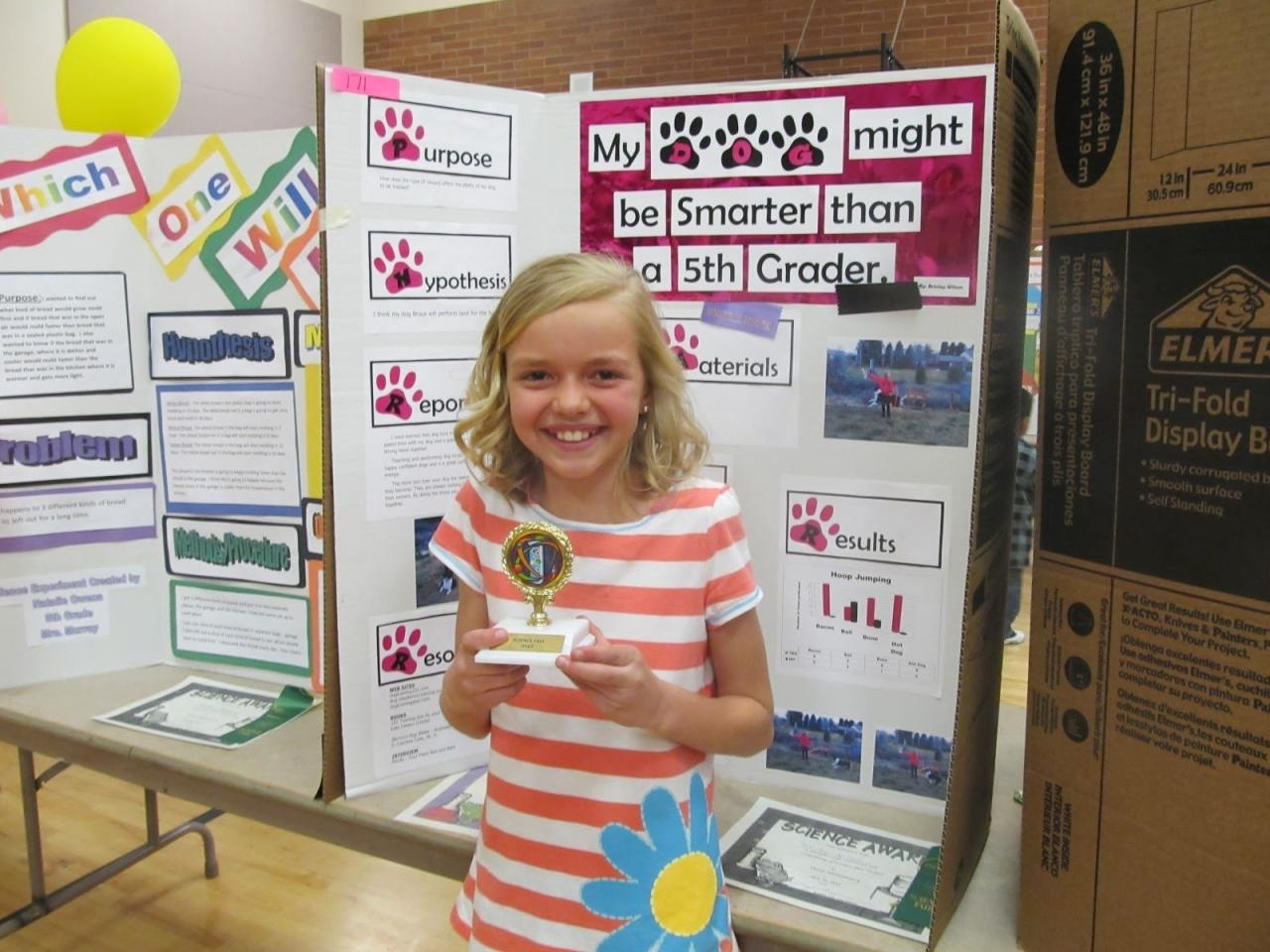
Your science fair display should be visually appealing and informative. Use a tri-fold board to present your project and organize it into sections. Include a title, hypothesis, materials, procedures, results, and conclusion. Use clear and concise language, diagrams, graphs, and photos to illustrate your findings.
Imagine the excitement in your classroom when your fifth graders build a working volcano or test the effects of different liquids on plant growth! These are just a couple of the 45 5th grade science projects that will blow your students’ minds.
And thankfully, amidst the recent news of commentary california education to be spared divisive statewide election battles this year , we can focus on nurturing that scientific curiosity and wonder in our classrooms. After all, engaging in hands-on experiments and exploring the world around them is what makes science come alive for young minds.
Judging Criteria
Science fair judges evaluate projects based on several criteria, including scientific thought, creativity, clarity, and presentation. A well-structured project with a clear hypothesis, well-designed experiment, and insightful conclusions will impress the judges.
Creating a Winning Presentation
A compelling presentation is essential for a successful science fair project. Practice your presentation beforehand to ensure you can explain your project clearly and confidently. Use visual aids, such as posters or models, to enhance your presentation and engage the audience.
Resources and Inspiration
It’s time to dive into the vast world of science resources! Your fifth-graders are about to embark on a journey of scientific exploration, and having the right tools at their disposal is crucial. This section will guide you to websites, books, and videos that will ignite their curiosity and empower them to conduct amazing science projects.
Online Resources for Science Projects
The internet is a treasure trove of information and inspiration for science projects. Here are some websites that can be invaluable for your students:
- Science Buddies:A comprehensive website with over 1,000 science project ideas, experiment guides, and resources for all grade levels. It’s a one-stop shop for everything your students need to get started. https://www.sciencebuddies.org/
- National Geographic Kids:This website offers a wealth of engaging articles, videos, and interactive games that explore a wide range of scientific topics. It’s a great way to spark curiosity and inspire creative thinking. https://kids.nationalgeographic.com/
- NASA Kids’ Club:For budding astronauts and space enthusiasts, NASA’s website offers fascinating information about space exploration, missions, and technology. It’s a fantastic resource for projects related to astronomy, physics, and engineering. https://www.nasa.gov/kidsclub/
- STEM Education:This website provides a curated collection of STEM resources, including project ideas, lesson plans, and articles for educators and students. It’s a valuable tool for finding inspiration and support for STEM-related projects. https://www.stem.org.uk/
Science Books for Inspiration
Sometimes, nothing beats the feel of a physical book in your hands. Here are some excellent books that can spark your students’ interest in science:
- “The Magic School Bus” series by Joanna Cole:This classic series uses fun and imaginative stories to teach science concepts in an engaging way. It’s a great way to introduce younger students to science and encourage them to explore the world around them.
- “National Geographic Kids Ultimate Book of Science” by National Geographic:Packed with stunning photographs and fascinating facts, this book covers a wide range of scientific topics, from the human body to the solar system. It’s a great resource for both inspiration and learning.
- “The Everything Kids’ Science Experiments Book” by Janice VanCleave:This book provides step-by-step instructions for hundreds of easy-to-do science experiments. It’s a great resource for hands-on learning and encourages students to explore science through experimentation.
Science Videos for Learning and Entertainment
Videos can bring science to life and make it more engaging for students. Here are some YouTube channels that offer educational and entertaining science content:
- SciShow:This channel explores a wide range of scientific topics in a fun and informative way. It’s a great resource for students who are curious about the world and want to learn more about science.
- The Brain Scoop:Hosted by Emily Graslie, this channel takes viewers behind the scenes at museums and explores fascinating specimens and exhibits. It’s a great way to learn about natural history and science in a fun and engaging way.
- Bill Nye the Science Guy:This classic science show is a great way to introduce students to science concepts in a humorous and entertaining way. It’s a great resource for both younger and older students.
Conclusion
The possibilities for 5th-grade science projects are truly endless, limited only by the boundless imagination of your students. By fostering a love for exploration and discovery, we can empower the next generation of scientists, inventors, and problem solvers. So, let’s embark on this journey together, transforming science into a captivating adventure for your students, and unleashing their potential to make a difference in the world.
Remember, every experiment, every project, is a step towards a brighter future, where curiosity and innovation lead the way.