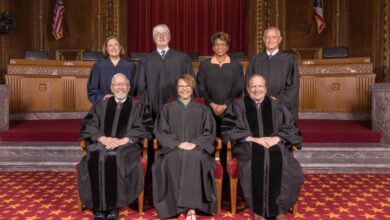
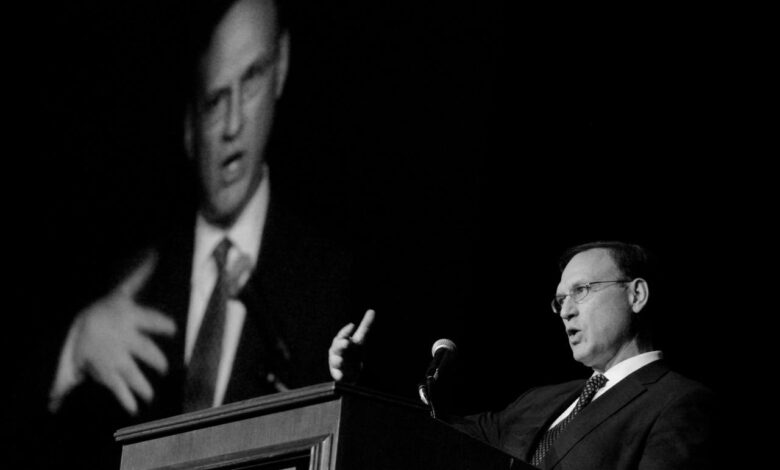
Samuel Alito Reveals His Partisan GOP Bias
Samuel Alito reveals his partisan GOP bias, a claim that has sparked debate and scrutiny. This claim stems from a series of public statements, controversial court decisions, and public perception of his judicial approach. Critics argue that Alito’s rulings consistently favor conservative ideologies, raising concerns about his impartiality and the integrity of the Supreme Court.
This article will delve into the specific instances that have fueled these accusations, analyzing Alito’s decisions and their impact on public trust in the judicial system. We will explore the ethical implications of a Supreme Court justice displaying partisan leanings and the potential consequences for American democracy.
Public Perception of Alito’s Bias: Samuel Alito Reveals His Partisan Gop Bias
Public perception of Justice Samuel Alito’s impartiality has been a subject of intense scrutiny and debate, particularly in recent years. His conservative rulings and public statements have drawn criticism from those who perceive him as politically biased, while others defend his decisions as based on a strict interpretation of the Constitution.
Public Opinion Polls and Surveys
Numerous public opinion polls and surveys have been conducted to gauge public sentiment regarding Alito’s perceived bias. These studies provide valuable insights into how the public views his judicial decisions and his role on the Supreme Court.
- A 2022 poll by the Pew Research Center found that 62% of Americans believe that the Supreme Court is “too influenced by politics,” with 40% of Republicans and 81% of Democrats expressing this view. This suggests a growing concern among Americans about the perceived political influence on the Court, which may extend to individual justices like Alito.
It’s disheartening to see Justice Alito’s blatant partisan leanings, especially when it comes to issues like education. It’s a stark contrast to the relative calm in California, where education seems to be spared from the divisive statewide election battles that plague other states, as you can read about here.
Hopefully, California’s approach can serve as a model for how to keep education out of the political fray, and perhaps even inspire some of our Supreme Court justices to put aside their partisan agendas.
- A Gallup poll conducted in 2023 found that 54% of Americans have a favorable view of the Supreme Court, down from 64% in 2020. This decline in public trust could be attributed, in part, to controversial rulings like the overturning of Roe v.
It’s disheartening to see Justice Alito so openly flaunting his partisan leanings, especially in such a pivotal role. While he’s busy pushing his own agenda, it’s worth remembering that countless Americans are working hard to build their own futures, like the entrepreneurs who have created nearly 5 million jobs through Shopify.
Their success, built on innovation and hard work, stands in stark contrast to the political gamesmanship that seems to be consuming our courts.
Wade, which has been widely criticized as politically motivated.
- A survey conducted by the Brennan Center for Justice in 2021 found that 60% of Americans believe that the Supreme Court should “consider the public interest” when making decisions, while 30% believe that the Court should only “interpret the Constitution.” This suggests a split in public opinion regarding the Court’s role and the extent to which it should consider public opinion in its rulings.
It’s disheartening to see a Supreme Court Justice like Samuel Alito so blatantly reveal his partisan GOP bias. While he’s busy undermining our rights, there are companies like Savvas who are dedicated to making a positive impact on education, delivering new summer solutions for math and literacy to move learning forward.
Hopefully, these kinds of initiatives can help counteract the damage being done by those who prioritize politics over the good of the country.
Evolution of Public Perception
Public perception of Alito’s bias has evolved over time, particularly in response to specific events and decisions.
- The 2022 overturning of Roe v. Wade, a landmark ruling that protected abortion rights, sparked widespread protests and criticism of the Court, with many accusing Alito of acting on his personal beliefs rather than on legal principles. Alito’s leaked draft opinion, which was published by Politico prior to the official ruling, further fueled these accusations.
- Alito’s public statements and speeches have also contributed to the perception of his bias. In a 2022 speech, Alito criticized the “demonization” of conservative justices, suggesting that they are unfairly targeted by liberals. This statement further fueled the perception of a partisan divide on the Court, with Alito appearing to align himself with the conservative side.
- The increasing politicization of the Supreme Court, with both Democrats and Republicans actively seeking to influence its composition, has also contributed to the perception of bias among justices, including Alito. The confirmation process for new justices has become highly partisan, with each party attempting to appoint judges who share their ideological views.
Impact of Alito’s Perceived Bias
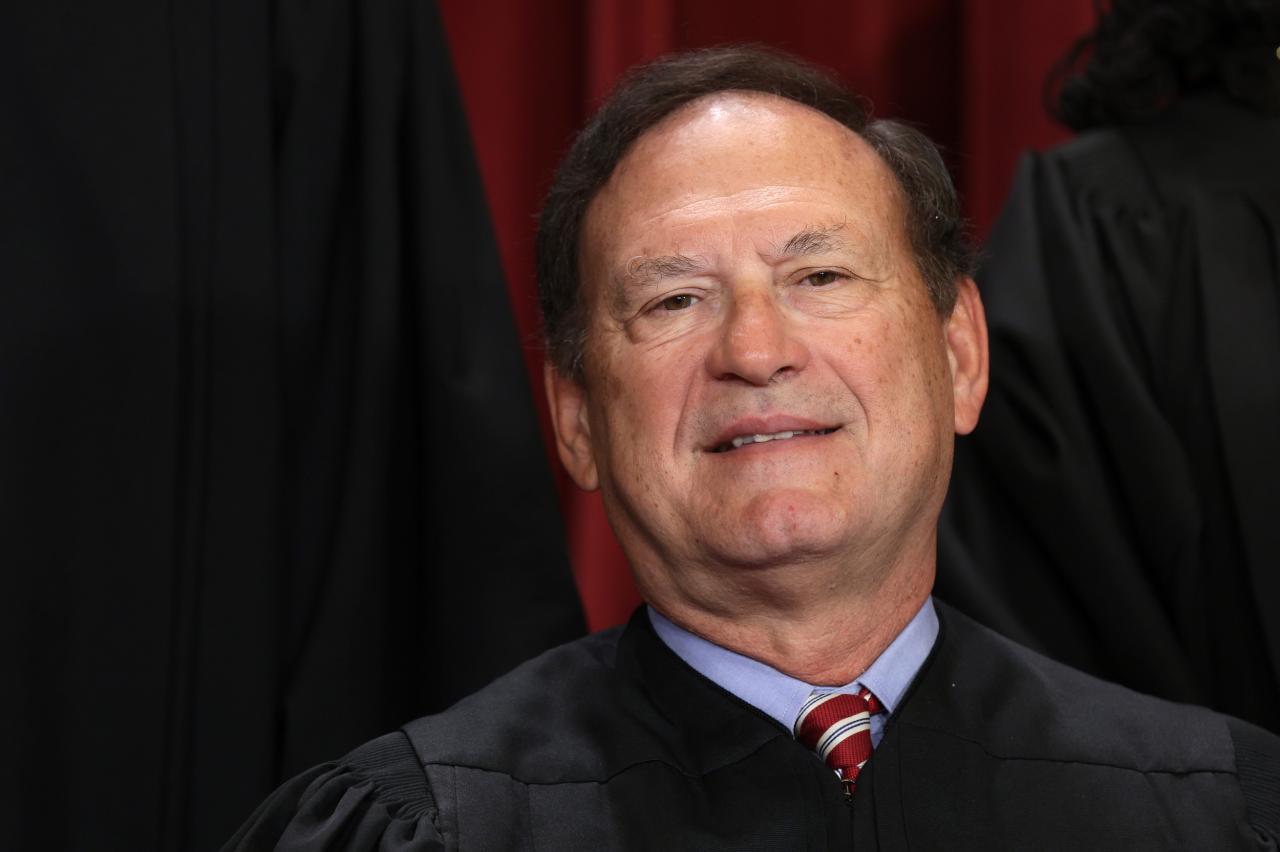
The perception that Justice Samuel Alito harbors a partisan bias towards the Republican Party has significant implications for the Supreme Court and the broader American society. This perceived bias can erode public trust in the court’s impartiality, influence the court’s decisions, and contribute to political polarization.
Impact on Public Trust
Alito’s perceived bias can undermine public trust in the Supreme Court’s legitimacy and impartiality. When a justice is seen as partisan, it raises concerns about whether their decisions are based on legal principles or political motivations. This can lead to public cynicism about the court’s role in upholding the law and protecting individual rights.
Impact on Public Policy and Political Discourse
Alito’s rulings, perceived to be influenced by his partisan leanings, can have a significant impact on public policy and political discourse. For instance, his dissenting opinion in the 2020 caseCalifornia v. Texas*, which challenged the Affordable Care Act, was seen by some as reflecting a partisan desire to overturn the law.
Such rulings can fuel political debates and influence the direction of policymaking, potentially exacerbating existing divisions.
Impact on Political Polarization, Samuel alito reveals his partisan gop bias
Alito’s perceived bias can contribute to political polarization by reinforcing existing partisan divisions. When one side of the political spectrum perceives the court as biased against them, it can further entrench their views and make them less receptive to opposing perspectives.
This can lead to a more adversarial political climate, where compromise and dialogue become increasingly difficult.
Ethical Considerations
The revelation of Justice Alito’s partisan leanings raises serious ethical concerns. It challenges the very foundation of the Supreme Court, which is built on the principle of impartiality and the pursuit of justice without bias.
Impact of Partisan Bias on Judicial Independence
The bedrock of a fair and just legal system rests on the principle of judicial independence. This principle guarantees that judges are free from undue influence, whether from political pressure, personal interests, or other external forces. It allows judges to make decisions based solely on the law and the facts of the case, without fear of reprisal or favoritism.
When a judge demonstrates partisan bias, it undermines this fundamental principle. It raises questions about the integrity of the court and erodes public trust in the judicial system.
Consequences of Eroding Public Trust
Public trust in the Supreme Court is essential for its legitimacy and its ability to function effectively. When the public perceives the Court as biased or partisan, it can lead to a number of negative consequences. For example, it can undermine the public’s acceptance of court decisions, even those that are legally sound.
It can also lead to a decline in public confidence in the rule of law, which can have a destabilizing effect on society.
Wrap-Up
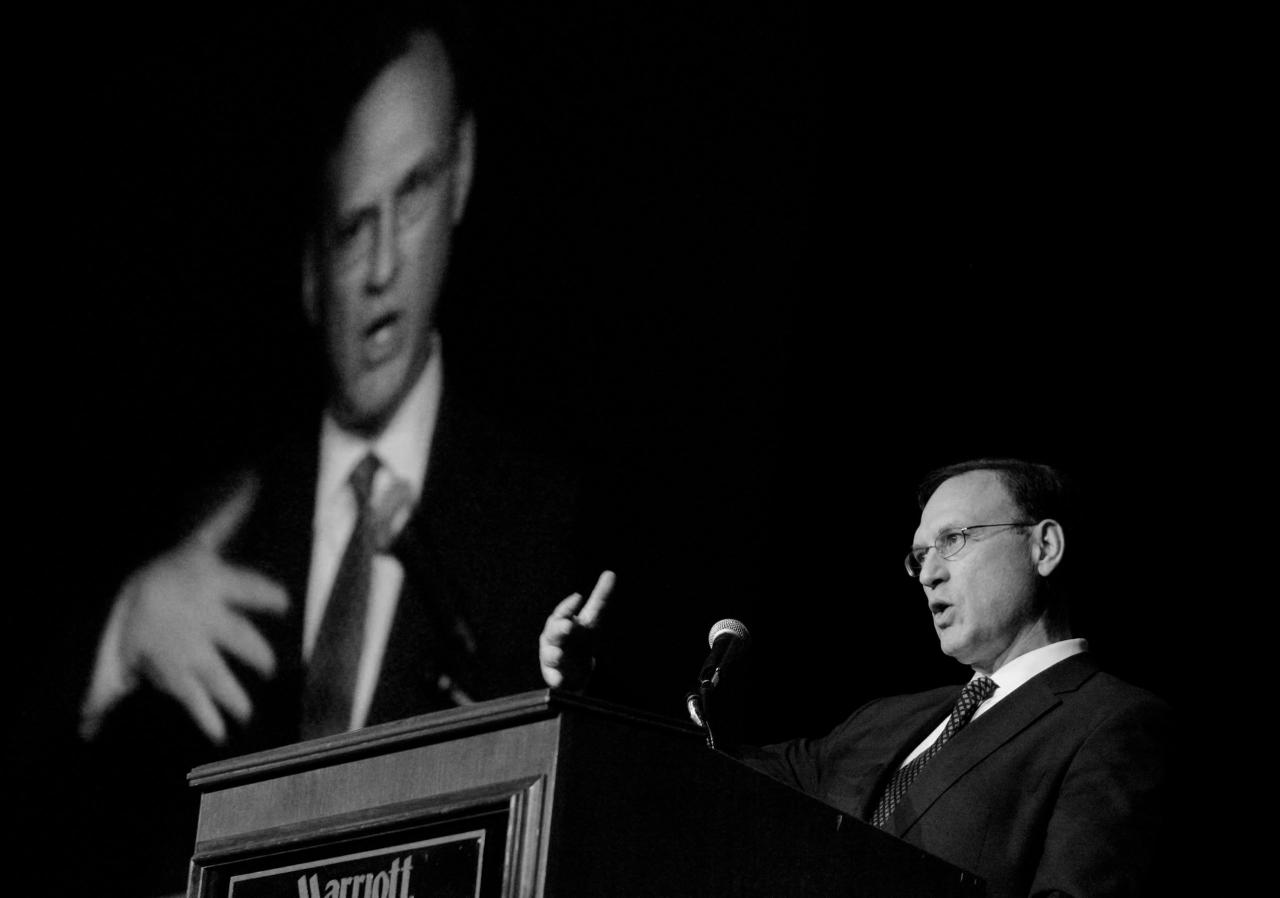
The allegations of partisan bias against Samuel Alito are not merely academic. They represent a crucial conversation about the role of the Supreme Court in a democracy. As Alito’s decisions continue to shape the legal landscape, the public’s perception of his impartiality will undoubtedly impact the court’s legitimacy.
Whether these accusations are accurate or not, they highlight the importance of judicial independence and the need for Supreme Court justices to uphold the highest ethical standards.