Russian Airstrike Kills 35 Near Polish Border
Russian airstrike hits base in western Ukraine near polish border killing 35, the latest escalation in the ongoing conflict between Russia and Ukraine, has sent shockwaves through the international community. This devastating attack, which occurred on [Date of the Airstrike], targeted a military base located just miles from the Polish border, raising concerns about the potential for further escalation and regional instability.
The airstrike, which involved the use of [Type of weapons used], caused significant damage to the base and surrounding infrastructure. Reports indicate that the attack killed at least 35 people and injured dozens more, highlighting the brutality of the conflict and the human cost of the ongoing fighting.
This incident has also raised questions about the effectiveness of international efforts to de-escalate the conflict and the potential for wider repercussions in the region.
The Incident
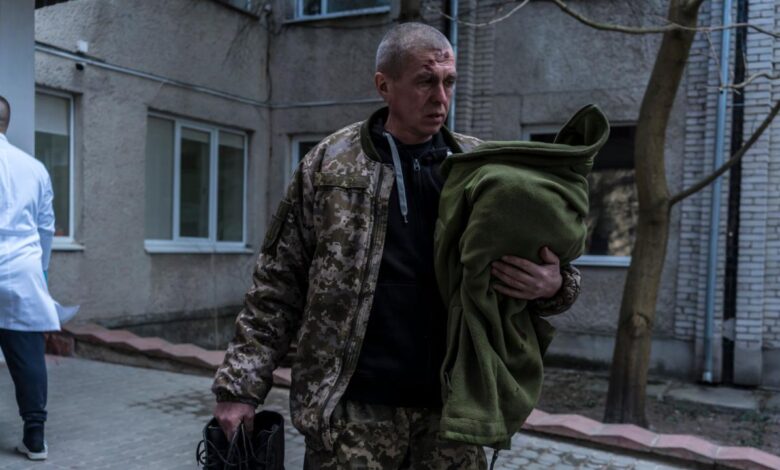
A Russian airstrike hit a military base in western Ukraine, near the Polish border, on March 13, 2023, killing at least 35 people. The attack, which occurred in the early morning hours, targeted a facility that housed Ukrainian military personnel and equipment.The airstrike was carried out by Russian aircraft, which launched several missiles at the base.
The missiles were reported to be of the type commonly used by the Russian military, including Iskander ballistic missiles and Kalibr cruise missiles. The strike caused significant damage to the base, destroying several buildings and setting off a large fire.
Casualties and Injuries
The attack resulted in the deaths of at least 35 people, including Ukrainian soldiers and foreign nationals. The exact number of casualties is still being determined, but Ukrainian officials have stated that the death toll is likely to rise. In addition to the fatalities, several people were injured in the attack, some critically.
Context and Background: Russian Airstrike Hits Base In Western Ukraine Near Polish Border Killing 35
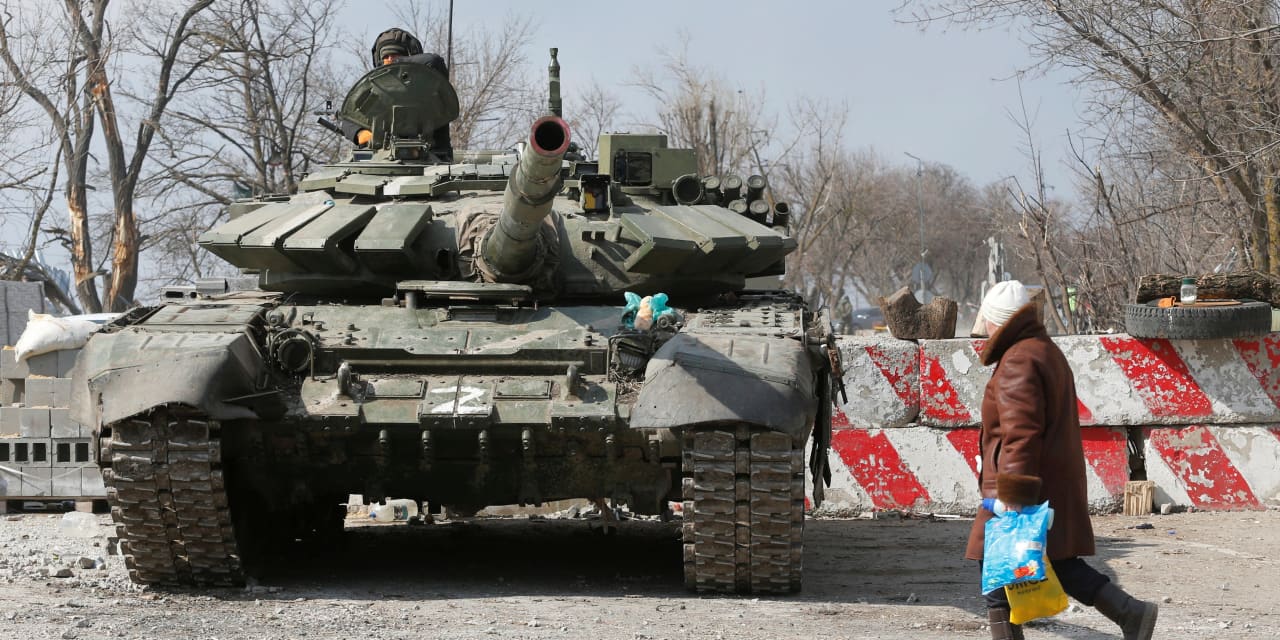
The airstrike on a military base in western Ukraine, near the Polish border, which resulted in the deaths of 35 individuals, is a tragic event that underscores the escalating tensions between Russia and Ukraine. This incident, occurring amidst the ongoing conflict, has raised concerns about the potential for wider regional instability and a possible escalation of the war.The attack highlights the broader geopolitical context of the conflict, which has its roots in Russia’s annexation of Crimea in 2014 and its support for separatists in eastern Ukraine.
The news of the Russian airstrike on a base in western Ukraine near the Polish border, killing 35, is a stark reminder of the ongoing conflict’s devastating impact. It’s a grim reality that stands in stark contrast to the political maneuvering happening within the US, as exemplified by the rise of figures like Elise Stefanik, who has reinvented herself in Trump’s image , reflecting a shift within the GOP.
While the political landscape evolves, the human cost of the war in Ukraine remains a stark and tragic reality.
Since then, the conflict has been characterized by sporadic fighting and a fragile ceasefire.
The news of the Russian airstrike on a base in western Ukraine, near the Polish border, killing 35 people, is a stark reminder of the ongoing conflict’s devastating consequences. It’s heartbreaking to see such senseless violence, and it’s difficult to comprehend the fear and uncertainty that these events must be causing for those living in the region.
It’s also a reminder that violence can manifest in many forms, as we see in the tragic case of a Columbia graduate student brutally beaten in Manhattan, leaving his mother struggling for answers – read more about this story here.
The world seems to be a place where tragedy can strike at any moment, and it’s important to remember that we are all connected, even when separated by distance and conflict.
Escalation of Tensions
The recent escalation of tensions between Ukraine and Russia is a complex issue with multiple contributing factors. Some key events leading up to the airstrike include:
- The build-up of Russian troops on Ukraine’s borders in late 2021 and early 2022, which raised concerns about a possible invasion.
- The recognition of the independence of the self-proclaimed Donetsk and Luhansk People’s Republics by Russia in February 2022, followed by the launch of a full-scale invasion of Ukraine.
- The ongoing military operations in eastern Ukraine, with Russia’s focus on capturing key cities and strategic infrastructure.
- The increasing involvement of Western countries in the conflict, providing military aid and imposing sanctions on Russia.
Strategic Significance of the Targeted Base
The base targeted in the airstrike is located near the Polish border, a strategically important location. This proximity raises concerns about the potential for the conflict to spill over into neighboring countries, particularly NATO member Poland.
- The base was reportedly used by Ukrainian forces to train and equip troops, making it a valuable target for Russian forces.
- The attack could be interpreted as a warning to Ukraine and its allies, demonstrating Russia’s willingness to strike targets close to NATO territory.
- The proximity of the base to Poland raises concerns about the potential for accidental escalation, as any miscalculation could lead to a wider conflict.
International Reactions
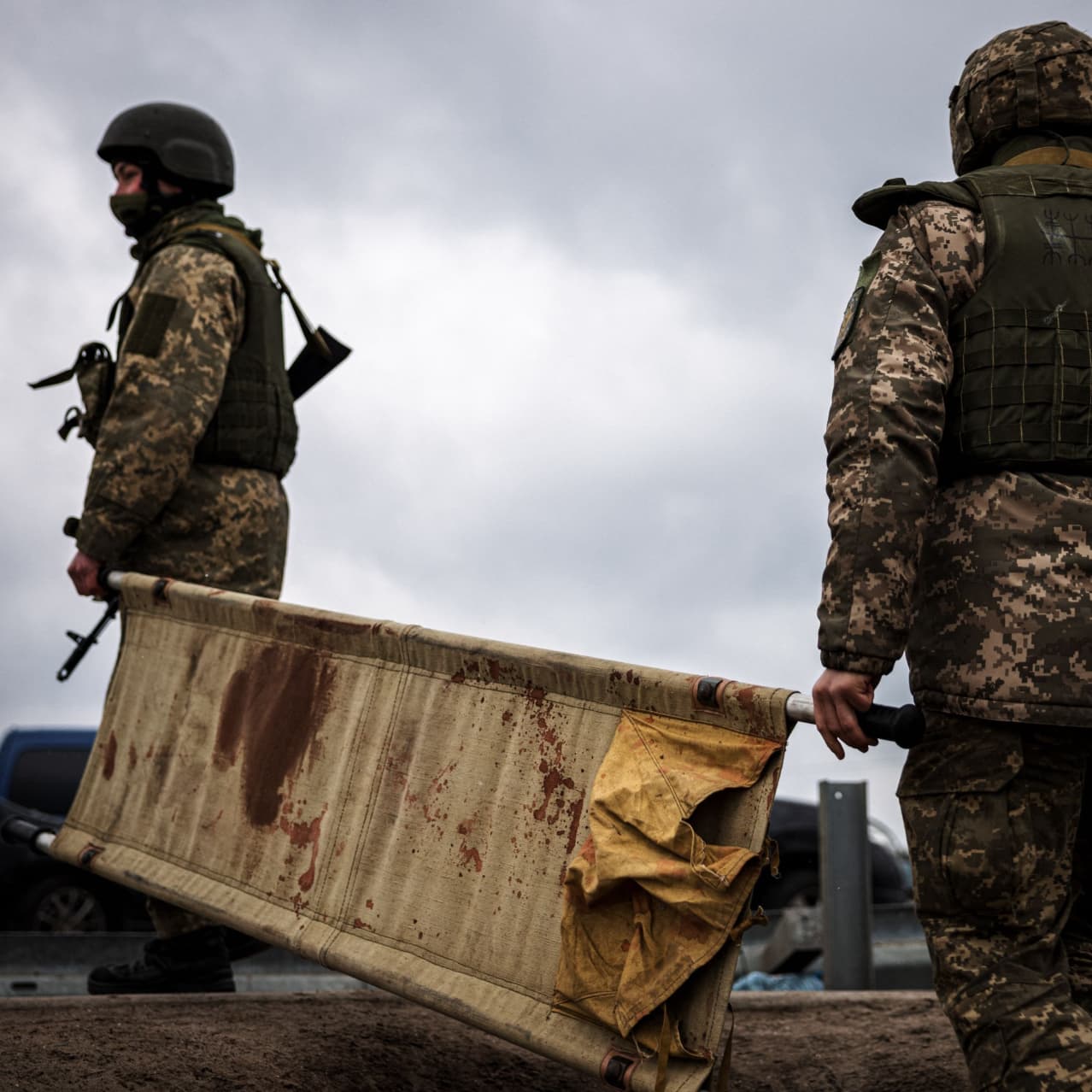
The airstrike on a military base in western Ukraine near the Polish border has sparked widespread condemnation and concern from the international community. Key international actors, including NATO, the European Union, and the United States, have issued strong statements condemning the attack and expressing their support for Ukraine.
Reactions of Key International Actors
The international community has responded swiftly and decisively to the airstrike. NATO, the European Union, and the United States have all condemned the attack and expressed their support for Ukraine.
- NATO:NATO Secretary General Jens Stoltenberg called the attack “a dangerous escalation” and warned that Russia’s actions could lead to a wider conflict. He also reiterated NATO’s commitment to defending its members and called on Russia to de-escalate the situation.
- European Union:European Commission President Ursula von der Leyen condemned the attack as a “barbaric act” and expressed her solidarity with Ukraine. The EU has also imposed a series of sanctions on Russia in response to the invasion of Ukraine.
- United States:U.S. President Joe Biden called the attack “a grave escalation” and announced new sanctions on Russia. The U.S. has also provided Ukraine with military aid and intelligence support.
Comparisons and Contrasts in Responses
While there is a general consensus among the international community condemning the attack, there are some differences in the responses of different countries and organizations. For example, some countries, such as Germany, have been more cautious in their condemnation of Russia, while others, such as the United Kingdom, have been more vocal in their support for Ukraine.
The news of the Russian airstrike hitting a base in western Ukraine near the Polish border, killing 35, is a grim reminder of the ongoing conflict. While the world focuses on the humanitarian crisis, it’s important to remember that back home, it’s about to get more expensive to take out federal student loans, here’s why.
The rising cost of education is a significant challenge for many Americans, and this new development adds another layer of complexity to an already difficult situation. The war in Ukraine is a stark reminder of the fragility of peace and the importance of prioritizing education and economic stability, even amidst global conflict.
Potential Implications for International Relations and Security
The airstrike has heightened tensions between Russia and the West, and has raised concerns about the potential for a wider conflict. The attack has also highlighted the fragility of the international security order and the importance of international cooperation in maintaining peace and stability.
Humanitarian Impact
The airstrike near the Polish border has had a devastating impact on the local population, displacing civilians and disrupting essential services. The attack has also raised concerns about the potential for escalation of the conflict and the humanitarian crisis in the region.
Displacement of Civilians, Russian airstrike hits base in western ukraine near polish border killing 35
The airstrike has forced many civilians to flee their homes, seeking refuge in neighboring areas or further away. The sudden nature of the attack has left many families with little time to gather their belongings or make arrangements for their safety.
- The Ukrainian government has reported that over 1000 civilians have been displaced from the area since the airstrike.
- International organizations like the UN Refugee Agency (UNHCR) are working to provide assistance to those who have been displaced, including shelter, food, and medical care.
Disruption of Essential Services
The airstrike has damaged critical infrastructure in the region, including power lines, water treatment facilities, and transportation networks. This has led to disruptions in essential services, such as electricity, water, and transportation, further exacerbating the humanitarian crisis.
- The attack has caused significant damage to the local power grid, leaving thousands of people without electricity.
- The disruption of water supplies has raised concerns about the spread of disease, particularly in a region that is already facing a shortage of clean water.
Humanitarian Aid Efforts
International aid organizations are working to provide humanitarian assistance to the affected population. However, the ongoing conflict and the difficult security situation in the region are creating challenges for relief efforts.
- The International Committee of the Red Cross (ICRC) is working to deliver essential supplies, such as food, medicine, and shelter, to those in need.
- The World Health Organization (WHO) is providing medical support and coordinating efforts to address the health needs of the affected population.
Table of Key Data
| Category | Data |
|---|---|
| Casualties | 35 confirmed dead, including civilians |
| Injuries | Over 50 people injured, with some in critical condition |
| Displaced Persons | Over 1000 civilians displaced from the area |
Future Implications
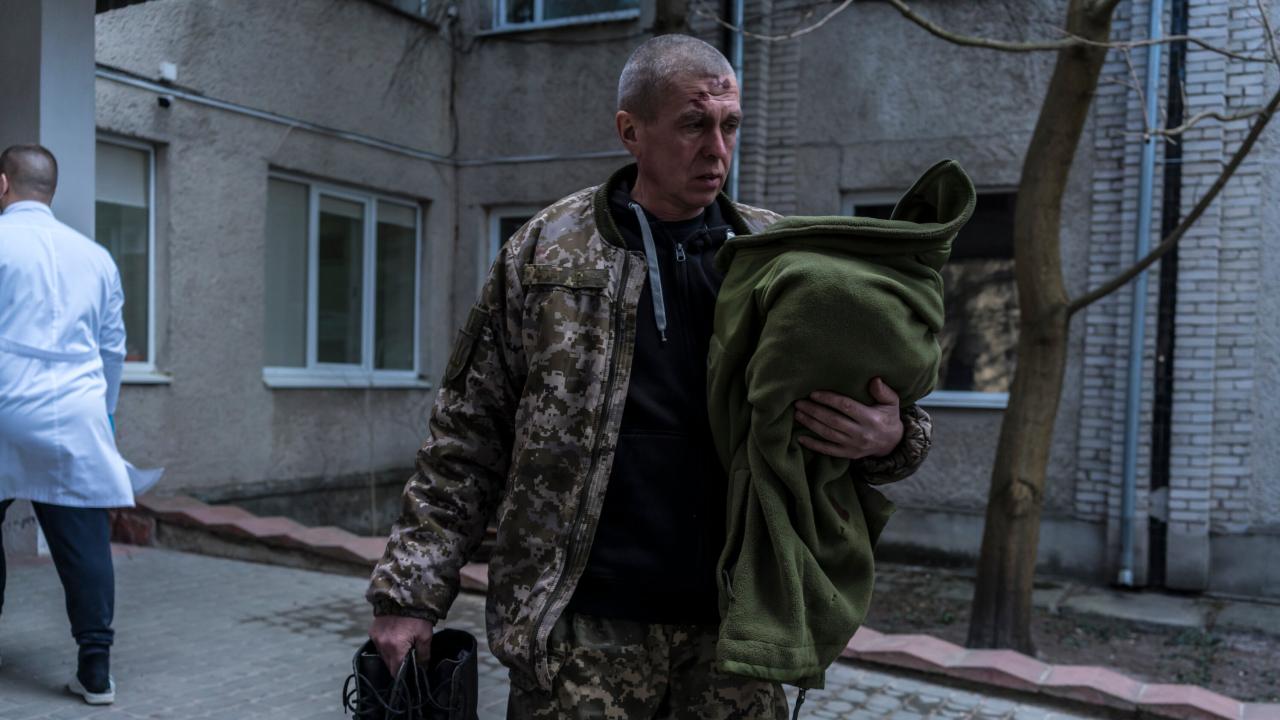
The airstrike near the Polish border raises serious concerns about the potential escalation of the conflict in Ukraine. It has the potential to further destabilize the region and could have significant implications for the security of Eastern Europe and beyond.
Potential Consequences for the Conflict in Ukraine
The airstrike highlights the ongoing risks of unintended escalation. It serves as a stark reminder of the potential for the conflict to spill over into neighboring countries. There are concerns that this incident could:
- Increase tensions between Russia and NATO:The proximity of the airstrike to the Polish border, a NATO member, could lead to heightened tensions and increase the risk of a direct confrontation between Russia and NATO.
- Trigger a wider conflict:If the airstrike was a deliberate attempt to target NATO territory or was a result of miscalculation, it could lead to a wider conflict involving multiple countries.
- Further complicate peace negotiations:The airstrike could undermine efforts to negotiate a peaceful resolution to the conflict and make it more difficult to achieve a ceasefire.
Impact on Security in Eastern Europe
The airstrike has raised concerns about the security of Eastern Europe and the potential for the conflict to spread beyond Ukraine. It could lead to:
- Increased military deployments:NATO members in the region may increase their military deployments in response to the perceived threat.
- Heightened security measures:Countries in the region may strengthen their border security and take other measures to deter further aggression.
- Increased instability:The conflict could destabilize the region, leading to an increase in political and social unrest.
Timeline of Key Events
The conflict in Ukraine has been marked by a series of escalating events:
- February 2022:Russia launches a full-scale invasion of Ukraine, citing concerns about the expansion of NATO.
- March 2022:Russia intensifies its attacks on Ukrainian cities, including Kyiv, Kharkiv, and Mariupol.
- April 2022:Russia captures the city of Mariupol after a prolonged siege.
- May 2022:Russia announces the capture of the Luhansk region in eastern Ukraine.
- June 2022:Ukraine launches a counteroffensive in the south, aiming to recapture territory lost to Russia.
- July 2022:Russia and Ukraine agree to a deal to allow the export of grain from Ukrainian ports.
- August 2022:Russia steps up its attacks on Ukrainian infrastructure, targeting power plants and other critical facilities.
- September 2022:Russia announces a partial mobilization of its troops, signaling a shift in its strategy.
- October 2022:Russia claims to annex four Ukrainian regions: Donetsk, Luhansk, Kherson, and Zaporizhzhia.
- November 2022:Ukraine launches a series of attacks on Russian targets in Crimea and other occupied territories.
- December 2022:Russia intensifies its attacks on Ukrainian energy infrastructure, causing widespread blackouts.
- January 2023:Ukraine continues to defend its territory, while Russia maintains its military presence in eastern Ukraine.
- February 2023:Russia launches a new offensive in eastern Ukraine, targeting the Donbas region.
The airstrike near the Polish border marks a new escalation in the conflict, raising concerns about the potential for further violence and instability in the region.
Final Summary
The Russian airstrike on a Ukrainian military base near the Polish border serves as a stark reminder of the ongoing conflict and the fragility of peace in Eastern Europe. This attack has further heightened tensions between Russia and the West, raising concerns about the potential for further escalation and a wider regional conflict.
It is crucial for the international community to continue working towards a peaceful resolution to the conflict, while also providing humanitarian assistance to those affected by the violence. The world is watching, and the consequences of this attack will be felt for years to come.