
Maria Bartiromo Under Fire Over Bizarre Biden-Putin Claim
Maria bartiromo under fire over bizarre claim about biden and putin – Maria Bartiromo Under Fire Over Bizarre Biden-Putin Claim: The conservative news anchor has come under intense scrutiny for a controversial statement she made regarding President Biden and Russian President Vladimir Putin. Bartiromo’s claim, made during a recent broadcast, sparked widespread outrage and accusations of misinformation.
The controversy has reignited debates about the role of media in shaping public discourse and the potential impact of biased reporting on public trust.
The core of the controversy revolves around Bartiromo’s assertion that President Biden and Putin have a close relationship, with some even suggesting a level of complicity between the two leaders. Bartiromo’s claim, however, has been met with fierce pushback from journalists, politicians, and experts who argue that it lacks any credible evidence and is a deliberate attempt to misrepresent the complex dynamics between the United States and Russia.
Maria Bartiromo’s Claim
Maria Bartiromo, a prominent Fox News anchor, made a controversial claim about President Joe Biden and Russian President Vladimir Putin during a segment on her show, “Sunday Morning Futures.” Her claim, which sparked widespread criticism and scrutiny, alleged a connection between Biden and Putin, suggesting a potential influence of the latter on the former.
Bartiromo’s claim was made in the context of a discussion about the ongoing war in Ukraine and the broader geopolitical tensions between the United States and Russia. She presented her claim as a significant revelation, implying a deeper and more sinister relationship between the two leaders than previously understood.
The Nature of the Claim
Bartiromo’s claim centered around a purported financial connection between Biden and Putin, suggesting that Putin had some form of leverage over Biden. She presented this claim without providing any concrete evidence or documentation to support it. Her assertion was based on a combination of vague allegations and insinuations, relying heavily on innuendo rather than factual proof.
Context and Specificity
While Bartiromo did not explicitly state the nature of this alleged financial connection, her claim implied a possible financial entanglement that could potentially influence Biden’s decision-making regarding Russia. This implication was further fueled by her reference to Biden’s past involvement in Ukraine, specifically his son Hunter Biden’s business dealings in the country.
Lack of Evidence
Bartiromo’s claim lacked any concrete evidence or credible sources to support it. She did not present any financial records, documents, or testimonies that could substantiate her allegations. Her reliance on vague assertions and insinuations raised concerns about the accuracy and validity of her claim.
Criticism and Responses
Bartiromo’s claim faced immediate criticism from various sources, including journalists, political analysts, and fact-checking organizations. They pointed out the lack of evidence and the speculative nature of her allegations.
Subsequent Investigations
Following Bartiromo’s claim, there have been no credible investigations or inquiries that have substantiated her allegations. The claim has been widely dismissed as unsubstantiated and politically motivated, with no credible evidence emerging to support it.
Maria Bartiromo’s recent claim about Biden and Putin has sparked outrage, and it’s just another example of how misinformation can spread like wildfire in our digital age. The way web design and development is taught often fails to equip students with the critical thinking skills needed to discern truth from fiction, as outlined in this thought-provoking article the horrifying problem with the way web design and development is taught.
This lack of critical thinking can have serious consequences, as we see with Bartiromo’s case, and it’s a problem we need to address if we want a more informed and discerning online world.
Public Reaction and Criticism
Maria Bartiromo’s claim sparked widespread outrage and criticism from journalists, politicians, and experts. Her statement was widely condemned as inaccurate, misleading, and harmful.
Criticism from Journalists and Media Outlets
The media landscape quickly responded to Bartiromo’s claim with a wave of criticism. Many journalists and news organizations pointed out the factual inaccuracies in her statement and challenged her interpretation of the events.
- The Washington Post published an article titled “Fox News’ Maria Bartiromo Spreads Misinformation About Biden and Putin,” which debunked her claim and highlighted the evidence contradicting her narrative.
- CNN’s Brian Stelter, in his “Reliable Sources” program, dedicated a segment to analyzing Bartiromo’s statement and its implications, calling it “dangerous misinformation.”
- The New York Times ran an op-ed by a former intelligence official, who refuted Bartiromo’s claim and explained the real dynamics of the situation.
Pushback from Politicians and Experts
Beyond the media, Bartiromo’s claim also faced pushback from politicians and experts.
Maria Bartiromo’s recent claims about Biden and Putin have sparked a firestorm of criticism, and while the political landscape heats up, it’s important to remember that there are other pressing issues facing Americans. For instance, did you know that it’s about to get more expensive to take out federal student loans?
This article explains why and what it means for borrowers. As we navigate these challenging times, it’s crucial to stay informed about both political and economic developments that impact our lives.
- Several Democratic lawmakers publicly criticized Bartiromo’s statement, calling it “reckless” and “irresponsible.”
- Former U.S. Ambassador to Russia Michael McFaul, a prominent Russia expert, tweeted a detailed explanation of why Bartiromo’s claim was false and why her interpretation was misleading.
- The Council on Foreign Relations, a leading think tank, issued a statement debunking Bartiromo’s claim and providing a more accurate assessment of the situation.
Arguments Challenging Bartiromo’s Claim
The criticism of Bartiromo’s claim centered around several key arguments.
- Lack of Evidence:Critics pointed out that Bartiromo provided no credible evidence to support her claim. Her statement was based on speculation and conjecture, not on verifiable facts.
- Misinterpretation of Events:Bartiromo’s claim misrepresented the events leading up to the meeting between Biden and Putin. She ignored crucial context and selectively presented information to fit her narrative.
- Dangerous Implications:Critics argued that Bartiromo’s claim could have dangerous implications, as it could sow distrust in the government and undermine public confidence in the media.
Analysis of the Claim
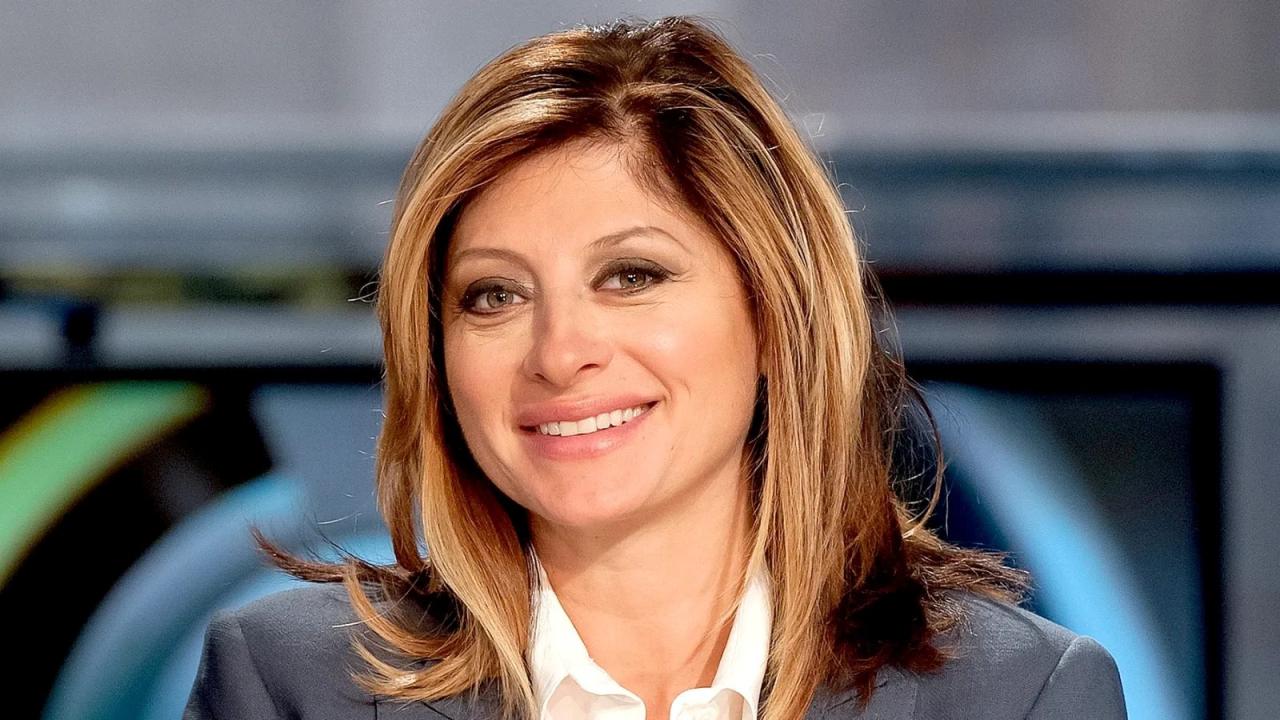
Maria Bartiromo’s claim that President Biden and Russian President Vladimir Putin have a “secret deal” to increase oil prices has been widely disputed and criticized. This analysis will delve into the factual accuracy of the claim, explore potential biases or motives behind Bartiromo’s statement, and examine the potential impact of this claim on public opinion and political discourse.
Fact-Checking the Claim
Bartiromo’s claim lacks credible evidence to support it. The claim is based on speculation and lacks any concrete proof of a secret agreement between Biden and Putin. Experts in international relations and energy markets have refuted this claim, pointing to the complex geopolitical factors driving oil prices, including global demand, supply chain disruptions, and the ongoing war in Ukraine.
Potential Biases and Motives
Bartiromo’s claim aligns with a broader narrative promoted by some conservative media outlets that seeks to blame Biden for rising gas prices. This narrative often positions Biden as weak on foreign policy and accuses him of prioritizing environmental regulations over energy independence.
It is important to note that Bartiromo has a history of promoting conservative viewpoints and has been criticized for her coverage of political issues.
Impact on Public Opinion and Political Discourse
The dissemination of unsubstantiated claims can have a significant impact on public opinion and political discourse. Bartiromo’s claim, despite lacking evidence, has been amplified by conservative media outlets and has contributed to a climate of misinformation and distrust. This can lead to a polarization of views and hinder constructive dialogue on important issues.
Media Coverage and Analysis: Maria Bartiromo Under Fire Over Bizarre Claim About Biden And Putin

Maria Bartiromo’s claim regarding President Biden and Russian President Putin sparked significant media coverage, with various outlets reporting on the incident and offering their perspectives. Examining the tone and framing employed by these outlets provides insights into how the media landscape shapes public discourse.
The recent controversy surrounding Maria Bartiromo’s claims about Biden and Putin highlights the importance of clear communication and responsible reporting. It’s a stark contrast to Elon Musk’s recent controversial return-to-office plan, which, while disruptive, made one important point every leader should follow: being clear and upfront about expectations.
While Bartiromo’s claims have sparked outrage, Musk’s plan, though polarizing, at least provided employees with a clear understanding of the new work environment. Ultimately, transparency is key, whether you’re a news anchor or a tech CEO.
Analysis of Media Coverage
The media coverage of Bartiromo’s claim exhibited a clear divide in its approach, with some outlets adopting a critical stance while others appeared to endorse her statement.
- Critical Coverage:Outlets like The Washington Post, The New York Times, and CNN presented Bartiromo’s claim as false and misleading. They highlighted the lack of evidence to support her assertion and emphasized the potential harm of spreading such unsubstantiated information. These outlets often used strong language to express their disapproval, calling her claim “bizarre,” “unhinged,” and “dangerous.”
- Supportive Coverage:Conversely, outlets like Fox News and Newsmax offered a more sympathetic view of Bartiromo’s claim. While they acknowledged the lack of evidence, they often presented her statement as a legitimate opinion or a potential point of debate. These outlets tended to downplay the controversy surrounding the claim and focused on the broader political context, framing it as a critique of the Biden administration’s policies.
Impact on Public Discourse
The media’s response to Bartiromo’s claim highlights the complex role of the media in shaping public discourse. The differing perspectives presented by various outlets reflect the broader political and ideological divides in society. This incident serves as a reminder of the importance of media literacy, critical thinking, and fact-checking in navigating a media landscape increasingly characterized by misinformation and polarization.
Implications for Trust in Media
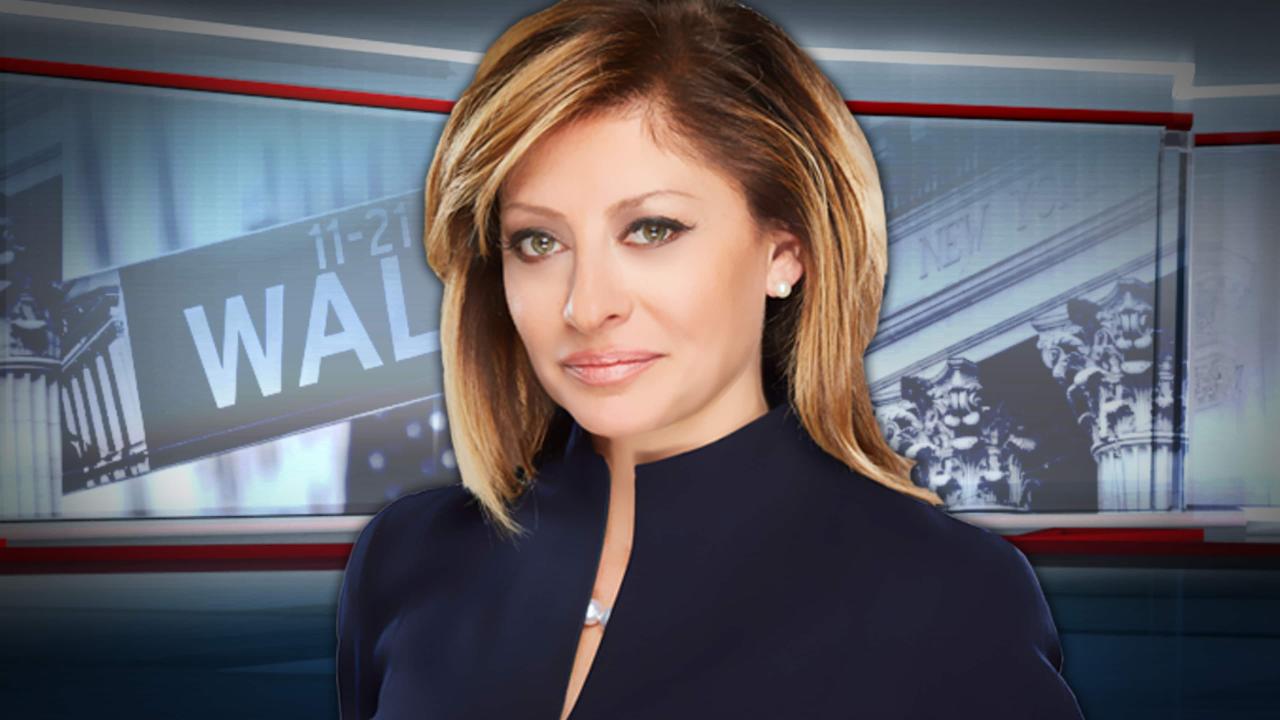
Maria Bartiromo’s controversial claim regarding President Biden and Russian President Putin has sparked widespread debate and raised concerns about the potential impact on public trust in media. This incident, coupled with the existing concerns about misinformation and biased reporting, highlights the critical need for media literacy and critical thinking skills in today’s information landscape.
Erosion of Trust and Credibility, Maria bartiromo under fire over bizarre claim about biden and putin
This event could further erode public trust in media, especially among those who already harbor skepticism towards traditional news sources. The spread of misinformation and the perception of bias can lead to a decline in the public’s faith in the media’s ability to provide accurate and reliable information.
A significant portion of the population might question the objectivity and integrity of news organizations, leading to a polarization of views and a decline in the media’s ability to serve as a trusted source of information.
Conclusion
The controversy surrounding Maria Bartiromo’s claim highlights the ongoing challenge of discerning truth from misinformation in the digital age. The incident underscores the importance of media literacy and critical thinking in navigating a media landscape increasingly saturated with biased reporting and questionable claims.
As we move forward, it is crucial to engage with information critically, seeking out diverse perspectives and verifying sources to ensure that we are forming our opinions based on accurate and reliable information.