Romney Warns of Extraordinary Challenge to American Democracy
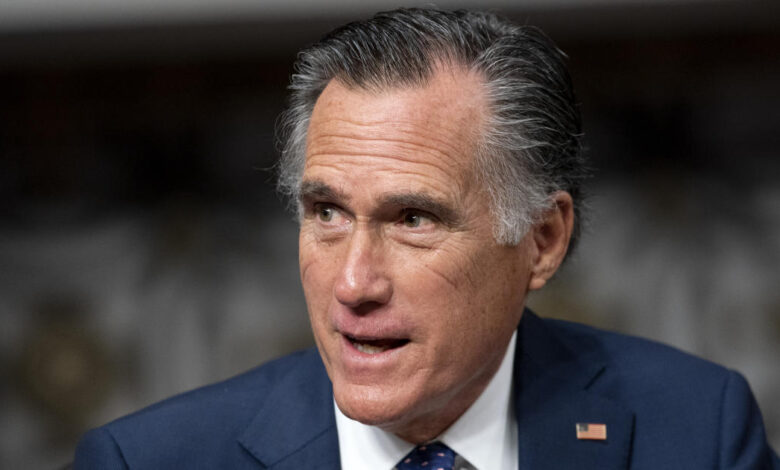
In private speech romney warns of extraordinary challenge to preserve american democracy – In a private speech, Mitt Romney, a prominent figure in American politics, issued a stark warning about the extraordinary challenge facing the preservation of American democracy. His words, delivered in a setting that underscores their gravity, paint a picture of a nation grappling with forces that threaten the very foundations of its democratic system.
Romney’s warning goes beyond mere rhetoric, delving into the specific threats he perceives, their historical context, and the potential consequences if left unchecked. He emphasizes the importance of recognizing these challenges and taking proactive steps to safeguard American democracy, urging citizens, institutions, and the government to play their respective roles in this crucial endeavor.
Preserving American Democracy
Mitt Romney, a prominent figure in American politics, has expressed deep concern about the challenges facing American democracy. He believes that these challenges are extraordinary and require immediate attention to safeguard the future of the nation.
Threats to American Democracy
Romney, in his private speech, identified various threats to American democracy. These threats, if left unchecked, could erode the very foundations of the democratic system. It’s crucial to understand these threats to develop effective solutions for preserving American democracy.
| Threats to Democracy | Potential Solutions |
|---|---|
| Erosion of trust in institutions and government | Promoting transparency, accountability, and ethical conduct within government. Engaging citizens in public discourse and decision-making processes. Fostering civic education to instill understanding and appreciation for democratic values. |
| Polarization and division within society | Encouraging constructive dialogue and fostering common ground among different groups. Promoting media literacy to combat misinformation and disinformation. Supporting initiatives that bridge divides and promote social cohesion. |
| Foreign interference in elections and political processes | Strengthening cybersecurity measures to protect election infrastructure. Implementing stricter regulations on foreign influence in domestic politics. Raising awareness about foreign interference tactics and promoting vigilance among citizens. |
| Suppression of voting rights and access to the ballot box | Enacting legislation that protects and expands voting rights. Combating voter suppression tactics, such as gerrymandering and voter ID laws. Promoting voter registration drives and increasing accessibility to polling places. |
| Spread of misinformation and disinformation | Promoting media literacy and critical thinking skills. Supporting fact-checking initiatives and independent journalism. Encouraging responsible use of social media platforms and combating the spread of false information. |
Role of Citizens, Institutions, and Government
Preserving American democracy is a shared responsibility that requires the active participation of citizens, institutions, and the government. Each plays a crucial role in safeguarding the principles and practices of democracy.Citizens have a fundamental responsibility to engage in civic discourse, participate in elections, and hold their elected officials accountable.
They must actively defend democratic values and resist attempts to undermine them.Institutions, such as the judiciary, the media, and civil society organizations, have a vital role in upholding the rule of law, promoting transparency, and providing a platform for diverse voices.
They must act as checks and balances on government power and ensure that democratic principles are respected.The government has the primary responsibility to protect and promote democratic values. It must enact legislation that safeguards voting rights, ensures free and fair elections, and combats threats to democracy.
Mitt Romney’s recent warning about the extraordinary challenge facing American democracy feels all too real as the Supreme Court prepares to rule on yet another case that could significantly impact voting rights. The court’s decision in this case could have far-reaching consequences, potentially eroding the very foundation of our democratic system.
Romney’s concerns are a stark reminder of the fragility of our democracy and the importance of safeguarding the right to vote.
The government must also foster a climate of inclusivity and respect for all citizens.
Historical Context: In Private Speech Romney Warns Of Extraordinary Challenge To Preserve American Democracy
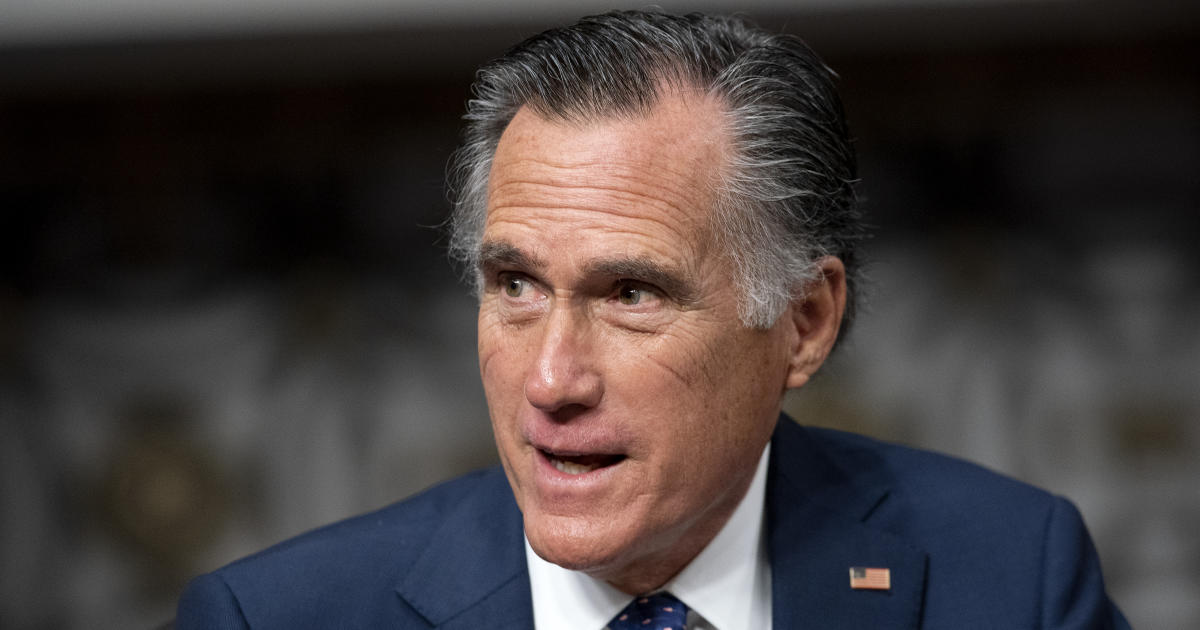
Romney’s warning about an extraordinary challenge to preserve American democracy echoes anxieties about the fragility of democratic institutions that have resonated throughout American history. The nation’s past is littered with instances where the very foundations of democracy were tested, and the responses to these challenges have shaped the current landscape of democratic threats.
Past Events Shaping the Current Landscape of Democratic Threats, In private speech romney warns of extraordinary challenge to preserve american democracy
The historical context surrounding threats to American democracy provides valuable insights into the current landscape. Past events, such as the Civil War, the rise of Jim Crow laws, and the Watergate scandal, have left indelible marks on the nation’s political system.
Romney’s warning about the extraordinary challenge to preserve American democracy is a stark reminder of the fragility of our institutions. It’s a challenge that requires a united front, and the recent passage of gun control bills in the House, including raising the age for assault rifle purchases, house approves gun control bills including higher age for assault rifles , is a step in the right direction.
These measures, while not a complete solution, are a crucial step towards addressing the epidemic of gun violence and fostering a safer society, which is essential for maintaining a healthy democracy.
These events exposed vulnerabilities in democratic institutions and the potential for abuse of power. The Civil War, for instance, highlighted the fragility of the Union and the deep divisions that could threaten its existence. The subsequent era of Reconstruction and the eventual rise of Jim Crow laws demonstrated the persistence of racial prejudice and the ability of powerful interests to undermine democratic principles.
Romney’s warning about the fragility of American democracy is a stark reminder of the challenges we face, and the need for collective action. It’s a reminder that even basic necessities like food can become scarce, as we’ve seen with the recent baby formula shortage.
The shortage, which has disproportionately affected low-income families, underscores the need for robust safety nets and a resilient supply chain. We need to act decisively to ensure that every American has access to the essentials they need, and that our democracy remains strong in the face of adversity.
Read more about why baby formula is in short supply and who is most at risk. In the face of such challenges, we must remember that our democracy is not a spectator sport, it requires active participation and a commitment to its preservation.
The Watergate scandal exposed the potential for corruption and abuse of power within the highest echelons of government, eroding public trust in political institutions.
Examples of Historical Responses to Similar Challenges
The United States has a long history of responding to threats to its democracy. These responses have taken various forms, ranging from legal reforms to social movements. The Civil Rights Movement, for example, arose in response to the systemic discrimination and disenfranchisement of African Americans.
This movement, through its peaceful protests and legal challenges, ultimately led to the passage of landmark legislation, such as the Civil Rights Act of 1964 and the Voting Rights Act of 1965, which helped to dismantle Jim Crow laws and advance the cause of racial equality.
The Watergate scandal, while a significant setback for American democracy, also prompted reforms aimed at strengthening accountability and transparency in government, such as the creation of the Senate Watergate Committee and the passage of the Ethics in Government Act of 1978.
Global Perspective
The challenges to democracy in the United States are not isolated incidents. They are part of a broader global trend that reflects the rise of populism, the erosion of trust in institutions, and the increasing influence of technology on political discourse.
Examining the challenges to democracy in other countries helps us understand the global context of the challenges faced by the United States and provides insights into potential solutions.
Examples of Similar Challenges in Other Democracies
The challenges to democracy in the United States are not unique. Many other democracies around the world are facing similar threats, including:
- The rise of populism:Populist leaders often appeal to emotions and grievances, promising simple solutions to complex problems. They may undermine democratic institutions and norms, such as the rule of law and freedom of the press. Examples include the election of Donald Trump in the United States, the rise of Viktor Orbán in Hungary, and the election of Jair Bolsonaro in Brazil.
- The erosion of trust in institutions:Many people around the world are losing faith in traditional institutions, such as governments, the media, and political parties. This can lead to apathy, cynicism, and a decline in political participation. This trend is evident in many countries, including the United States, the United Kingdom, and France.
- The increasing influence of technology:Social media and other online platforms have become powerful tools for political communication and mobilization. While these technologies can be used to promote democracy, they can also be used to spread misinformation, incite violence, and undermine democratic processes. This is a concern in many countries, including the United States, Russia, and China.
Implications of Global Trends for American Democracy
The global trend of declining democracy has significant implications for the future of American democracy. The United States is not immune to the forces that are undermining democracy around the world. In fact, the United States is a major player in the global struggle for democracy.
- The United States’ role as a model for democracy:The United States has long been considered a model for democracy around the world. However, the challenges to democracy in the United States have raised questions about its ability to continue to serve as a model for other countries.
This could have a negative impact on the global struggle for democracy.
- The potential for spillover effects:The challenges to democracy in the United States could have spillover effects on other countries. For example, the United States’ withdrawal from international agreements, such as the Paris Climate Agreement, has weakened the global effort to address climate change. Similarly, the United States’ embrace of populist leaders has emboldened populist movements in other countries.
- The need for international cooperation:The challenges to democracy are global in nature, and they require a global response. The United States must work with other countries to address these challenges. This includes sharing best practices, supporting democratic institutions, and promoting human rights.
Last Recap
Romney’s warning serves as a potent reminder of the fragility of democratic institutions and the importance of vigilance in safeguarding them. By analyzing the threats, exploring historical precedents, and considering global trends, we gain a deeper understanding of the challenges facing American democracy.
It is through informed engagement, responsible governance, and a commitment to the principles of democratic participation that we can ensure the enduring legacy of American democracy.