

Idahos Abortion Ban Lets Rapists Families Profit
Idahos proposed abortion ban lets rapists families profit off bounties – Idaho’s proposed abortion ban lets rapists’ families profit off bounties, a chilling proposal that has sparked outrage and ignited a fierce debate across the nation. This controversial law, if enacted, would not only severely restrict access to abortion but also create a system where individuals can claim financial rewards for reporting those who provide or receive abortion services.
The potential consequences of this legislation extend far beyond the realm of reproductive rights, raising serious concerns about the safety and well-being of victims of sexual assault, the burden on healthcare providers, and the very fabric of our legal system.
The proposed law’s “bounty” provision, which allows individuals to sue anyone who aids or abets an abortion, has drawn particular criticism. Critics argue that this provision will create a climate of fear and intimidation, discouraging healthcare providers from offering essential reproductive care and potentially leading to the criminalization of individuals seeking abortion services.
Moreover, the potential for financial gain for those who report violations of the law raises serious ethical concerns, particularly when considering the vulnerability of victims of sexual assault who may be hesitant to come forward.
Idaho’s Proposed Abortion Ban: Idahos Proposed Abortion Ban Lets Rapists Families Profit Off Bounties
Idaho’s proposed abortion ban, known as the “Heartbeat Act,” has sparked significant controversy and legal challenges. This legislation aims to significantly restrict access to abortion in the state, raising critical legal and ethical questions.
Key Provisions of the Proposed Ban
The proposed ban prohibits abortion after a fetal heartbeat is detected, typically around six weeks of pregnancy. This timeframe is often before many women are aware they are pregnant. The law also includes a provision allowing private citizens to sue anyone who performs or assists in an abortion after the heartbeat is detected, including doctors, nurses, and even those who help a pregnant person travel out of state for an abortion.
Legal and Ethical Implications
The proposed ban raises significant legal challenges, with many arguing that it violates the constitutional right to privacy and bodily autonomy established in Roe v. Wade. The law’s provision allowing private citizens to sue individuals involved in abortion procedures has been likened to a “bounty hunter” system, raising concerns about potential harassment and intimidation of healthcare providers and women seeking abortion care.
- Constitutional Challenges:The ban faces legal challenges based on the right to privacy and bodily autonomy guaranteed by the Fourteenth Amendment. The Supreme Court’s decision in Roe v. Wade established a woman’s right to terminate her pregnancy during the first trimester, which is often before a fetal heartbeat is detectable.
- Ethical Considerations:The ban raises significant ethical concerns, particularly regarding the lack of access to safe and legal abortion care. The potential for criminalization of abortion providers and those who assist pregnant individuals seeking abortions creates a climate of fear and intimidation.
Historical Context of Abortion Laws in Idaho
Idaho has a long history of restrictive abortion laws. In the early 20th century, the state prohibited all abortions except when necessary to save the life of the mother. After Roe v. Wade, Idaho implemented several restrictions on abortion access, including parental notification requirements and mandatory counseling sessions.
The proposed ban represents a significant escalation of these restrictions, potentially leading to a near-total ban on abortion in the state.
“Bounty” Provision and its Impact
The Idaho proposed abortion ban, if enacted, would introduce a controversial “bounty” provision that allows private citizens to sue anyone who assists in an abortion, including doctors, nurses, and even family members. This provision has sparked widespread debate, raising concerns about its potential impact on healthcare providers, individuals seeking abortions, and the legal system.
The “Bounty” Provision: Details and Implications
The “bounty” provision, formally known as the “civil enforcement” mechanism, allows private citizens to file a civil lawsuit against anyone who performs or aids in an abortion after six weeks of pregnancy. The successful plaintiff can receive a minimum of $20,000 in damages, potentially creating a financial incentive for individuals to seek out and sue those involved in abortion care.
This provision has been likened to a “bounty hunter” system, as individuals could profit financially from reporting and suing those involved in abortions.
Idaho’s proposed abortion ban, allowing family members of rapists to sue for damages, is a horrific example of how laws can be twisted to benefit the wrong people. It’s hard to believe that such a policy could be even considered, let alone seriously debated.
It makes you wonder what goes through the minds of those who champion such a system. Maybe we should all take a personality test, like the one Elon Musk, Bill Gates, and Jack Dorsey took, to see if there’s a common thread amongst those who support such draconian measures.
Regardless of the test results, it’s clear that Idaho’s proposed ban is a dangerous and inhumane policy that must be stopped.
Potential Impact on Healthcare Providers
The “bounty” provision could have a chilling effect on healthcare providers, making them hesitant to provide abortion care due to the potential for costly lawsuits. This could lead to a shortage of abortion providers in Idaho, further limiting access to abortion care for those who need it.
Additionally, the fear of lawsuits could cause providers to self-censor their practices, potentially leading to delays in care or even the denial of necessary medical treatment.
Impact on Individuals Seeking Abortions
The “bounty” provision could deter individuals from seeking abortions, fearing that they could be sued for receiving the procedure. This could lead to an increase in unsafe abortions, as individuals may resort to self-induced abortions or seek out unsafe alternatives.
Idaho’s proposed abortion ban, allowing families of rapists to profit from bounties on women seeking abortions, is a chilling reminder of the dangers of extreme legislation. Meanwhile, California’s education system is poised to avoid the divisive statewide election battles seen in other states, according to recent commentary.
While this is a positive development, the focus should remain on addressing the horrifying reality of Idaho’s proposed law and its potential for further victimization of women.
Furthermore, the potential for lawsuits could create a climate of fear and intimidation for individuals seeking abortion care.
Impact on the Legal System
The “bounty” provision could significantly burden the Idaho legal system, leading to a surge in lawsuits and potentially overwhelming the court system. This could divert resources from other legal matters, creating delays and backlogs. Additionally, the provision could lead to frivolous lawsuits, as individuals may be motivated to file lawsuits solely for financial gain.
Comparison to Other States
While Idaho’s “bounty” provision is unique, it shares similarities with other state laws that restrict abortion access. Texas’s “Heartbeat Law” also allows private citizens to sue those who aid in abortions after six weeks of pregnancy. However, the Texas law does not explicitly offer a monetary reward, instead relying on the potential for legal fees and other damages.
The Idaho law’s “bounty” provision is more explicit in its financial incentive, which could potentially lead to more lawsuits and a greater chilling effect on healthcare providers.
“The Idaho law is the most extreme example of this trend, as it explicitly offers a financial reward for suing those involved in abortion care. This could lead to a flood of lawsuits and a further erosion of access to abortion care in the state.”Dr. Sarah Roberts, a reproductive health expert
Victims’ Rights and Perspectives
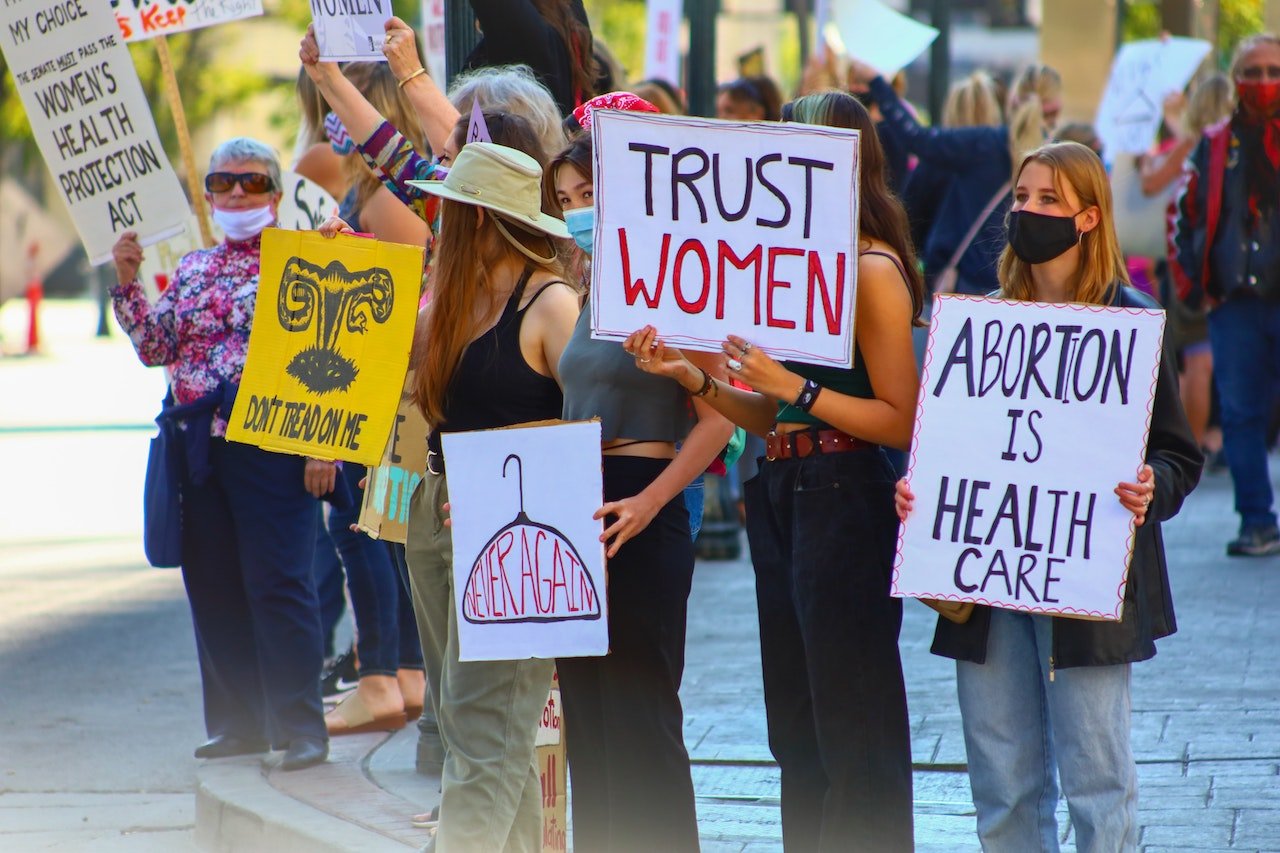
The proposed Idaho abortion ban with its “bounty” provision raises serious concerns about the rights and well-being of victims of sexual assault. This law, if enacted, could have devastating consequences for survivors, potentially exacerbating their trauma and hindering their access to essential healthcare.
Idaho’s proposed abortion ban, which allows families of rapists to profit off bounties, is a horrifying example of how the government can exploit tragedy for personal gain. It’s a stark reminder that we need to prioritize human rights and fight for justice.
Meanwhile, businesses are increasingly recognizing the importance of sustainability and seeking ways to market their efforts effectively. Check out 4 smart ways to market your sustainability efforts for some valuable insights. Returning to the issue of Idaho’s abortion ban, it’s clear that we need to actively oppose such harmful legislation and advocate for reproductive rights.
Potential Consequences for Victims
The “bounty” provision, which allows private citizens to sue anyone who assists in obtaining an abortion, could create a climate of fear and intimidation for victims. Survivors of sexual assault may be reluctant to seek medical care, fearing that they could be targeted by lawsuits.
This could lead to delays in receiving crucial medical treatment, including necessary care for complications arising from a pregnancy resulting from sexual assault.
- Harassment and Intimidation:The law could empower individuals to harass and intimidate anyone involved in a victim’s abortion, including doctors, nurses, and even family members. The threat of lawsuits could create a chilling effect, making it difficult for victims to access essential healthcare services.
- Financial Burden:Victims may face significant financial burdens if they are sued under this law. The cost of legal representation and potential damages could be overwhelming, especially for individuals already struggling with the emotional and financial consequences of sexual assault.
- Emotional Trauma:The prospect of being sued for seeking abortion care could retraumatize victims of sexual assault. The legal process could force them to relive their trauma and confront their attackers in a court of law, potentially hindering their healing process.
Impact on Different Groups
The proposed law could have a profound impact on various groups, including victims, healthcare providers, and the general public.
| Group | Potential Impact |
|---|---|
| Victims of Sexual Assault | Increased fear, intimidation, and difficulty accessing healthcare; potential financial burdens and retraumatization. |
| Healthcare Providers | Increased risk of lawsuits, potential for financial penalties, and reluctance to provide abortion care; possible difficulty attracting and retaining medical professionals. |
| General Public | Erosion of trust in the healthcare system, potential for increased polarization and social unrest; potential for unintended consequences on reproductive health outcomes. |
Ethical and Moral Considerations

The proposed Idaho abortion ban with its “bounty” provision raises significant ethical and moral concerns. The law’s impact extends beyond the realm of legal and medical considerations, prompting discussions about the rights of individuals, the role of the state in regulating personal choices, and the fundamental principles of justice and compassion.
Ethical Frameworks and Perspectives
Examining the proposed law through various ethical and moral frameworks reveals a complex and multifaceted landscape.
- Utilitarianism:This framework emphasizes maximizing overall happiness and well-being. Proponents of the ban might argue that it aligns with utilitarian principles by promoting the protection of life, even if it means restricting individual choice. Conversely, opponents might argue that the law could lead to greater societal harm by forcing women to carry unwanted pregnancies, potentially leading to poverty, health complications, and social instability.
- Deontology:Deontological ethics focuses on the inherent rightness or wrongness of actions, regardless of their consequences. Supporters of the ban might argue that it upholds a moral obligation to protect fetal life. Conversely, opponents might argue that the law violates the right of women to bodily autonomy and self-determination.
- Virtue Ethics:This framework emphasizes character traits and moral values. Proponents might argue that the law promotes virtues like compassion and respect for life. Opponents might argue that the law undermines virtues like empathy, justice, and care for the vulnerable.
- Feminist Ethics:This framework centers on the experiences and perspectives of women. Opponents of the ban might argue that it reinforces patriarchal power structures that control women’s bodies and reproductive choices.
Arguments for and Against the Proposed Law
| Argument | For | Against |
|---|---|---|
| Protection of Life | The law protects innocent human life from conception. | The law infringes on a woman’s right to bodily autonomy and self-determination. |
| Moral Obligation | Society has a moral obligation to protect the unborn. | The law punishes women and forces them to endure unwanted pregnancies, potentially leading to harm and suffering. |
| Family Values | The law promotes traditional family values and the sanctity of life. | The law undermines women’s rights and freedoms, creating a culture of fear and judgment. |
| State’s Role | The state has a legitimate interest in protecting life and promoting societal values. | The law represents excessive government intrusion into personal decisions and medical care. |
| Justice and Compassion | The law upholds justice by protecting the rights of the unborn. | The law lacks compassion and understanding for the complex circumstances and challenges faced by women seeking abortion. |
Political and Societal Context

The proposed abortion ban in Idaho has sparked significant debate and controversy, reflecting the deeply divided political and societal landscape of the state. This law, with its controversial “bounty” provision, has ignited discussions about individual rights, healthcare access, and the role of government in personal decisions.
Political Climate in Idaho, Idahos proposed abortion ban lets rapists families profit off bounties
Idaho has a long history of conservative politics, with a Republican-controlled legislature and governor. The proposed abortion ban aligns with the prevailing political ideology in the state, which emphasizes limited government intervention in personal matters but also places a strong emphasis on traditional values and family structures.
The law’s proponents argue that it reflects the will of the people and protects the sanctity of life. However, opponents argue that it is a blatant attempt to restrict access to healthcare and violate women’s bodily autonomy. The political climate in Idaho is further polarized by the issue of abortion, with passionate advocates on both sides.
Societal Impact of the Proposed Law
The proposed law is likely to have a profound impact on the lives of Idahoans, particularly women and their families. Access to safe and legal abortion is crucial for many women, and the proposed ban could force them to seek care in other states, potentially jeopardizing their health and financial well-being.
The law could also disproportionately affect low-income and minority communities, who may face greater barriers to accessing healthcare services outside of Idaho. The proposed law has the potential to further exacerbate existing socioeconomic disparities and limit access to healthcare services for vulnerable populations.
Views of Stakeholders
The proposed abortion ban has generated diverse perspectives among various stakeholders.
| Stakeholder | Viewpoint |
|---|---|
| Political Figures (Proponents) | The law is a necessary step to protect the sanctity of life and uphold traditional values. They argue that it reflects the will of the people and promotes the well-being of families. |
| Political Figures (Opponents) | The law is an infringement on individual rights, particularly women’s bodily autonomy. They argue that it restricts access to healthcare and disproportionately impacts vulnerable populations. |
| Healthcare Professionals | Many healthcare professionals express concern about the impact of the law on patient care and access to essential services. They argue that it could lead to increased risks for women’s health and well-being, particularly in cases of ectopic pregnancies or other medical complications. |
| General Public | Public opinion on the proposed law is divided, with strong advocates on both sides. Some individuals believe that the law is necessary to protect the unborn, while others view it as an infringement on individual rights and access to healthcare. |
Epilogue
The proposed abortion ban in Idaho is a stark example of the escalating restrictions on reproductive rights in the United States. Its “bounty” provision, in particular, raises serious ethical and legal concerns, threatening to create a chilling effect on healthcare access and potentially placing victims of sexual assault at further risk.
This legislation is not only a violation of individual autonomy but also a dangerous precedent that could have far-reaching consequences for the future of reproductive healthcare in the country.