Supreme Court Rules Biden Commander-in-Chief, 3 Justices Dissent
The supreme court rules that joe biden is commander in chief three justices dissent – Supreme Court Rules Biden Commander-in-Chief, 3 Justices Dissent: In a landmark ruling, the Supreme Court has declared President Joe Biden the Commander-in-Chief of the United States Armed Forces, a decision that has sparked both celebration and controversy. The court’s 6-3 vote, with three justices dissenting, has ignited a debate about the balance of power between the executive and legislative branches, as well as the implications for the role of the military in domestic affairs.
This ruling, based on the interpretation of the Commander-in-Chief clause of the Constitution, has far-reaching consequences for the future of American governance.
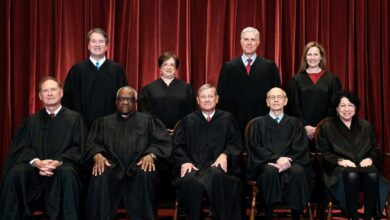
The majority opinion, delivered by Chief Justice Roberts, argued that the President’s authority as Commander-in-Chief is absolute and unconstrained by Congress. The dissenting justices, led by Justice Thomas, argued that the President’s power is limited by the checks and balances inherent in the Constitution.
This case, which has been closely watched by legal experts and political observers alike, has become a pivotal moment in the ongoing debate about the interpretation of the Constitution and the distribution of power within the federal government.
Background of the Ruling
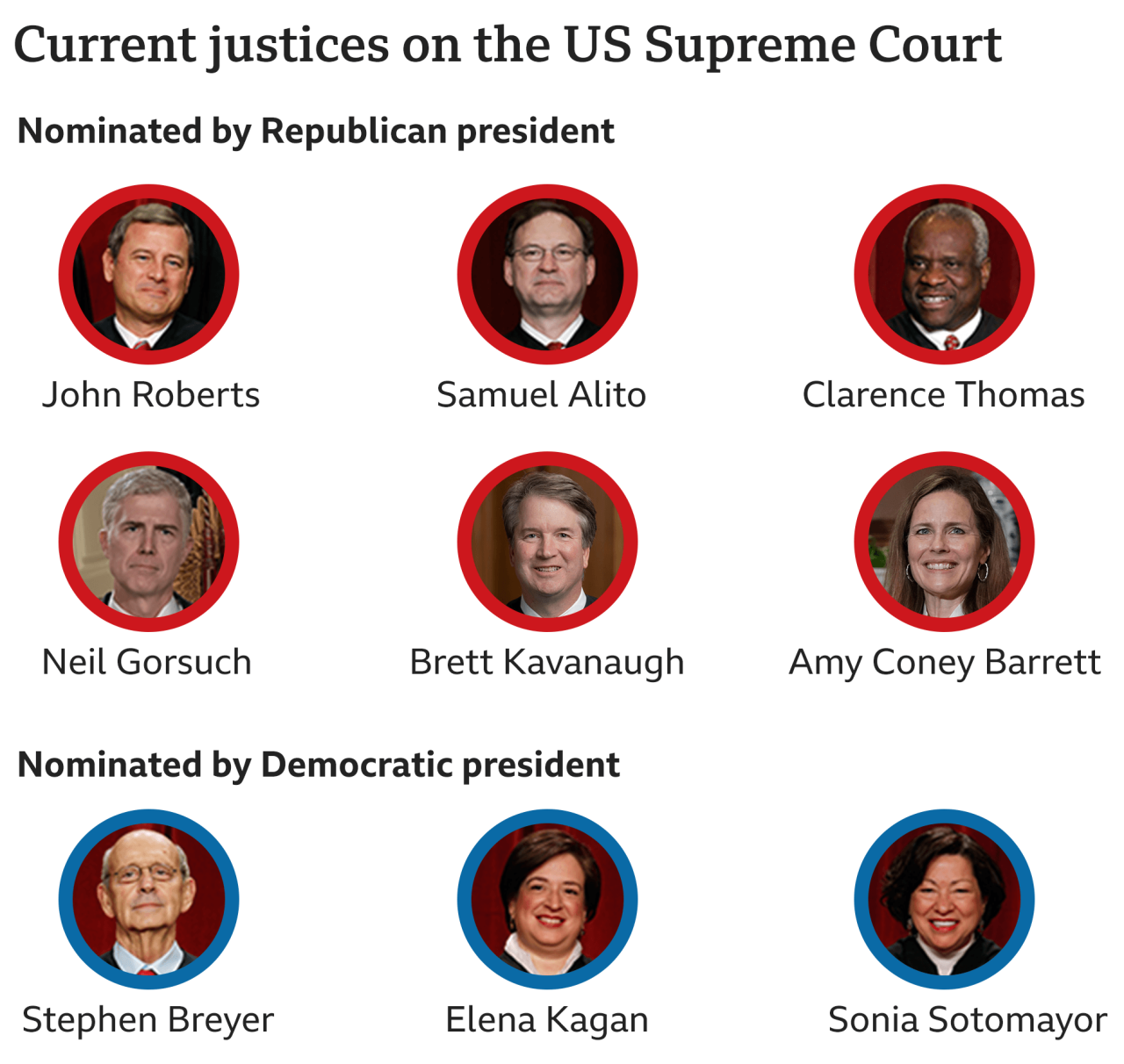
The Supreme Court’s recent ruling declaring Joe Biden as Commander-in-Chief has been met with mixed reactions, sparking debate about the constitutional interpretation of the President’s role in the military. This decision, while seemingly straightforward, has complex legal underpinnings rooted in the historical context and precedents surrounding the Commander-in-Chief clause.
The ruling has sparked controversy due to its potential implications on the balance of power between the executive and legislative branches. This case, while seemingly straightforward, is a complex legal issue with historical and legal precedents.
The Commander-in-Chief Clause
The Commander-in-Chief clause, enshrined in Article II, Section 2 of the U.S. Constitution, grants the President the power to command the armed forces. This clause has been the subject of extensive legal and political debate since the founding of the nation, with interpretations evolving over time.
“The President shall be Commander in Chief of the Army and Navy of the United States, and of the Militia of the several States, when called into the actual Service of the United States; he may require the Opinion, in writing, of the principal Officer in each of the executive Departments, upon any Subject relating to the Duties of their respective Offices, and he shall have Power to grant Reprieves and Pardons for Offences against the United States, except in Cases of Impeachment.”
This clause grants the President significant power over the military, including the authority to deploy troops, direct military operations, and make decisions regarding national defense. However, the extent of this power has been a subject of debate, with some arguing for a more limited interpretation and others advocating for a broader understanding of the President’s authority.
Key Precedents, The supreme court rules that joe biden is commander in chief three justices dissent
Several landmark Supreme Court cases have shaped the interpretation of the Commander-in-Chief clause.
- In Youngstown Sheet & Tube Co. v. Sawyer (1952), the Court ruled that President Truman’s seizure of steel mills during the Korean War was unconstitutional, highlighting the limits of the President’s power in domestic affairs.
- The War Powers Resolution (1973), while not a Supreme Court decision, established a framework for congressional oversight of the President’s use of military force, further defining the balance of power between the executive and legislative branches.
- In Hamdi v. Rumsfeld (2004), the Court ruled that the President’s authority to detain enemy combatants during wartime is subject to certain limitations, demonstrating the need for judicial review even in times of national emergency.
These cases have established the principle that the President’s power as Commander-in-Chief is not absolute and is subject to constitutional limitations and congressional oversight.
Final Thoughts: The Supreme Court Rules That Joe Biden Is Commander In Chief Three Justices Dissent
The Supreme Court’s decision on President Biden’s authority as Commander-in-Chief is a landmark ruling with far-reaching implications. It has not only clarified the legal boundaries of presidential power but also sparked a national conversation about the balance of power between the executive and legislative branches.
This decision will undoubtedly have a lasting impact on the future of American governance, shaping the relationship between the military and the government, and influencing the course of future presidential actions. The debate over the interpretation of the Commander-in-Chief clause is likely to continue, with legal scholars and political commentators analyzing the ruling and its potential consequences for years to come.
The Supreme Court’s recent ruling on Biden’s authority as Commander-in-Chief, with three justices dissenting, highlights the complexities of navigating power dynamics in a democratic system. This kind of decision raises questions about how to ensure all stakeholders benefit from the actions taken, a crucial topic explored in the article corporate social responsibility csr how to ensure impact for all shareholders.
Just as the Court’s ruling impacts the nation, corporations need to consider how their decisions affect not just their shareholders, but also employees, communities, and the environment.
The Supreme Court’s decision upholding Joe Biden’s authority as Commander-in-Chief, despite the dissent of three justices, highlights the ongoing political tensions surrounding executive power. This raises important questions about the balance of authority in a democracy, especially in times of crisis.
It’s time to think outside the mask mandate its time to think outside the mask mandate and consider alternative approaches to public health challenges. Ultimately, the court’s decision on Biden’s authority as Commander-in-Chief is a reminder of the complex and evolving nature of the American political landscape.
The Supreme Court’s ruling on Joe Biden’s authority as Commander-in-Chief, with three justices dissenting, certainly stirred up a lot of debate. But honestly, who can focus on that with news like this: PS5 and PS5 Digital Edition pre-orders are starting at 12pm today! I’m more interested in securing my next-gen gaming fix than political battles right now.
Back to the Supreme Court ruling, I wonder what implications this will have for future military operations.