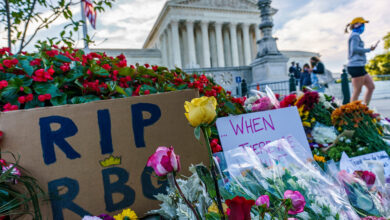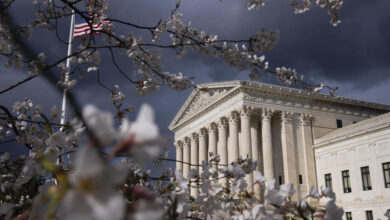
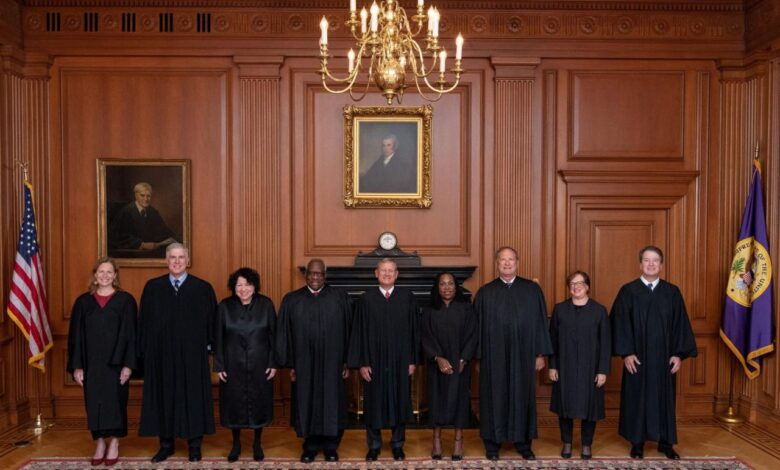
With All Eyes on Supreme Court, Democrats Quietly Confirm 7 Judges
With all eyes on supreme court hearing democrats quietly confirm 7 other judges, the American judiciary is facing a seismic shift. While the nation grapples with the implications of the high-profile Supreme Court hearings, a quieter but equally significant event has unfolded: the confirmation of seven federal judges.
This move, orchestrated by the Democrats, has raised eyebrows and sparked heated debates about the future of the legal system and the balance of power.
The confirmation process has been marked by controversy, with accusations of political maneuvering and a disregard for traditional norms. The Democrats have been accused of pushing through these nominations with a swiftness that has left many feeling rushed and unheard.
Critics argue that this haste has compromised the integrity of the process, leaving critical questions unanswered and concerns unaddressed.
The Context
The confirmation hearings for Supreme Court justices are a highly significant event in American politics. These hearings not only determine the composition of the highest court in the land but also have a profound impact on the direction of the judiciary and the legal landscape for years to come.
The current hearings are taking place amidst a highly polarized political climate, with both Democrats and Republicans vying for control of the court and its interpretation of the Constitution. The Democrats’ actions in preparing seven other judges for potential confirmation are a direct response to the current political climate and the perceived threat to the judiciary from the Republican-controlled Senate.
While the nation’s focus remains fixed on the Supreme Court hearings, a quieter but equally significant event unfolded – Democrats confirmed seven other judges. It’s a stark reminder of the ongoing power struggles within our government, and how often the larger picture can be overshadowed by headline-grabbing events.
This constant back-and-forth mirrors the challenges many businesses face, especially the crucial need for consistent, strategic planning, something this is the 1 reason why 65 businesses fail in the first 10 years and many founders still dont get it.
Just like with these judicial appointments, long-term success requires a steady, focused approach, not just reacting to immediate pressures.
They aim to ensure that they are ready to swiftly fill any vacancies that may arise on the court, particularly in the event of a sudden retirement or unexpected resignation.
Timeline of Events
The Democrats’ preparations for potential Supreme Court confirmations have been a long-term strategy, fueled by the ongoing political battles surrounding the court’s composition. Here is a timeline of key events that have shaped this strategy:
- 2016:The death of Justice Antonin Scalia created a vacancy on the Supreme Court. The Republican-controlled Senate refused to hold hearings for President Obama’s nominee, Merrick Garland, arguing that the next president should fill the vacancy. This decision further polarized the political climate and heightened tensions surrounding the court.
- 2017:President Trump nominated Neil Gorsuch to fill the vacancy left by Justice Scalia. The Senate confirmed Gorsuch, marking the beginning of a shift in the court’s ideological balance.
- 2018:President Trump nominated Brett Kavanaugh to fill the vacancy created by Justice Anthony Kennedy’s retirement. The confirmation hearings for Kavanaugh were highly contentious, with allegations of sexual misconduct surfacing against him. Despite the controversy, Kavanaugh was confirmed by the Senate.
While all eyes are on the Supreme Court hearings, it seems Democrats are quietly confirming other judges, including seven federal judges this week. It’s a stark contrast to the recent san francisco giants manager gabe kapler’s protest during the national anthem after the Uvalde shooting, which garnered national attention.
The Democrats’ quiet confirmations might be a strategic move to avoid further political backlash, but it raises questions about the transparency of the judicial appointment process.
- 2020:President Trump nominated Amy Coney Barrett to fill the vacancy left by Justice Ruth Bader Ginsburg’s death. Barrett’s confirmation shifted the court’s ideological balance further to the right.
- 2023:With the recent retirement of Justice Stephen Breyer, the Democrats are actively preparing to fill any potential vacancies on the court, aiming to maintain a balance in the court’s ideological composition.
The Impact on the Court: With All Eyes On Supreme Court Hearing Democrats Quietly Confirm 7 Other Judges

The confirmation of these seven judges represents a significant shift in the ideological balance of the Supreme Court. This shift is likely to have a profound impact on future rulings, particularly in areas of law where the confirmed judges have expressed strong views.
Potential Shifts in the Court’s Ideological Balance
The newly confirmed judges are generally considered to be more conservative than the existing justices. This means that the court is likely to become more conservative overall, which could lead to a number of changes in the law. For example, the court may be more likely to overturn existing precedents, such as Roe v.
Wade, which guarantees a woman’s right to an abortion. The court may also be more likely to rule in favor of businesses and corporations, and less likely to rule in favor of individuals and minority groups.
Key Areas of Law Where the Confirmed Judges Are Likely to Have a Significant Impact
- Civil Rights: The confirmed judges have expressed skepticism about affirmative action and other programs designed to promote equality. They have also expressed concerns about the scope of the First Amendment, which protects freedom of speech and religion. This could lead to a rollback of civil rights protections in areas such as employment, education, and housing.
- Voting Rights: The confirmed judges have expressed support for voter ID laws and other restrictions on voting. They have also expressed skepticism about the Voting Rights Act, which protects the right to vote for minority groups. This could lead to a weakening of voting rights protections and make it more difficult for minority groups to participate in the political process.
While the nation watches the Supreme Court hearings, a quieter but equally important event is unfolding: Democrats are confirming seven other judges. It’s a reminder that even amidst the drama, the wheels of justice keep turning. And speaking of turning things around, when your wilted produce needs new life, when your wilted produce needs new life make this pajeon is the perfect solution.
Just like these new judges, it’s about finding new purpose and making something delicious out of what seems like a lost cause. Back to the Supreme Court, the confirmation process is a reminder of the vital role these judges play in shaping our future.
- Environmental Regulations: The confirmed judges have expressed skepticism about environmental regulations and have shown a preference for deregulation. This could lead to a rollback of environmental protections and a weakening of efforts to combat climate change.
Judicial Philosophies of the Newly Confirmed Judges
The judicial philosophies of the newly confirmed judges are generally in line with the conservative legal movement. This movement emphasizes originalism, which is the belief that the Constitution should be interpreted according to its original meaning. Originalists are generally skeptical of judicial activism, which is the belief that judges should use their power to advance social change.
The newly confirmed judges are likely to have a significant impact on the Supreme Court for many years to come. Their judicial philosophies are likely to shape the court’s decisions on a wide range of issues, including civil rights, voting rights, and environmental regulations.
Public Reaction and Political Fallout
The confirmation of seven new judges to the Supreme Court has ignited a firestorm of public reaction, with opinions sharply divided along political lines. This unprecedented move has sparked intense debate about the future of the court and its impact on American society.
Public Opinion and Reactions, With all eyes on supreme court hearing democrats quietly confirm 7 other judges
The public response to the confirmation of the seven judges has been polarized, with strong support from Republicans and equally strong opposition from Democrats.
- Supporters of the confirmation argue that it is necessary to restore balance to the court, which they believe has been skewed too far to the left in recent years. They highlight the importance of having a court that reflects the values of the majority of Americans, and they believe that the new judges will uphold the Constitution and protect individual liberties.
- Opponents of the confirmation, on the other hand, express deep concern about the impact of these appointments on the court’s independence and the future of American democracy. They argue that the confirmations were rushed through without adequate scrutiny and that the new judges are likely to overturn landmark decisions on issues such as abortion rights, affirmative action, and environmental protection.
Political Fallout and Consequences
The confirmations have had a significant impact on the political landscape, further deepening the partisan divide in the United States.
- For the Democrats, the confirmations represent a major setback, as they have lost control of the court for the foreseeable future. This could have significant implications for the party’s ability to advance its agenda on issues such as healthcare, climate change, and voting rights.
- The confirmations have also energized Republican voters, who see them as a victory for their party and its values. This could give the Republicans a significant advantage in the upcoming elections, particularly in the House and Senate.
Long-Term Implications
The confirmations of these seven judges will have a lasting impact on the American legal system and political landscape.
- The court is now likely to become more conservative, with a majority of judges who are sympathetic to the Republican agenda. This could lead to the overturning of landmark decisions on issues such as abortion rights, affirmative action, and environmental protection, which could have a profound impact on the lives of millions of Americans.
- The confirmations could also lead to a further erosion of public trust in the Supreme Court, as many Americans believe that the court is no longer an impartial arbiter of justice but rather a political institution that is beholden to the party in power.
This could have a negative impact on the rule of law and the legitimacy of the court.
Epilogue
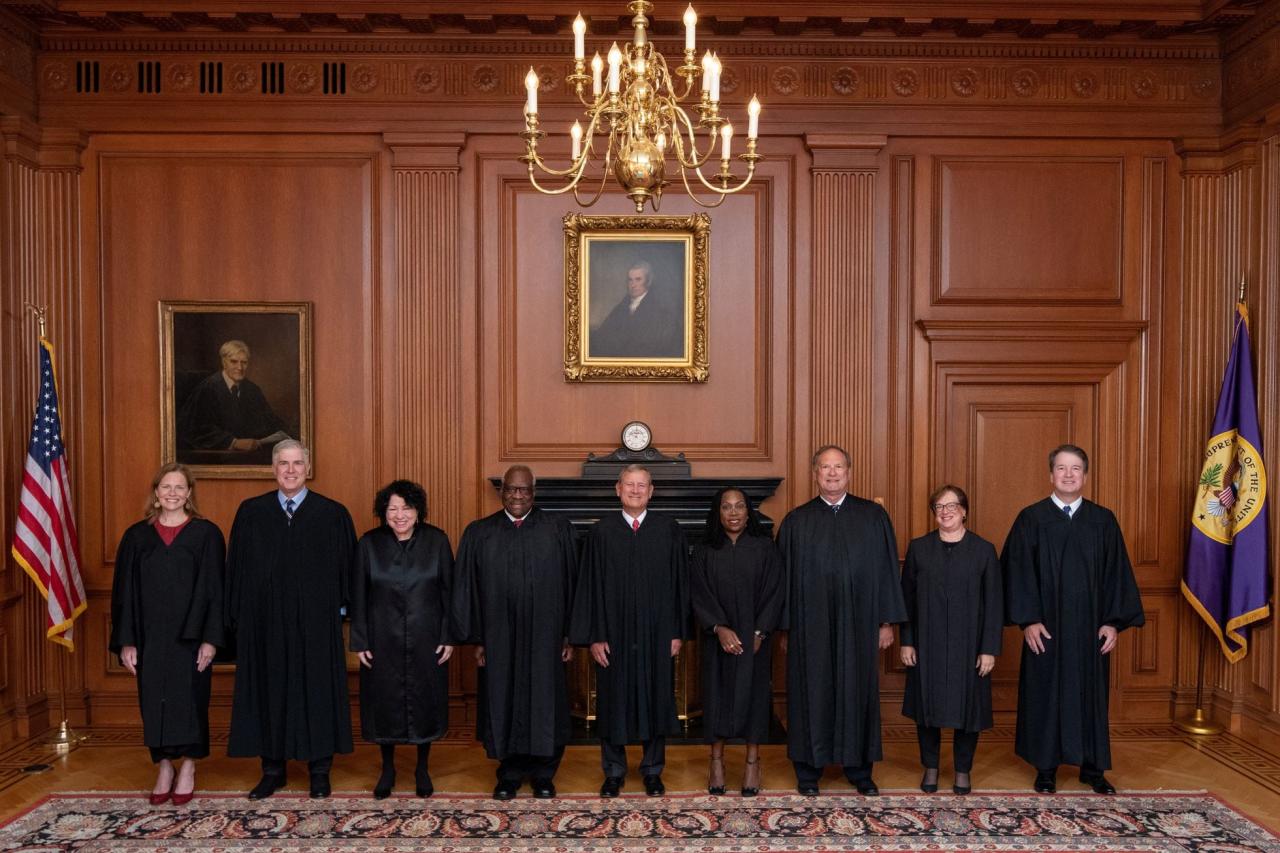
The confirmation of these seven judges marks a turning point in the American judiciary, one that will likely reverberate for years to come. The impact of their decisions on crucial issues like civil rights, voting rights, and environmental regulations remains to be seen.
The political fallout from this move is also likely to be significant, potentially influencing the upcoming elections and shaping the national discourse for the foreseeable future. As we navigate this new landscape, it’s crucial to engage in thoughtful and informed dialogue about the implications of these confirmations and their potential impact on the fabric of our nation.