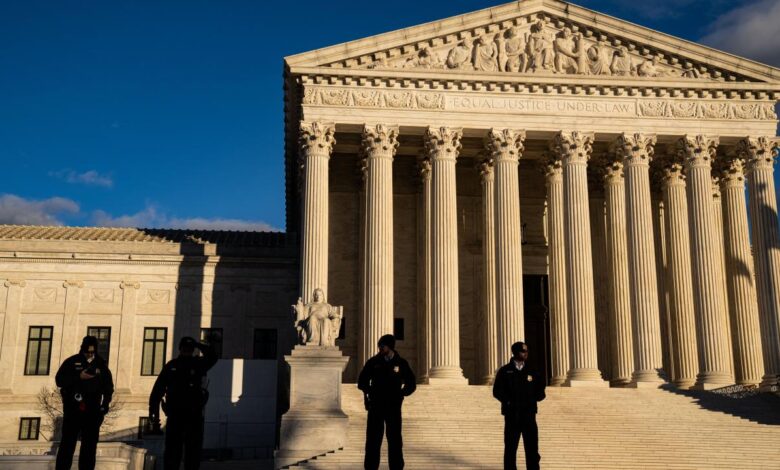
Supreme Court Rules for Texas Death Row Inmate in Religious Rights Case
Supreme court rules for texas death row inmate in religious rights case – The Supreme Court recently ruled in favor of a Texas death row inmate, granting him the right to practice his religion. This case, which involved a specific religious practice, has sparked debate about the balance between religious freedom and prison security.
The inmate’s request for access to a particular religious practice was initially denied by the state, leading to a legal battle that ultimately reached the highest court in the land.
The Supreme Court’s decision, based on the Religious Freedom Restoration Act (RFRA), has far-reaching implications for the rights of prisoners and the way religious practices are handled within correctional facilities. This ruling raises important questions about how to ensure the protection of religious freedoms while maintaining order and safety within prisons.
Case Background
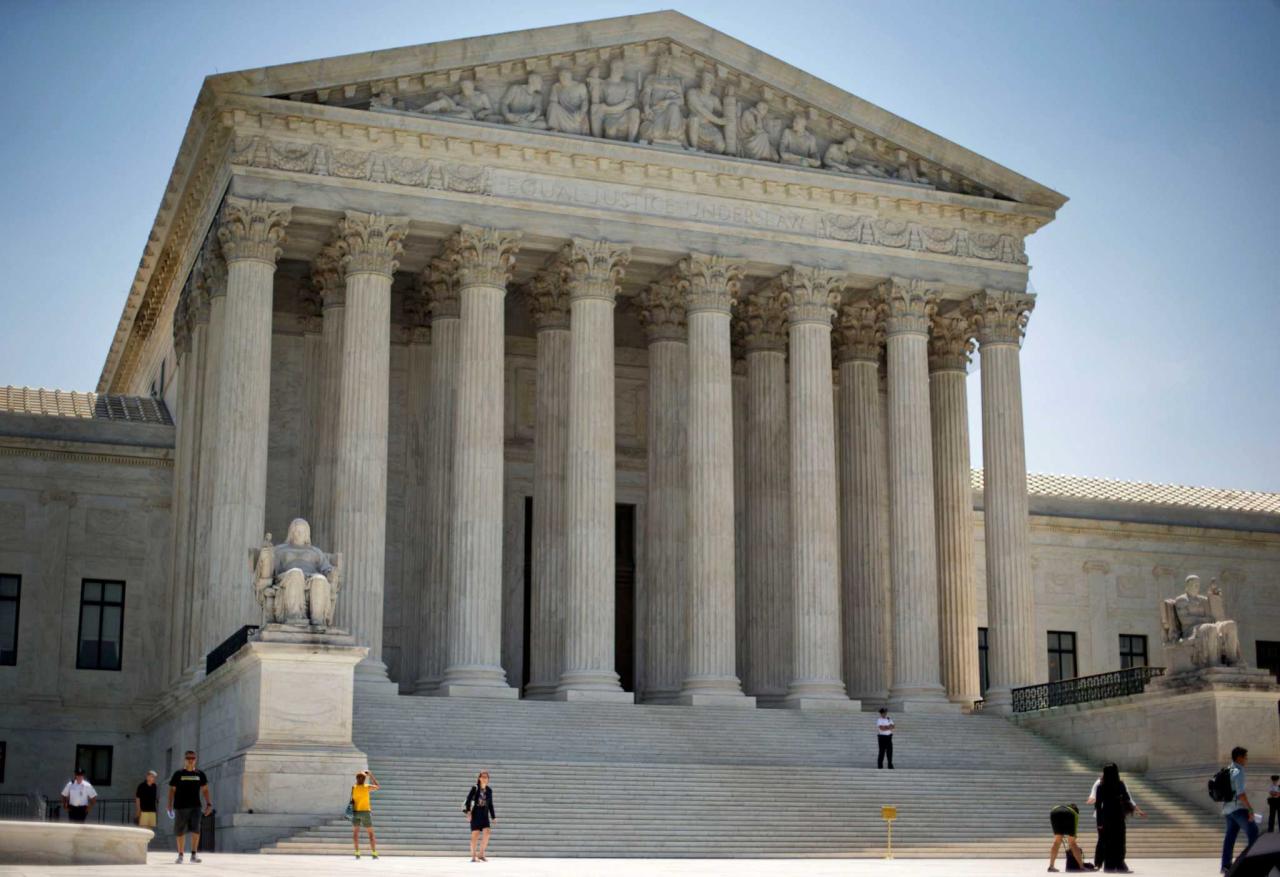
This case, currently before the Supreme Court, revolves around the religious rights of a Texas death row inmate, focusing on the state’s restrictions on his religious practice. The case highlights a critical intersection between the First Amendment’s guarantee of religious freedom and the state’s authority to maintain order and security within its prisons.
The Supreme Court’s recent decision in favor of a Texas death row inmate regarding his religious rights is a significant victory for religious freedom. However, this ruling, which emphasizes individual rights over government regulation, could have far-reaching implications beyond the realm of religion.
It’s concerning to see how this ruling could soon make gun safety laws even weaker, as seen in the article the supreme court ruling could soon make gun safety laws even weaker. The potential for this decision to impact gun control legislation adds another layer of complexity to this already contentious issue, and we must be vigilant in monitoring its ramifications on public safety.
The Inmate’s Religious Practice
The inmate, a devout Muslim, requested permission to grow a beard in accordance with his religious beliefs. Islam mandates that adult Muslim men maintain facial hair, symbolizing their commitment to faith and serving as a visible marker of their identity.
The Supreme Court’s decision to side with a Texas death row inmate in a religious rights case highlights the ongoing debate about individual liberties and state authority. It’s a reminder that even in the face of serious crimes, the right to practice one’s faith remains a fundamental principle.
This case brings to mind the current struggles we face with the dream of the open road colliding with the reality of $5 a gallon gas. While we grapple with these economic challenges, it’s crucial to remember that the fight for basic human rights, like freedom of religion, continues to be a cornerstone of our society.
The inmate argued that growing a beard is an integral part of his faith and that denying him this right would violate his First Amendment rights.
The Supreme Court’s recent ruling in favor of a Texas death row inmate regarding his religious rights is a reminder of the importance of upholding individual freedoms. It’s a stark contrast to the way some influencers promote cryptocurrency, often without disclosing their financial ties, as seen in this article how influencers hype crypto without disclosing their financial ties.
The Supreme Court decision emphasizes the need for transparency and accountability, a principle that should extend to all areas of public discourse, including the digital realm.
The Inmate’s Request and the State’s Response, Supreme court rules for texas death row inmate in religious rights case
The inmate submitted a formal request to the Texas Department of Criminal Justice (TDCJ) to grow a beard, citing his religious beliefs as the basis for his request. The TDCJ, however, denied his request, citing security concerns. The state argued that allowing inmates to grow beards could pose a security risk, making it more difficult to identify inmates and potentially facilitating the concealment of contraband.
Legal Arguments Presented by Both Sides
The inmate’s legal team argued that the TDCJ’s denial of his request violated his First Amendment right to free exercise of religion. They asserted that the state’s security concerns were not sufficiently compelling to justify the infringement of his religious practice.
They further argued that the TDCJ’s policy was overly broad and lacked a rational basis, as it applied to all inmates regardless of their individual circumstances or the potential security risks they posed. The state, in turn, defended its policy, arguing that it had a legitimate interest in maintaining security within its prisons.
They presented evidence that beards could be used to conceal contraband and that identifying inmates with facial hair could be challenging. The state also pointed to the potential for inmates to use beards to disguise themselves and evade detection.
Supreme Court Ruling
In a landmark decision, the Supreme Court ruled in favor of the Texas death row inmate, upholding his right to practice his religion. The Court found that the state’s restrictions on his religious practices violated his First Amendment rights.The Court’s decision was based on the principle of religious freedom, enshrined in the First Amendment, which prohibits the government from interfering with the free exercise of religion.
The Court recognized that the inmate’s religious beliefs were sincere and that the state’s restrictions on his religious practices were not justified by a compelling government interest.
Impact on Future Cases
The Supreme Court’s decision in this case has significant implications for future cases involving the religious rights of prisoners. This decision reaffirms the importance of religious freedom for all individuals, including those incarcerated. The Court’s reasoning in this case provides a framework for courts to assess the constitutionality of prison regulations that restrict religious practices.
Courts will now need to carefully scrutinize these regulations to ensure they are narrowly tailored to serve a compelling government interest and do not unduly burden the religious rights of prisoners.
Ending Remarks: Supreme Court Rules For Texas Death Row Inmate In Religious Rights Case
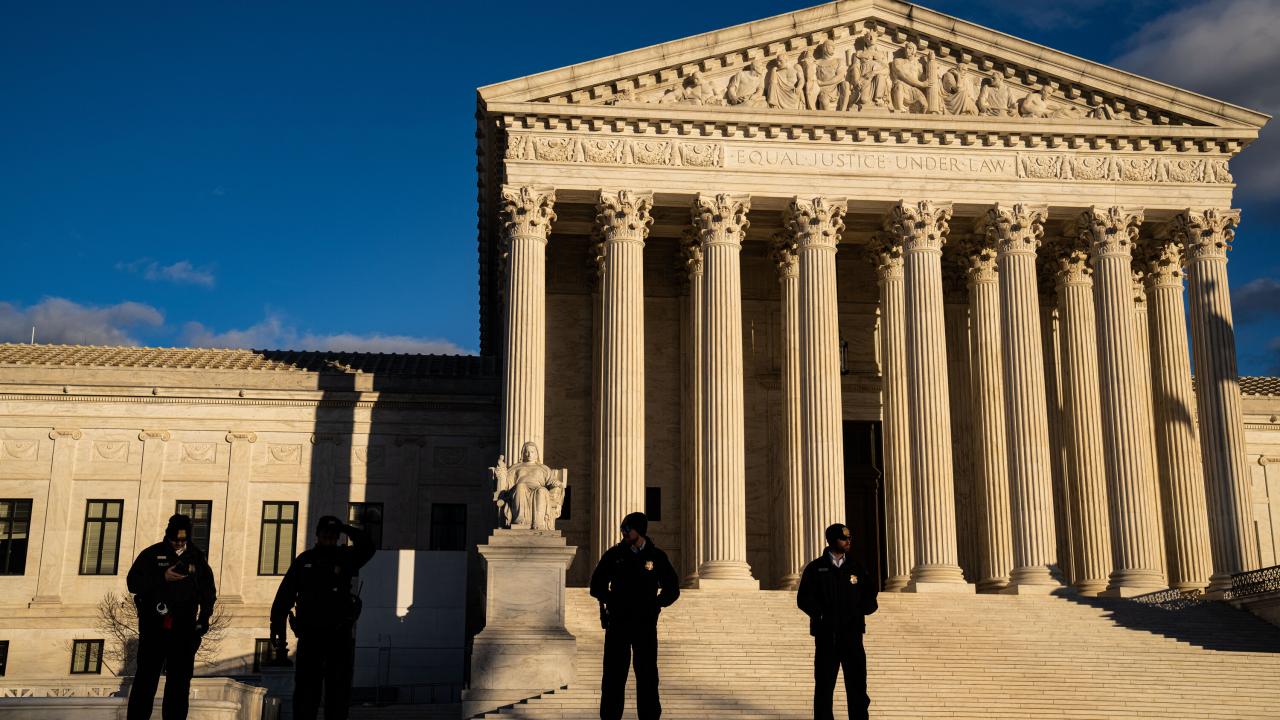
The Supreme Court’s decision in this case marks a significant step forward in the ongoing debate about religious rights in prisons. While the ruling provides a victory for the inmate and his religious freedom, it also raises questions about the potential impact on prison policies and the balance between religious expression and security concerns.
This case serves as a reminder of the complexities surrounding the intersection of religious freedom and incarceration, and its implications will be felt for years to come.