VAWAs Dangerous Loophole: Biden Can Close It
Theres a dangerous loophole in the violence against women act and biden can close it – There’s a dangerous loophole in the Violence Against Women Act (VAWA), and Biden can close it. This legislation, designed to protect women from violence, has a crucial flaw that allows perpetrators to escape justice. This loophole has devastating consequences for victims, leaving them vulnerable and re-traumatized.
It’s a problem that needs urgent attention.
VAWA, passed in 1994, was a landmark achievement in the fight against domestic violence and sexual assault. It provided funding for shelters, support services, and law enforcement training. However, a specific loophole allows perpetrators to avoid accountability, often leaving victims feeling unheard and unsafe.
This loophole has been exploited in numerous cases, highlighting the need for immediate action.
The Violence Against Women Act (VAWA) and Its Purpose
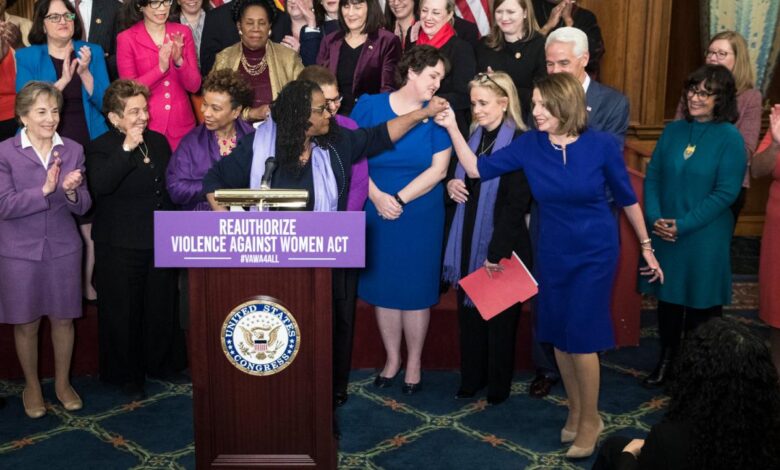
The Violence Against Women Act (VAWA) is a landmark piece of legislation in the United States that aims to address violence against women. Enacted in 1994, VAWA has played a significant role in improving the lives of countless women and their families by providing funding and resources for prevention, prosecution, and services for victims of violence.VAWA was initially passed in response to the growing recognition of the widespread problem of violence against women in the United States.
The act was designed to address the issue on multiple fronts, including funding for law enforcement, prosecution, and victim services, as well as promoting public awareness and prevention efforts.
Key Provisions of VAWA, Theres a dangerous loophole in the violence against women act and biden can close it
VAWA includes several key provisions that have been instrumental in addressing violence against women. These provisions include:
- Funding for Law Enforcement and Prosecution: VAWA provides funding for law enforcement agencies to improve their response to domestic violence, sexual assault, and stalking cases. This funding supports training, equipment, and specialized units dedicated to investigating and prosecuting these crimes.
- Victim Services: VAWA funds a wide range of services for victims of violence, including emergency shelters, counseling, legal assistance, and medical care. These services help victims to recover from trauma, access support, and rebuild their lives.
- Prevention Programs: VAWA also supports prevention programs that aim to reduce the incidence of violence against women. These programs include public awareness campaigns, education initiatives, and community-based interventions.
- Addressing Violence in Tribal Communities: VAWA has been instrumental in addressing the high rates of violence against women in tribal communities. The act provides funding and resources for tribal law enforcement and victim services, as well as for addressing the unique challenges faced by Native American women.
- Protection Orders: VAWA provides for the issuance of civil protection orders, which can prohibit abusers from contacting or approaching their victims. These orders can be an important tool for protecting victims from further harm.
- Immigration Relief for Victims: VAWA offers immigration relief to victims of violence who are in the United States on a visa or are undocumented. This relief can allow victims to stay in the country and seek protection from their abusers.
Examples of VAWA’s Success
VAWA has had a demonstrable impact on reducing violence against women and improving the lives of victims.
“VAWA has been credited with helping to reduce domestic violence homicides by 20% and with increasing the number of prosecutions of domestic violence cases.”
- Increased Reporting and Prosecution: VAWA has led to a significant increase in the reporting and prosecution of violence against women. This is due in part to increased funding for law enforcement and victim services, as well as to greater public awareness of the issue.
- Improved Victim Services: VAWA has also led to a dramatic improvement in the availability and quality of victim services. Victims now have access to a wider range of resources, including shelters, counseling, legal assistance, and medical care.
- Prevention Efforts: VAWA has also supported the development of effective prevention programs that aim to address the root causes of violence against women. These programs have helped to raise awareness of the issue, challenge harmful attitudes and behaviors, and empower individuals to prevent violence.
The Loophole in VAWA
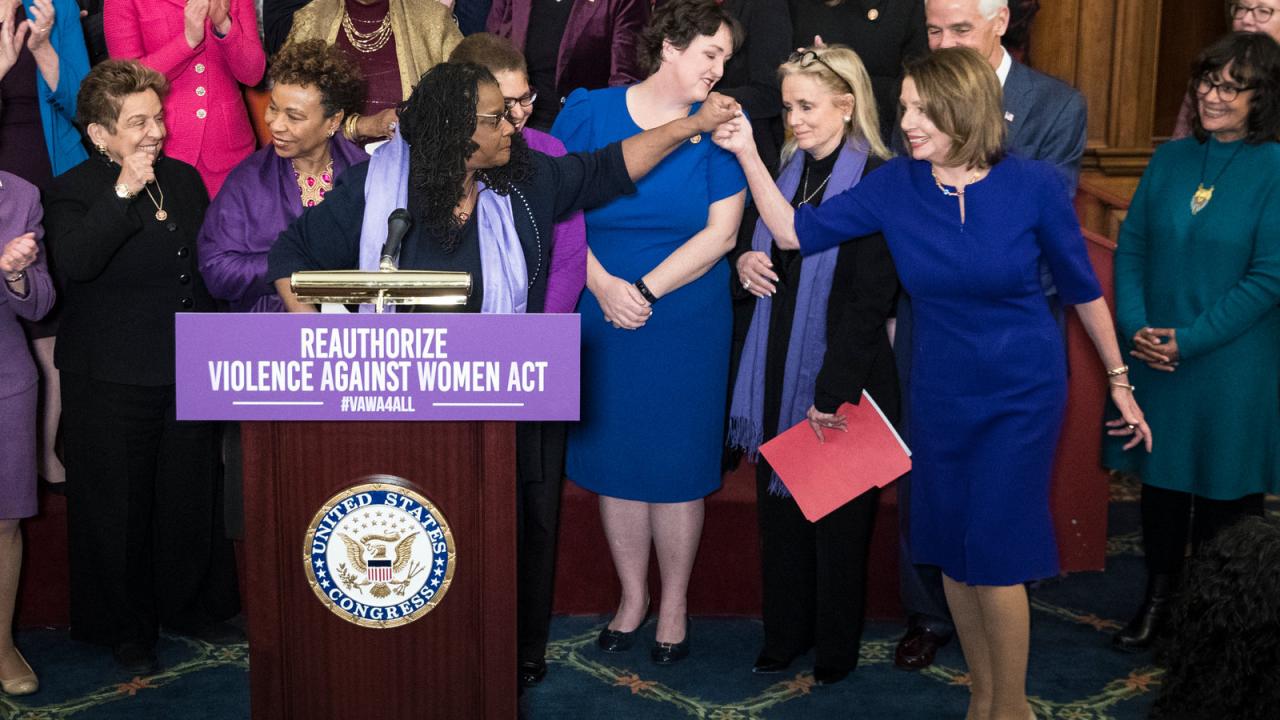
The Violence Against Women Act (VAWA) is a landmark piece of legislation that has been instrumental in addressing domestic violence, sexual assault, and stalking. However, a significant loophole in the law allows perpetrators of these crimes to escape justice, particularly when it comes to interstate offenses.This loophole arises from the limited jurisdiction of federal courts in VAWA cases.
While VAWA provides federal protection for victims, it primarily applies to crimes committed within the same state. When a perpetrator crosses state lines to commit an act of violence, the federal government’s ability to prosecute becomes significantly hindered. This creates a dangerous situation where perpetrators can exploit the jurisdictional gap, making it challenging for victims to seek justice and find safety.
The Limited Jurisdiction of Federal Courts
The current VAWA law primarily allows for federal prosecution when the crime occurs within the same state. This limitation restricts the federal government’s ability to pursue cases where the perpetrator travels across state lines to commit the offense. This loophole arises from the interpretation of the law, which focuses on the location of the crime rather than the perpetrator’s intent or actions.
It’s alarming to see the loopholes in the Violence Against Women Act, and it’s crucial that Biden takes action to close them. Just like we need to address the science of effective teacher coaching, as outlined in this article from EdSurge the science of coaching teachers edsurge news , we must ensure that laws protecting women are robust and truly effective.
Closing those loopholes in the Violence Against Women Act is a critical step towards a safer future for all women.
“The VAWA’s federal jurisdiction is limited to crimes that occur within the same state. This creates a loophole that allows perpetrators to escape justice when they cross state lines to commit violence.”
It’s frustrating to see a loophole in the Violence Against Women Act that allows abusers to slip through the cracks. Biden needs to close this gap, and it’s not just about lawmaking – it’s about leadership. Strong leadership requires skills like empathy, communication, and strategic thinking, all of which are crucial for tackling complex issues like domestic violence.
Check out this article on 10 most important leadership skills for the 21st century workplace and how to develop them to see how these skills can be applied to creating real change. By prioritizing these leadership skills, we can finally close this dangerous loophole and protect women from violence.
This limited jurisdiction has a significant impact on victims’ access to justice. When a perpetrator crosses state lines, the prosecution often falls under the jurisdiction of the state where the crime occurred. However, state courts may have limited resources or experience in handling complex interstate cases, leading to delays and potential dismissal of charges.
Real-World Examples of the Loophole
Several real-world examples illustrate how this loophole can be exploited by perpetrators. In one case, a man fled his home state after assaulting his partner, traveling to another state to avoid prosecution. The victim was unable to pursue charges in the perpetrator’s home state due to his absence, and the state where the assault occurred lacked sufficient evidence to establish jurisdiction.Another example involves a woman who was stalked by her ex-partner across multiple states.
The perpetrator’s actions included sending threatening messages and appearing at her workplace in different states. However, due to the limited jurisdiction of federal courts, the woman faced difficulties in securing a restraining order or pursuing criminal charges.These examples highlight the real-world consequences of the loophole in VAWA.
It allows perpetrators to evade justice by exploiting jurisdictional limitations and creates significant challenges for victims seeking protection and justice.
The Impact of the Loophole: Theres A Dangerous Loophole In The Violence Against Women Act And Biden Can Close It
The loophole in VAWA has significant and far-reaching consequences for victims of violence, impacting their safety, access to resources, and overall well-being. This loophole undermines the very purpose of the law, leaving many vulnerable individuals without the protection they deserve.The loophole’s impact extends beyond individual victims, affecting women’s safety on a broader societal level.
It perpetuates a culture of impunity for abusers, discouraging reporting and hindering efforts to address the root causes of violence against women.
The Impact on Victims of Violence
The consequences of this loophole for victims of violence are profound. It creates a sense of vulnerability and insecurity, making it more difficult for victims to escape abusive situations. The loophole can also discourage victims from seeking help, as they may fear that their abuser will not be held accountable.
- Limited Access to Resources:Victims may be denied access to vital resources, such as protective orders, housing assistance, and legal aid, due to the loophole’s limitations. This can leave them trapped in dangerous situations without adequate support.
- Increased Risk of Re-victimization:The loophole can increase the risk of re-victimization by abusers, who may feel emboldened by the lack of legal consequences for their actions. This can lead to a cycle of violence that is difficult to break.
- Psychological Trauma:The loophole can exacerbate the psychological trauma experienced by victims of violence. Knowing that their abuser may not be held accountable can contribute to feelings of helplessness, fear, and distrust.
Statistics on Cases Affected by the Loophole
While precise statistics on the number of cases directly impacted by this loophole are difficult to obtain, numerous studies and reports highlight the significant number of victims who are denied protection due to the law’s limitations.
A study by the National Coalition Against Domestic Violence found that approximately 25% of domestic violence victims reported experiencing a delay or denial of protection due to the loophole in VAWA.
The Broader Societal Impact
The loophole in VAWA has a significant impact on society as a whole, contributing to a culture of impunity for abusers and undermining efforts to address the root causes of violence against women.
- Perpetuation of Violence:The loophole sends a message that violence against women is not taken seriously, encouraging abusers to continue their harmful behavior. This can lead to a cycle of violence that is difficult to break.
- Discouragement of Reporting:The loophole can discourage victims from reporting violence, as they may fear that their abuser will not be held accountable. This can make it more difficult to track and address the prevalence of violence against women.
- Erosion of Trust in the Legal System:The loophole can erode public trust in the legal system, particularly among victims of violence who may feel that the system is not working to protect them.
Biden’s Role in Closing the Loophole
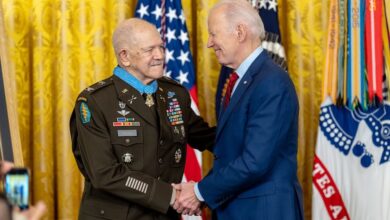
President Biden has consistently expressed his support for strengthening VAWA and closing the loophole that allows individuals convicted of misdemeanor domestic violence to purchase firearms. He recognizes the urgency of this issue and has called for action to protect victims of domestic violence.Biden’s commitment to closing the loophole is rooted in his belief that gun violence, particularly against women, is a serious public health crisis.
He has consistently emphasized the need for comprehensive gun safety measures, including closing the “boyfriend loophole” in VAWA.
Actions Biden Can Take
Biden can take several steps to close the loophole in VAWA. These include:
- Executive Order:Biden can issue an executive order directing federal agencies to enforce existing laws more effectively and to prioritize closing the loophole. This could include strengthening background checks and ensuring that individuals convicted of misdemeanor domestic violence are not able to purchase firearms.
- Legislative Action:Biden can work with Congress to pass legislation that closes the loophole permanently. This would require bipartisan support, which may be challenging but is essential to enacting lasting change.
- Public Awareness Campaign:Biden can launch a public awareness campaign to educate the public about the loophole and its impact on victims of domestic violence. This could help build public support for closing the loophole and encourage lawmakers to act.
Examples of Past Legislation
Several past legislative actions have addressed similar issues, demonstrating the feasibility of closing the loophole in VAWA. For instance, the “Lautenberg Amendment”(1996) prohibited individuals convicted of domestic violence from possessing firearms. This amendment, while significant, does not address the loophole for misdemeanor convictions.
Closing the loophole in VAWA would build upon the Lautenberg Amendment by extending the ban to individuals convicted of misdemeanor domestic violence.The “Fix NICS Act”(2017) improved the National Instant Criminal Background Check System (NICS) by requiring federal agencies to submit records of individuals prohibited from possessing firearms.
While this act enhanced background checks, it did not specifically address the loophole in VAWA. Closing the loophole would further strengthen NICS by ensuring that all individuals convicted of domestic violence, regardless of the severity of the offense, are prohibited from purchasing firearms.These examples demonstrate the potential for legislative action to close the loophole in VAWA and provide greater protection for victims of domestic violence.
Biden’s commitment to closing the loophole, combined with past legislative successes, suggests that this goal is achievable.
Potential Solutions
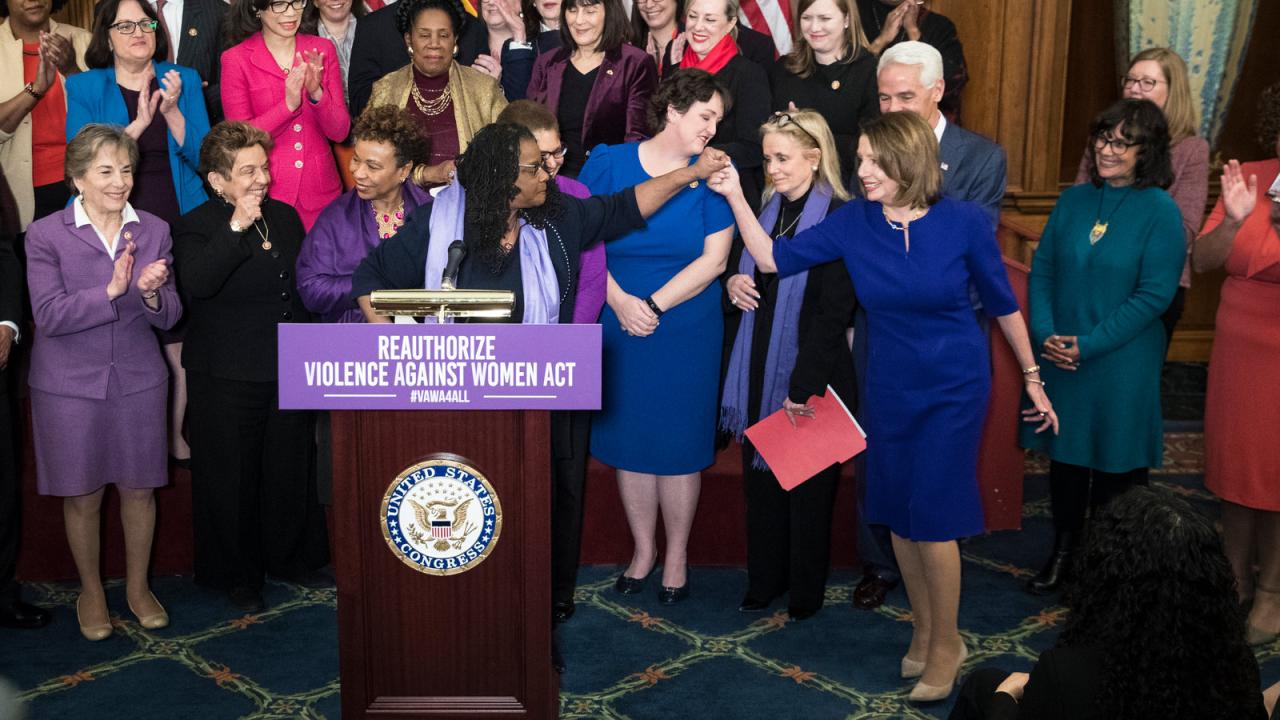
Closing the loophole in the Violence Against Women Act (VAWA) requires a multifaceted approach. This necessitates a careful examination of various solutions and their potential impact on addressing the issue.
Legislative Amendments
Legislative amendments to VAWA offer a direct approach to closing the loophole. These amendments can clarify the definition of “dating violence” to encompass abusive relationships, regardless of the duration or nature of the relationship. This can ensure that victims of abuse, regardless of their relationship status, have access to the protections and resources offered under VAWA.
- Defining “Dating Violence”: Expanding the definition of “dating violence” to include any form of abuse in a relationship, regardless of its duration or nature. This could involve defining “dating violence” as any form of abuse between individuals who are or have been in a romantic relationship, regardless of whether they have lived together or are married.
For example, if a person has been in a relationship with someone for a month and has experienced abuse, they should be considered a victim of “dating violence” under the law.
- Strengthening Protections: Enhancing the protections available to victims of dating violence, including access to restraining orders, emergency housing, and legal assistance. This could involve increasing funding for programs that provide these services and making it easier for victims to obtain them.
For example, expanding the availability of free legal assistance to victims of dating violence, particularly in rural areas, could ensure that victims have access to the legal support they need to navigate the legal system and protect themselves from further abuse.
- Addressing the “Dating Relationship” Requirement: Eliminating the “dating relationship” requirement altogether, allowing any victim of domestic violence, regardless of their relationship status, to access the protections offered under VAWA. This could provide greater access to resources for victims of abuse in relationships that are not traditionally recognized as “dating relationships,” such as casual relationships or situations where the abuse occurs in a workplace setting.
Improved Law Enforcement Training
Enhanced law enforcement training is crucial in addressing the loophole. Training programs can educate officers on the complexities of dating violence, helping them better identify and respond to situations involving abuse in non-traditional relationships. This can ensure that victims receive the appropriate support and that perpetrators are held accountable for their actions.
- Recognizing and Responding to Dating Violence: Providing law enforcement officers with comprehensive training on recognizing and responding to dating violence, regardless of the duration or nature of the relationship. This could include training on identifying the signs of abuse, understanding the dynamics of dating violence, and knowing how to effectively investigate and prosecute cases.
For example, officers could be trained on how to identify manipulative tactics used by abusers, such as isolating victims from friends and family, controlling their finances, or using threats and intimidation.
- Enhancing Communication and Collaboration: Promoting better communication and collaboration between law enforcement officers and victim service providers. This could involve establishing clear protocols for sharing information and coordinating responses to cases of dating violence. For example, officers could be trained on how to connect victims with local domestic violence shelters and support services, ensuring that victims receive comprehensive support and resources.
- Addressing Bias and Implicit Bias: Addressing potential biases and implicit biases that may affect law enforcement officers’ responses to cases of dating violence. This could involve training on recognizing and mitigating the effects of these biases, ensuring that all victims receive equal treatment and protection under the law.
For example, training could address common stereotypes about dating violence, such as the assumption that it only occurs in long-term relationships or that victims are always women.
Public Awareness Campaigns
Raising public awareness about the loophole in VAWA and its impact on victims of dating violence is crucial. Public awareness campaigns can educate the public about the complexities of dating violence and the importance of seeking help. This can empower victims to come forward and seek support, and it can also encourage others to recognize and report instances of dating violence.
- Educating the Public: Developing public awareness campaigns that educate the public about the loophole in VAWA and its impact on victims of dating violence. This could involve using social media, television, and print media to disseminate information about the issue and encourage people to take action.
For example, campaigns could highlight real-life stories of victims of dating violence and the challenges they face in accessing legal protection and resources.
- Promoting Victim Empowerment: Encouraging victims of dating violence to seek help and report abuse. This could involve providing information about available resources, such as hotlines, shelters, and legal assistance. For example, campaigns could promote the use of online resources, such as websites and social media groups, where victims can connect with others who have experienced similar situations and find support.
- Encouraging Bystander Intervention: Promoting bystander intervention to help prevent dating violence. This could involve educating people about the signs of dating violence and encouraging them to take action when they witness abuse. For example, campaigns could provide tips on how to intervene safely and effectively, such as calling the police or offering support to the victim.
Public-Private Partnerships
Public-private partnerships can play a vital role in addressing the loophole. These partnerships can leverage the resources and expertise of both government agencies and private organizations to develop and implement effective solutions. This could involve collaborating on public awareness campaigns, providing training to law enforcement officers, and expanding access to victim services.
It’s alarming that the Violence Against Women Act has a dangerous loophole, one that Biden can and should close. While we’re grappling with this critical issue, it’s also important to consider the broader political landscape. The article opinion will inflation worries push americans toward authoritarianism to economic detriment highlights how economic anxieties could fuel a dangerous shift towards authoritarianism.
This potential shift only emphasizes the urgency of addressing the loophole in the Violence Against Women Act, as protecting vulnerable communities requires a strong and just legal framework.
- Sharing Resources and Expertise: Facilitating partnerships between government agencies, such as law enforcement and social service organizations, and private organizations, such as non-profit organizations and businesses. This could involve sharing resources, expertise, and funding to support efforts to close the loophole.
For example, partnerships could be formed to develop comprehensive training programs for law enforcement officers, or to create public awareness campaigns that reach diverse communities.
- Investing in Victim Services: Encouraging private organizations to invest in victim services, such as shelters, counseling, and legal assistance. This could involve providing financial support, volunteering resources, or creating awareness about the needs of victims of dating violence. For example, businesses could offer pro bono legal services to victims of dating violence, or they could donate to organizations that provide emergency housing and other essential services.
- Promoting Innovation: Facilitating the development and implementation of innovative solutions to address the loophole. This could involve supporting research, pilot programs, and technology-based solutions that can improve the response to dating violence. For example, partnerships could be formed to develop mobile apps that provide victims with access to resources and support services, or to create online platforms that connect victims with advocates and legal professionals.
Table: Pros and Cons of Potential Solutions
| Solution | Pros | Cons |
|---|---|---|
| Legislative Amendments | Directly addresses the loophole, provides clear legal protections for victims. | May be difficult to pass legislation, requires political will and support. |
| Improved Law Enforcement Training | Increases officer awareness of dating violence, improves responses to victims. | Requires significant investment in training programs, may not address systemic biases. |
| Public Awareness Campaigns | Educates the public, empowers victims to seek help, encourages bystander intervention. | May not be effective in reaching all communities, requires sustained effort and funding. |
| Public-Private Partnerships | Leverages resources and expertise, promotes innovation, expands access to victim services. | May be difficult to coordinate partnerships, requires clear communication and collaboration. |
The Importance of Closing the Loophole
The loophole in the Violence Against Women Act (VAWA) is a critical issue that demands immediate attention. It undermines the very purpose of VAWA, which is to protect victims of domestic violence and sexual assault. Closing this loophole is not just a matter of legal technicality; it’s a matter of life and death for countless individuals.
The Urgency of Closing the Loophole
The loophole in VAWA allows abusers to escape accountability and continue their violent behavior. This has devastating consequences for victims, who are left vulnerable and at risk. For example, a study by the National Coalition Against Domestic Violence found that one in four women will experience domestic violence in their lifetime.
This loophole makes it easier for abusers to continue their pattern of violence, putting victims at greater risk of serious injury or even death.
The Essential Need for Closure
Closing the loophole is essential for several reasons. First, it would ensure that abusers are held accountable for their actions. This would send a strong message that violence against women will not be tolerated. Second, it would provide victims with greater access to justice and protection.
Third, it would create a safer environment for all women.
Benefits for Victims and Society
Closing the loophole would have a significant positive impact on both victims and society as a whole. For victims, it would mean:
- Increased access to legal protections and resources.
- Greater safety and security.
- Improved chances of escaping abusive relationships.
- A stronger sense of justice and accountability.
For society, closing the loophole would mean:
- A reduction in domestic violence and sexual assault rates.
- A safer and more just society for all.
- Greater economic productivity, as victims are able to participate fully in society.
- A stronger commitment to gender equality.
Summary
Closing this loophole in VAWA is not just about justice for victims, it’s about creating a safer society for all women. By addressing this critical issue, we can ensure that the Violence Against Women Act truly fulfills its promise of protection.
It’s time for Biden to step up and close this dangerous loophole, sending a clear message that violence against women will not be tolerated.