White House Explores Ways to Lower Gas Prices
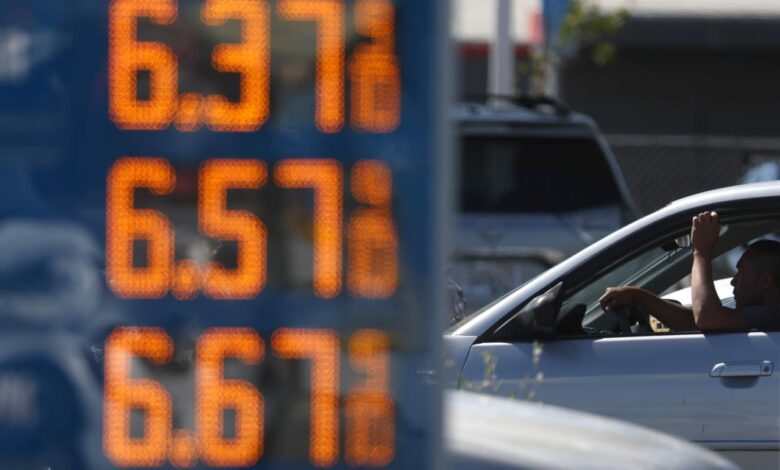
White house exploring ways to lower gas prices – The White House is actively exploring ways to lower gas prices, a pressing issue for Americans grappling with soaring costs at the pump. With inflation at a 40-year high, the rising price of gasoline is significantly impacting household budgets and driving up transportation costs across the nation.
This issue has become a top priority for the administration, prompting them to consider a range of measures to address the problem.
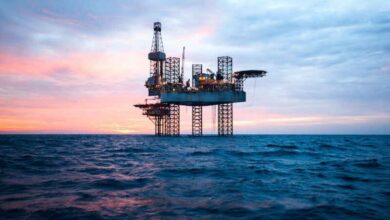
The current gas price surge is attributed to a complex interplay of factors, including the ongoing war in Ukraine, global supply chain disruptions, and increased demand as economies rebound from the pandemic. The White House is examining various strategies to mitigate these challenges, including releasing oil from the Strategic Petroleum Reserve, promoting domestic energy production, and exploring alternative fuel sources.
Current Gas Price Situation
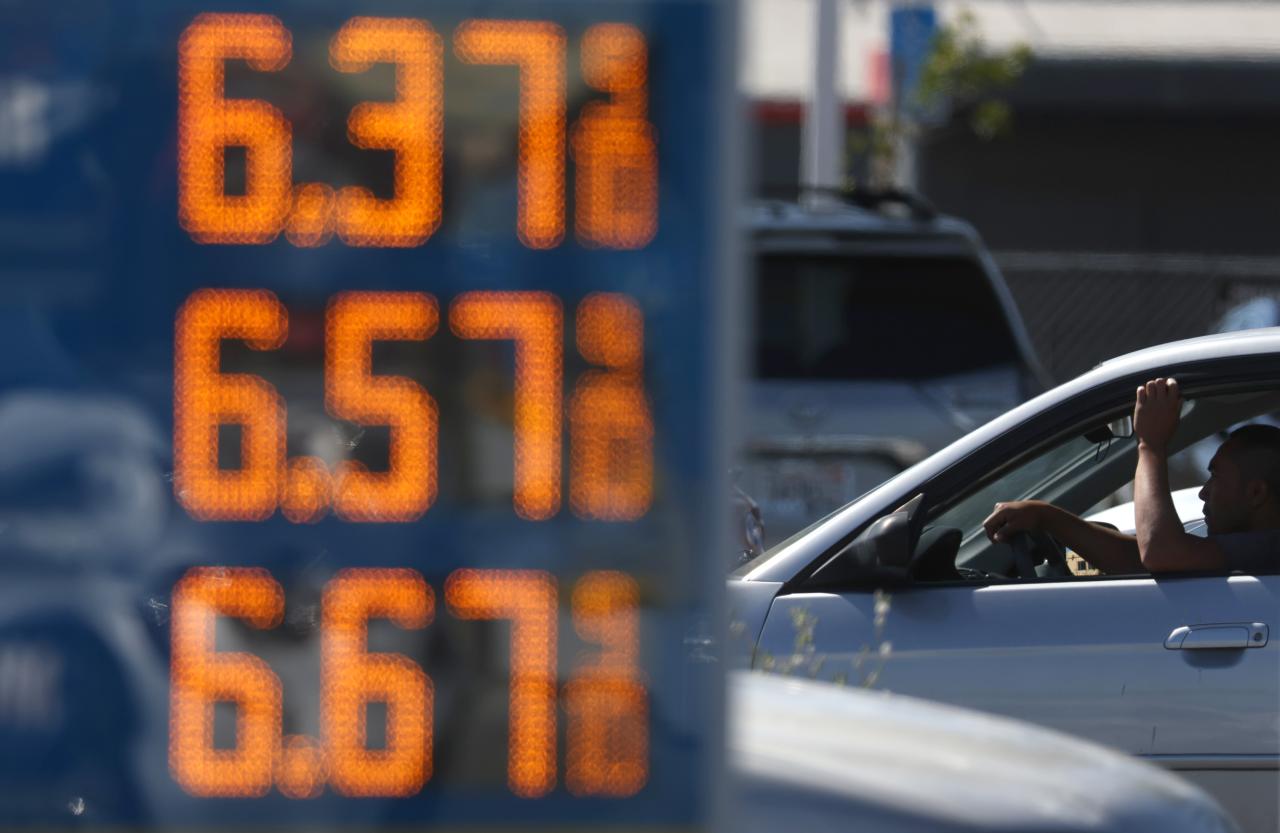
As of October 26, 2023, the national average gas price in the United States is $3.82 per gallon, according to AAA. This price represents a significant increase from the average price of $3.39 per gallon a year ago. The current high gas prices are a result of a complex interplay of factors, including global supply and demand dynamics, geopolitical tensions, and domestic economic conditions.
Factors Contributing to High Gas Prices
The current high gas prices are influenced by a number of factors:
- Global Supply and Demand:The global demand for oil has been steadily increasing, driven by economic growth in developing countries. At the same time, global oil production has been constrained by factors such as geopolitical instability, supply chain disruptions, and the transition to renewable energy sources.
The White House is actively looking for ways to lower gas prices, a pressing issue for many Americans. But beyond the economic concerns, there’s a deeper layer of trauma that many are grappling with, especially in the wake of the recent Buffalo shooting, as african americans experiencing trauma after buffalo shooting experts say.
This collective pain underscores the need for not just economic relief, but also healing and support for communities struggling with violence and racism.
This imbalance between supply and demand has pushed up oil prices, which in turn impacts gas prices.
- Geopolitical Tensions:The ongoing war in Ukraine has disrupted global energy markets, particularly in Europe, which heavily relies on Russian oil and gas. The sanctions imposed on Russia have reduced its oil exports, further tightening global supply and contributing to higher prices.
The White House is working tirelessly to address the rising cost of gas, exploring various strategies to ease the burden on American families. While they focus on practical solutions, it’s disheartening to see some politicians like the GOP congressional candidate who believes abortion is a human sacrifice to demons, as reported here.
These extreme views distract from the real issues and undermine the efforts to create a more just and equitable society. Ultimately, the White House’s efforts to lower gas prices will be more effective if we can find common ground and focus on solutions that benefit everyone.
- Domestic Economic Conditions:Inflation and consumer spending patterns also influence gas prices. When inflation is high, consumers tend to spend more on essential goods like gasoline, leading to increased demand and potentially higher prices.
- Refinery Capacity:The US refining capacity has been declining in recent years, making the country more vulnerable to global oil price fluctuations. This is due to factors such as environmental regulations, plant closures, and limited investments in new refineries.
Historical Trends of Gas Prices
Gas prices have fluctuated significantly over the past year, with periods of sharp increases followed by periods of relative stability. For example, in March 2022, the national average gas price surged to over $4.30 per gallon, reaching its highest level in over a decade.
The White House is exploring various avenues to lower gas prices, but the reality is that the situation is complex and deeply tied to global events. The recent arrest of a Russian oligarch, who has spoken out about the need for regime change in Russia, jailed russian oligarch biden was right to demand russian regime change , highlights the political instability contributing to the energy crisis.
While the White House seeks solutions, it’s clear that the path to lower gas prices requires a multifaceted approach that addresses both domestic and international factors.
This surge was largely attributed to the war in Ukraine and its impact on global oil markets. However, prices gradually declined in the latter half of 2022 and into early 2023, before starting to climb again in recent months.
White House Initiatives
The Biden administration is exploring a variety of measures to address the high gas prices that are currently impacting American consumers. These initiatives aim to reduce reliance on foreign oil, promote domestic energy production, and provide temporary relief to drivers.
While some of these measures have been met with skepticism, others have been praised for their potential to create long-term benefits for the economy.
Impact on the Economy
The White House’s initiatives to lower gas prices could have a significant impact on the US economy. The potential benefits include:
- Reduced inflation:Lower gas prices could help to curb inflation, which has been a major concern for consumers and businesses alike. This could potentially lead to increased consumer spending and economic growth.
- Increased disposable income:Lower gas prices would leave consumers with more disposable income, which they could spend on other goods and services, further boosting the economy.
- Stimulated economic activity:Lower gas prices could also stimulate economic activity by making it cheaper for businesses to transport goods and services. This could lead to job creation and increased productivity.
However, some potential drawbacks could also arise:
- Increased government spending:Some of the White House’s initiatives, such as releasing oil from the Strategic Petroleum Reserve, could require significant government spending, which could have an impact on the federal budget.
- Potential for unintended consequences:Some measures, such as increased oil production, could have unintended consequences, such as environmental damage or increased reliance on fossil fuels.
- Limited long-term impact:Some initiatives, such as tax breaks for oil companies, may have a limited long-term impact on gas prices, as they could be offset by other factors, such as global demand and supply.
Comparison to Previous Efforts
The White House’s current initiatives to lower gas prices are similar to some of the measures taken by previous administrations to address high gas prices.
- Release of oil from the Strategic Petroleum Reserve:This measure was also used by the Bush administration in 2008 during the financial crisis and by the Obama administration in 2011 following the Japanese earthquake and tsunami. However, the Biden administration’s release is the largest ever, with the goal of providing short-term relief to consumers.
- Calls for increased oil production:Previous administrations have also called for increased oil production to lower gas prices. However, the Biden administration’s emphasis on renewable energy and climate change mitigation may make it more difficult to achieve a significant increase in oil production.
- Tax breaks for oil companies:The Trump administration offered tax breaks to oil companies, which some argued helped to lower gas prices. However, these tax breaks were controversial, with some arguing that they did not do enough to address the underlying issues driving up gas prices.
Impact on Consumers
High gas prices have a significant impact on consumers, particularly those with limited financial resources. The rising cost of gasoline directly affects household budgets, transportation costs, and overall affordability. This section will delve into the specific ways high gas prices affect consumers, including the percentage of income spent on gasoline by different income brackets and potential consumer responses to these price increases.
Percentage of Income Spent on Gasoline
The percentage of income spent on gasoline varies considerably across different income brackets. Lower-income households tend to spend a significantly larger portion of their income on gasoline compared to higher-income households. This is due to factors such as reliance on personal vehicles for transportation, limited access to public transportation, and higher fuel efficiency of vehicles owned by higher-income households.
Here is a table showcasing the estimated percentage of income spent on gasoline by different income brackets in the United States, based on data from the U.S. Energy Information Administration (EIA):
| Income Bracket | Percentage of Income Spent on Gasoline |
|---|---|
| Lower Income (Below $35,000) | 5-8% |
Middle Income ($35,000
|
3-5% |
| Higher Income (Above $100,000) | 1-3% |
It is important to note that these figures are estimates and may vary depending on individual circumstances, such as vehicle type, driving habits, and geographic location.
Consumer Responses to High Gas Prices
Consumers often adjust their behavior in response to high gas prices. Some common responses include:
- Reduced Driving:Consumers may reduce their driving by combining errands, carpooling, or opting for shorter trips. For instance, a family might choose to take fewer weekend trips or opt for closer vacation destinations.
- Alternative Transportation:Individuals may consider alternative transportation options, such as public transportation, cycling, or walking, especially for shorter distances. This can be particularly relevant for individuals living in urban areas with well-developed public transportation systems.
- Fuel-Efficient Vehicles:Consumers may choose to purchase more fuel-efficient vehicles, such as hybrid or electric cars, to reduce their overall fuel consumption and costs. However, the initial cost of these vehicles can be a barrier for many consumers.
- Shifting Consumption Patterns:Some consumers may adjust their spending habits, prioritizing essential goods and services over discretionary items. This can involve cutting back on entertainment, dining out, or other non-essential expenditures to compensate for the increased cost of gasoline.
Long-Term Solutions
The White House recognizes that addressing gas price volatility requires a long-term strategy that shifts away from fossil fuels and embraces renewable energy sources. This vision goes beyond short-term fixes and aims to create a more sustainable and resilient energy system for the future.
Strategies for Reducing Fossil Fuel Dependence
The White House proposes several strategies to reduce our reliance on fossil fuels and promote renewable energy. These strategies aim to create a more sustainable and resilient energy system, while also reducing our dependence on foreign oil and mitigating climate change.
- Investing in Renewable Energy:The White House plans to significantly increase investments in renewable energy sources like solar, wind, and geothermal. This includes tax credits, subsidies, and other incentives to encourage the development and deployment of these technologies.
- Improving Energy Efficiency:The White House aims to improve energy efficiency across all sectors, from homes and buildings to transportation and industry. This includes implementing stricter building codes, promoting energy-efficient appliances, and supporting the development of fuel-efficient vehicles.
- Developing Domestic Energy Sources:The White House recognizes the importance of developing domestic energy sources, including renewable energy and clean energy technologies. This will help reduce our reliance on foreign oil and create jobs in the clean energy sector.
- Investing in Electric Vehicle Infrastructure:The White House plans to invest in charging stations and other infrastructure to support the adoption of electric vehicles. This will encourage the transition to electric vehicles, reducing our dependence on gasoline and mitigating greenhouse gas emissions.
Impact of Energy Policies, White house exploring ways to lower gas prices
Different energy policies have varying impacts on the economy, environment, and consumers. The White House acknowledges these impacts and aims to strike a balance between economic growth, environmental sustainability, and consumer affordability.
| Energy Policy | Pros | Cons |
|---|---|---|
| Investing in Renewable Energy | Reduces reliance on fossil fuels, creates jobs in the clean energy sector, reduces greenhouse gas emissions. | May require upfront investments, some renewable energy sources are intermittent (e.g., solar and wind), land use concerns for large-scale projects. |
| Improving Energy Efficiency | Reduces energy consumption, lowers energy bills for consumers, reduces greenhouse gas emissions. | May require upfront investments in energy-efficient appliances and technologies, behavioral changes may be needed to adopt energy-saving practices. |
| Developing Domestic Energy Sources | Reduces reliance on foreign oil, creates jobs in the energy sector, enhances energy security. | May require significant investments, environmental concerns associated with some energy sources (e.g., fracking), potential for land use conflicts. |
| Investing in Electric Vehicle Infrastructure | Reduces reliance on gasoline, reduces greenhouse gas emissions, creates jobs in the electric vehicle industry. | High upfront cost of electric vehicles, limited range of some electric vehicles, infrastructure needs to be expanded to support widespread adoption. |
Outcome Summary: White House Exploring Ways To Lower Gas Prices
The White House’s efforts to lower gas prices are a complex endeavor with far-reaching implications for the economy and American consumers. The administration faces the challenge of balancing immediate relief with long-term energy policy goals, while navigating a global energy landscape characterized by volatility and uncertainty.
As the situation evolves, it remains to be seen how effectively these initiatives will address the pressing need for lower gas prices and ensure energy security for the nation.