
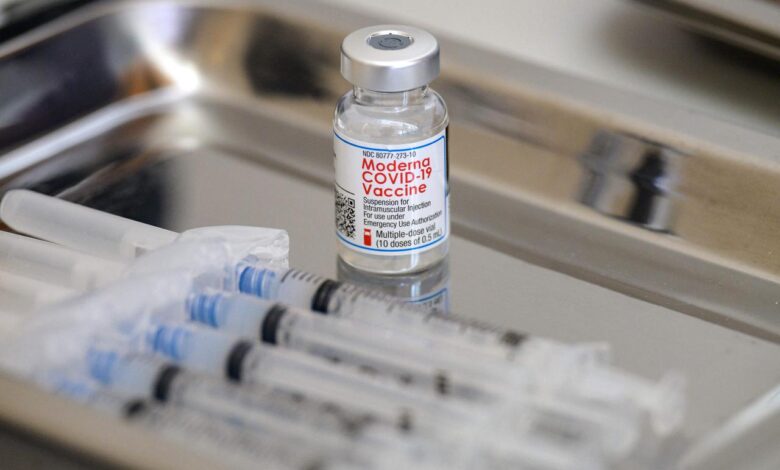
Biden Warns of Vaccine Shortages This Fall if Congress Fails to Fund
Biden warns u s wont have enough covid vaccine shots this fall if congress fails to pass funding – Biden Warns of Vaccine Shortages This Fall if Congress Fails to Fund sets the stage for a critical discussion about the future of COVID-19 vaccination in the United States. President Biden’s recent warning about potential vaccine shortages this fall has ignited a debate about the importance of congressional funding for public health preparedness.
This situation echoes historical struggles with vaccine access and distribution in the US, prompting renewed urgency in addressing the challenges posed by the ongoing pandemic.
The warning comes at a time when COVID-19 vaccination rates have plateaued in the US, leaving millions vulnerable to infection and severe illness. Biden’s request for additional funding aims to ensure the availability of vaccines, boosters, and other essential resources to combat the virus.
However, the fate of this funding request hangs in the balance as Congress grapples with political divisions and competing priorities.
Alternative Solutions and Strategies
President Biden’s warning about potential vaccine shortages highlights the critical need for alternative solutions and strategies to ensure continued access to COVID-19 vaccines. While Congress’s funding approval is crucial, exploring alternative pathways to address vaccine supply and distribution challenges is essential.
It’s a tough time to be navigating the news cycle. One minute we’re hearing President Biden warn that the US won’t have enough COVID vaccine shots this fall if Congress fails to pass funding, and the next we’re seeing a recall like Albanese Confectionery Group Inc.
recalling select peanut butter products due to potential health risks. It’s a reminder that we need to stay informed and take steps to protect ourselves, both from the virus and from potential food safety issues. Let’s hope Congress gets their act together and prioritizes funding for vaccine development and distribution so we can get back to some semblance of normalcy.
Alternative Solutions to Address Vaccine Shortages
The potential for vaccine shortages underscores the importance of exploring alternative solutions. These solutions aim to address the challenges of vaccine supply, distribution, and accessibility.
- Increased Domestic Production:Expanding domestic vaccine production capacity can significantly reduce reliance on international sources. This can involve incentivizing existing manufacturers to increase production, supporting the development of new manufacturing facilities, and streamlining regulatory processes for vaccine approval.
- Strategic Partnerships:Establishing partnerships with other countries or international organizations can facilitate access to vaccine supplies, especially in situations of global shortages. This could involve joint procurement initiatives, technology transfer agreements, or reciprocal arrangements for vaccine access.
- Prioritization and Allocation Strategies:Prioritizing vaccine distribution based on factors such as age, health status, and occupation can ensure that vaccines reach those most vulnerable and essential workers first. This approach can be implemented through targeted distribution programs and allocation guidelines.
- Innovative Vaccine Delivery Methods:Exploring new and innovative vaccine delivery methods, such as nasal sprays or microneedle patches, can increase vaccine accessibility and potentially simplify distribution logistics. These methods can be particularly beneficial for reaching underserved populations or those with limited access to traditional healthcare settings.
- Public-Private Partnerships:Collaboration between government agencies, pharmaceutical companies, and healthcare providers can enhance vaccine distribution and outreach efforts. This can involve leveraging existing infrastructure, resources, and expertise to reach underserved communities and increase vaccination rates.
Strategies for Ensuring Vaccine Access, Biden warns u s wont have enough covid vaccine shots this fall if congress fails to pass funding
Implementing effective strategies is crucial for ensuring equitable access to COVID-19 vaccines. These strategies encompass various aspects, including supply chain management, distribution logistics, and community outreach.
President Biden’s warning about a potential vaccine shortage this fall if Congress doesn’t approve funding is a stark reminder of the ongoing challenges we face. While the pandemic has undoubtedly reshaped our world, it has also spurred innovation, particularly in the realm of education.
To better understand the impact of these changes, check out this insightful article: 7 facts about the state of edtech in schools. As we navigate the future, it’s crucial to prioritize public health and invest in the tools that will empower our children to thrive in an increasingly digital world.
| Strategy | Description | Benefits | Challenges |
|---|---|---|---|
| Supply Chain Optimization | Streamlining the vaccine supply chain by improving production efficiency, transportation logistics, and storage capabilities. | Increased vaccine availability, reduced waste, and efficient distribution. | Requires coordination among multiple stakeholders, investment in infrastructure, and robust tracking systems. |
| Targeted Distribution | Directing vaccine doses to specific populations based on risk factors, such as age, health conditions, and occupation. | Prioritizes vulnerable groups and essential workers, maximizing vaccine impact. | Requires data analysis, accurate risk assessments, and effective communication. |
| Community Outreach | Engaging with communities, addressing vaccine hesitancy, and promoting vaccination through education, awareness campaigns, and culturally sensitive messaging. | Increased vaccine acceptance, reduced misinformation, and equitable access. | Requires diverse outreach strategies, trust-building initiatives, and culturally appropriate communication. |
| Vaccine Incentives | Offering incentives, such as financial rewards, gift cards, or lottery entries, to encourage vaccination. | Motivates individuals to get vaccinated, potentially increasing uptake. | Ethical concerns, potential for unintended consequences, and logistical complexities. |
Decision-Making Process for Vaccine Allocation
A well-defined decision-making process is essential for allocating vaccines fairly and efficiently. This process involves a series of steps, considering factors such as risk, vulnerability, and equity.
It’s a tough time for the US, with Biden warning of a potential shortage of COVID vaccines this fall if Congress doesn’t approve funding. Meanwhile, the tech world is buzzing about the shifting landscape of mobile operating systems, with android losing market share to iOS but still dominating overall.
It’s a reminder that even in the face of challenges, progress continues, and hopefully, solutions will be found for both the vaccine shortage and the evolving mobile market.
The decision-making process for vaccine allocation should prioritize ethical considerations, including equity, fairness, and transparency.
Public Health and Policy Implications
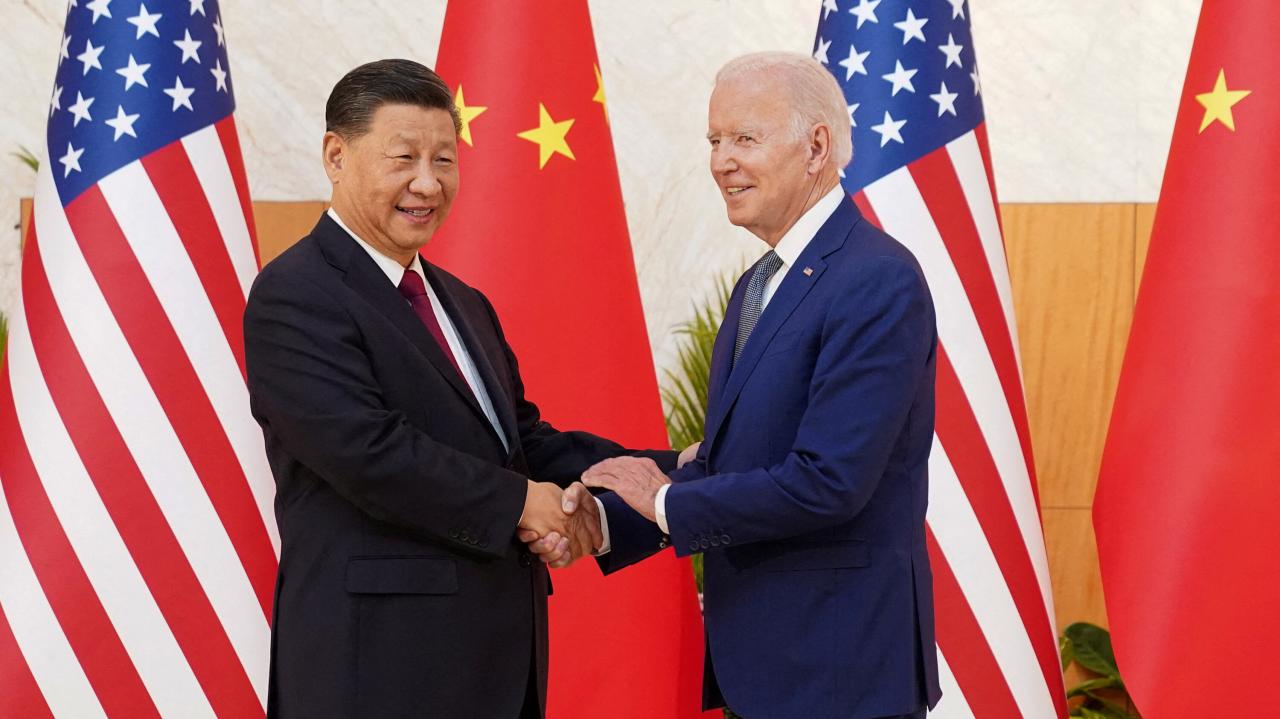
The potential shortage of COVID-19 vaccines in the fall highlights the critical importance of public health preparedness, not just for future pandemics but also for effectively managing existing health threats. This situation underscores the need for robust government policies that prioritize vaccine access, equitable distribution, and ongoing research and development.
Government’s Role in Vaccine Access and Distribution
Effective vaccine access and distribution require a multi-faceted approach involving the government at various levels. This includes:
- Funding for Vaccine Research and Development:The government plays a crucial role in supporting the development of new vaccines and technologies through grants and research initiatives. This investment is essential for ensuring a steady supply of vaccines in the face of emerging threats.
- Ensuring Equitable Distribution:Governments must prioritize equitable distribution of vaccines, particularly in underserved communities that may face barriers to access. This can involve targeted outreach programs, mobile vaccination clinics, and community-based partnerships.
- Public Health Infrastructure:A robust public health infrastructure is essential for effective vaccine administration, including trained healthcare professionals, cold chain logistics, and data management systems. The government must invest in strengthening these systems to ensure efficient vaccine delivery.
- Communication and Public Education:Clear and consistent communication about vaccine safety, efficacy, and availability is crucial for building public trust and encouraging vaccination uptake. Government agencies play a vital role in disseminating accurate information through various channels.
Conclusive Thoughts: Biden Warns U S Wont Have Enough Covid Vaccine Shots This Fall If Congress Fails To Pass Funding
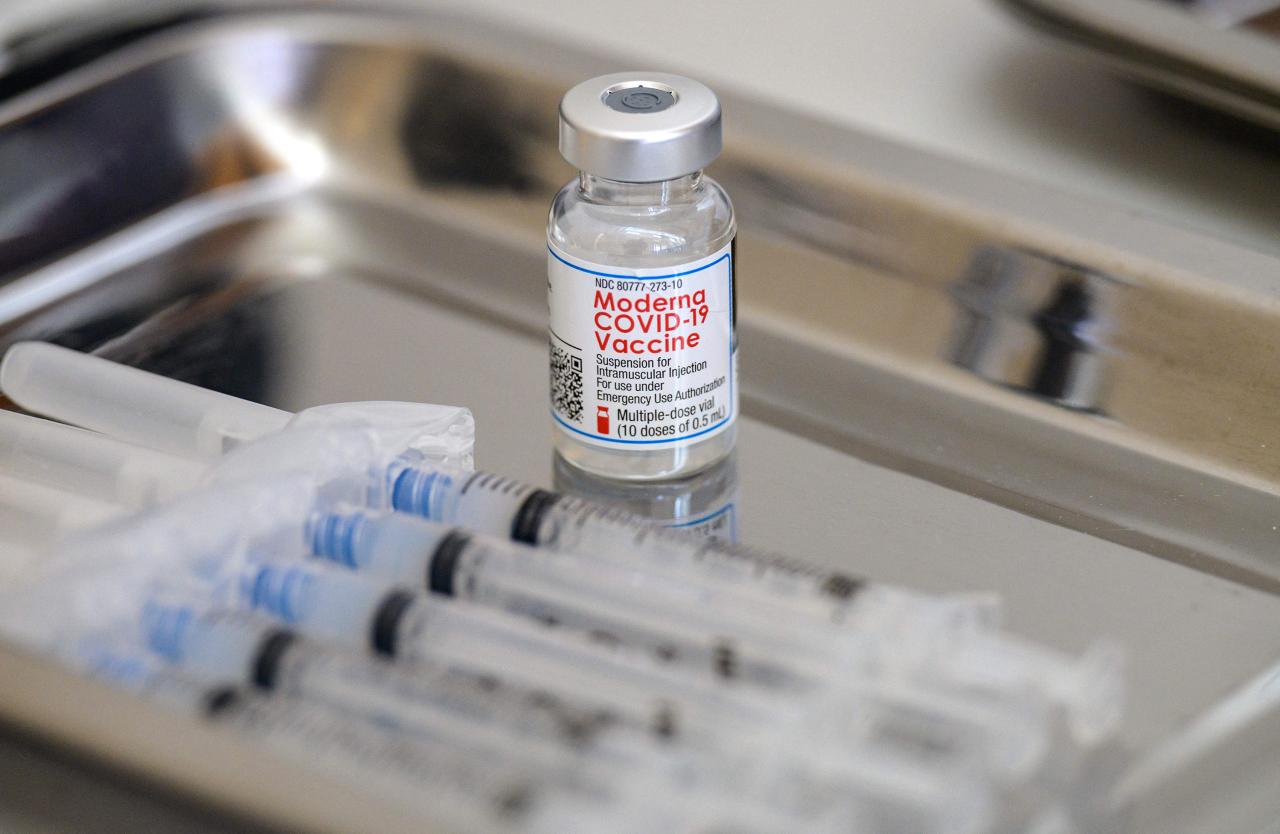
The potential consequences of a vaccine shortage are far-reaching, extending beyond individual health outcomes to impact the economy and overall public well-being. While alternative solutions are being explored, ensuring adequate funding for vaccines remains crucial. The situation underscores the importance of public health preparedness and the critical role of government in ensuring equitable access to essential medical resources.
As the nation navigates the ongoing pandemic, the decisions made by Congress will have lasting implications for the health and safety of millions of Americans.