Federal Marijuana Legalization Stalled: Whats Next?
Federal marijuana legalization is stopped in its tracks, leaving many wondering what the future holds for this controversial issue. Despite growing public support and a rapidly evolving landscape in many states, a complex web of legal, political, and social factors continues to hinder progress at the national level.
From the influence of powerful lobbying groups to concerns about public health and social equity, the path to federal legalization remains shrouded in uncertainty.
The current political climate is a major hurdle. While some politicians champion legalization, others remain staunchly opposed, creating a stalemate that has stalled any meaningful legislation. The issue is further complicated by the ongoing debate over the potential economic benefits and drawbacks of legalization, as well as concerns about the impact on public health and social equity.
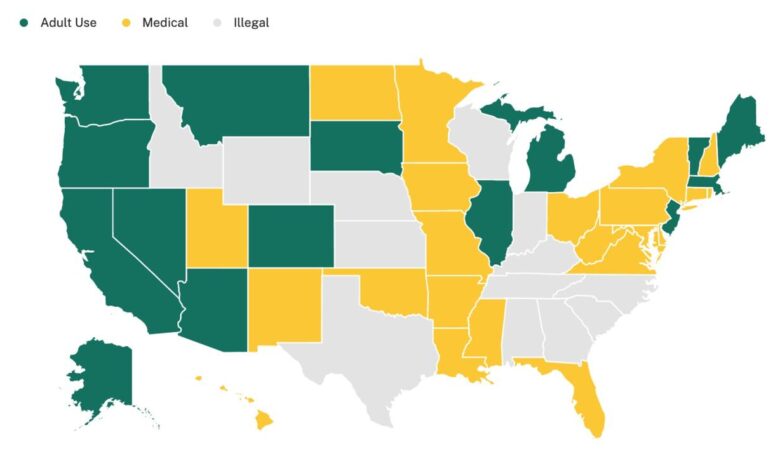
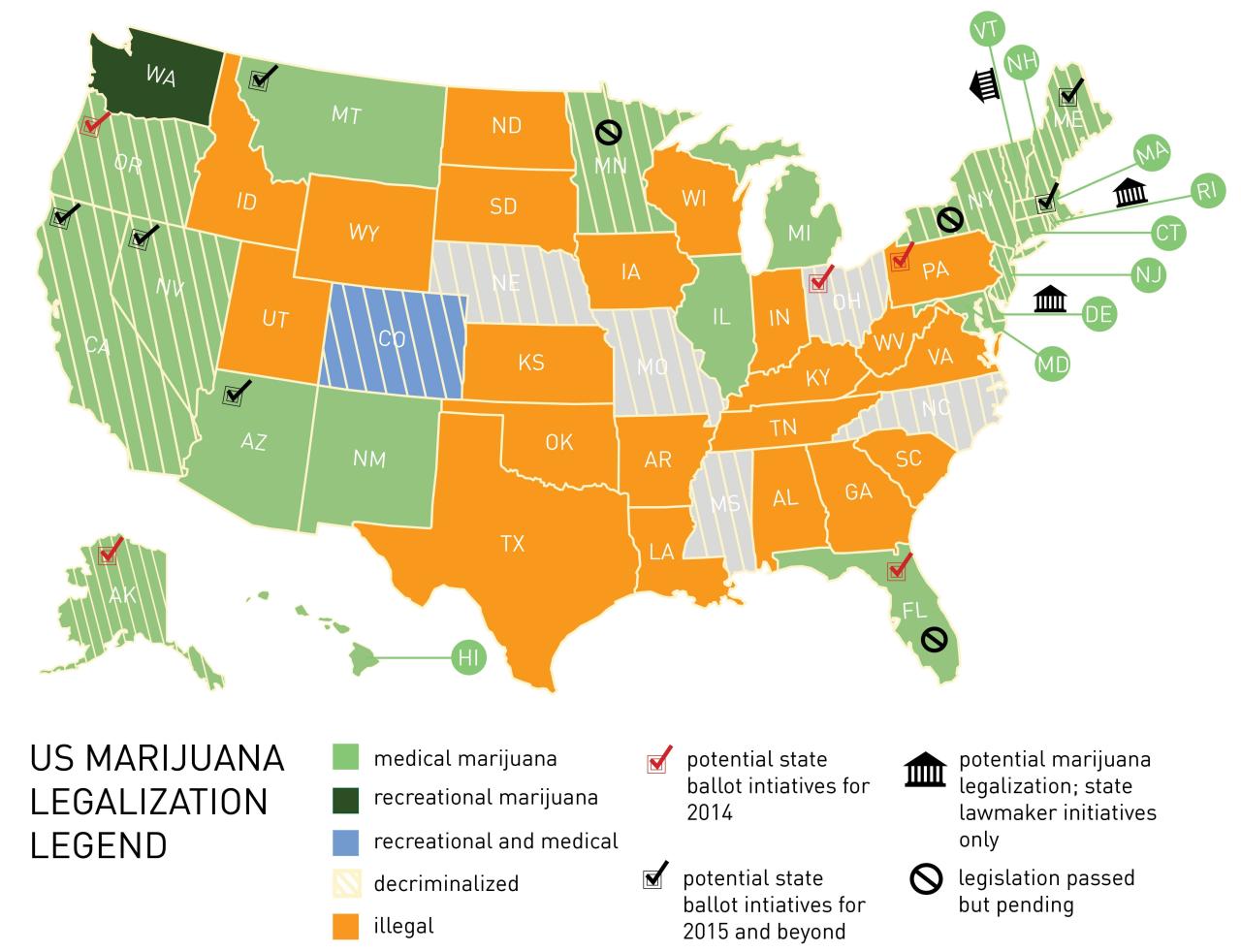
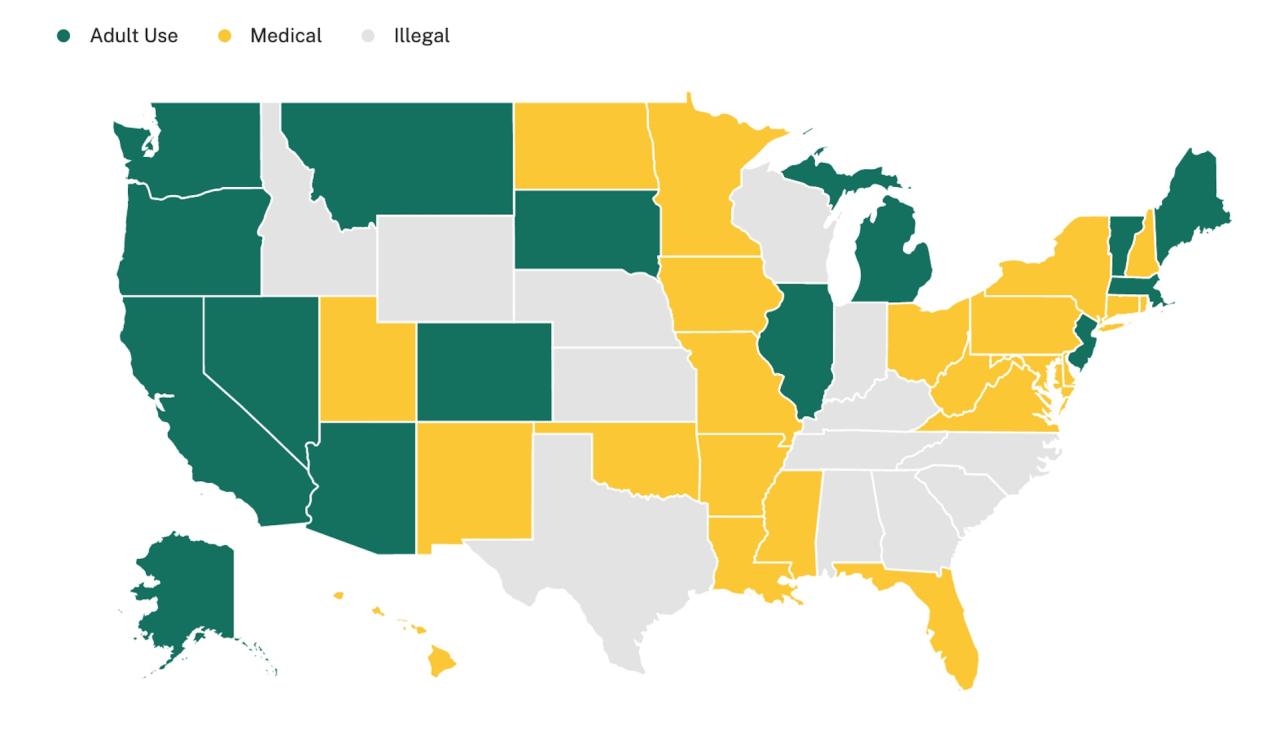
Adding to the complexity, the legal frameworks for marijuana vary significantly across states, creating a patchwork of regulations that can be difficult to navigate.
Current Political Landscape
The current political landscape surrounding federal marijuana legalization in the United States is complex and dynamic. While public support for legalization continues to grow, significant political hurdles remain. This section delves into the current political climate, examining key political figures and their stances, and analyzing the influence of lobbying groups and advocacy organizations on the legislative process.
Political Stances
The issue of marijuana legalization has become increasingly polarized along party lines. While a majority of Democrats support federal legalization, Republicans remain largely opposed. This divide is evident in the positions of prominent political figures. For instance, President Joe Biden, a Democrat, supports decriminalization of marijuana but opposes full legalization.
He has called for the expungement of prior marijuana convictions and for research into the potential medical benefits of cannabis. Conversely, former President Donald Trump, a Republican, has expressed skepticism about legalization, although he has supported medical marijuana use.This partisan divide is further reflected in Congress.
The House of Representatives has passed legislation to decriminalize marijuana at the federal level, but the Senate, where Democrats hold a slim majority, has not yet taken up the issue.
Influence of Lobbying Groups and Advocacy Organizations
Lobbying groups and advocacy organizations play a significant role in shaping the legislative process surrounding marijuana legalization. Pro-legalization groups, such as the Marijuana Policy Project and the National Organization for the Reform of Marijuana Laws (NORML), have been instrumental in advocating for policy changes.
These groups have lobbied lawmakers, conducted public education campaigns, and supported ballot initiatives aimed at legalizing marijuana.On the other hand, anti-legalization groups, such as the Partnership for Drug-Free Kids and the Drug Enforcement Administration (DEA), have actively opposed legalization efforts.
It’s a bummer that federal marijuana legalization is stopped in its tracks, especially with the summer road trip season upon us. I was hoping to finally explore some of the amazing national parks without worrying about legal repercussions, but with gas prices soaring, the dream of the open road collides with the reality of 5 a gallon gas.
Maybe next year, when the dust settles on both the legal and financial landscapes, we’ll have a chance to get out there and enjoy the freedom of the road.
These groups argue that marijuana is a dangerous drug and that legalization would lead to increased use and addiction. They have lobbied against legalization legislation and have sought to maintain marijuana’s classification as a Schedule I drug under the Controlled Substances Act.The influence of lobbying groups and advocacy organizations is evident in the ongoing debate over marijuana legalization.
These groups have contributed to the increasing public awareness of the issue, the growing support for legalization, and the ongoing legislative efforts to reform marijuana laws.
Legal and Regulatory Challenges
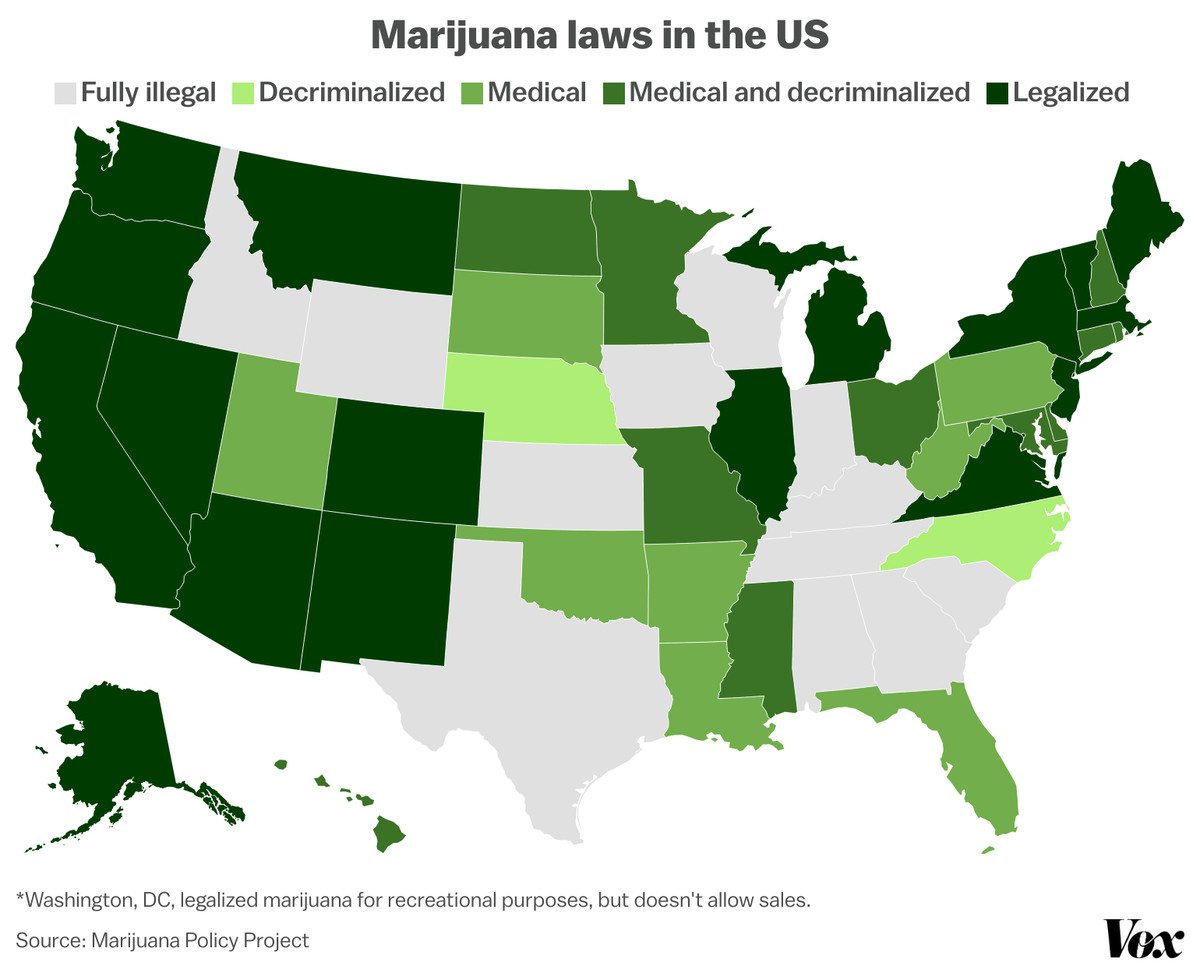
The road to federal marijuana legalization is paved with legal and regulatory hurdles. The existing federal framework, primarily the Controlled Substances Act (CSA), classifies marijuana as a Schedule I drug, creating a significant barrier to nationwide legalization. Additionally, states have implemented varying legal frameworks, leading to a complex patchwork of regulations.
The Controlled Substances Act and its Impact
The CSA, enacted in 1970, classifies marijuana as a Schedule I drug, meaning it has a high potential for abuse and no currently accepted medical use. This classification prohibits the production, distribution, and possession of marijuana nationwide, regardless of state laws.
The CSA’s impact on federal legalization is significant:
- Federal Law Enforcement:The CSA empowers federal agencies like the Drug Enforcement Administration (DEA) to enforce marijuana prohibition, even in states with legal recreational or medical marijuana programs. This creates legal conflicts and potential conflicts between state and federal law.
- Banking Restrictions:Federal banking regulations prohibit financial institutions from serving marijuana businesses, due to the CSA’s classification. This creates significant challenges for businesses operating in legal marijuana markets, hindering access to traditional banking services and financial resources.
- Interstate Commerce:The CSA restricts the interstate transport of marijuana, even if it is legal in both originating and receiving states. This hampers the development of a national marijuana market and limits the potential for economic growth in the industry.
State-Level Legal Frameworks
State-level legal frameworks for marijuana vary significantly, creating a patchwork of regulations across the country. States have enacted various laws regarding medical marijuana, recreational marijuana, and industrial hemp. The differences in state laws pose challenges to federal legalization:
- Inconsistency and Conflict:The lack of uniformity in state laws creates inconsistencies and potential conflicts with federal regulations. This can lead to legal challenges, confusion for businesses, and difficulty in establishing a consistent national framework for marijuana regulation.
- Enforcement Challenges:The patchwork of state laws can create challenges for federal law enforcement agencies, as they must navigate differing state regulations and enforce federal law consistently across all states.
- Interstate Commerce Issues:The differing state laws create barriers to interstate commerce, as marijuana products may be legal in one state but illegal in another. This restricts the growth of a national marijuana market and hinders the development of a consistent supply chain.
Economic and Social Implications: Federal Marijuana Legalization Is Stopped In Its Tracks
Federal marijuana legalization carries significant potential economic and social implications, both positive and negative. This section delves into these implications, exploring the potential benefits and drawbacks of legalization, the impact on public health, and the social equity concerns surrounding the cannabis industry.
Economic Benefits and Drawbacks
The potential economic benefits of federal marijuana legalization are substantial. The legal cannabis industry is already a significant contributor to the US economy, and federal legalization could further boost growth.
It’s a bummer that federal marijuana legalization is stopped in its tracks, but hey, at least we can still escape to places like the world’s best hotel bars, the Omnia in Zermatt, Switzerland. Imagine sipping a perfectly crafted cocktail while gazing at the majestic Matterhorn – that’s the kind of stress-free escape we all need right now, regardless of what’s happening with federal legislation.
- Increased Tax Revenue:Legal marijuana sales would generate significant tax revenue for state and federal governments. This revenue could be used to fund public services and programs, such as education, healthcare, and infrastructure.
- Job Creation:The cannabis industry is a major job creator, and federal legalization would likely lead to a surge in new jobs in areas such as cultivation, processing, distribution, retail, and research.
- Economic Growth:Legal marijuana sales would stimulate economic growth by creating new businesses, increasing consumer spending, and generating tax revenue. This could benefit various industries, including tourism, hospitality, and real estate.
However, federal legalization also comes with potential economic drawbacks.
The push for federal marijuana legalization seems to be hitting roadblocks left and right. It’s almost as if the government is struggling to keep up with the rapidly changing public opinion on the issue. Meanwhile, we’re seeing stories like the one involving four suspended secret service employees duped in case involving federal agent impostors , which makes you wonder about the overall security of our nation.
Maybe if the government could focus on tackling real issues instead of getting bogged down in outdated laws, we’d see some real progress on both fronts.
- Competition from Black Market:Legalization could face challenges from the existing black market, which might continue to operate, particularly in states with less stringent regulations.
- Increased Costs:The costs associated with regulating and enforcing marijuana laws could be substantial, including expenses for licensing, testing, and enforcement.
- Impact on Existing Industries:Legalization could impact existing industries, such as alcohol and tobacco, by creating competition and potentially reducing their market share.
Impact on Public Health
The impact of federal marijuana legalization on public health is a complex issue with both potential benefits and concerns.
- Reduced Use of Other Drugs:Legalization could lead to a reduction in the use of other drugs, such as alcohol and tobacco, as marijuana becomes a more accessible and less risky alternative.
- Improved Access to Medical Marijuana:Legalization could improve access to medical marijuana for patients with qualifying conditions, potentially leading to improved health outcomes.
- Potential for Addiction and Mental Health Issues:While marijuana is generally considered less harmful than other drugs, there are concerns about its potential for addiction and its impact on mental health, particularly among young people.
Social Equity Concerns, Federal marijuana legalization is stopped in its tracks
Federal marijuana legalization raises important social equity concerns.
- Historical Disparities:The war on drugs has disproportionately affected communities of color, leading to mass incarceration and economic hardship. Legalization must address these historical disparities and ensure that marginalized communities benefit from the new industry.
- Access to Capital:Access to capital for cannabis businesses can be challenging, particularly for entrepreneurs from marginalized communities. Legalization should promote equitable access to funding and resources to ensure that all communities can participate in the industry.
- Restorative Justice:Legalization should include measures for restorative justice, such as expunging criminal records for marijuana offenses and providing opportunities for individuals who have been incarcerated for cannabis-related crimes.
Public Opinion and Support
The tide of public opinion has shifted dramatically in favor of marijuana legalization, with a majority of Americans now supporting it. This change in attitude is rooted in a complex interplay of factors, including personal experiences, evolving societal values, and the influence of media and public discourse.
Factors Influencing Public Support
The growing support for marijuana legalization can be attributed to several key factors:
- Changing Perceptions:The stigma surrounding marijuana has diminished significantly in recent years. Many Americans have come to view marijuana as a relatively harmless substance, especially compared to alcohol or tobacco. This shift in perception is partly due to the increasing availability of information about the potential benefits of medical marijuana, as well as the lack of evidence linking marijuana use to significant societal harm.
- Personal Experiences:As more people have firsthand experience with marijuana use, either personally or through family and friends, they have become more comfortable with the idea of legalization. This personal exposure has helped to dispel misconceptions and foster a more nuanced understanding of the drug.
- Societal Attitudes:The changing demographics of the United States, with younger generations increasingly supportive of legalization, have played a significant role in shifting public opinion. Millennials and Gen Z, who have grown up in a more tolerant and progressive environment, are more likely to support marijuana legalization than older generations.
The Role of Media and Public Discourse
The media has played a pivotal role in shaping public opinion on marijuana legalization.
- Increased Coverage:The increased media coverage of marijuana legalization, particularly in recent years, has helped to normalize the issue and expose the public to different perspectives. This has led to greater awareness of the potential benefits of legalization, as well as the arguments against it.
- Celebrity Endorsements:The public support of marijuana legalization by prominent celebrities and public figures has also contributed to the growing acceptance of the issue. These endorsements have helped to raise awareness and legitimacy for the legalization movement, particularly among younger generations.
- Social Media:Social media platforms have provided a powerful tool for activists and advocates to promote their views on marijuana legalization. The ability to share information, connect with like-minded individuals, and mobilize support has played a significant role in shaping public discourse and influencing public opinion.
Conclusion
The future of federal marijuana legalization remains uncertain, but one thing is clear: the issue is not going away. As public opinion continues to shift in favor of legalization, and as more states adopt their own regulations, pressure on the federal government to address the issue will likely intensify.
Whether this pressure will lead to a complete legalization of marijuana at the national level, or to alternative approaches such as decriminalization or rescheduling, remains to be seen. However, one thing is certain: the debate over marijuana legalization will continue to shape the political and social landscape of the United States for years to come.