
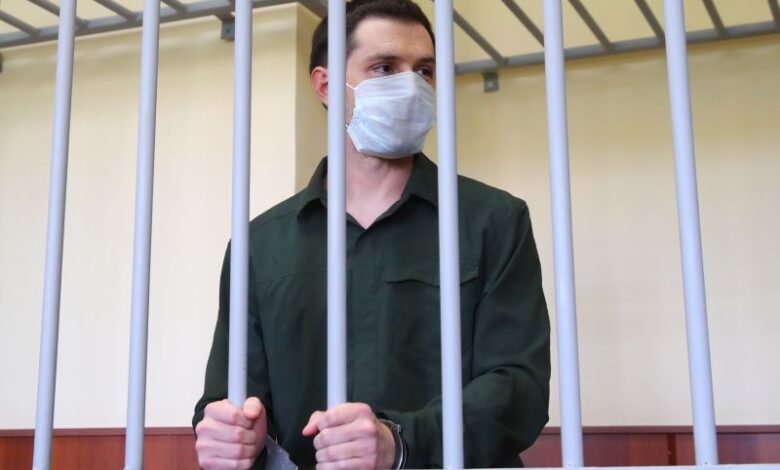
Trevor Reeds Parents Protest at the White House
Parents of trevor reed jailed in russia protest at the white house – Parents of Trevor Reed, an American detained in Russia, held a protest at the White House, demanding his release. This demonstration underscores the desperate plea of a family seeking justice for their son, who has been imprisoned for over two years.
The Reed family’s struggle highlights the complexities of international relations and the human cost of political tensions.
Trevor Reed was arrested in 2019 and charged with assaulting a police officer. While the US government maintains his innocence and considers him wrongfully detained, Russia insists on the legitimacy of the charges and the legal proceedings. The Reed family’s protest at the White House serves as a powerful reminder of the human toll of geopolitical conflicts, urging the US government to prioritize their son’s release.
The Trevor Reed Case
The case of Trevor Reed, a former U.S. Marine who was detained in Russia for nearly three years, has garnered significant international attention. His arrest, the charges against him, and the efforts to secure his release have raised concerns about the complexities of U.S.-Russia relations and the potential for political motivations in legal proceedings.
Circumstances Surrounding Trevor Reed’s Arrest and Detention
Trevor Reed was arrested in Moscow in 2019 after an alleged altercation with a police officer. According to Russian authorities, Reed was intoxicated and assaulted the officer, leading to his arrest. The incident occurred during a visit to Moscow to attend a friend’s wedding.
Reed, who had served in the U.S. Marine Corps, was initially accused of assaulting a law enforcement officer, a charge that could have carried a significant prison sentence.
Charges Against Reed and the Legal Proceedings
The charges against Reed evolved over time. Initially accused of assault, he was later charged with endangering the lives of police officers, a more serious offense. The Russian legal proceedings were marked by allegations of procedural irregularities and a lack of transparency.
Reed’s family and legal team maintained his innocence, claiming that the charges were politically motivated and that he had been unfairly targeted.
US Government’s Efforts to Secure Reed’s Release
The U.S. government engaged in extensive diplomatic efforts to secure Reed’s release. The Biden administration, following the Trump administration’s efforts, pursued various avenues, including high-level diplomatic talks and negotiations with Russian officials. The case became a focal point in U.S.-Russia relations, highlighting the challenges in securing the release of American citizens detained abroad.
Parental Advocacy
Trevor Reed’s parents, Joey and Paula Reed, became tireless advocates for their son’s release. They embarked on a relentless campaign to raise awareness about his case, mobilize public support, and exert pressure on the US government to secure his freedom.
The Reeds’ Advocacy Efforts
The Reeds’ advocacy efforts were multifaceted and persistent. They employed a range of strategies to amplify their son’s plight and demand his release.
- Public Awareness Campaigns:They launched public awareness campaigns through social media, press releases, and interviews with major news outlets. Their goal was to inform the public about Trevor’s unjust detention and garner support for his release.
- Engaging with Government Officials:They actively engaged with US government officials, including members of Congress, the State Department, and the White House. They lobbied for official intervention and pressured the government to prioritize Trevor’s case.
- Public Protests:The Reeds organized public protests and rallies in front of the White House, demanding President Biden’s intervention in securing Trevor’s release. They also held rallies in their home state of Texas and other cities, drawing attention to their son’s case.
The White House Protest
The Reeds’ protest outside the White House played a crucial role in raising awareness and putting pressure on the Biden administration. They organized a large-scale demonstration with supporters holding signs, chanting slogans, and sharing their personal stories. The protest received extensive media coverage, further amplifying Trevor’s case and highlighting the urgency of his situation.
It’s been a tough week for the parents of Trevor Reed, who were at the White House protesting their son’s imprisonment in Russia. The news of Peter Navarro, ex-Trump White House adviser, receiving a grand jury subpoena in the Jan.
6 investigation is a stark reminder of the ongoing investigations into the events of that day. Meanwhile, the Reed family continues to fight for their son’s release, hoping that their pleas will finally be heard.
Impact of the Reeds’ Advocacy
The Reeds’ tireless advocacy had a significant impact on public opinion and government response. Their relentless efforts generated widespread media attention, compelling public figures and policymakers to acknowledge Trevor’s case and demand his release. The pressure from the public and the Reeds’ unwavering determination contributed to the US government’s increased engagement in securing Trevor’s freedom.
The parents of Trevor Reed, who was jailed in Russia, are understandably desperate to see their son return home. Their protest at the White House highlights the emotional toll of such situations. Building strong relationships with those in positions of power, like instructional coaches, can be key to achieving positive outcomes.
Learning how to build relationships with instructional coaches can equip us with valuable communication and collaboration skills that can be applied in various situations, even in navigating international diplomatic complexities like the Reed case.
US-Russia Relations
The case of Trevor Reed, a former US Marine detained in Russia, took place amidst a backdrop of strained US-Russia relations. The two countries have been engaged in a period of geopolitical tension and mistrust, characterized by disputes over issues like Ukraine, Syria, and cyber security.
This backdrop significantly impacted the efforts to secure Reed’s release.
Factors Contributing to Difficulties in Securing Reed’s Release
The complex geopolitical landscape between the US and Russia presented several challenges in securing Reed’s release. These factors contributed to the lengthy and difficult process:
- Deteriorating Relations:The already strained relations between the US and Russia, fueled by various geopolitical disputes, created an atmosphere of mistrust and hostility, making cooperation on sensitive matters like prisoner exchanges difficult.
- Lack of Trust:A history of mistrust and suspicion between the two countries made it challenging to establish the necessary trust for a successful prisoner exchange. Each side viewed the other’s actions with skepticism, hindering progress in negotiations.
- Different Legal Systems:The differences in legal systems and judicial processes between the US and Russia further complicated the situation. What might be considered a minor offense in one country could be seen as a serious crime in the other, making it difficult to find common ground on the terms of a potential exchange.
- Political Considerations:The Reed case became intertwined with broader political considerations and domestic pressures in both countries. The US government faced pressure to secure Reed’s release, while the Russian government had its own political interests to consider.
Implications for Future Diplomatic Relations
The Trevor Reed case highlights the complexities and challenges of US-Russia relations. The difficulties in securing Reed’s release serve as a reminder of the deep-seated tensions and mistrust that continue to characterize the relationship between the two countries. This case could have potential implications for future diplomatic relations:
- Limited Cooperation:The case may further limit cooperation between the US and Russia on issues of mutual interest. The lack of trust and the difficulties encountered in securing Reed’s release could make it harder to achieve progress on other matters.
- Increased Mistrust:The case could exacerbate existing mistrust and suspicion between the two countries. The perception that one side is not willing to cooperate or compromise could lead to further deterioration in relations.
- Challenges for Prisoner Exchanges:The difficulties in securing Reed’s release may set a precedent for future prisoner exchanges, making it more challenging to resolve similar cases in the future.
International Law and Prisoner Exchange
Prisoner exchanges, a complex diplomatic maneuver, involve the release of individuals held captive in one country in exchange for the release of individuals held captive in another. These exchanges are often shrouded in secrecy and fueled by geopolitical tensions. Understanding the legal framework surrounding these exchanges is crucial to grasp the intricacies of the Trevor Reed case.
Legal Framework
The legal framework governing prisoner exchanges is multifaceted, drawing from international law, bilateral agreements, and domestic legal systems. While there is no universally accepted international law specifically governing prisoner exchanges, several international legal principles and treaties play a role.
- The principle of sovereign equality, enshrined in the UN Charter, acknowledges the right of each state to exercise jurisdiction over its territory and citizens.
- The principle of non-intervention in the internal affairs of states limits the ability of one state to interfere in the legal processes of another.
- The Vienna Convention on Consular Relations (1963) mandates that foreign nationals detained in a country have the right to consular assistance, which can be crucial in facilitating communication between the detained individual and their home country.
Bilateral agreements between countries can also provide the legal basis for prisoner exchanges. These agreements often Artikel specific procedures and conditions for the exchange of prisoners, including the types of offenses covered and the criteria for eligibility. For instance, the US-Russia prisoner exchange agreement, signed in 1994, has been used as a framework for several prisoner exchanges, including the case of Trevor Reed.
Ethical Considerations, Parents of trevor reed jailed in russia protest at the white house
Prisoner exchanges raise ethical concerns, particularly regarding the potential for rewarding criminal behavior and the impact on victims.
- The exchange of individuals convicted of serious crimes, such as espionage or terrorism, can be seen as condoning their actions and undermining the rule of law. Critics argue that such exchanges may encourage future criminal behavior and undermine public trust in the justice system.
- The exchange of prisoners can also raise concerns about the rights of victims, especially in cases involving crimes with a high victim impact. Some argue that prisoner exchanges prioritize the interests of the states involved over the rights of victims, who may not have been consulted or whose perspectives may not have been considered.
The Reed case, like other prisoner exchange cases, highlights the tension between the pragmatic need for diplomatic solutions and the ethical concerns surrounding the release of individuals convicted of crimes.
The parents of Trevor Reed, a former U.S. Marine jailed in Russia, held a passionate protest at the White House, demanding his release. It’s a reminder that sometimes, even in the face of seemingly insurmountable obstacles, perseverance and a unified voice can make a difference.
The same principle applies to navigating the complex landscape of workplace relationships. A recent article on 3 benefits of workplace monogamy and how to find it explores the advantages of focusing your professional energy on a single company, just as the Reed family has dedicated themselves to bringing Trevor home.
Their unwavering commitment and public outcry serve as a powerful testament to the strength of unwavering dedication, a valuable lesson for navigating both personal and professional challenges.
Notable Prisoner Exchange Cases
The Reed case is not unique. Throughout history, there have been numerous high-profile prisoner exchanges, each with its own set of circumstances and implications.
- The release of American basketball player Brittney Griner from Russia in December 2022, in exchange for Viktor Bout, a Russian arms dealer convicted in the United States, is a recent example of a high-profile prisoner exchange.
- The exchange of US Marine Sergeant Matthew C. Perez for a convicted Russian drug trafficker in 2017 highlights the complexities of prisoner exchanges involving individuals convicted of different offenses.
- The exchange of American journalist James Foley, held captive by ISIS in Syria, for a convicted Russian arms dealer in 2014 demonstrates the role of prisoner exchanges in securing the release of individuals held hostage.
These cases illustrate the range of situations in which prisoner exchanges occur and the different motivations driving these transactions.
Public Perception and Media Coverage
The Trevor Reed case garnered significant media attention, influencing public perception of the situation and the US-Russia relationship. The case’s coverage in various media outlets, including traditional news organizations and social media platforms, shaped public opinion and contributed to a growing awareness of the issue.
Media Coverage and Public Perception
The media coverage of the Reed case was extensive and varied, with different outlets emphasizing different aspects of the story. Traditional news organizations provided detailed accounts of the events, including Reed’s arrest, trial, and imprisonment, as well as the efforts of his family and the US government to secure his release.
Social media platforms also played a significant role in amplifying the case, with hashtags such as #FreeTrevorReed trending on Twitter and Facebook. This increased visibility brought the case to the attention of a wider audience, leading to public outcry and pressure on the US government to take action.
The media’s focus on the Reed case highlighted the complexities of US-Russia relations and the challenges of securing the release of American citizens detained abroad.
Key Arguments and Perspectives
The media coverage of the Reed case presented a range of arguments and perspectives. Some outlets emphasized the injustice of Reed’s detention and the lack of evidence against him, arguing that his arrest was politically motivated. Others focused on the broader context of US-Russia relations, suggesting that the case was a symptom of the strained relationship between the two countries.
The media also presented the perspectives of Reed’s family, who tirelessly advocated for his release, and the US government, which sought to negotiate his return. This diverse coverage provided the public with a multifaceted understanding of the case, allowing them to form their own opinions based on the information presented.
Role of Social Media
Social media played a crucial role in shaping public opinion on the Reed case. The use of hashtags and online campaigns allowed supporters to amplify their message and mobilize public pressure on the US government. Social media platforms also provided a space for people to share information, discuss the case, and express their opinions.
This online activism contributed to the growing awareness of the case and the demand for Reed’s release. However, social media also presented challenges, with some users spreading misinformation or engaging in harmful rhetoric. The media’s role in fact-checking and providing accurate information was essential in mitigating the spread of misinformation and promoting a balanced understanding of the case.
Impact on Trevor Reed and His Family
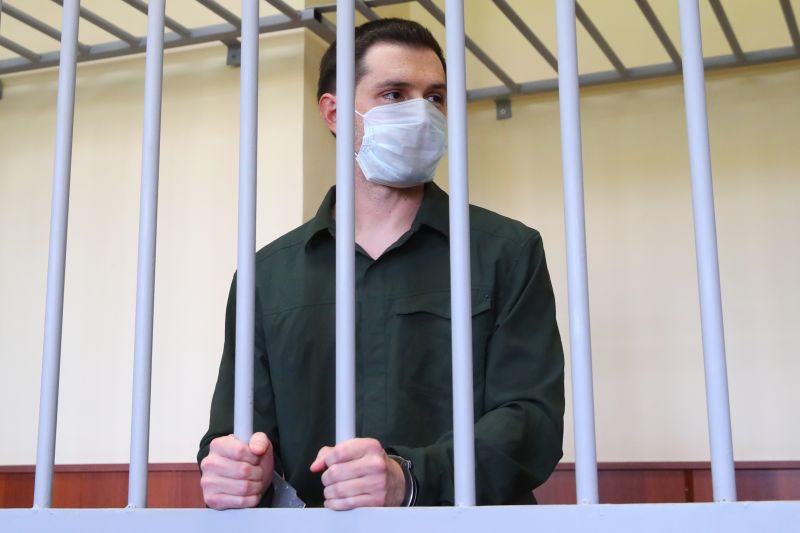
Trevor Reed’s wrongful imprisonment in Russia had a profound and lasting impact on both him and his family. The ordeal, which spanned nearly three years, inflicted a heavy psychological and emotional toll on all involved. The uncertainty, fear, and constant struggle for his release left an indelible mark on their lives.
The Psychological and Emotional Toll
The psychological and emotional toll of Trevor Reed’s imprisonment on him and his family was immense. The prolonged separation, the constant worry about his well-being, and the uncertainty of his future weighed heavily on their minds. Trevor, facing the harsh realities of a foreign prison system, endured the stress of isolation, limited access to medical care, and the constant threat of violence.
His family, meanwhile, grappled with the agony of separation, the frustration of navigating complex legal systems, and the relentless pressure of advocating for his release.
“The emotional toll on our family was immense. We were constantly worried about Trevor’s safety and well-being. We felt helpless and frustrated, and we never knew what the future held.”
Paula Reed, Trevor’s mother
Challenges Faced Upon Return
Upon his return to the United States, Trevor Reed faced a multitude of challenges. The physical and mental trauma of his imprisonment left lasting scars. He needed time to adjust to life outside of prison, to reconnect with his loved ones, and to process the traumatic experiences he endured.
The ordeal also had a significant impact on his career aspirations and future plans.
Long-Term Impact
The experience of Trevor Reed’s imprisonment has had a long-term impact on his life and the lives of his family. The ordeal has left them with a profound sense of loss, a heightened awareness of the fragility of freedom, and a deep appreciation for the value of family and friends.
They have also become vocal advocates for the release of other Americans unjustly detained abroad. Their story serves as a powerful reminder of the human cost of political tensions and the importance of diplomatic efforts to secure the release of wrongfully imprisoned individuals.
Conclusive Thoughts: Parents Of Trevor Reed Jailed In Russia Protest At The White House
The Reed family’s protest at the White House serves as a poignant reminder of the human cost of international disputes. Their unwavering advocacy and public appeals underscore the importance of diplomatic efforts to secure the release of wrongfully detained individuals.
The case of Trevor Reed raises crucial questions about the balance between national interests and the rights of individuals caught in the crossfire of geopolitical tensions.