Russias Aggression Prompts Calls to Rethink US Uranium Imports
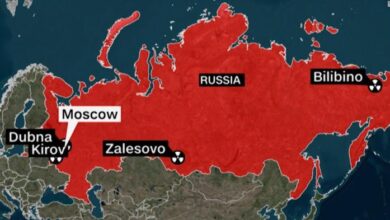
Russias aggression prompts calls to rethink u s uranium imports – Russia’s aggression prompts calls to rethink US uranium imports, a move that could reshape the nation’s energy landscape. The US has historically relied on Russia for a significant portion of its uranium supply, a relationship that has come under intense scrutiny following the recent conflict.
The current situation has forced policymakers to confront the potential risks associated with this reliance and explore alternative sources of uranium.
The US’s dependence on Russia for uranium has been a subject of debate for years, with concerns raised about national security and the potential for Russia to leverage its supply as a geopolitical weapon. The recent conflict has only intensified these concerns, prompting calls for the US to reduce its reliance on Russian uranium and diversify its sources.
The History of US Uranium Imports from Russia
The United States has a long history of importing uranium from Russia, a relationship that has evolved significantly over the years, driven by economic and geopolitical considerations. This trade has been marked by periods of cooperation and tension, reflecting the complex dynamics between the two nations.The relationship between the US and Russia in the uranium market can be traced back to the Cold War era.
During this period, both countries possessed vast uranium reserves and developed nuclear power programs, contributing to the global nuclear energy landscape.
The Post-Cold War Era and the Uranium Trade
Following the collapse of the Soviet Union in 1991, the US and Russia embarked on a new chapter in their relationship, including in the uranium market. The transition to a post-Cold War world brought about new opportunities and challenges for both nations.
The US, seeking to diversify its uranium supply sources, began importing uranium from Russia. This decision was influenced by several factors:* Abundant Russian Uranium Reserves:Russia possesses vast uranium reserves, making it a significant supplier in the global market.
Competitive Pricing
Russian uranium was often priced competitively, making it an attractive option for US nuclear power plants.
Strategic Considerations
The US sought to engage with Russia economically, hoping to foster cooperation and stability in the post-Cold War era.The US-Russia uranium trade experienced a significant boost in the early 2000s, fueled by the growth of the US nuclear power industry.
In 2000, the two countries signed the “Agreement for Cooperation in the Peaceful Uses of Atomic Energy”, laying the groundwork for further cooperation in the nuclear sector, including uranium trade.
Key Milestones and Agreements
- 1993:The US and Russia signed the “Agreement for Cooperation in the Peaceful Uses of Atomic Energy”, which allowed for the exchange of nuclear materials and technology. This agreement laid the foundation for future uranium trade between the two countries.
- 2000:The US and Russia signed a new “Agreement for Cooperation in the Peaceful Uses of Atomic Energy”, which expanded upon the previous agreement and further facilitated uranium trade. This agreement also included provisions for the development of nuclear power plants in Russia and the use of Russian uranium in US reactors.
- 2006:The US and Russia signed the “Memorandum of Understanding on Cooperation in the Peaceful Uses of Atomic Energy”, which further strengthened the partnership between the two countries in the nuclear sector. This agreement focused on cooperation in areas such as nuclear safety, nuclear security, and nuclear nonproliferation.
Economic and Geopolitical Factors Influencing the Trade, Russias aggression prompts calls to rethink u s uranium imports
The US-Russia uranium trade has been influenced by a complex interplay of economic and geopolitical factors.* Economic Factors:
Demand for Uranium
The growth of the US nuclear power industry has driven the demand for uranium, making Russia a key supplier.
Competitive Pricing
Russian uranium has often been priced competitively, making it an attractive option for US nuclear power plants.
Geopolitical Factors
Russia’s aggression in Ukraine has sparked a serious conversation about U.S. reliance on foreign energy sources, including uranium. It’s a complex issue with far-reaching implications, and it’s interesting to see how billionaires like Elon Musk and Jeff Bezos are navigating these challenges.
Musk recently offered some advice to Bezos on how to tackle this global crisis, you can check it out here. Ultimately, finding a solution to our uranium dependence requires a multifaceted approach that addresses both national security and economic concerns.
Strategic Considerations
The US has sought to engage with Russia economically, hoping to foster cooperation and stability in the post-Cold War era.
Nuclear Nonproliferation
Russia’s aggression has sparked a debate about our reliance on foreign energy sources, and the potential vulnerabilities it creates. The current situation underscores the need for strategic independence, which is why the recent actions of Florida Governor Ron DeSantis, ron desantiss attack on disney obviously violates the first amendment , are particularly concerning.
His attack on Disney’s free speech rights sends a chilling message about the potential for government overreach, and it’s a reminder that we must remain vigilant in protecting our own freedoms. Ultimately, the events in Ukraine highlight the importance of diversifying our energy sources and ensuring our national security isn’t dependent on foreign powers.
The US has also sought to ensure that Russian uranium is not used for weapons proliferation.
Energy Security
Russia’s aggression in Ukraine has prompted calls to rethink U.S. uranium imports, raising concerns about reliance on a potential adversary for a critical resource. This comes at a time when the Justice Department is intensifying its probe into the January 6th Capitol riot, with Peter Navarro, a former Trump White House advisor, recently receiving a grand jury subpoena in the investigation.
While the two events seem unrelated, they highlight the complex geopolitical landscape and the need for strategic planning to ensure national security in the face of global instability.
The US has sought to diversify its uranium supply sources, reducing its reliance on any single supplier.
Russia’s Aggression and its Impact on US Energy Security
Russia’s invasion of Ukraine has sent shockwaves through the global energy market, raising serious concerns about the United States’ dependence on Russia for uranium imports. This reliance has become a major point of contention, with policymakers and energy experts calling for a reassessment of the country’s energy security strategy.
The Impact of Russia’s Actions on US Uranium Imports
The US relies heavily on Russia for uranium imports, with Russia supplying approximately 16% of the uranium used in US nuclear power plants. This reliance has raised concerns about the vulnerability of the US energy sector to disruptions in Russian uranium supplies.
The invasion of Ukraine has highlighted the potential risks associated with this dependence, as it has demonstrated Russia’s willingness to use energy resources as a weapon.
Concerns Regarding Reliance on Russia for Uranium Supply
The US’s dependence on Russia for uranium has raised concerns about the potential for Russia to use its position as a supplier to exert political influence. This concern is particularly relevant in the context of Russia’s recent aggression against Ukraine.
The US government has expressed concerns about Russia’s potential to disrupt uranium supplies, potentially impacting the operations of US nuclear power plants.
Comparison of US Dependence on Russia for Uranium with Other Energy Sources
The US’s dependence on Russia for uranium is comparable to its dependence on Russia for other energy sources, such as oil and natural gas. The US imports a significant amount of oil and natural gas from Russia, and these imports have also been subject to scrutiny in light of Russia’s recent actions.
However, the US has a more diverse range of energy sources for oil and natural gas, making it less reliant on Russia for these resources. The US’s dependence on Russia for uranium is more concentrated, making it a more significant vulnerability.
Alternatives to Russian Uranium Imports: Russias Aggression Prompts Calls To Rethink U S Uranium Imports
The recent events surrounding Russia’s aggression have prompted a renewed focus on diversifying uranium sources for the US energy sector. This move is driven by concerns about the potential for disruptions in the supply chain and the need to reduce reliance on a single supplier.
Exploring and implementing alternative uranium sources is critical to ensuring the long-term reliability and security of the US nuclear power industry.
Domestic Uranium Production
Increasing domestic uranium production is a key strategy for reducing reliance on Russian imports. This approach offers several advantages, including enhanced energy security, economic benefits, and reduced environmental impact.
- The US has vast uranium reserves, estimated at over 1 million tons, which could significantly contribute to domestic production.
- Expanding domestic uranium production would create jobs and stimulate economic activity in mining communities.
- Sourcing uranium domestically reduces the need for long-distance transportation, minimizing environmental impact and carbon footprint.
However, challenges exist in scaling up domestic production.
- The cost of uranium mining and processing in the US is generally higher than in other countries, making it less competitive.
- Regulatory hurdles and environmental concerns can delay project approvals and increase costs.
- The current low uranium prices make investment in new domestic mining projects less attractive.
Despite these challenges, the US government has taken steps to support domestic uranium production, including the establishment of the National Strategic Uranium Reserve and the enactment of the American Nuclear Infrastructure Act. These initiatives aim to provide incentives for domestic uranium production and ensure a stable supply of uranium for the US nuclear power industry.
Uranium Imports from Other Countries
Diversifying uranium imports from other countries is another strategy to reduce dependence on Russia. Several countries, including Canada, Australia, and Kazakhstan, are major uranium producers and potential alternative suppliers.
- Canada has been a long-standing and reliable uranium supplier to the US, with well-established mining and processing infrastructure.
- Australia is another significant uranium producer with abundant reserves and a stable political environment.
- Kazakhstan is a major uranium exporter with significant reserves and a well-developed uranium industry.
However, sourcing uranium from these countries also presents challenges.
- Geopolitical instability and potential conflicts in these regions could disrupt uranium supply chains.
- The availability and cost of uranium from these countries may fluctuate depending on global market conditions and political factors.
- Transporting uranium from these countries to the US can be expensive and time-consuming.
Despite these challenges, diversifying uranium imports from other countries is crucial for reducing reliance on a single supplier and enhancing US energy security. The US government can play a role in fostering stronger relationships with these countries, promoting transparency and accountability in uranium trading, and ensuring stable and reliable supplies.
Nuclear Fuel Cycle Innovation
Developing innovative technologies and processes for the nuclear fuel cycle can contribute to reducing reliance on imported uranium.
- Advanced reactor designs, such as small modular reactors (SMRs), can utilize a wider range of nuclear fuels, including recycled uranium and thorium.
- Improving uranium enrichment technologies can increase the efficiency of uranium utilization, reducing the demand for raw uranium.
- Developing advanced reprocessing technologies can enable the recovery and reuse of uranium and plutonium from spent nuclear fuel, reducing the need for fresh uranium.
These innovations have the potential to reduce the US dependence on imported uranium, enhance energy security, and contribute to a more sustainable nuclear energy sector. However, these technologies are still under development and require significant investment and time to mature.
Implications of Diversifying Uranium Sources
Diversifying uranium sources has several implications for the US energy sector.
- It enhances energy security by reducing reliance on a single supplier and mitigating the risk of supply disruptions.
- It promotes economic development by supporting domestic uranium production and creating jobs in mining communities.
- It contributes to environmental sustainability by reducing the carbon footprint of the nuclear power industry.
Diversifying uranium sources is a complex and multifaceted challenge, requiring a comprehensive strategy that involves government policy, industry investment, and technological innovation. By addressing these challenges and capitalizing on the opportunities presented by diversifying uranium sources, the US can strengthen its energy security, promote economic growth, and advance its environmental goals.
The Political and Economic Implications of Rethinking Uranium Imports
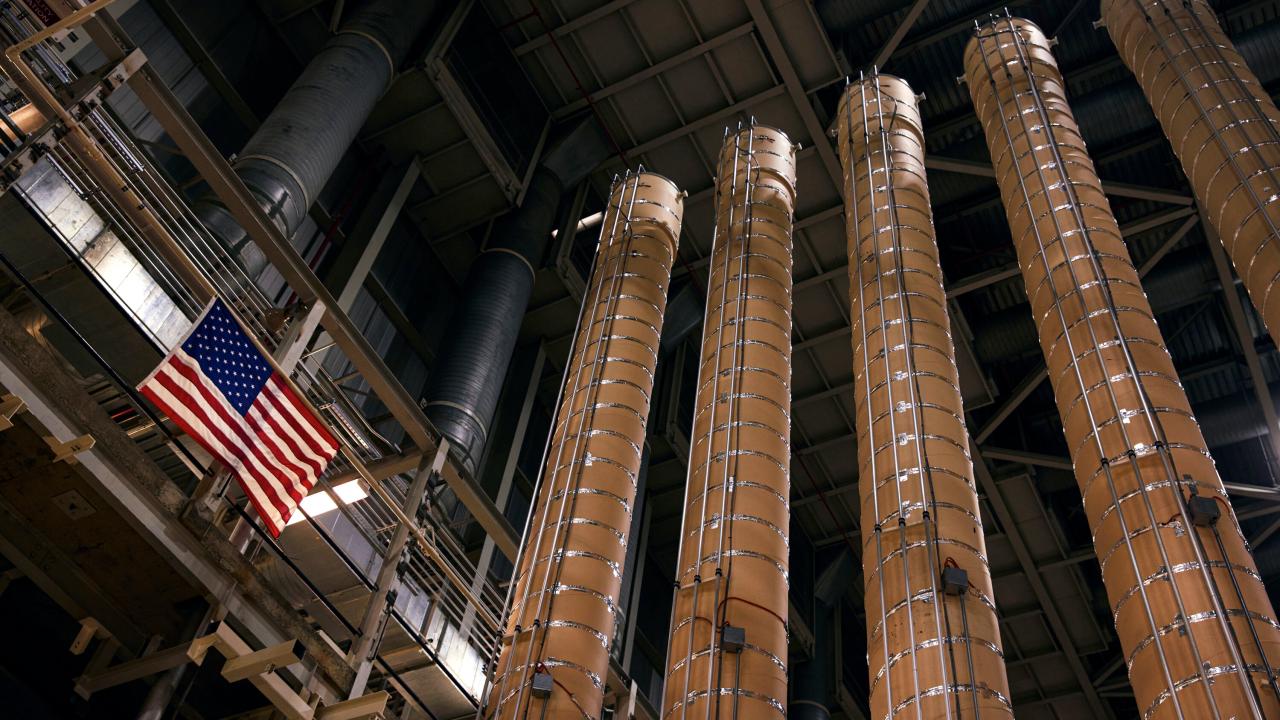
The decision to reduce or eliminate US uranium imports from Russia carries significant political and economic implications, affecting not only bilateral relations but also global energy markets. This shift necessitates a comprehensive analysis of the potential ramifications, considering the intricate interplay of factors involved.
Political Ramifications of Reduced Uranium Imports
Reducing or eliminating US uranium imports from Russia would send a strong political message, demonstrating a willingness to decouple from Russian energy resources. This could further strain already tense US-Russia relations, particularly in the context of the ongoing conflict in Ukraine.
The move could also strengthen international sanctions against Russia, potentially leading to further diplomatic isolation.
Economic Impact on the US and Russia
The economic impact of reduced uranium imports would be multifaceted. For the US, it could lead to higher uranium prices, potentially increasing the cost of nuclear power generation. This could also create opportunities for domestic uranium mining and processing, boosting the US economy.
For Russia, the loss of a significant export market could negatively impact its economy, potentially reducing its revenue and weakening its influence on global energy markets.
Market Disruptions and Price Fluctuations
A sudden shift in uranium imports could disrupt the global uranium market, leading to price volatility. The extent of these disruptions would depend on the availability of alternative sources, the speed of market adjustments, and the response of other countries.
If the US reduces its reliance on Russian uranium, it could incentivize other countries to seek alternative sources, potentially driving up global demand and prices.
Broader Implications for International Relations and Global Energy Markets
The decision to rethink uranium imports from Russia has broader implications for international relations and global energy markets. It could encourage other countries to diversify their energy sources, reducing dependence on Russia and potentially shifting global energy dynamics. The move could also accelerate the transition to renewable energy sources, as countries seek to reduce their reliance on fossil fuels and nuclear power.
The Future of US Uranium Policy
The recent escalation of tensions between the United States and Russia has brought into sharp focus the vulnerabilities in the US uranium supply chain. With Russia being a major supplier of uranium to the US, the need for a comprehensive and resilient US uranium policy has become more urgent than ever.
This policy must address the dual objectives of ensuring the continued operation of US nuclear power plants while minimizing reliance on Russian uranium.
Current US Uranium Policy and Potential Changes
The current US uranium policy is characterized by a complex mix of government regulations, market forces, and international agreements. The US Department of Energy (DOE) plays a significant role in managing the nation’s uranium reserves and ensuring the security of the nuclear fuel cycle.
The DOE’s role includes supporting domestic uranium production, managing the National Uranium Reserve, and overseeing the disposal of nuclear waste. However, the current policy has been criticized for its lack of focus on domestic uranium production, leading to a heavy reliance on imports, particularly from Russia.
In the wake of Russia’s aggression, the US is considering several policy changes to reduce its reliance on Russian uranium. These changes include: * Increased Domestic Uranium Production:The US government is exploring measures to incentivize domestic uranium mining and processing, including tax breaks, loan guarantees, and government contracts.
The goal is to increase domestic uranium production and reduce dependence on foreign suppliers.
Uranium Enrichment Capacity
The US government is considering increasing its uranium enrichment capacity to reduce its reliance on foreign enrichment services. This could involve expanding existing facilities or constructing new ones.
Nuclear Fuel Cycle Security
The US government is also focusing on strengthening the security of the nuclear fuel cycle to prevent the diversion of uranium to illicit purposes. This includes enhancing physical security measures, improving regulatory oversight, and strengthening international cooperation.
A Hypothetical Policy Framework for US Uranium Needs
A hypothetical policy framework for the US to address its uranium needs while mitigating risks related to Russian imports could include the following elements:* Domestic Uranium Production:The US should prioritize the development of a robust domestic uranium industry. This could involve providing financial incentives to domestic uranium producers, streamlining regulatory approvals for new uranium mines, and investing in research and development to improve uranium extraction and processing technologies.
Strategic Uranium Reserve
The US should establish a strategic uranium reserve to ensure a reliable supply of uranium in the event of a disruption in global markets. This reserve could be managed by the DOE and could be used to meet short-term supply needs or to stabilize prices during periods of market volatility.
International Cooperation
The US should strengthen its partnerships with other countries that share its concerns about uranium supply security. This could involve collaborating on uranium exploration and production, sharing best practices for nuclear fuel cycle security, and developing joint strategies to mitigate the risks associated with Russian uranium imports.
Diversification of Suppliers
The US should diversify its uranium supply chain by sourcing uranium from a variety of countries, including those that have strong nuclear nonproliferation records. This would reduce the US’s reliance on any single supplier and make the uranium supply chain more resilient.
Key Considerations for Developing a Long-Term Strategy for Uranium Sourcing
Developing a long-term strategy for uranium sourcing requires careful consideration of several factors, including:* Economic Viability of Domestic Production:The economic viability of domestic uranium production is a key consideration. Factors such as the cost of mining and processing uranium, the availability of skilled labor, and the regulatory environment will influence the competitiveness of US uranium producers.
Environmental Impacts
The environmental impacts of uranium mining and processing must be carefully assessed and mitigated. This includes considering the potential for water contamination, air pollution, and radioactive waste disposal.
Nuclear Nonproliferation
The US must ensure that its uranium sourcing decisions do not contribute to the proliferation of nuclear weapons. This involves working with countries that have strong nuclear nonproliferation records and implementing robust safeguards to prevent the diversion of uranium to illicit purposes.
International Cooperation
International cooperation is essential for developing a sustainable and secure uranium supply chain. The US should work with other countries to share best practices, develop common standards, and coordinate efforts to address the challenges of uranium sourcing.
Conclusive Thoughts
Rethinking US uranium imports from Russia is a complex issue with far-reaching implications for energy security, national security, and international relations. The US must carefully weigh the potential benefits and risks of diversifying its uranium sources and develop a long-term strategy that ensures a reliable and secure supply of this critical energy resource.
The future of US uranium policy is likely to be shaped by the evolving geopolitical landscape and the ongoing debate over the best way to address the nation’s energy needs while mitigating risks associated with foreign dependence.