Bidens Climate Agenda: In Peril, Can He Save It?
Bidens ambitious global climate agenda is in peril can he save it – Biden’s ambitious global climate agenda is in peril, can he save it? President Biden entered office with a bold vision for tackling climate change, promising ambitious goals for reducing greenhouse gas emissions and investing in renewable energy. His agenda, however, faces significant challenges both domestically and internationally.
From political gridlock in Washington to the economic fallout of the war in Ukraine, the path to achieving these goals is fraught with obstacles.
This blog explores the key components of Biden’s climate agenda, the challenges it faces, and the potential solutions that could help to revitalize this critical effort. We will delve into the economic, political, and international complexities that surround this issue, examining the potential consequences of success and failure.
Join me as we explore the future of climate action under Biden’s leadership.
Biden’s Climate Agenda
President Joe Biden’s climate agenda represents a comprehensive approach to tackling climate change, both domestically and internationally. It aims to significantly reduce greenhouse gas emissions, transition to a clean energy economy, and foster international collaboration to address the global climate crisis.
Key Components of Biden’s Climate Agenda, Bidens ambitious global climate agenda is in peril can he save it
Biden’s climate agenda encompasses a wide range of policies and initiatives aimed at achieving ambitious climate goals. The agenda emphasizes a holistic approach, encompassing various sectors and aspects of the economy, including energy, transportation, and infrastructure.
Biden’s ambitious global climate agenda is facing major hurdles, and it’s unclear if he can overcome them. While the focus is on international cooperation, we can’t ignore the struggles facing families here at home. Meghan Markle’s recent comments on a new child care initiative highlight the burden families are asked to shoulder meghan markle on new child care initiative families are asked to shoulder so much.
Addressing these domestic concerns is essential, as they directly impact the ability of individuals and families to contribute to a sustainable future.
- Reducing Greenhouse Gas Emissions:The agenda aims to achieve net-zero greenhouse gas emissions by 2050. This goal is based on the scientific consensus that limiting global warming to 1.5 degrees Celsius above pre-industrial levels requires reaching net-zero emissions by mid-century. The agenda includes specific targets for reducing emissions across different sectors, including power generation, transportation, and industry.
- Investing in Renewable Energy and Clean Technologies:The agenda proposes substantial investments in renewable energy sources, such as solar, wind, and geothermal power, as well as in energy efficiency measures. It also emphasizes research and development of advanced clean technologies, such as carbon capture and storage, to further reduce emissions.
- Creating Jobs and Economic Opportunities:The agenda aims to create millions of jobs in the clean energy sector and related industries. It recognizes that transitioning to a clean energy economy presents significant economic opportunities, particularly in areas that have traditionally relied on fossil fuels. The agenda emphasizes the need for a just transition, ensuring that workers and communities are not left behind in the transition to a cleaner economy.
- International Cooperation:The agenda emphasizes the importance of international collaboration to address climate change. It seeks to re-engage the United States in global climate agreements, such as the Paris Agreement, and to work with other countries to reduce emissions, share best practices, and provide financial support to developing countries.
The agenda recognizes that climate change is a global challenge that requires a global solution.
Targets for Reducing Greenhouse Gas Emissions
The agenda sets ambitious targets for reducing greenhouse gas emissions across different sectors.
- Power Sector:The agenda aims to achieve 100% carbon-free electricity generation by 2035. This includes phasing out coal-fired power plants and replacing them with renewable energy sources and nuclear power.
- Transportation Sector:The agenda aims to achieve a significant reduction in emissions from the transportation sector by promoting electric vehicles, improving fuel efficiency standards, and investing in public transportation.
- Industry Sector:The agenda aims to reduce emissions from industrial processes through a combination of technological advancements, energy efficiency measures, and carbon capture and storage technologies.
- Agriculture Sector:The agenda aims to reduce emissions from agriculture through practices that enhance soil health, reduce methane emissions from livestock, and improve fertilizer management.
Proposed Investments in Renewable Energy and Clean Technologies
The agenda proposes significant investments in renewable energy sources and clean technologies.
- Renewable Energy:The agenda aims to invest heavily in solar, wind, geothermal, and other renewable energy sources. It seeks to accelerate the deployment of these technologies and make them more affordable and accessible.
- Energy Efficiency:The agenda emphasizes investments in energy efficiency measures, such as upgrading buildings and appliances, to reduce energy consumption and emissions.
- Clean Technologies:The agenda proposes investments in research and development of advanced clean technologies, such as carbon capture and storage, to further reduce emissions.
International Cooperation Efforts
The agenda emphasizes the importance of international cooperation to address climate change.
- Rejoining the Paris Agreement:The agenda includes rejoining the Paris Agreement, a landmark international agreement aimed at limiting global warming to well below 2 degrees Celsius, preferably to 1.5 degrees Celsius, compared to pre-industrial levels.
- Financial Support:The agenda commits to providing financial support to developing countries to help them transition to clean energy and adapt to the impacts of climate change.
- Sharing Best Practices:The agenda encourages sharing best practices and technologies with other countries to accelerate the global transition to a clean energy economy.
Challenges and Obstacles to Implementation: Bidens Ambitious Global Climate Agenda Is In Peril Can He Save It
President Biden’s ambitious climate agenda faces significant challenges and obstacles, both domestically and internationally, hindering its full implementation. The agenda’s success hinges on navigating complex political landscapes, addressing economic concerns, and fostering global cooperation.
Domestic Political Hurdles
The passage of Biden’s climate agenda faces significant political hurdles within the United States. The deeply divided Congress presents a major obstacle, with Republicans largely opposing the agenda’s key elements. A slim Democratic majority in the Senate, coupled with the filibuster rule, necessitates bipartisan support, which is highly unlikely.
- The agenda’s ambitious targets, such as achieving net-zero emissions by 2050, require substantial investments in renewable energy, infrastructure, and research and development, which could face opposition from some lawmakers due to cost concerns.
- The agenda’s focus on environmental justice and equitable distribution of benefits could also face resistance from some lawmakers who prioritize economic growth over social equity.
- The agenda’s reliance on executive orders and regulations could face legal challenges from opponents, further delaying its implementation.
Economic Concerns and Industry Resistance
The Biden administration’s climate agenda aims to transition the US economy away from fossil fuels towards clean energy sources. This shift, while necessary for addressing climate change, raises significant economic concerns and faces resistance from industries reliant on fossil fuels.
- The agenda’s proposed policies, such as carbon pricing and clean energy standards, could lead to increased energy costs for consumers and businesses, potentially impacting economic growth and competitiveness.
- The transition away from fossil fuels could result in job losses in the oil, gas, and coal industries, raising concerns about economic disruption and unemployment in regions heavily reliant on these sectors.
- Industries reliant on fossil fuels, such as oil and gas companies, are likely to oppose the agenda’s policies, lobbying against them and potentially challenging them in court.
Global Geopolitical Dynamics and International Cooperation
Implementing a global climate agenda requires international cooperation and coordination, which is increasingly challenging in the current geopolitical landscape.
- The ongoing war in Ukraine has disrupted global energy markets, highlighting the interconnectedness of energy security and climate action. The war has also diverted attention and resources away from climate action, potentially hindering progress on international agreements.
- The growing geopolitical tensions between the US and China, two of the world’s largest emitters, pose a significant challenge to global climate cooperation. Both countries need to cooperate to achieve meaningful emissions reductions, but their strategic rivalry could impede progress.
- The emergence of climate change skepticism and denialism in some countries, particularly among developed nations, undermines international efforts to address climate change.
Impact of Recent Global Events
Recent global events, particularly the war in Ukraine, have significantly impacted climate action efforts.
- The war has exacerbated the global energy crisis, leading to increased reliance on fossil fuels and potentially delaying the transition to clean energy sources. The focus on energy security has also shifted attention away from climate change mitigation and adaptation.
- The war has also created uncertainty and instability in global supply chains, potentially disrupting the flow of materials and technologies needed for clean energy development.
- The war has also raised concerns about the potential for climate change to exacerbate existing geopolitical tensions and conflicts.
Current Status and Progress
President Biden’s ambitious climate agenda, unveiled in his first year in office, has faced a mixed bag of successes and setbacks. While significant strides have been made in certain areas, progress has been hampered by political roadblocks and global challenges.
This section examines the timeline of key events, legislative achievements and challenges, and the impact of the agenda on the global climate landscape.
Biden’s ambitious global climate agenda is facing serious challenges, from political gridlock to the ongoing energy crisis. It’s a complex issue with no easy solutions, and the recent surge in unionization efforts, as detailed in this fascinating article on why unions are growing and shrinking at the same time , highlights the changing landscape of labor and its potential impact on the future of climate policy.
Whether Biden can successfully navigate these challenges and deliver on his climate promises remains to be seen.
Legislative Successes and Setbacks
The Biden administration has encountered both legislative successes and setbacks in advancing its climate agenda. The passage of the landmark Inflation Reduction Act of 2022marked a significant victory, allocating over \$369 billion towards climate-related investments. This legislation, the largest investment in climate action in U.S.
history, aims to accelerate the transition to clean energy by providing tax credits for renewable energy projects, electric vehicles, and energy efficiency upgrades. However, the administration has faced significant challenges in securing further legislative action on climate change. The Build Back Better Act, a comprehensive social and climate spending bill, was ultimately stalled in the Senate due to opposition from Republican lawmakers.
This setback highlights the deep partisan divide on climate policy in the United States.
Progress in Achieving Specific Goals
The Biden administration has made progress in achieving some of its specific climate goals, particularly in the realm of renewable energy deployment. The U.S. has experienced a significant surge in renewable energy installations, particularly solar and wind power, driven by federal tax incentives and state-level policies. This trend has contributed to a decline in greenhouse gas emissions from the electricity sector.The administration has also made progress in reducing methane emissions, a potent greenhouse gas.
The Environmental Protection Agency (EPA)has finalized regulations to reduce methane leaks from oil and gas operations, a move that has been praised by environmental groups.
Biden’s ambitious global climate agenda faces a formidable challenge, navigating political roadblocks and a complex web of international agreements. It’s a tightrope walk, demanding delicate diplomacy and unwavering commitment. Just like a teacher trying to manage a classroom of diverse personalities, finding common ground on climate action requires a delicate balance.
If you’re a teacher facing the stress of job sharing, ask weareteachers for help – they understand the complexities of navigating shared responsibilities. The stakes are high for Biden’s climate agenda, and only time will tell if he can successfully navigate the turbulent waters ahead.
Impact on the Global Climate Landscape
The Biden administration’s climate agenda has had a significant impact on the global climate landscape. The United States’ return to the Paris Agreementand its commitment to ambitious emissions reduction targets have signaled a renewed commitment to international climate cooperation. The administration has also played a leading role in mobilizing international climate finance, pledging \$11.4 billion in climate finance to developing countries.
This funding is intended to help these countries adapt to the impacts of climate change and transition to clean energy.Despite these positive developments, the global response to climate change remains inadequate. The world is not on track to meet the goals of the Paris Agreement, and the impacts of climate change are already being felt around the world.
Potential Solutions and Strategies
Biden’s ambitious climate agenda faces significant challenges, but it’s not without hope. Several strategies can help revitalize the agenda and propel climate action forward. This section explores potential solutions and strategies to overcome the obstacles and challenges, focusing on actions Biden can take, building stronger international partnerships, and the crucial role of public awareness and education.
Strategies to Overcome Obstacles
The obstacles facing Biden’s climate agenda require a multi-pronged approach. This section Artikels strategies to address key challenges and create a more favorable environment for climate action.
- Prioritize Domestic Climate Action:Focusing on tangible progress within the United States can build momentum and demonstrate leadership. Examples include enacting comprehensive clean energy legislation, investing in renewable energy infrastructure, and promoting energy efficiency standards.
- Engage with Congress:Building consensus with Congress is critical to advancing climate legislation. This involves engaging with lawmakers, finding common ground, and leveraging bipartisan support for climate-friendly policies.
- Leverage Executive Authority:Biden can utilize executive orders and agency regulations to implement climate policies, even without congressional approval. This approach has been used to strengthen environmental regulations, promote clean energy, and reduce greenhouse gas emissions.
- Address Climate Change Impacts:Climate change is already impacting communities, and addressing these impacts is essential. This involves investing in climate adaptation measures, strengthening disaster preparedness, and supporting vulnerable populations.
- Invest in Climate Research and Development:Continued investment in climate research and development is crucial for innovation and technological solutions. This includes funding for clean energy technologies, carbon capture and storage, and climate modeling.
Actions to Revitalize the Agenda
Biden can take several concrete actions to revitalize his climate agenda and accelerate progress towards climate goals.
- Re-engage with the Paris Agreement:Rejoining the Paris Agreement signals a commitment to global climate action and strengthens the United States’ role in international climate negotiations.
- Strengthen International Partnerships:Building stronger partnerships with other nations is essential for achieving global climate goals. This involves collaborating on clean energy technologies, reducing emissions, and addressing climate change impacts.
- Promote Climate Finance:Increasing financial support for developing countries to transition to clean energy and adapt to climate change is crucial. This can be achieved through public and private investments, as well as international climate finance mechanisms.
- Address Climate Justice:Ensuring that climate policies are equitable and address the disproportionate impacts of climate change on marginalized communities is essential. This involves investing in communities most affected by climate change, promoting climate justice, and ensuring that climate action benefits all Americans.
Building Stronger International Partnerships
Strengthening international partnerships is a cornerstone of achieving global climate goals. This section Artikels strategies for building stronger partnerships and fostering global cooperation.
- Multilateral Diplomacy:Engaging in multilateral climate negotiations, such as the United Nations Framework Convention on Climate Change (UNFCCC), is essential for coordinating global climate action and building consensus among nations.
- Bilateral Cooperation:Strengthening bilateral relationships with key partners on climate issues is crucial for sharing best practices, coordinating policies, and promoting joint initiatives.
- Climate Diplomacy:Integrating climate considerations into all aspects of foreign policy, including trade, development, and security, can advance climate action on a global scale.
- Private Sector Engagement:Encouraging private sector investment in clean energy and climate solutions is essential for achieving global climate goals. This involves creating favorable investment environments, promoting partnerships, and supporting innovation.
Public Awareness and Education
Public awareness and education play a vital role in advancing climate action. This section explores the importance of public engagement and strategies for promoting climate literacy.
- Raising Public Awareness:Raising public awareness about the urgency of climate change and the need for action is essential for building public support for climate policies. This involves communicating the science of climate change, highlighting the impacts of climate change, and showcasing solutions and opportunities.
- Climate Education:Integrating climate change education into school curricula is essential for fostering climate literacy among future generations. This includes teaching about the science of climate change, its impacts, and potential solutions.
- Community Engagement:Engaging communities in climate action is crucial for building grassroots support and promoting local solutions. This involves empowering communities to participate in climate decision-making, supporting local climate initiatives, and fostering community-based climate resilience.
Implications of Failure and Success
The success or failure of Biden’s ambitious global climate agenda will have profound and lasting consequences for the planet and its inhabitants. The stakes are high, and the potential outcomes, both positive and negative, are significant.
Consequences of Failure
The consequences of failing to achieve the goals Artikeld in Biden’s climate agenda are dire and far-reaching. A failure to act decisively on climate change could lead to a cascade of negative impacts, including:
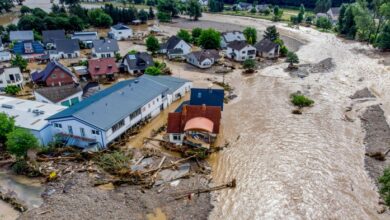
- Accelerated Climate Change:Continued reliance on fossil fuels and a lack of meaningful emissions reductions will exacerbate global warming, leading to more frequent and intense heatwaves, droughts, floods, and storms.
- Sea Level Rise:As global temperatures rise, glaciers and ice sheets melt at an accelerated rate, contributing to rising sea levels. Coastal communities around the world will face increased risks of flooding, erosion, and displacement.
- Biodiversity Loss:Climate change is already impacting ecosystems and biodiversity, leading to species extinction and habitat loss. Without swift action, the planet’s biodiversity will continue to decline, with devastating consequences for the natural world and human well-being.
- Food Security Threats:Climate change is disrupting agricultural systems, leading to reduced crop yields, increased food prices, and food insecurity. This will disproportionately affect vulnerable populations, leading to social unrest and conflict.
- Economic Disruptions:Climate change poses significant economic risks, from infrastructure damage to supply chain disruptions and labor market instability. The failure to address climate change will lead to economic losses, particularly for developing nations.
- Health Impacts:Climate change will lead to increased heat-related illnesses, respiratory problems, and the spread of infectious diseases. This will place a strain on healthcare systems and exacerbate existing health disparities.
Benefits of Success
Successfully implementing Biden’s climate agenda could usher in a new era of sustainability and resilience, with significant benefits for the planet and its inhabitants. The potential positive outcomes include:
- Reduced Greenhouse Gas Emissions:A successful agenda would lead to significant reductions in greenhouse gas emissions, slowing the rate of global warming and mitigating the worst impacts of climate change.
- Enhanced Climate Resilience:The agenda would invest in adaptation measures, helping communities prepare for and cope with the impacts of climate change, reducing their vulnerability to extreme weather events.
- Clean Energy Jobs:The transition to a clean energy economy would create millions of new jobs in renewable energy, energy efficiency, and other green sectors.
- Improved Air Quality:Reducing fossil fuel dependence would lead to cleaner air, reducing respiratory illnesses and improving public health.
- Enhanced Global Cooperation:A successful agenda would demonstrate the United States’ commitment to climate action and encourage other nations to take bolder steps to address the climate crisis.
Impact on the Global Climate and the Future of Humanity
The success or failure of Biden’s climate agenda will have a profound impact on the global climate and the future of humanity. A failure to act will exacerbate the climate crisis, leading to a cascade of negative consequences for the planet and its inhabitants.
On the other hand, a successful agenda would represent a turning point in the fight against climate change, setting the stage for a more sustainable and resilient future.
“The climate crisis is a defining challenge of our time, and we have a moral obligation to act.”
Joe Biden
Visual Representation of Potential Outcomes
Image:(Imagine a two-panel graphic. Panel 1 depicts a bleak and ravaged landscape, with rising sea levels, extreme weather events, and widespread destruction. Panel 2 shows a vibrant and thriving landscape, with clean energy infrastructure, lush forests, and happy people enjoying a sustainable future.) Description:The first panel illustrates the potential consequences of failing to address climate change.
It depicts a world ravaged by extreme weather events, rising sea levels, and widespread destruction. The second panel, in contrast, shows a world where climate action has been successful, leading to a more sustainable and resilient future.
Final Wrap-Up

The fate of Biden’s climate agenda hangs in the balance, with the potential for both significant progress and devastating setbacks. Whether he can overcome the challenges and achieve his ambitious goals remains to be seen. The world is watching, and the consequences of inaction are becoming increasingly clear.
The success of Biden’s agenda will depend on a combination of political will, international cooperation, and a shift in public awareness. It is a critical moment in the fight against climate change, and the decisions made today will have far-reaching implications for the future of our planet.