Why Centrist Michael Shellenberger Is Challenging Gavin Newsom
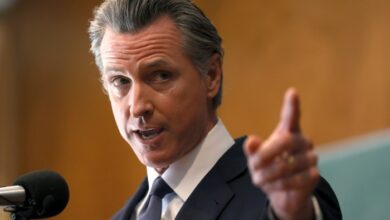
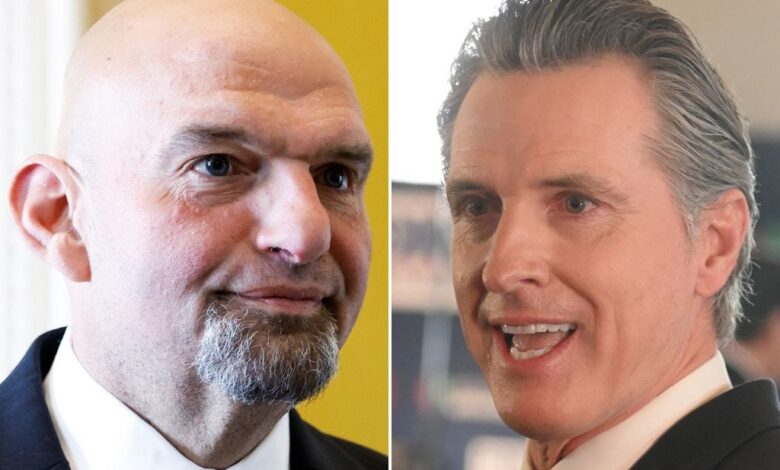
Why centrist michael shellenberger is challenging california gov gavin newsom – Why is centrist Michael Shellenberger challenging California Governor Gavin Newsom? This question has become a focal point in California politics, sparking debate and raising crucial questions about the state’s future. Shellenberger, a self-described “centrist,” is running against Newsom, a Democrat, in the 2023 gubernatorial election.
While both candidates share some common ground on issues like environmental protection, their approaches to tackling California’s challenges, such as homelessness, cost of living, and wildfires, differ significantly.
Shellenberger argues that Newsom’s policies, often aligned with progressive ideologies, have failed to address these issues effectively. He criticizes Newsom’s approach to tackling homelessness, arguing that it has only exacerbated the problem. He also points to California’s high cost of living, which he attributes to excessive regulation and government spending.
Shellenberger’s campaign promises to bring a more pragmatic approach to governing, emphasizing fiscal responsibility and common-sense solutions.
Michael Shellenberger’s Political Stance
Michael Shellenberger, a prominent environmentalist and author, describes himself as a “centrist” and has gained attention for his critiques of both the left and right on various issues. His political stance can be characterized by a rejection of extreme ideologies and a focus on pragmatic solutions based on evidence and reason.
Centrist Michael Shellenberger’s challenge to California Governor Gavin Newsom is gaining traction, fueled by concerns over the state’s economic and social climate. It’s a reminder that even within the political mainstream, there’s a growing desire for change. This echoes the shift in the Supreme Court, where Justice Ketanji Brown Jackson, a former law clerk, now sits on a court dramatically altered by recent appointments.
Justice Jackson a former law clerk returns to a transformed supreme court The impact of these changes on California’s future, particularly as Shellenberger’s campaign gains momentum, remains to be seen.
Shellenberger’s Centrist Ideology
Shellenberger’s “centrism” is not a simple middle ground between traditional left and right viewpoints. Instead, it reflects a rejection of ideological dogma and an emphasis on finding practical solutions that address real-world problems. He argues that both the left and right often rely on overly simplistic narratives and fail to engage with complex issues in a nuanced manner.
Shellenberger emphasizes the importance of evidence-based policymaking and a willingness to challenge conventional wisdom, regardless of its political origin.
Shellenberger’s Views Compared to Traditional Democratic and Republican Positions, Why centrist michael shellenberger is challenging california gov gavin newsom
Shellenberger’s views often diverge from traditional Democratic and Republican positions, particularly on issues related to environmentalism, technology, and social policy.
Environmentalism
Shellenberger is a strong advocate for environmental protection but criticizes the left’s focus on climate change as the sole environmental threat. He argues that other environmental issues, such as deforestation and pollution, deserve equal attention. Shellenberger also criticizes the left’s embrace of renewable energy sources, arguing that nuclear power is a safer and more efficient alternative.
His stance on nuclear power aligns more closely with traditional Republican views, which have historically favored nuclear energy as a reliable source of clean energy.
Technology
Shellenberger is a vocal proponent of technological innovation and its potential to solve global problems. He criticizes the left’s tendency to view technology with suspicion and distrust, arguing that technological advancements are essential for progress. His views on technology align more closely with traditional Republican views, which tend to be more supportive of technological development and innovation.
Social Policy
Shellenberger’s views on social policy are often more nuanced than traditional Democratic or Republican positions. He supports policies that promote individual freedom and opportunity, but also recognizes the need for social safety nets to address poverty and inequality. His stance on social policy can be seen as a rejection of both the left’s emphasis on government intervention and the right’s focus on individual responsibility.
Shellenberger’s Criticisms of the Left and Right
Shellenberger has been critical of both the left and right on various issues, arguing that both sides often fail to engage with complex problems in a nuanced and evidence-based manner.
Criticisms of the Left
Shellenberger criticizes the left’s focus on identity politics, arguing that it can be divisive and counterproductive. He also criticizes the left’s embrace of “cancel culture” and its tendency to silence dissenting voices. Additionally, he argues that the left’s focus on climate change as the sole environmental threat ignores other important environmental issues.
Criticisms of the Right
Shellenberger criticizes the right’s embrace of climate change denial and its resistance to policies aimed at addressing climate change. He also criticizes the right’s focus on deregulation and its tendency to prioritize economic growth over environmental protection. Additionally, he argues that the right’s focus on individual responsibility can lead to a neglect of social safety nets and a lack of concern for those in need.
Michael Shellenberger, a self-proclaimed centrist, is challenging California Governor Gavin Newsom in a bid to bring a more pragmatic approach to governing. His campaign focuses on issues like affordability and public safety, arguing that Newsom’s policies have failed to address the state’s growing problems.
It’s interesting to note that this political battle is unfolding amid a period of global chaos, with the tech industry, a major player in California’s economy, experiencing a rare downturn as outlined in this article, amid global chaos the tech industry takes a rare tumble.
This economic uncertainty adds another layer of complexity to the already heated political climate in California, as voters grapple with the state’s future amidst a confluence of economic and social challenges.
Gavin Newsom’s Policies and California’s Challenges
Governor Gavin Newsom has implemented a wide range of policies across various domains, impacting California’s economy, environment, and social welfare. These policies, while aimed at addressing pressing issues, have also sparked debates and controversies, with critics arguing about their effectiveness and potential unintended consequences.
Economic Policies
Governor Newsom’s economic policies have focused on promoting innovation, job creation, and affordability. He has implemented policies to incentivize businesses to stay in California, including tax breaks and subsidies. These policies have helped to attract major companies like Tesla and Google, contributing to the state’s robust economy.
However, critics argue that these policies have disproportionately benefited large corporations, while doing little to address the rising cost of living for ordinary Californians.
Michael Shellenberger, a self-described centrist, is challenging California Governor Gavin Newsom over a range of issues, including education. Shellenberger’s focus on education reform aligns with the broader conversation surrounding the role of technology in classrooms, a topic explored in detail in 7 facts about the state of edtech in schools.
Shellenberger’s campaign, though focused on broader political issues, highlights the ongoing debate about the effectiveness of edtech in schools and its potential to improve educational outcomes, which is a key concern for many voters.
Environmental Policies
California has been at the forefront of environmental protection, with Governor Newsom continuing this legacy. He has set ambitious goals for reducing greenhouse gas emissions and transitioning to renewable energy sources. These policies include the California Global Warming Solutions Act (AB 32), which mandates a reduction in greenhouse gas emissions to 1990 levels by 2020, and the California Renewable Portfolio Standard (RPS), which requires utilities to obtain a certain percentage of their electricity from renewable sources.
These policies have contributed to California’s leadership in renewable energy, but critics argue that they have also driven up energy costs for consumers.
Social Welfare Policies
Governor Newsom has prioritized expanding access to healthcare, education, and affordable housing. He has expanded Medi-Cal, California’s health insurance program for low-income residents, and increased funding for public schools. He has also implemented policies aimed at addressing homelessness, including the creation of temporary housing shelters and programs to help individuals find permanent housing.
These policies have helped to improve the lives of many Californians, but critics argue that they have not been effective enough in addressing the state’s complex social problems.
Challenges Facing California
California faces several major challenges, including:
- Homelessness: California has the largest homeless population in the United States, with an estimated 161,548 individuals experiencing homelessness in 2020. This issue is exacerbated by high housing costs, a shortage of affordable housing, and a complex web of social factors, including mental illness, addiction, and poverty.
- Cost of Living: California has one of the highest costs of living in the United States, with high housing costs, taxes, and utility bills. This makes it difficult for many residents to make ends meet, particularly low-income families.
- Wildfires: California has experienced an increase in the frequency and severity of wildfires in recent years, fueled by climate change, drought, and overgrown vegetation. These fires have caused widespread damage to homes, businesses, and natural ecosystems, and have resulted in significant economic and environmental losses.
Shellenberger’s Critique of Newsom’s Leadership
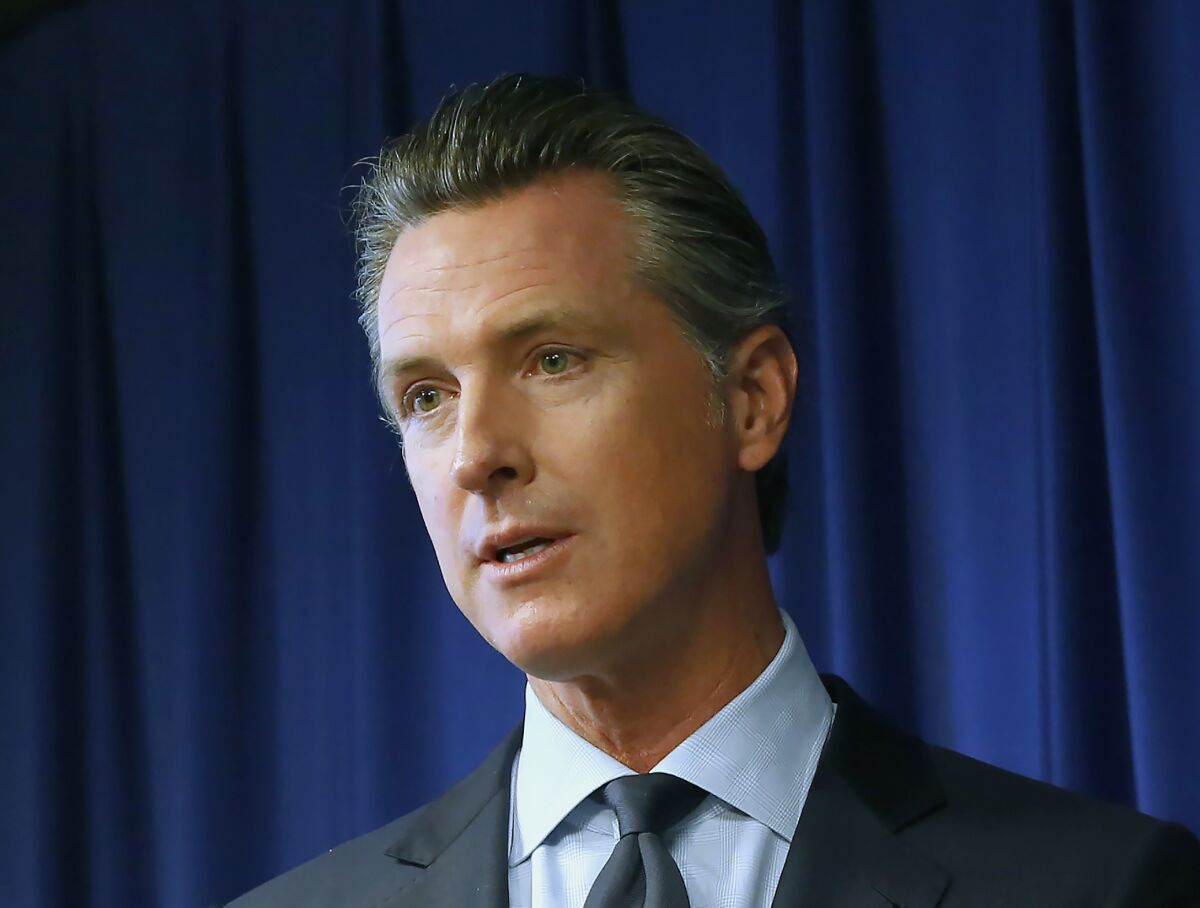
Michael Shellenberger, a self-proclaimed “environmental, energy, and technology expert,” has emerged as a vocal critic of California Governor Gavin Newsom’s policies and leadership style. Shellenberger’s criticism centers around Newsom’s approach to tackling California’s challenges, particularly those related to the environment, homelessness, and the state’s overall economic well-being.
Shellenberger’s Specific Criticisms of Newsom’s Policies
Shellenberger argues that Newsom’s policies have often been counterproductive and have failed to address the root causes of California’s problems. He criticizes Newsom’s focus on renewable energy, claiming it has led to higher energy costs and unreliable power supply. Shellenberger believes Newsom’s emphasis on “green” policies has come at the expense of affordability and energy security for Californians.
Shellenberger’s Arguments Against Newsom’s Approach to Tackling California’s Challenges
Shellenberger contends that Newsom’s approach to tackling California’s challenges has been characterized by a lack of pragmatism and a tendency to prioritize symbolic gestures over practical solutions. He cites Newsom’s policies on homelessness as an example, arguing that the state’s focus on housing subsidies and outreach programs has failed to address the underlying issues of mental health, addiction, and poverty.
Shellenberger’s Proposed Solutions to California’s Problems
Shellenberger advocates for a more pragmatic and results-oriented approach to governance. He proposes a shift away from the “green” agenda and towards a focus on affordable and reliable energy sources, including nuclear power. Shellenberger also calls for a more comprehensive approach to homelessness that addresses the underlying issues of mental health and addiction.
The Political Landscape of California: Why Centrist Michael Shellenberger Is Challenging California Gov Gavin Newsom
California is a politically diverse state with a long history of progressive activism and a strong Democratic Party presence. However, recent years have seen a rise in political polarization, with the Republican Party gaining some ground in certain areas.
The Influence of Political Groups
California’s political landscape is shaped by the influence of various political groups, including:
- Democratic Party:The Democratic Party holds a dominant position in California politics, controlling both houses of the state legislature and all statewide elected offices. The party’s platform emphasizes progressive values such as environmental protection, social justice, and economic equality.
- Republican Party:The Republican Party has a smaller presence in California compared to the Democrats, but it remains a significant force in certain regions, particularly in rural areas and suburban communities. The party’s platform generally emphasizes fiscal conservatism, limited government, and individual liberty.
- Independent Voters:A significant number of California voters are unaffiliated with either major party. These independent voters often hold moderate views and can swing elections based on specific issues and candidates.
- Labor Unions:Labor unions have a strong presence in California and wield significant political influence. They often support Democratic candidates and advocate for policies that benefit workers’ rights and interests.
- Environmental Groups:California is home to numerous environmental groups that advocate for policies aimed at protecting the environment and combating climate change. These groups often have a significant impact on state politics, particularly on issues related to energy, water, and land use.
Shellenberger’s Challenge and its Impact
Michael Shellenberger’s challenge to Gavin Newsom’s re-election bid has the potential to disrupt the state’s political landscape in several ways. While Newsom is considered a strong favorite, Shellenberger’s campaign could:
- Mobilize Conservative Voters:Shellenberger’s candidacy could energize conservative voters who are dissatisfied with Newsom’s policies. This could lead to increased voter turnout in Republican-leaning areas, potentially impacting the outcome of the election.
- Shift the Focus of the Campaign:Shellenberger’s platform, which emphasizes issues such as homelessness, crime, and economic inequality, could shift the focus of the campaign away from traditional Democratic priorities like climate change and healthcare. This could potentially appeal to moderate voters who are concerned about these issues.
- Expose Potential Weaknesses in Newsom’s Support:Shellenberger’s challenge could highlight potential vulnerabilities in Newsom’s support among certain demographics, such as moderate voters or those who are disillusioned with the Democratic Party.
The Broader Implications for California’s Future
The outcome of the 2022 California gubernatorial election has significant implications for the state’s future. If Newsom is re-elected, it is likely that his progressive agenda will continue to shape state policies. However, if Shellenberger were to win, it could signal a shift in the state’s political landscape, potentially leading to a more moderate approach to governance.
The Role of Media and Public Opinion
The 2023 California gubernatorial recall election is a high-stakes political contest that has attracted significant media attention and public interest. The media’s role in shaping public opinion and the impact of public opinion on the outcome of the election are crucial aspects to consider.
Media Coverage and Stances
The media landscape in California is diverse, with various outlets covering the recall election from different perspectives.
- Traditional Media:Outlets like the Los Angeles Times, San Francisco Chronicle, and the Sacramento Bee provide comprehensive coverage of the election, often presenting balanced reporting and analysis. They offer a mix of news articles, opinion pieces, and interviews with candidates and experts.
- National Media:National outlets like The New York Times, The Washington Post, and CNN also dedicate significant resources to covering the election, providing a broader national perspective. Their coverage often focuses on the potential impact of the election on national politics and the broader political landscape.
- Online Media:Websites and social media platforms like California Politics, Politico, and The Hill offer real-time updates, analysis, and commentary on the election. They often provide in-depth coverage of specific issues and campaign strategies.
It’s important to note that some media outlets, particularly those with strong partisan leanings, may present a more biased view of the candidates and the election.
Public Opinion Polls and Surveys
Public opinion polls and surveys provide valuable insights into the electorate’s preferences and the potential outcome of the election.
- Early Polls:Initial polls conducted in the early stages of the recall campaign showed Newsom with a comfortable lead over Shellenberger. However, these polls also indicated that a significant portion of the electorate remained undecided.
- Recent Polls:Recent polls suggest that the race has tightened, with Newsom’s lead narrowing. This trend reflects the growing dissatisfaction with Newsom’s handling of certain issues, such as homelessness and crime, among some voters.
- Key Issues:Polls also reveal the key issues driving voter decisions, such as the economy, housing affordability, and public safety. These issues are likely to be central to the campaign messaging of both candidates.
It’s crucial to remember that polls are just snapshots of public opinion at a given moment and can be influenced by various factors, such as media coverage and campaign events.
Impact of Media Coverage and Public Opinion
Media coverage and public opinion can significantly impact the outcome of an election.
- Framing of Issues:The media plays a crucial role in framing the issues at stake in an election. By emphasizing certain issues and downplaying others, the media can influence the voters’ perception of the candidates and their priorities.
- Candidate Visibility:Media coverage can also influence the candidates’ visibility and name recognition. Candidates who receive more favorable media attention are likely to benefit from increased name recognition and support.
- Voter Turnout:Public opinion polls can influence voter turnout. If a candidate is perceived as being in a strong position, their supporters may be less motivated to vote. Conversely, if a candidate is seen as trailing, their supporters may be more likely to turn out and vote.
The media’s role in shaping public opinion and the impact of public opinion on the outcome of the election are complex and multifaceted.
Closing Summary
The contest between Shellenberger and Newsom represents a clash of ideologies and visions for California’s future. Shellenberger’s challenge to Newsom is a significant development in California politics, with implications for the state’s direction. The outcome of this election will have far-reaching consequences, shaping the state’s policies and its economic and social landscape for years to come.
It remains to be seen whether Shellenberger’s message of pragmatism and fiscal responsibility will resonate with California voters and whether he can overcome the challenges of running against an incumbent governor.