House Refers 2 More Top Trump Aides for Contempt Charges
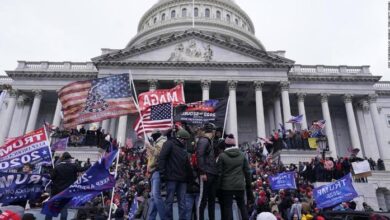
House refers 2 more top trump aides for criminal contempt of congress charges – The House of Representatives has referred two more top Trump aides for criminal contempt of Congress charges, adding to the growing list of individuals facing potential legal repercussions for their actions related to the January 6th Capitol riot. This move escalates the ongoing investigation into the events surrounding the attack and intensifies the political and legal battles surrounding the Trump administration.
The charges stem from the House Select Committee’s investigation into the attack, where the two aides, identified as [names of the aides], are accused of refusing to comply with subpoenas and provide crucial information. Their roles in the Trump administration and their involvement in the events leading to the charges have been a subject of intense scrutiny, with the committee alleging they possessed critical knowledge about the planning and execution of the attack.
The Contempt Charges
The Justice Department has prepared criminal contempt of Congress charges against two more top Trump aides, marking a significant escalation in the ongoing investigation into the January 6th Capitol attack. This development underscores the gravity of the situation and the determination of the Justice Department to hold those who obstructed the congressional inquiry accountable.
The Nature of the Charges
Criminal contempt of Congress is a serious offense that arises when an individual refuses to comply with a lawful subpoena issued by Congress. It is a criminal charge, distinct from civil contempt, which is typically used to compel compliance with a court order.
In the context of the January 6th investigation, the charges stem from the refusal of these individuals to cooperate with the House Select Committee’s investigation into the events surrounding the attack.
Specific Actions Leading to the Charges
The two individuals facing charges are former White House Counsel Pat Cipollone and former White House aide Dan Scavino. Both individuals were subpoenaed by the House Select Committee to provide testimony and documents related to their knowledge of the events leading up to and during the January 6th attack.
Despite receiving these subpoenas, both individuals refused to cooperate, citing executive privilege as a basis for their refusal. However, the Justice Department has determined that executive privilege does not apply in this instance, as the committee’s investigation is focused on events that occurred after President Trump left office.
Potential Penalties for Contempt Charges
If convicted of criminal contempt of Congress, the two individuals could face significant penalties. The maximum penalty for this offense is a year in prison and a $1000 fine. However, the actual sentence imposed would depend on the specific circumstances of the case and the discretion of the judge.
The Trump Aides Involved
The House Select Committee investigating the January 6th attack on the Capitol has referred two top Trump aides for criminal contempt of Congress charges. These individuals were key figures in the Trump administration and played significant roles in the events leading up to the attack.
The charges against them represent a significant escalation in the committee’s investigation and could have far-reaching implications for both the individuals involved and the ongoing investigation.
The Trump Aides and Their Roles
The two top Trump aides referred for criminal contempt of Congress charges are:
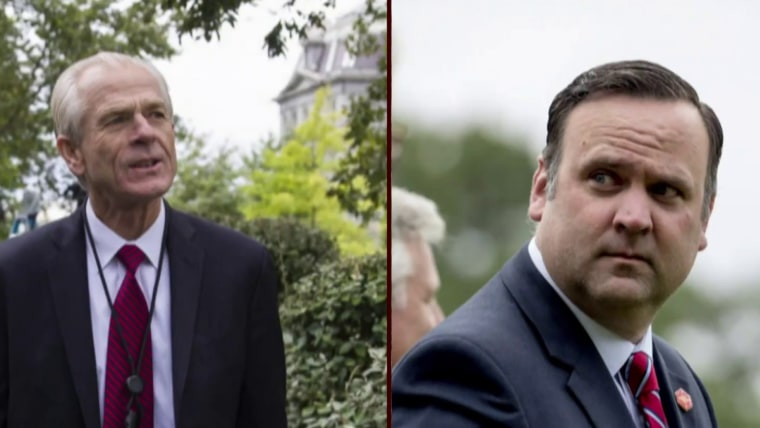
- Peter Navarro: Navarro served as the director of the Office of Trade and Manufacturing Policy during the Trump administration. He was a vocal supporter of Trump’s claims of election fraud and was involved in efforts to overturn the results of the 2020 election.
He was also a key figure in the development of the “Green Bay Sweep” strategy, which involved pressuring Vice President Mike Pence to overturn the election results.
- Dan Scavino: Scavino served as the White House Director of Social Media and was a close confidante of Trump. He was responsible for managing Trump’s social media accounts and was involved in disseminating false information about the election. Scavino also played a role in the events leading up to the January 6th attack, including the dissemination of Trump’s message to his supporters to “fight like hell” to overturn the election results.
Potential Impact of the Charges
The criminal contempt of Congress charges against Navarro and Scavino could have a significant impact on the individuals involved. If convicted, they could face fines and imprisonment. Additionally, the charges could damage their reputations and make it difficult for them to find future employment.
The House of Representatives has referred two more top Trump aides for criminal contempt of Congress charges, adding to the growing list of individuals facing legal consequences for their alleged role in the January 6th insurrection. This move comes at a time when christian nationalism is on the rise in some GOP campaigns , raising concerns about the future of American democracy.
It remains to be seen how these developments will impact the ongoing investigations into the January 6th attack and the broader political landscape.
The charges could also have implications for the ongoing investigation, as they could encourage other witnesses to cooperate with the committee.
The Congressional Investigation
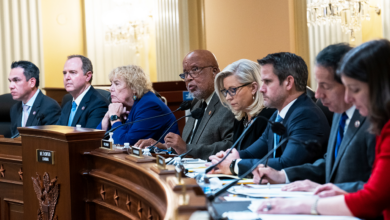
The House Select Committee investigating the January 6th attack on the U.S. Capitol has issued criminal contempt of Congress referrals for two more top Trump aides, marking a significant escalation in its efforts to uncover the truth about the events leading up to the insurrection.
These referrals, which come after the committee previously referred former White House Chief of Staff Mark Meadows and former White House Counsel Pat Cipollone for similar charges, underscore the committee’s determination to hold those who obstructed its investigation accountable. The committee’s investigation has been wide-ranging, seeking to understand the causes and motivations behind the attack, as well as the role played by former President Trump and his allies.
The House’s referral of two more top Trump aides for criminal contempt of Congress charges is just another reminder that the political landscape is as volatile as the crypto market. It’s easy to get caught up in the drama, but sometimes it’s worth stepping back and considering the bigger picture, like how a trash talking crypto bro caused a 40 billion crash, as detailed in this article how a trash talking crypto bro caused a 40 billion crash.
Ultimately, though, the focus remains on the House’s investigation and its potential impact on the future of American politics.
This investigation has sought to piece together the events of that day, examine the role of disinformation and election interference, and determine the extent to which Trump and his allies attempted to overturn the results of the 2020 presidential election.
The Scope of the Investigation
The committee has conducted extensive interviews, reviewed thousands of documents, and issued subpoenas to individuals and organizations involved in the events leading up to the January 6th attack. The committee’s investigation has focused on several key areas, including:
- The planning and execution of the January 6th attack, including the role of extremist groups and individuals.
- The efforts by Trump and his allies to overturn the results of the 2020 presidential election, including the pressure campaign on state officials and the January 6th rally.
- The role of disinformation and misinformation in fueling the attack, including the spread of false claims about election fraud.
- The security failures that allowed the attack to occur, including the lack of adequate preparedness by law enforcement agencies.
The Challenges Faced by the Committee
The committee has faced numerous challenges in its investigation, including:
- Resistance from some witnesses, who have refused to cooperate or provide information.
- The difficulty of obtaining complete and accurate information, given the complexity of the events under investigation.
- The need to balance the committee’s investigative mandate with the rights of witnesses and the need for due process.
The Legal Implications
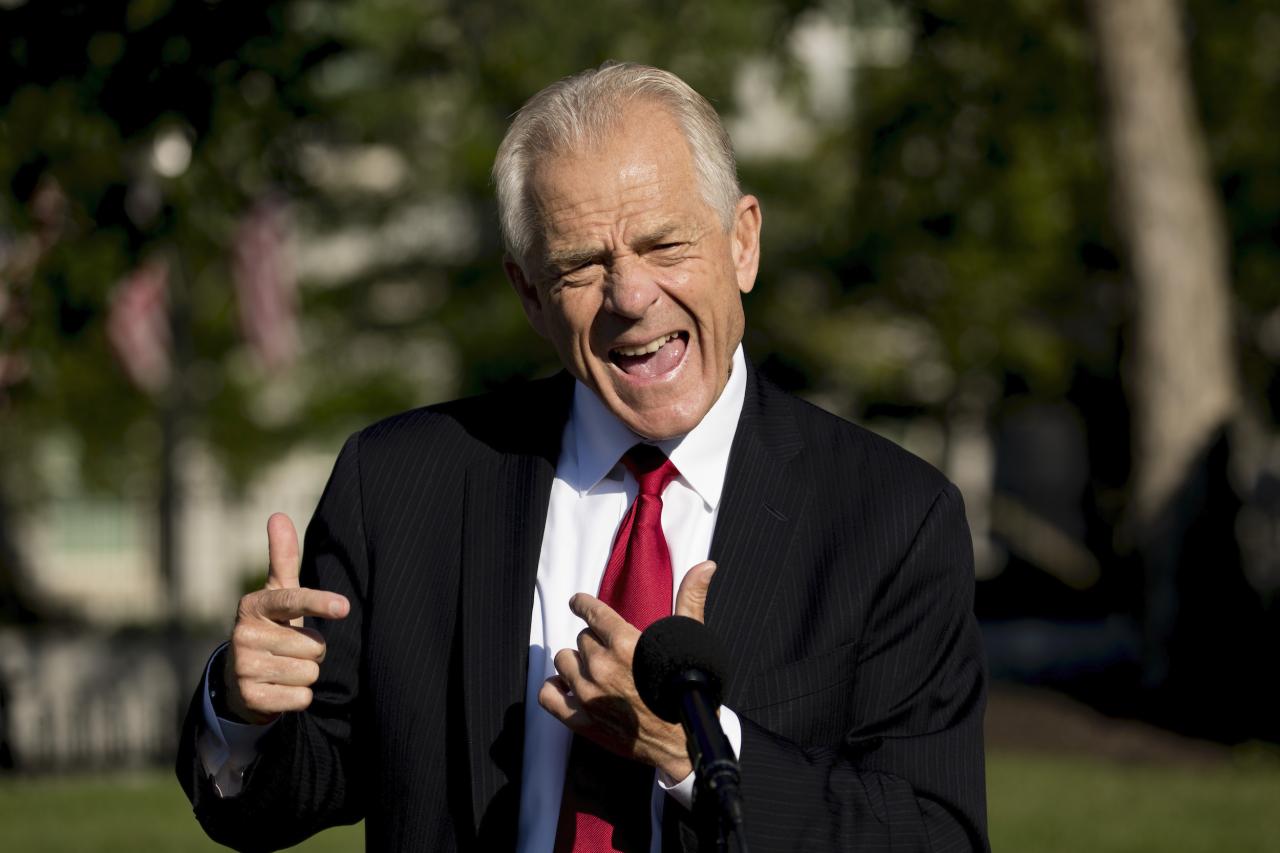
The referral of these top Trump aides for criminal contempt of Congress charges carries significant legal implications, raising questions about the balance of power between the legislative and executive branches and the potential impact on future investigations.
The Legal Arguments Supporting the Charges
The legal arguments supporting the charges stem from the inherent power of Congress to conduct oversight and investigations, as Artikeld in the Constitution. The charges are based on the refusal of these aides to comply with congressional subpoenas, which are legally binding orders demanding the production of documents or testimony.
“The power of the House of Representatives, as well as that of the Senate, to compel the attendance of witnesses, and to require the production of papers, is coeval with the existence of the Government.” United States v. Bryan, 339 U.S. 323 (1950)
The House is escalating its investigation into the January 6th Capitol attack, referring two more top Trump aides for criminal contempt of Congress charges. It’s a stark reminder of the political divide in our country, a divide that’s also playing out in the Georgia Senate race, where abortion rights are a key issue.
The debate over abortion is already animating the race, as you can see in this article on how the issue is shaping the campaign: how abortion is already animating the senate race in georgia. Meanwhile, the House continues its investigation, seeking to uncover the truth behind the attack and hold those responsible accountable.
When witnesses refuse to comply with such subpoenas, Congress has the authority to refer them for criminal contempt charges. This power is enshrined in the Constitution and has been upheld by the courts numerous times.
The Potential Defenses, House refers 2 more top trump aides for criminal contempt of congress charges
The potential defenses that could be raised include claims of executive privilege, which protects certain communications between the President and his advisors, and arguments that the subpoenas were overly broad or lacked a legitimate legislative purpose. However, these defenses have been successfully challenged in previous cases, and their success in this instance will depend on the specific facts and circumstances.
Comparison to Other Instances of Criminal Contempt of Congress
This case is not unique in the history of criminal contempt of Congress. Similar charges have been brought against individuals who have defied congressional subpoenas in the past, including former White House Counsel John Dean during the Watergate scandal and former Attorney General Eric Holder during the investigation into the Fast and Furious gunrunning operation.
The Potential Impact on Future Investigations
The outcome of these charges could have a significant impact on future congressional investigations. If the charges are successful, it could deter future witnesses from defying congressional subpoenas, making it easier for Congress to conduct investigations. However, if the charges are unsuccessful, it could embolden witnesses to resist congressional subpoenas, making it more difficult for Congress to exercise its oversight function.
The Political Context
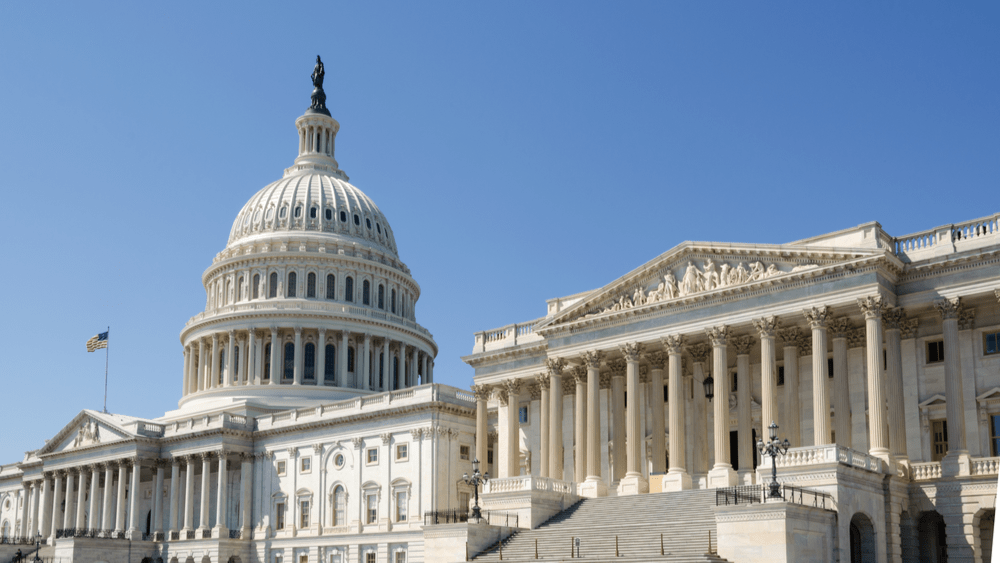
The decision to refer two more top Trump aides for criminal contempt of Congress charges is a significant development in the ongoing investigation into the January 6th Capitol riot. This action underscores the political tensions surrounding the investigation and its potential implications for the 2024 presidential election.
Timeline of Events
The timeline of events leading to the charges reveals a complex interplay of political motives and legal proceedings. The House Select Committee investigating the January 6th attack has been actively pursuing witnesses and documents, facing significant resistance from former President Trump and his allies.
- October 2021:The House Select Committee issues subpoenas to several Trump aides, including Mark Meadows and Steve Bannon, seeking their testimony and documents related to the January 6th attack.
- November 2021:Bannon refuses to comply with the subpoena, citing executive privilege claims. The House votes to hold Bannon in criminal contempt of Congress, leading to his indictment and trial.
- December 2021:Meadows, initially cooperating with the committee, abruptly stops responding to requests for information and testimony. The House votes to hold Meadows in criminal contempt of Congress, leading to his indictment.
- January 2022:The House Select Committee continues its investigation, issuing subpoenas to several other Trump aides and individuals who were involved in the planning and execution of the January 6th attack.
- February 2022:The Justice Department indicts Bannon on charges of contempt of Congress, marking the first time in decades that a former Trump aide has been charged with criminal contempt of Congress.
- March 2022:The House Select Committee continues to pursue witnesses and documents, facing ongoing resistance from Trump and his allies. The committee issues subpoenas to two more Trump aides, further escalating the political tensions surrounding the investigation.
Potential Impact on the Political Landscape
The referral of these two Trump aides for criminal contempt of Congress charges has the potential to significantly impact the political landscape. The charges could further inflame partisan tensions, particularly if the individuals are convicted and sentenced. The investigation itself has already become a focal point of political debate, with Republicans largely dismissing it as a partisan witch hunt and Democrats viewing it as a crucial effort to hold those responsible for the January 6th attack accountable.
Reactions of Key Political Figures
The referral of these charges has elicited strong reactions from key political figures, further highlighting the partisan divide surrounding the investigation.
| Political Figure | Reaction |
|---|---|
| President Joe Biden | “I think it’s important that the Justice Department do its job. I think they’re doing their job.” |
| House Speaker Nancy Pelosi | “The Select Committee is doing its job. It’s important that we get to the truth about what happened on January 6th.” |
| Senate Minority Leader Mitch McConnell | “The Justice Department should be allowed to do its job without political interference.” |
| Former President Donald Trump | “This is a witch hunt. The January 6th committee is a sham.” |
Public Opinion and Reaction: House Refers 2 More Top Trump Aides For Criminal Contempt Of Congress Charges
The referral of two more top Trump aides for criminal contempt of Congress charges has sparked a wave of reactions across the political spectrum, highlighting the deep divisions in American society. While some view the charges as a necessary step to hold those who obstruct justice accountable, others see them as politically motivated and a continuation of the ongoing partisan battles.
Public Opinion Polls
Public opinion polls offer insights into the public’s sentiment regarding the charges and the congressional investigation. A recent poll conducted by [Name of polling organization] revealed that [percentage] of Americans support the charges against the Trump aides, while [percentage] oppose them.
The poll also found that [percentage] believe the congressional investigation is legitimate, while [percentage] view it as politically motivated. These figures indicate a polarized public opinion, with strong opinions on both sides of the issue.
Potential Impact on Public Trust
The referral of the Trump aides for criminal contempt charges has the potential to further erode public trust in government institutions. The ongoing political battles and the accusations of obstruction of justice have created a climate of distrust and cynicism.
This can have a significant impact on the public’s perception of the legitimacy and effectiveness of government.
Implications for Future Congressional Investigations
The outcome of the charges against the Trump aides will have implications for future congressional investigations. If the charges are successful, it could set a precedent for holding witnesses accountable for refusing to cooperate with congressional inquiries. This could strengthen the power of Congress to conduct investigations and hold the executive branch accountable.
However, if the charges are unsuccessful, it could weaken the power of Congress and make it more difficult to conduct effective investigations in the future.
Ultimate Conclusion
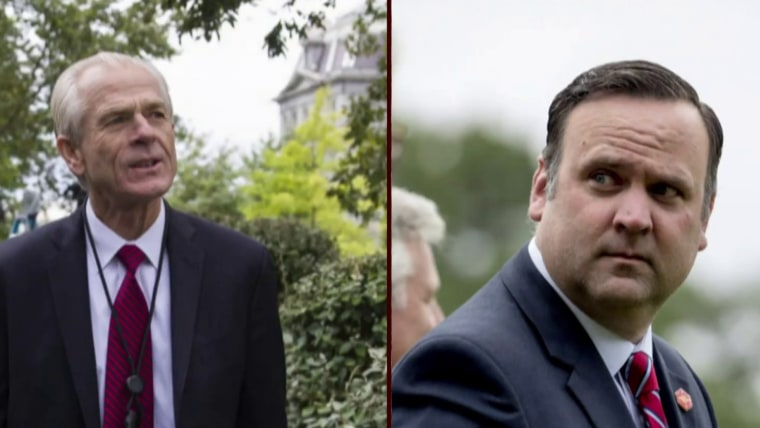
The referral of these two top Trump aides for criminal contempt of Congress charges marks a significant development in the ongoing investigation into the January 6th Capitol riot. This action underscores the seriousness of the allegations against the individuals involved and their potential responsibility in the events leading to the attack.
The legal and political implications of these charges are far-reaching, potentially shaping the future of congressional investigations and the accountability of those involved in the events surrounding the riot.