Satya Nadella on Your Never-Ending Workday
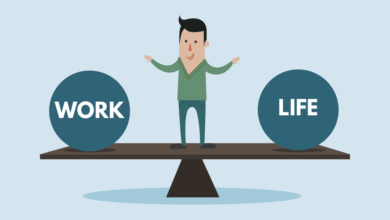
Heres what microsoft ceo satya nadella thinks about your never ending work day – Here’s what Microsoft CEO Satya Nadella thinks about your never-ending workday: it’s time for a change. Nadella, known for his progressive leadership, believes that prioritizing work-life balance is crucial for both employee well-being and organizational success. He’s not just talking about taking a few extra minutes for lunch; he’s pushing for a fundamental shift in how we approach work in the digital age.
Nadella argues that technology, while offering incredible opportunities for flexibility and collaboration, can also blur the lines between work and personal life. He’s actively working to implement policies and initiatives within Microsoft that promote healthy boundaries and encourage employees to disconnect and recharge.
But Nadella’s vision goes beyond just managing work hours; it’s about fostering a culture where employees feel empowered to prioritize their mental and physical health, knowing that it ultimately contributes to their productivity and creativity.
Satya Nadella’s Views on Work-Life Balance
Satya Nadella, the CEO of Microsoft, has been a vocal advocate for work-life balance, recognizing its crucial role in employee well-being and overall productivity. He believes that a healthy work-life balance is not just a perk but a necessity in today’s fast-paced, demanding world.
Nadella’s perspective on work-life balance is a departure from the traditional corporate view that often prioritized long hours and relentless dedication to work. He believes that a healthy work-life balance fosters a more engaged, motivated, and ultimately more productive workforce.
Initiatives Promoting Work-Life Balance at Microsoft
Nadella has implemented various initiatives and policies at Microsoft to encourage and support work-life balance among employees. These initiatives aim to create a work environment that is both challenging and supportive, allowing employees to thrive both professionally and personally.
- Flexible Work Arrangements:Microsoft offers flexible work arrangements, including remote work options and flexible schedules, allowing employees to tailor their work hours and location to their individual needs and commitments. This flexibility empowers employees to manage their work responsibilities while also prioritizing personal time and family obligations.
- Unlimited Paid Time Off:Microsoft’s unlimited paid time off policy encourages employees to take time off when they need it, without worrying about accruing vacation days. This policy promotes a culture of well-being and allows employees to recharge and return to work feeling refreshed and motivated.
- Parental Leave:Microsoft offers generous parental leave policies, including extended leave for both mothers and fathers, to support new parents and help them adjust to their new roles. This policy promotes a culture of inclusivity and recognizes the importance of family in employees’ lives.
- Wellness Programs:Microsoft provides comprehensive wellness programs that include fitness centers, health screenings, and mental health resources. These programs promote employee well-being and provide support for employees’ physical and mental health.
Nadella’s Perspective on Work-Life Balance
Nadella’s vision for work-life balance is rooted in the belief that employees should be able to live fulfilling lives both inside and outside the workplace. He emphasizes the importance of creating a culture where employees feel supported and empowered to prioritize their well-being and personal commitments.
“We need to create a culture where people feel like they can bring their whole selves to work. That means supporting them in their personal lives as well as their professional lives.”
Satya Nadella
Satya Nadella’s recent comments on work-life balance got me thinking about the ways we can all find more joy in our daily grind. One inspiring example is the investment by premium whiskey producer Uncle Nearest in the BIPOC-led non-alcoholic company, Hella Cocktail.
This kind of investment, which encourages innovation and inclusivity, is a reminder that there are plenty of ways to create positive change, even in the midst of busy schedules. Maybe Nadella’s right, we just need to find those moments of joy and purpose, big or small, to make it all worthwhile.
Nadella’s views on work-life balance are a departure from traditional corporate views that often prioritize work above all else. He believes that a healthy work-life balance is essential for employee well-being, engagement, and ultimately, for the success of the organization.
The Impact of Technology on Work Schedules: Heres What Microsoft Ceo Satya Nadella Thinks About Your Never Ending Work Day
Technology has fundamentally reshaped how we work, blurring the lines between our professional and personal lives. Advancements in communication and collaboration tools have enabled a more flexible and interconnected workforce, but also raised concerns about the potential impact on work-life balance.
Satya Nadella’s recent comments about the “never-ending workday” got me thinking about the pressures we all face. It’s easy to get caught up in the hustle, but it’s important to remember that our mental and physical well-being matters. The news about a possible noose found near a CIA facility is a stark reminder of the real-world consequences of unchecked stress and hostility.
Ultimately, finding a balance between work and life is crucial for both individual and societal health, and Nadella’s message resonates deeply in that regard.
The Benefits of Technology for Work-Life Balance
Technology can offer significant benefits for employees seeking a better work-life balance. The ability to work remotely, access work materials from anywhere, and communicate with colleagues in real-time has empowered employees to manage their time more effectively. This flexibility allows for greater control over work schedules, accommodating personal commitments and responsibilities.
- Remote work:Technology has enabled a shift towards remote work, allowing employees to work from home or other locations outside the traditional office setting. This flexibility offers greater control over work schedules, allowing employees to manage their time more effectively and accommodate personal commitments.
- Flexible work hours:Technology has made it easier for employees to work flexible hours, such as working from home during the day and catching up on work in the evening. This can be particularly beneficial for employees with childcare or other family responsibilities.
- Improved communication and collaboration:Advancements in communication and collaboration tools, such as video conferencing and instant messaging, have made it easier for employees to stay connected and collaborate with colleagues regardless of location. This can reduce the need for in-person meetings and travel, freeing up time for other activities.
The Drawbacks of Technology for Work-Life Balance
While technology offers numerous benefits, it can also contribute to work-life imbalance if not managed effectively. The constant availability of work-related communication and the blurring of boundaries between work and personal time can lead to feelings of stress, burnout, and difficulty disconnecting from work.
- Always-on culture:Technology has created an “always-on” culture, where employees feel pressure to be constantly available and responsive to work-related communication. This can lead to feelings of stress and burnout, as employees struggle to disconnect from work and find time for personal activities.
- Increased workload:Technology has also made it easier for employers to assign more work to employees, as they can easily track progress and monitor availability. This can lead to increased workloads and feelings of being overwhelmed, making it difficult to maintain a healthy work-life balance.
- Blurred boundaries:The lines between work and personal life can become blurred when employees are constantly connected to work-related communication. This can make it difficult to fully disconnect from work and enjoy personal time, leading to feelings of stress and anxiety.
Nadella’s Insights on Technology and the Future of Work
Satya Nadella, the CEO of Microsoft, has spoken extensively about the importance of technology in shaping the future of work. He emphasizes the need for a “human-centered” approach to technology, ensuring that it empowers employees and enhances their well-being. Nadella believes that technology should be used to create a more flexible and inclusive work environment, allowing employees to thrive both professionally and personally.
“Technology is not just about the tools we use, but about the culture we create.”
Satya Nadella, Microsoft’s CEO, has a refreshing take on the endless workday. He believes we need to reimagine our approach to work, not just resign from it. It’s time to embrace a more sustainable and fulfilling work-life balance, a concept that resonates with the forget the great resignation bring on the great reimagination movement.
Nadella encourages us to focus on the value we bring, not just the hours we clock in. This shift in perspective can lead to a more balanced and ultimately more productive work environment.
Satya Nadella
Nadella advocates for a work environment where employees have the autonomy to manage their time effectively and prioritize their well-being. He believes that technology should be used to enhance collaboration, communication, and productivity, while also fostering a culture of empathy and understanding.
“We need to build a future where technology empowers people, not the other way around.”
Satya Nadella
The Importance of Employee Well-being
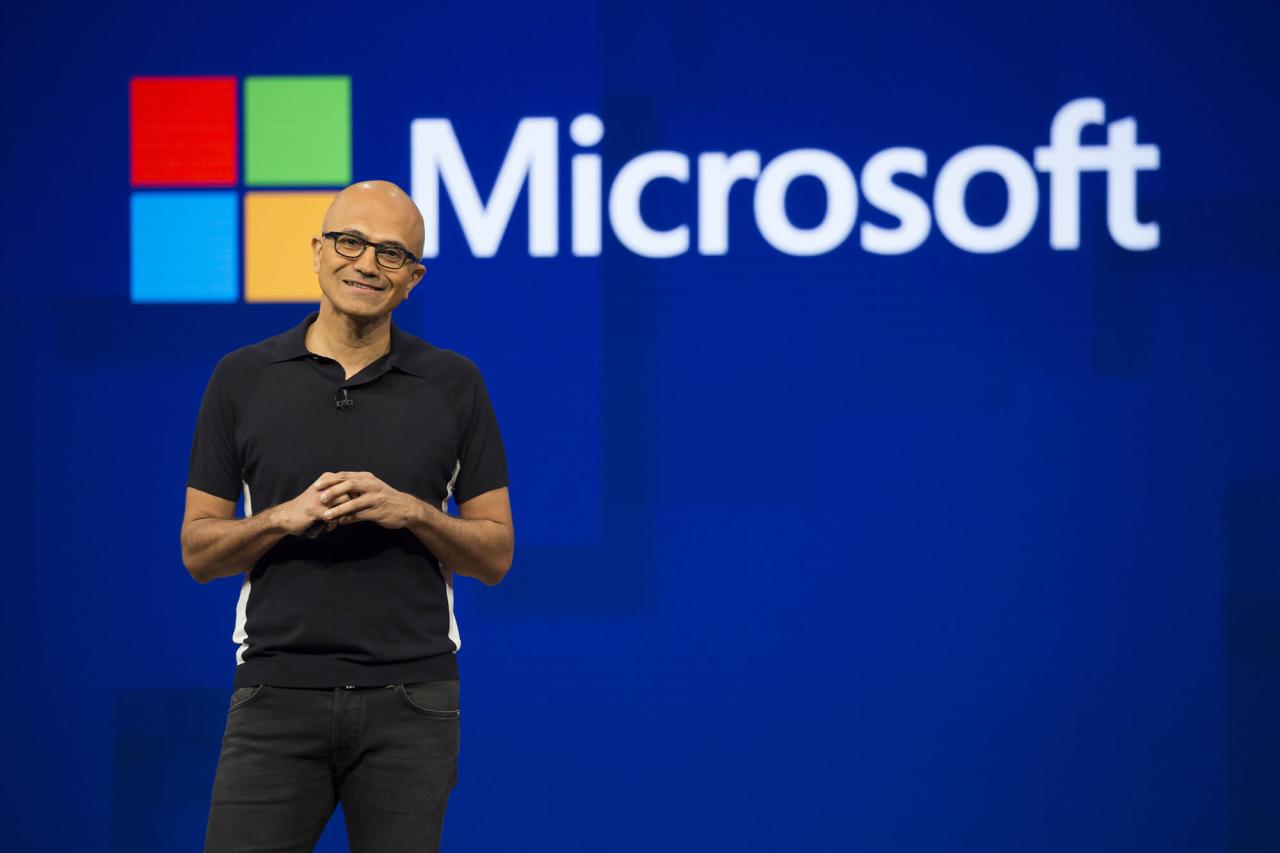
Satya Nadella, the CEO of Microsoft, believes that employee well-being is paramount to a company’s success. He sees a direct link between employee happiness and productivity, emphasizing that a healthy and engaged workforce is essential for innovation and growth. This belief is reflected in Microsoft’s culture, which prioritizes employee well-being through various initiatives.
Nadella’s Views on Employee Well-being and Productivity
Nadella’s perspective on employee well-being is rooted in the idea that happy and healthy employees are more productive. He has consistently stated that a company’s most valuable asset is its people. He believes that by investing in employee well-being, Microsoft can unlock greater potential, leading to increased creativity, innovation, and ultimately, higher productivity.
He emphasizes that a company’s success is not just about achieving financial targets, but also about ensuring the well-being of its employees.
Microsoft’s Initiatives for Employee Well-being
Microsoft has implemented several initiatives under Nadella’s leadership to prioritize employee mental and physical health. These include:
- Flexible work arrangements:Microsoft encourages flexible work schedules and remote work options to provide employees with greater control over their time and work-life balance. This allows employees to manage personal responsibilities while remaining productive.
- Mental health support:Microsoft offers mental health resources and programs, including access to therapists, counseling services, and support groups. This helps employees address stress, anxiety, and other mental health concerns, promoting a healthier and more productive work environment.
- Wellness programs:Microsoft provides wellness programs that encourage healthy lifestyles, including fitness classes, healthy food options, and on-site health screenings. These programs aim to improve employees’ overall well-being and reduce the risk of health problems.
- Parental leave policies:Microsoft offers generous parental leave policies to support employees during family transitions. This helps employees balance work and family responsibilities, reducing stress and promoting a more positive work environment.
Nadella’s Approach Compared to Other Tech CEOs, Heres what microsoft ceo satya nadella thinks about your never ending work day
Nadella’s focus on employee well-being is a common theme among many tech CEOs. However, his approach stands out due to its emphasis on a holistic approach that considers both mental and physical health.
“We want our employees to be happy, healthy, and engaged. We believe that this is essential for a successful company.”
Satya Nadella
Other tech CEOs like Sundar Pichai (Google) and Tim Cook (Apple) also prioritize employee well-being, but their approaches may differ in their emphasis on specific initiatives. For example, Google is known for its focus on employee perks and benefits, while Apple emphasizes a culture of innovation and creativity.
Nadella’s approach, however, is more comprehensive, encompassing both mental and physical health, flexible work arrangements, and a strong focus on work-life balance.
Strategies for Managing Workload
Satya Nadella, Microsoft’s CEO, emphasizes the importance of finding a balance between work and personal life. He believes that a healthy work-life balance is crucial for employee well-being and ultimately leads to greater productivity. Nadella’s insights offer valuable guidance for managing workload effectively.
Strategies and Nadella’s Insights
Here’s a breakdown of strategies for managing workload and maintaining work-life balance, inspired by Nadella’s perspectives:
| Strategies | Nadella’s Insights |
|---|---|
| Prioritization and Time Management | Nadella emphasizes the importance of prioritizing tasks and managing time effectively. He believes that focusing on the most critical tasks first allows for greater efficiency and productivity. |
| Delegation and Collaboration | Nadella encourages leaders to delegate tasks and foster collaboration among team members. He believes that empowering others to take ownership of their work fosters a sense of responsibility and shared success. |
| Setting Boundaries and Saying No | Nadella stresses the importance of setting clear boundaries between work and personal life. He acknowledges the need to say “no” to requests that conflict with personal commitments or goals. |
| Taking Breaks and Recharge | Nadella emphasizes the significance of taking regular breaks to recharge and prevent burnout. He believes that stepping away from work allows for mental clarity and improved focus. |
The Future of Work and Work-Life Integration
Satya Nadella envisions a future of work that prioritizes flexibility, employee well-being, and a seamless integration of work and personal life. He believes that technology will play a crucial role in shaping this future, enabling individuals to work from anywhere, at any time, and to manage their schedules more effectively.
The Role of Technology in Work-Life Integration
Technology will be instrumental in creating a more flexible and integrated work environment. Nadella emphasizes the importance of adopting tools and platforms that empower employees to work remotely, manage their time efficiently, and collaborate seamlessly with colleagues regardless of location.
“Technology is not just about efficiency; it’s about creating a more human-centered workplace.”
Satya Nadella
- Cloud Computing:Cloud-based platforms provide access to work applications and data from any device, enabling employees to work from home, coffee shops, or while traveling.
- Collaboration Tools:Tools like Microsoft Teams facilitate communication, collaboration, and project management, enabling teams to work together effectively even when physically separated.
- Artificial Intelligence (AI):AI-powered tools can automate repetitive tasks, freeing up employees’ time for more strategic and creative work. This can contribute to a more balanced work-life integration by reducing workload and allowing for more personal time.
Evolving Boundaries Between Work and Personal Life
Nadella predicts that the lines between work and personal life will continue to blur as technology enables a more fluid and integrated work environment. This means that employees will have greater control over their work schedules and can choose to work when and where they are most productive.
- Flexible Work Arrangements:The rise of remote work and flexible schedules will allow employees to tailor their work hours to their personal needs and preferences, leading to a more balanced lifestyle.
- Blurred Work Hours:As technology makes it easier to work from anywhere, employees may find themselves working during non-traditional hours, blurring the lines between work and personal time. This can be both a benefit and a challenge, requiring individuals to set clear boundaries and manage their time effectively.
- Work-Life Integration:The future of work will be characterized by a greater emphasis on work-life integration, where individuals can seamlessly blend their work and personal lives without compromising their well-being.
Conclusion
In a world where technology can make us constantly “on,” Nadella’s message is a breath of fresh air. He’s not advocating for laziness; he’s advocating for a more balanced and sustainable approach to work. By prioritizing employee well-being and embracing a future where work and life are integrated rather than separated, Nadella is leading the way towards a more fulfilling and productive work experience for everyone.