

7 Mindsets: Acquire Lessons for Self-Growth
7 mindsets acquires lessons for sel – 7 Mindsets: Acquire Lessons for Self-Growth sets the stage for this enthralling narrative, offering readers a glimpse into a story that is rich in detail and brimming with originality from the outset. This exploration delves into the transformative power of mindset, showcasing how adopting specific mental frameworks can lead to profound personal growth, success, and well-being.
It’s a journey that invites you to examine your own beliefs, challenge limiting thoughts, and cultivate a mindset that empowers you to achieve your full potential.
The book “7 Mindsets” provides a framework for understanding the various mental models that shape our lives. It Artikels seven key mindsets that can be cultivated to unlock personal growth, enhance relationships, and navigate life’s challenges with greater resilience and success.
From the power of growth mindset to the importance of embracing vulnerability, each mindset offers valuable insights and practical strategies for achieving personal transformation.
The Power of Mindset
Your mindset is the lens through which you view the world, shaping your thoughts, beliefs, and ultimately, your actions. It’s the invisible force that can either propel you towards success or hold you back from reaching your full potential. A positive mindset acts as a catalyst for personal and professional growth, while a negative mindset can become a self-fulfilling prophecy.
The Impact of Mindset on Personal and Professional Growth
A positive mindset is essential for personal and professional growth. It allows you to embrace challenges as opportunities for learning and development, fostering resilience and adaptability. A growth mindset, characterized by the belief that abilities can be developed through effort and perseverance, empowers individuals to continuously learn and improve.
The 7 mindsets acquired lessons for self-improvement are like the building blocks of personal growth. Each mindset provides a unique perspective on challenges and opportunities, and together they empower us to navigate life with greater resilience and purpose. Just like new ionogels are tough, stretchable, and easy to make , these mindsets can be molded and adapted to fit our individual needs.
By cultivating these mindsets, we unlock the potential for positive change and create a foundation for lasting growth.
This mindset fuels a desire for continuous improvement, leading to greater self-confidence and a stronger sense of purpose.
Examples of Individuals Who Have Achieved Success Through Positive Mindsets
Throughout history, countless individuals have achieved extraordinary feats through the power of their positive mindsets. For instance, J.K. Rowling, the author of the Harry Potter series, faced rejection from numerous publishers before finally finding success. Her unwavering belief in her story and her determination to overcome adversity ultimately led to the creation of a global phenomenon.
Similarly, Oprah Winfrey, a media mogul and philanthropist, overcame a challenging childhood to become one of the most influential figures in the world. Her unwavering belief in herself and her ability to inspire others propelled her to achieve remarkable success.
Self-Belief and Its Impact on Achieving Goals
Self-belief is a cornerstone of a positive mindset. It’s the unwavering conviction in your own abilities and potential, even when faced with setbacks or challenges. When you believe in yourself, you’re more likely to set ambitious goals, persevere through difficulties, and ultimately achieve your aspirations.
Learning the 7 mindsets can be a powerful tool for personal growth, helping us navigate the complexities of life. It’s a journey of self-discovery, where we challenge our assumptions and embrace new perspectives. One area where these mindsets can be particularly helpful is understanding the nuances of public opinion, such as the issue of abortion rights, which, as explored in this recent article americans favor abortion rights but its complicated , is far more complex than simple statistics suggest.
By applying the 7 mindsets, we can approach such sensitive topics with empathy and a willingness to engage with diverse viewpoints, ultimately contributing to a more informed and compassionate society.
Self-belief fuels motivation, fosters resilience, and empowers you to take risks and embrace opportunities.
The 7 Mindsets
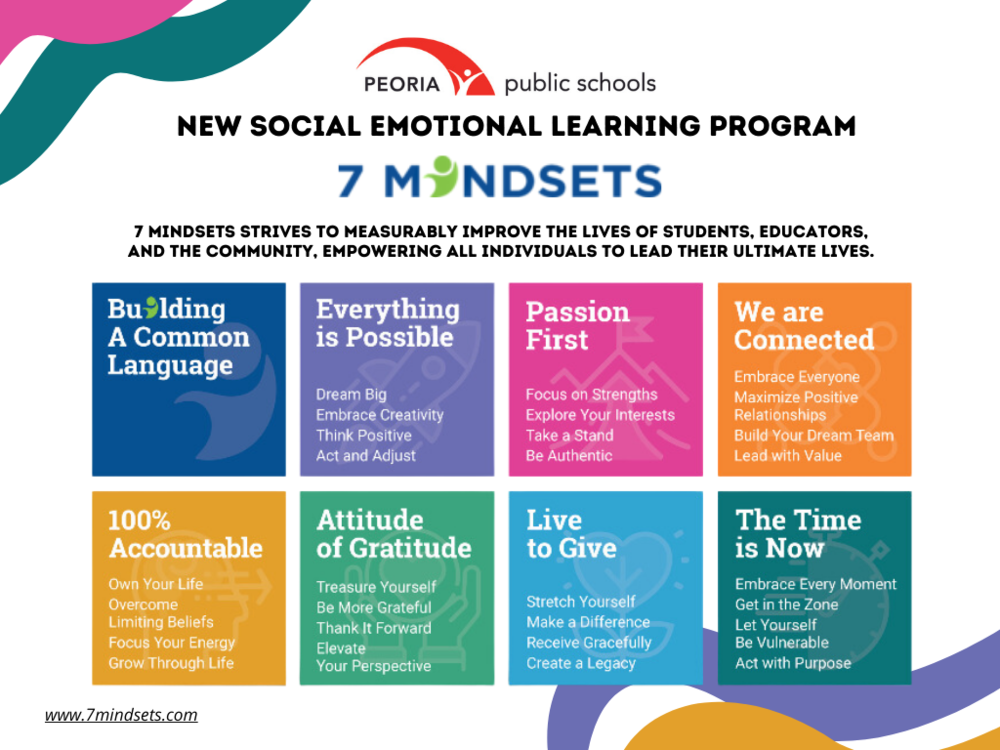
The “7 Mindsets” by Dr. Jeniffer Garvey Bergeron is a powerful framework for personal development, emphasizing the interconnectedness of our thoughts, feelings, and actions. The book offers seven distinct yet interconnected mindsets, each offering a unique lens through which to view the world and ourselves.
By cultivating these mindsets, we can enhance our self-awareness, build resilience, and unlock our full potential.
The 7 Mindsets
The seven mindsets are:
- Growth Mindset:Embracing challenges as opportunities for learning and development.
- Mindful Mindset:Cultivating awareness of the present moment and focusing on the here and now.
- Resilient Mindset:Bouncing back from setbacks and adversity with determination and a positive outlook.
- Empathetic Mindset:Understanding and connecting with others’ emotions and perspectives.
- Collaborative Mindset:Working effectively with others, valuing diverse viewpoints, and leveraging collective strengths.
- Strategic Mindset:Thinking critically, planning ahead, and making informed decisions.
- Purposeful Mindset:Aligning actions with personal values and contributing to a greater good.
Growth Mindset
The growth mindset, as coined by Stanford psychologist Carol Dweck, emphasizes the belief that our abilities can be developed through effort and dedication. Individuals with a growth mindset view challenges as opportunities for learning and growth, rather than threats to their self-worth.
They are open to feedback, persist in the face of setbacks, and strive for continuous improvement.
“The key is not to prioritize what’s on your schedule, but to schedule your priorities.”
Stephen Covey
Mindful Mindset
The mindful mindset emphasizes being present in the moment, paying attention to our thoughts, feelings, and sensations without judgment. Mindfulness helps us to reduce stress, improve focus, and increase self-awareness. By cultivating mindfulness, we can better manage our emotions, make more conscious choices, and live more authentically.
Resilient Mindset
The resilient mindset is the ability to bounce back from setbacks and adversity with determination and a positive outlook. Individuals with a resilient mindset possess a strong sense of self-belief, are adaptable to change, and have a positive outlook on life.
They are able to cope with stress, overcome challenges, and emerge stronger from difficult experiences.
Empathetic Mindset
The empathetic mindset is the ability to understand and connect with others’ emotions and perspectives. Individuals with an empathetic mindset are able to put themselves in others’ shoes, listen attentively, and respond with compassion. Empathy is crucial for building strong relationships, fostering collaboration, and creating a more inclusive society.
Collaborative Mindset
The collaborative mindset emphasizes the importance of working effectively with others, valuing diverse viewpoints, and leveraging collective strengths. Individuals with a collaborative mindset are open to feedback, communicate effectively, and contribute to a shared goal. Collaboration is essential for innovation, problem-solving, and achieving collective success.
Strategic Mindset
The strategic mindset involves thinking critically, planning ahead, and making informed decisions. Individuals with a strategic mindset are able to analyze situations, identify opportunities, and develop effective plans. They are able to set clear goals, prioritize tasks, and adapt to changing circumstances.
Purposeful Mindset, 7 mindsets acquires lessons for sel
The purposeful mindset emphasizes aligning our actions with our personal values and contributing to a greater good. Individuals with a purposeful mindset have a clear sense of purpose, are motivated by their values, and strive to make a positive impact on the world.
The 7 mindsets acquired lessons for self-improvement are powerful tools for navigating a world that can feel increasingly complex and uncertain. It’s a reminder that our choices matter, even in seemingly small ways. Take, for example, the current debate over US uranium imports, sparked by Russia’s aggression in Ukraine.
This article highlights how global events can impact our daily lives, emphasizing the importance of developing a mindful approach to our consumption and resource management. Ultimately, embracing the 7 mindsets allows us to become more aware, responsible, and resilient individuals in an interconnected world.
They find meaning in their work, relationships, and life experiences.
Cultivating a Growth Mindset
The growth mindset is a powerful tool for achieving success in all aspects of life. It’s about embracing challenges, seeing setbacks as opportunities for learning, and believing that our abilities can be developed through effort and dedication. This mindset fosters resilience, adaptability, and a constant drive for improvement.
Strategies for Developing a Growth Mindset
Developing a growth mindset is an ongoing journey. It involves actively challenging limiting beliefs and embracing a mindset that sees challenges as opportunities for growth. Here are some strategies to cultivate this mindset:
- Embrace Challenges:Instead of avoiding difficult tasks, view them as chances to learn and grow. Approach challenges with curiosity and a willingness to learn from mistakes.
- Focus on Effort and Learning:Recognize that effort and dedication are the keys to success. Celebrate your progress, even if it’s small, and focus on the lessons learned from setbacks.
- Reframe Mistakes as Learning Opportunities:See mistakes as valuable feedback that helps you improve. Instead of dwelling on failures, analyze them to identify areas for growth.
- Seek Feedback and Learn from Others:Actively seek feedback from mentors, peers, and even those who challenge your perspectives. This helps you gain new insights and identify areas for improvement.
- Practice Gratitude:Acknowledge your strengths and celebrate your accomplishments. Gratitude helps cultivate a positive mindset and fosters a belief in your ability to grow.
Overcoming Limiting Beliefs and Embracing Challenges
Limiting beliefs are often rooted in past experiences, societal expectations, or negative self-talk. These beliefs can hinder our growth and prevent us from pursuing our full potential. To overcome limiting beliefs, we need to challenge them actively:
- Identify Limiting Beliefs:Pay attention to your thoughts and identify the beliefs that hold you back. Ask yourself questions like, “What am I telling myself that prevents me from taking action?” or “What assumptions am I making about my abilities?”
- Challenge the Evidence:Once you’ve identified limiting beliefs, examine the evidence supporting them. Are these beliefs based on facts or on assumptions? Do they serve you or hold you back?
- Replace Negative Self-Talk with Positive Affirmations:Replace negative thoughts with positive affirmations that reflect your desired growth mindset. For example, instead of thinking, “I’m not good at this,” try, “I’m learning and improving with each attempt.”
- Focus on Progress, Not Perfection:Embrace the journey of learning and growth. Don’t strive for perfection; focus on making progress, even if it’s incremental. Celebrate your small wins and acknowledge your efforts.
- Seek Support:Surround yourself with people who believe in your potential and encourage your growth. Find mentors, coaches, or support groups that provide positive reinforcement and guidance.
Encouraging a Growth Mindset in Others
Creating a culture of growth starts with encouraging a growth mindset in others. Here are some ways to foster this mindset:
- Provide Growth-Oriented Feedback:Focus on specific areas for improvement rather than dwelling on shortcomings. Offer constructive criticism and guidance to help others learn and grow.
- Celebrate Effort and Progress:Acknowledge and appreciate the effort and progress made, even if the results aren’t perfect. This reinforces the importance of learning and development.
- Create a Safe Environment for Mistakes:Encourage a culture where mistakes are seen as opportunities for learning. This helps individuals feel comfortable taking risks and trying new things without fear of judgment.
- Model a Growth Mindset:Be a role model by embracing challenges, seeking feedback, and demonstrating a willingness to learn and grow. Your actions speak louder than words.
The Mindset of Success
Success is not a destination but a journey, and the mindset you cultivate plays a crucial role in shaping your path. It’s not just about talent or luck; it’s about the mental framework you bring to your endeavors.
Characteristics of Successful Individuals
Successful individuals often share common mental characteristics that contribute to their achievements. These include:
- Growth Mindset:They embrace challenges, view setbacks as opportunities for learning, and continuously strive for improvement. This mindset allows them to adapt to changing circumstances and overcome obstacles.
- Resilience:They bounce back from failures and setbacks, learning from their experiences and using them as fuel for future success. They understand that setbacks are inevitable but don’t define them.
- Goal-Oriented:They have clear goals and a strong sense of purpose. They break down large goals into smaller, manageable steps and consistently work towards their objectives.
- Self-Discipline:They prioritize their goals, manage their time effectively, and maintain focus despite distractions. They understand the importance of delayed gratification and are willing to put in the effort required for success.
- Positive Attitude:They maintain an optimistic outlook, even in the face of challenges. They focus on solutions rather than problems and believe in their ability to achieve their goals.
- Perseverance:They don’t give up easily. They persist through difficult times, knowing that success often requires sustained effort and determination.
- Continuous Learning:They are lifelong learners, constantly seeking new knowledge and skills. They embrace change and are open to new ideas and perspectives.
Mindset of Successful People in Different Fields
The specific characteristics of successful individuals may vary depending on their field, but the core principles remain consistent.
- Entrepreneurs:They are typically risk-takers, innovative, and adaptable. They possess a strong vision and are able to inspire others to follow their lead.
- Athletes:They are highly disciplined, focused, and determined. They have a strong work ethic and are constantly striving to improve their performance.
- Scientists:They are curious, analytical, and persistent. They are driven by a desire to understand the world and are willing to challenge existing theories.
- Artists:They are creative, passionate, and expressive. They often have a unique vision and are willing to take risks to express themselves.
Framework for Cultivating a Mindset for Success
Cultivating a mindset that fosters success is an ongoing process. Here’s a framework to guide your journey:
- Self-Awareness:Begin by understanding your current mindset. What are your strengths and weaknesses? What are your beliefs about success and failure? This introspection will help you identify areas for improvement.
- Challenge Your Beliefs:Examine your limiting beliefs about success. Are they based on evidence or on assumptions? Replace negative self-talk with positive affirmations and focus on your potential.
- Embrace Growth:View challenges as opportunities for learning and growth. Seek feedback, learn from your mistakes, and continuously strive to improve your skills and knowledge.
- Set Clear Goals:Define your goals clearly and break them down into smaller, manageable steps. This will provide you with a roadmap for success and keep you motivated.
- Develop Self-Discipline:Prioritize your goals, manage your time effectively, and stay focused on your tasks. This requires discipline and commitment.
- Practice Gratitude:Focus on the positive aspects of your life and appreciate the progress you’ve made. Gratitude can boost your mood and enhance your resilience.
- Surround Yourself with Positive Influences:Spend time with people who inspire you and support your goals. Avoid negative influences that can undermine your confidence and motivation.
Mindset and Personal Transformation
The power of mindset extends far beyond mere thinking; it shapes our reality, influencing our actions, choices, and ultimately, our lives. A positive mindset acts as a catalyst for personal transformation, empowering us to overcome challenges, embrace opportunities, and achieve our full potential.
Examples of Mindset-Driven Transformation
The impact of mindset on personal transformation is evident in countless real-life stories.
- Consider the case of an individual struggling with chronic self-doubt. By adopting a growth mindset, they began to view challenges as opportunities for learning and improvement. This shift in perspective led to increased resilience, a willingness to take risks, and ultimately, a remarkable transformation in their career and personal life.
- Another example is that of an athlete who, despite facing numerous setbacks, maintained a positive mindset. Their belief in their abilities and unwavering focus on their goals propelled them towards achieving extraordinary results. Their story demonstrates the transformative power of positive self-talk, visualization, and unwavering belief in oneself.
Steps to Transform Your Life Through Mindset Change
Transforming your life through mindset change is a journey that requires commitment and deliberate effort.
- Identify Limiting Beliefs:Begin by identifying negative or limiting beliefs that hold you back. These beliefs often stem from past experiences, societal conditioning, or self-doubt. Once identified, challenge these beliefs and replace them with empowering alternatives.
- Cultivate a Growth Mindset:Embrace the idea that your abilities and intelligence are not fixed but can be developed through effort and learning. View challenges as opportunities for growth and embrace the process of learning from mistakes.
- Practice Positive Self-Talk:Engage in positive self-talk, replacing negative thoughts with affirmations and encouraging statements. This practice helps rewire your brain for success and build self-confidence.
- Visualize Success:Take time to visualize your desired outcomes and imagine yourself achieving your goals. This practice helps create a mental blueprint for success and strengthens your belief in your ability to achieve it.
- Seek Support and Guidance:Surround yourself with positive and supportive individuals who believe in your potential. Seek guidance from mentors, coaches, or therapists who can provide encouragement and help you navigate the process of transformation.
Mindset and Leadership: 7 Mindsets Acquires Lessons For Sel
Leadership is not merely a position of authority; it is a profound influence on the direction and success of individuals and organizations. A leader’s mindset plays a crucial role in shaping their approach, decisions, and ultimately, the outcomes they achieve.
The power of mindset in leadership cannot be overstated, as it shapes everything from communication and motivation to problem-solving and adaptability.
The Impact of Mindset on Leadership
A leader’s mindset directly influences their ability to inspire, motivate, and guide others. It shapes their perception of challenges, their approach to problem-solving, and their ability to build strong relationships. A positive and growth-oriented mindset empowers leaders to create a culture of innovation, collaboration, and resilience.
Key Mindsets for Successful Leadership
- Growth Mindset:Leaders with a growth mindset embrace challenges as opportunities for learning and development. They are constantly seeking new knowledge and perspectives, fostering a culture of continuous improvement within their teams.
- Servant Leadership:This mindset emphasizes the leader’s commitment to serving the needs of their team and organization. Servant leaders prioritize the well-being and growth of their followers, creating a supportive and empowering environment.
- Resilience:Effective leaders are resilient in the face of setbacks and adversity. They maintain a positive outlook, learn from mistakes, and adapt to changing circumstances with determination and flexibility.
- Empathy:Leaders with empathy understand and connect with the emotions and perspectives of their team members. They create an inclusive and supportive environment where everyone feels valued and heard.
- Visionary Mindset:Leaders with a visionary mindset have a clear understanding of their organization’s goals and a compelling vision for the future. They inspire their teams to strive for excellence and achieve ambitious targets.
Examples of Leaders with Positive Mindsets
- Nelson Mandela:Mandela’s unwavering commitment to social justice and his ability to forgive his oppressors despite years of imprisonment demonstrate his powerful growth mindset and unwavering resilience. He inspired millions with his message of hope and reconciliation.
- Steve Jobs:Jobs’ visionary leadership and relentless pursuit of innovation transformed Apple into a global tech giant. His focus on design, simplicity, and user experience revolutionized the tech industry and inspired generations of entrepreneurs.
- Oprah Winfrey:Winfrey’s journey from poverty to global media mogul is a testament to her growth mindset and unwavering determination. She has inspired countless individuals with her message of empowerment and self-belief.
The Impact of Mindset on Relationships
Our mindset profoundly shapes how we perceive and interact with the world, and this extends to our relationships. The way we think about ourselves, others, and our interactions significantly influences the quality and longevity of our connections.
Mindset and Relationship Dynamics
The impact of our mindset on relationships can be observed in various aspects, such as communication, conflict resolution, and overall emotional well-being. A positive mindset fosters understanding, empathy, and a willingness to compromise, leading to stronger, healthier bonds. Conversely, a negative mindset can create barriers, fueling misunderstandings, conflict, and ultimately, distance.
Comparing the Impact of Positive and Negative Mindsets
The following table illustrates the contrasting effects of positive and negative mindsets on relationships:
| Mindset | Impact on Relationships |
|---|---|
| Positive Mindset |
|
| Negative Mindset |
|
Fostering Positive Relationships Through a Growth Mindset
Adopting a growth mindset can significantly improve the quality of our relationships. Here are some tips:
- Embrace learning and growth:Be open to understanding different perspectives and learning from your partner. View disagreements as opportunities for growth and mutual understanding.
- Focus on strengths and positive attributes:Appreciate your partner’s qualities and celebrate their successes. This fosters a positive environment and strengthens your bond.
- Practice active listening and empathy:Make an effort to truly understand your partner’s point of view, even if you disagree. Show empathy and compassion, even during challenging conversations.
- Cultivate forgiveness and acceptance:Everyone makes mistakes. Be willing to forgive your partner and accept their flaws. This promotes a more understanding and forgiving relationship.
- Practice gratitude and appreciation:Express your appreciation for your partner and the relationship you share. This reinforces positive feelings and strengthens the bond.
Closing Notes

By embracing the principles Artikeld in “7 Mindsets,” we can unlock the potential for extraordinary personal growth and achieve a life filled with purpose, meaning, and fulfillment. This book provides a roadmap for navigating the complexities of life, empowering us to create a future that aligns with our values and aspirations.
Whether you’re seeking to overcome limiting beliefs, enhance your leadership skills, or simply cultivate a more positive and fulfilling life, “7 Mindsets” offers a wealth of wisdom and practical guidance.