

7 Keys to Creating a Productive Business Team Culture
7 keys to creating a productive business team culture – Building a thriving business team culture isn’t just about getting work done; it’s about fostering an environment where everyone feels valued, empowered, and motivated to achieve shared goals. A productive team culture is the foundation for success, allowing individuals to contribute their best while working collaboratively and harmoniously.
7 keys to creating a productive business team culture takes center stage, offering a roadmap to build a thriving, collaborative, and productive team. This approach emphasizes the importance of clear communication, mutual respect, and continuous growth, ultimately leading to a more engaged and fulfilled workforce.
This article delves into seven crucial elements that contribute to a positive and productive business team culture. We’ll explore how to cultivate a shared vision, foster open communication, build trust and respect, empower team members, encourage continuous learning, acknowledge achievements, and prioritize work-life balance.
By understanding and implementing these keys, you can create an environment where individuals thrive, collaborate effectively, and drive exceptional results.
Shared Vision and Goals
A clear, compelling vision and aligned goals are the bedrock of a productive team culture. They provide a shared sense of purpose, direction, and motivation, fostering collaboration and encouraging individual contributions toward a common objective. When team members understand the “why” behind their work and see how their individual efforts contribute to the bigger picture, they are more likely to be engaged, committed, and productive.
Involving Team Members in Defining and Communicating the Vision and Goals
Engaging team members in the process of defining and communicating the vision and goals is crucial for fostering a sense of ownership and commitment. It also ensures that the vision resonates with the team’s values and perspectives, leading to greater buy-in and alignment.
- Facilitated workshops:Conducting facilitated workshops where team members actively participate in brainstorming, discussing, and shaping the vision and goals can be highly effective. This collaborative approach ensures that diverse perspectives are considered and that the vision reflects the collective aspirations of the team.
- Open communication channels:Establishing open communication channels, such as regular team meetings, online forums, or suggestion boxes, allows team members to voice their ideas, concerns, and suggestions regarding the vision and goals. This ongoing dialogue fosters a sense of transparency and inclusivity, promoting active participation and a shared understanding of the team’s direction.
- Visual representation:Using visual aids like vision boards, mind maps, or infographics can help to effectively communicate the vision and goals to the team. Visual representations make the vision more tangible and relatable, fostering a deeper understanding and shared commitment.
Effective Methods for Ensuring Team Alignment with the Overall Vision
Once the vision and goals are defined, it’s essential to implement strategies that ensure the team remains aligned and focused on achieving them.
- Regular performance reviews:Conducting regular performance reviews that align with the team’s vision and goals allows for continuous feedback and adjustments. This ensures that individual contributions are aligned with the overall direction and that progress is being made towards achieving the desired outcomes.
- Goal-setting frameworks:Utilizing goal-setting frameworks like SMART goals (Specific, Measurable, Achievable, Relevant, and Time-bound) provides a structured approach to setting and tracking progress towards the team’s objectives. This framework ensures that goals are clear, actionable, and measurable, facilitating effective progress monitoring and accountability.
- Celebrating milestones:Acknowledging and celebrating milestones along the way reinforces the team’s commitment to the vision and goals. It creates a positive and motivating atmosphere, fostering a sense of accomplishment and encouraging continued progress towards the desired outcomes.
Open Communication and Collaboration: 7 Keys To Creating A Productive Business Team Culture
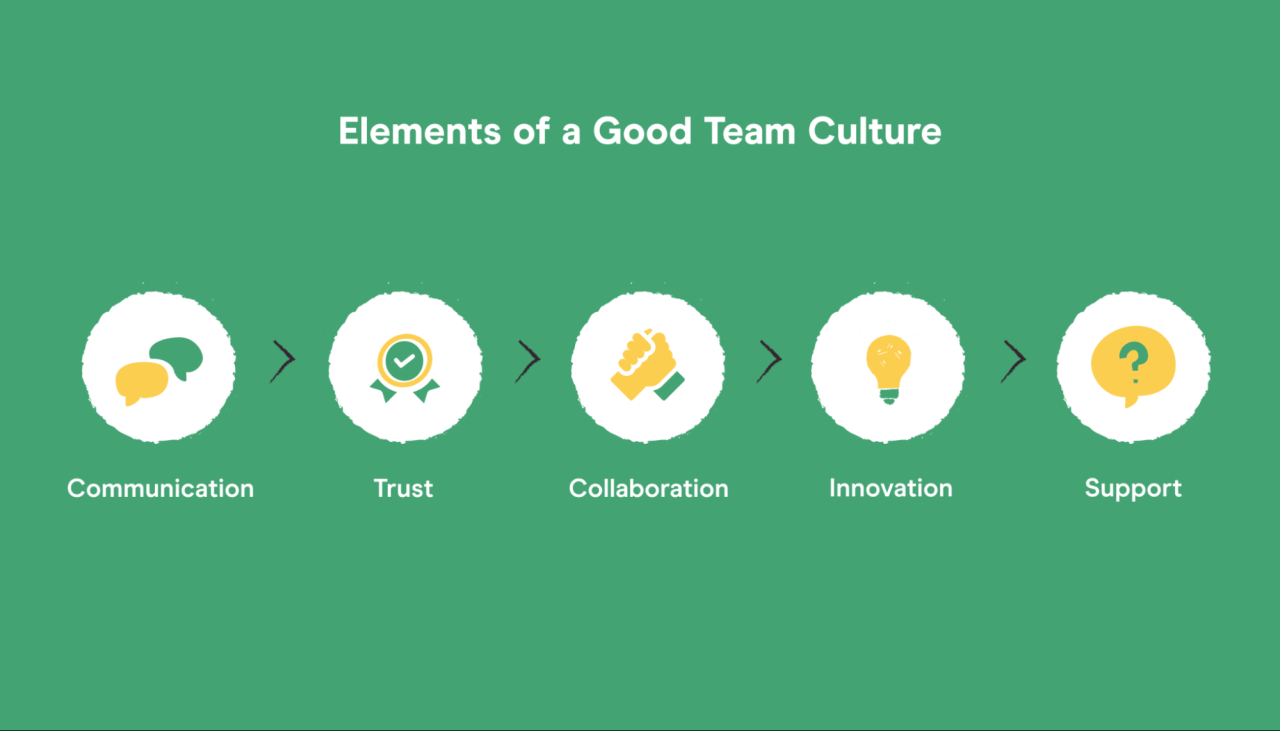
In the symphony of a successful business team, open communication and collaboration are the instruments that harmonize individual talents into a powerful, productive melody. When team members feel comfortable expressing their ideas, concerns, and perspectives, they create an environment where innovation flourishes, problems are tackled collectively, and everyone feels valued.
The Significance of Open Communication
Open communication is the lifeblood of a productive business team. It fosters trust, transparency, and a shared understanding of goals and priorities. When team members feel comfortable sharing their thoughts and concerns, they create an environment where:
- Ideas are freely exchanged:Open communication encourages team members to share their insights and perspectives, leading to a wider range of ideas and solutions.
- Problems are addressed proactively:Open dialogue allows team members to identify and discuss challenges early on, preventing them from escalating into larger issues.
- Feedback is constructive and actionable:Open communication creates a safe space for team members to provide and receive feedback, promoting continuous improvement and learning.
- Team members feel heard and valued:When team members feel comfortable expressing their thoughts and opinions, they feel respected and valued, leading to increased motivation and engagement.
The Role of Active Listening and Feedback
Active listening and feedback are essential components of open communication. Active listening involves paying full attention to what others are saying, understanding their perspective, and responding appropriately. Feedback, on the other hand, provides constructive criticism and suggestions for improvement.
- Active listening fosters understanding:By actively listening to their colleagues, team members demonstrate respect and show that they value their perspectives. This leads to a deeper understanding of each other’s ideas and concerns.
- Feedback promotes growth:Constructive feedback helps team members identify areas for improvement and develop their skills. It also encourages a culture of continuous learning and development.
- Trust is built through open communication:When team members feel comfortable sharing their thoughts and receiving honest feedback, they build trust and confidence in each other.
Communication Tools and Strategies
There are numerous communication tools and strategies that can be used to promote effective collaboration within a business team. These tools and strategies help to facilitate open communication, ensure transparency, and streamline collaboration.
Building a productive business team culture is like coaching a winning sports team. It takes clear communication, shared goals, and a healthy dose of encouragement. Just like you might read 20 super sports books for kids of all ages to inspire young athletes, you can use similar principles to build a winning team in the workplace.
By fostering a culture of collaboration, celebrating successes, and recognizing individual contributions, you can create an environment where everyone feels valued and motivated to perform at their best.
- Project management tools:Tools like Asana, Trello, and Monday.com provide a central platform for teams to manage tasks, track progress, and communicate updates. They enable team members to stay organized, informed, and aligned on project goals.
- Instant messaging platforms:Platforms like Slack, Microsoft Teams, and Google Chat allow for real-time communication and collaboration. They facilitate quick discussions, sharing of information, and efficient problem-solving.
- Video conferencing tools:Tools like Zoom, Google Meet, and Microsoft Teams allow for face-to-face communication, even when team members are geographically dispersed. They foster a sense of connection and facilitate more engaging and collaborative meetings.
- Regular team meetings:Scheduled team meetings provide a dedicated time for team members to discuss progress, address challenges, and share updates. They ensure that everyone is on the same page and that there is a clear understanding of team goals and priorities.
- Open-door policy:Encouraging an open-door policy, where team members feel comfortable approaching their manager or colleagues with concerns or suggestions, fosters a culture of transparency and open communication.
Respect and Trust
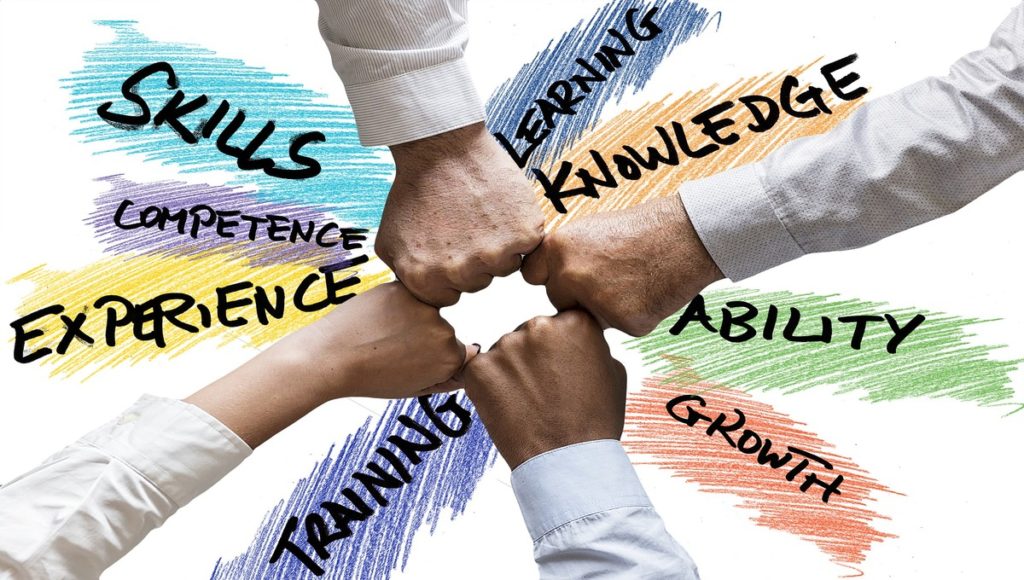
A productive team culture thrives on a foundation of mutual respect and trust. It’s the glue that binds team members together, enabling open communication, collaboration, and a shared sense of purpose. Without this foundation, teams can struggle with conflict, lack of engagement, and ultimately, a decline in performance.
Fostering a Culture of Trust
Trust is not simply a feeling; it’s a tangible result of consistent actions and behaviors. Building trust within a team requires conscious effort from all members. Transparency, integrity, and accountability are crucial components of fostering this essential element of a productive team culture.
- Transparency: Open communication is vital. Team members should feel comfortable sharing information, ideas, and concerns without fear of repercussions. Leaders should be transparent in their decision-making processes, explaining the rationale behind choices and acknowledging any limitations. This openness helps to build trust and reduce uncertainty.
Building a productive business team culture requires fostering open communication, valuing diverse perspectives, and encouraging collaboration. This means creating an environment where everyone feels heard and respected, regardless of age or experience. In fact, understanding the decision-making processes of older adults, as explored in this insightful article sizing up the decisions of older adults , can be invaluable for team leaders.
By recognizing the unique strengths and insights of older employees, we can leverage their experience to create a more dynamic and effective team culture.
- Integrity: Integrity is about acting in accordance with one’s values and principles, even when it’s challenging. Team members should be honest and reliable, keeping their commitments and acting in a way that aligns with the team’s shared values.
Building a productive business team culture requires fostering trust, clear communication, and a shared vision. It’s about creating a space where everyone feels valued and empowered to contribute. However, achieving this can be challenging, especially when external forces like political turmoil create a climate of distrust.
The fight to control elections, as seen in the article how influential election deniers have fueled a fight to control elections , can spill over into the workplace, impacting morale and productivity. By prioritizing open dialogue and focusing on shared goals, we can create a more resilient team culture that can weather external storms.
Leaders must set the example by demonstrating integrity in their own actions.
- Accountability: Accountability involves taking responsibility for one’s actions and decisions. Team members should be held accountable for their contributions, both successes and failures. This fosters a culture of ownership and responsibility, where individuals feel empowered to contribute and learn from their mistakes.
Leaders must be willing to hold themselves accountable as well, demonstrating that everyone is responsible for upholding the team’s standards.
Building Trust and Respect through Behaviors
Specific behaviors can significantly contribute to building trust and respect within a team. These actions create a positive environment where individuals feel valued, supported, and empowered to contribute their best.
- Active Listening: Pay attention to what others are saying, both verbally and nonverbally. Show genuine interest in their perspectives and ideas. Active listening demonstrates respect and encourages open communication.
- Constructive Feedback: Provide feedback that is specific, timely, and focused on improvement. Avoid personal attacks or negativity. Offer constructive criticism in a way that helps individuals learn and grow.
- Appreciation and Recognition: Acknowledge and celebrate team members’ accomplishments, both big and small. Express gratitude for their contributions and efforts. This reinforces positive behaviors and fosters a sense of belonging.
- Conflict Resolution: Address conflicts constructively and respectfully. Focus on finding solutions that benefit the team as a whole, rather than trying to win arguments or assign blame.
- Mutual Support: Offer support and encouragement to team members, both during challenging times and when they are celebrating successes. This demonstrates that you value their well-being and are invested in their growth.
Empowerment and Autonomy
A thriving business team culture flourishes when team members are empowered with autonomy and responsibility. This fosters a sense of ownership, driving motivation and engagement, and ultimately leading to higher performance.
Providing Clear Expectations, Support, and Resources
Providing clear expectations, support, and resources is essential for team members to thrive. This means setting specific goals, providing necessary training, and offering readily available tools and resources to facilitate their work. When team members understand what is expected of them and have the means to achieve it, they feel confident and capable, leading to increased productivity and job satisfaction.
Delegating Tasks Effectively and Providing Opportunities for Professional Growth, 7 keys to creating a productive business team culture
Delegating tasks effectively and providing opportunities for professional growth are crucial aspects of empowering team members. This involves assigning tasks that align with individual strengths and interests, while also offering opportunities for skill development and advancement.
- Clearly Define Responsibilities:When delegating tasks, clearly define responsibilities and expectations, ensuring team members understand their roles and the desired outcomes.
- Provide Necessary Support:Offer guidance, mentorship, and access to resources to help team members succeed in their assigned tasks. This might include providing training, access to relevant tools, or opportunities to collaborate with experienced colleagues.
- Offer Opportunities for Growth:Encourage team members to take on new challenges and develop their skills. This could involve assigning them projects that stretch their abilities, providing opportunities for training and development, or offering mentorship from senior team members.
Recognition and Appreciation
A thriving business team culture is built on mutual respect and a shared sense of purpose. Recognition and appreciation play a crucial role in fostering this environment by acknowledging and celebrating individual and team achievements. By showing gratitude for contributions, you create a positive and motivating work environment that encourages dedication, innovation, and growth.
Methods of Recognition and Appreciation
It is important to acknowledge individual and team achievements through both formal and informal methods. Formal methods provide a structured approach, while informal methods offer spontaneous expressions of gratitude.
- Formal Recognition Programs: These programs offer structured ways to recognize outstanding performance and contributions. Examples include employee-of-the-month awards, performance bonuses, and promotions. Formal recognition programs demonstrate a commitment to rewarding excellence and provide a tangible way to show appreciation.
- Informal Recognition: Spontaneous expressions of gratitude are equally important. These can include simple gestures like a handwritten thank-you note, a verbal compliment, or a small gift. Informal recognition creates a culture of appreciation and fosters a sense of belonging within the team.
Effective Recognition Programs and Strategies
There are various effective recognition programs and strategies to implement.
- Peer-to-Peer Recognition: Encourage team members to recognize and appreciate each other’s contributions. This fosters a culture of collaboration and strengthens team bonds. Platforms like online recognition tools or suggestion boxes can facilitate this process.
- Public Acknowledgement: Publicly acknowledging achievements during team meetings, company events, or even through social media can be a powerful way to show appreciation. It provides a platform for celebrating successes and motivating others.
- Personalized Recognition: Tailoring recognition efforts to individual preferences can make a significant impact. Some employees may appreciate public recognition, while others might prefer a private acknowledgment. Understanding individual preferences allows for more meaningful and impactful appreciation.
Outcome Summary

In conclusion, creating a productive business team culture is an ongoing journey that requires commitment and continuous effort. By embracing the seven keys Artikeld above, you can foster an environment where team members feel valued, empowered, and motivated to achieve their full potential.
Remember, a positive and productive team culture is not just about achieving goals; it’s about creating a workplace where everyone feels supported, respected, and engaged, leading to a more fulfilling and successful work experience for all.