
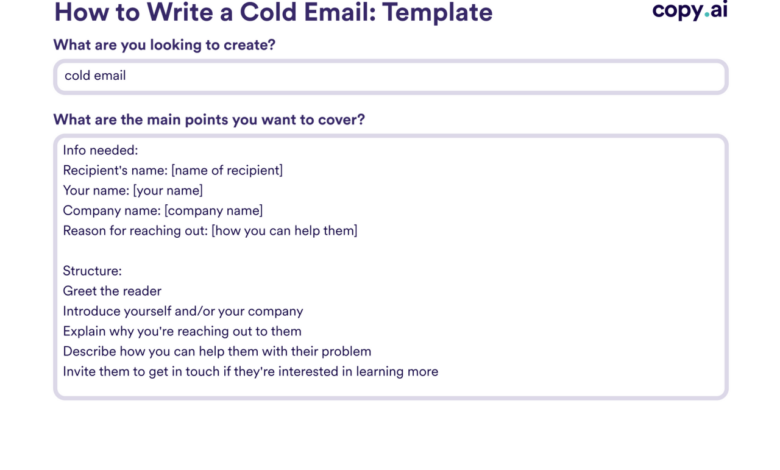
7 Cold Email Template Ideas for Success
7 Cold Email Template Ideas: Want to make your cold emails stand out and actually get results? It’s all about crafting compelling messages that resonate with your audience. Whether you’re introducing a new product, requesting a meeting, or simply building relationships, having the right template can make all the difference.
In this post, we’ll dive into seven cold email template ideas, each designed to help you achieve specific goals. We’ll cover everything from crafting attention-grabbing subject lines to writing persuasive calls to action. Get ready to level up your cold email game!
Understanding Cold Email Basics
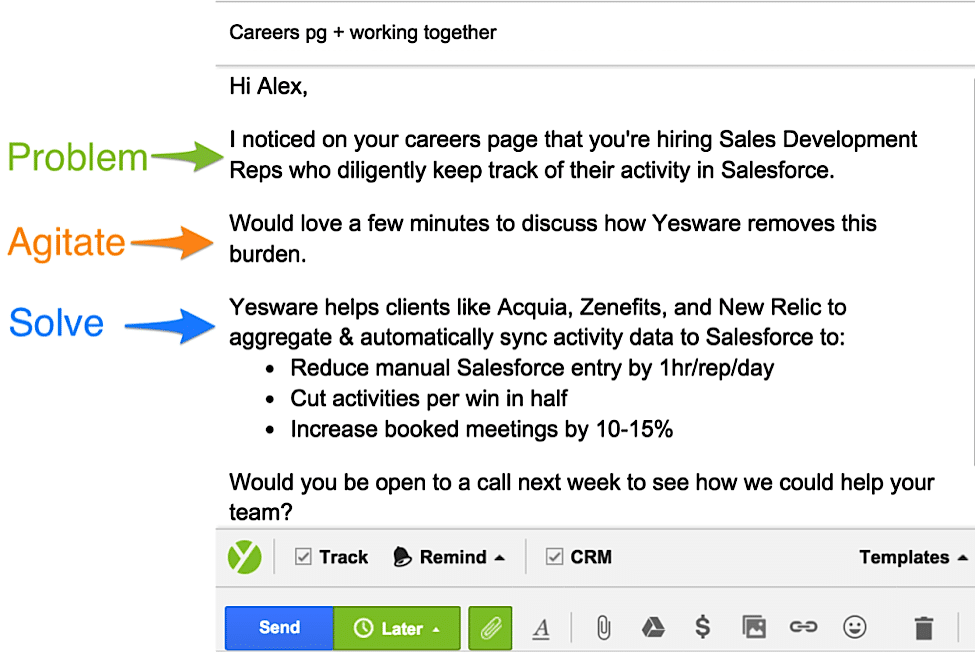
Cold emails are a powerful tool for reaching out to potential customers or clients. But crafting effective cold emails that get results requires understanding the fundamentals of this outreach method.
Crafting effective cold emails can be tricky, especially when trying to stand out in a crowded inbox. I’ve been working on refining my own templates, and I’ve found that using a strong subject line and a personalized opening are key.
But then I saw this article, gop congressional candidate believes abortion is a human sacrifice to demons , and it made me realize that even the most polished email can fall flat if it doesn’t resonate with the recipient’s values.
So, I’m taking a step back to reconsider my approach, focusing on building genuine connections rather than just selling my services. Maybe a little empathy goes a long way in crafting those perfect cold email templates after all.
Personalization in Cold Emails
Personalization is crucial for making your cold emails stand out and resonate with your target audience. It shows that you’ve taken the time to research their needs and interests, rather than sending out a generic message. Personalized cold emails are more likely to be opened, read, and responded to.
Crafting effective cold email templates can be a real challenge, but it’s worth the effort. You need to strike the right balance between personalization and efficiency. A recent report by the IPCC highlights the importance of involving people in climate action , and that same principle applies to your cold email strategy.
Think about how you can personalize your outreach to resonate with individual recipients and make them feel like you’re genuinely interested in their needs, not just trying to sell something.
Here are some ways to personalize your cold emails:
- Mention their company or specific projects.This demonstrates that you’ve done your homework and understand their business.
- Refer to a recent blog post or industry event they attended.This shows you’re keeping up with their latest activities.
- Use their name.Addressing them by name makes the email feel more personal and less like a mass-produced message.
Compelling Cold Email Subject Lines, 7 cold email template ideas
The subject line is the first impression your email makes, and it can determine whether it gets opened or deleted. A compelling subject line should be:
- Short and to the point.Keep it concise and easy to read.
- Intriguing and relevant.Spark curiosity and relate to the recipient’s interests.
- Specific and actionable.Clearly state the purpose of your email and what you want the recipient to do.
Typical Cold Email Structure
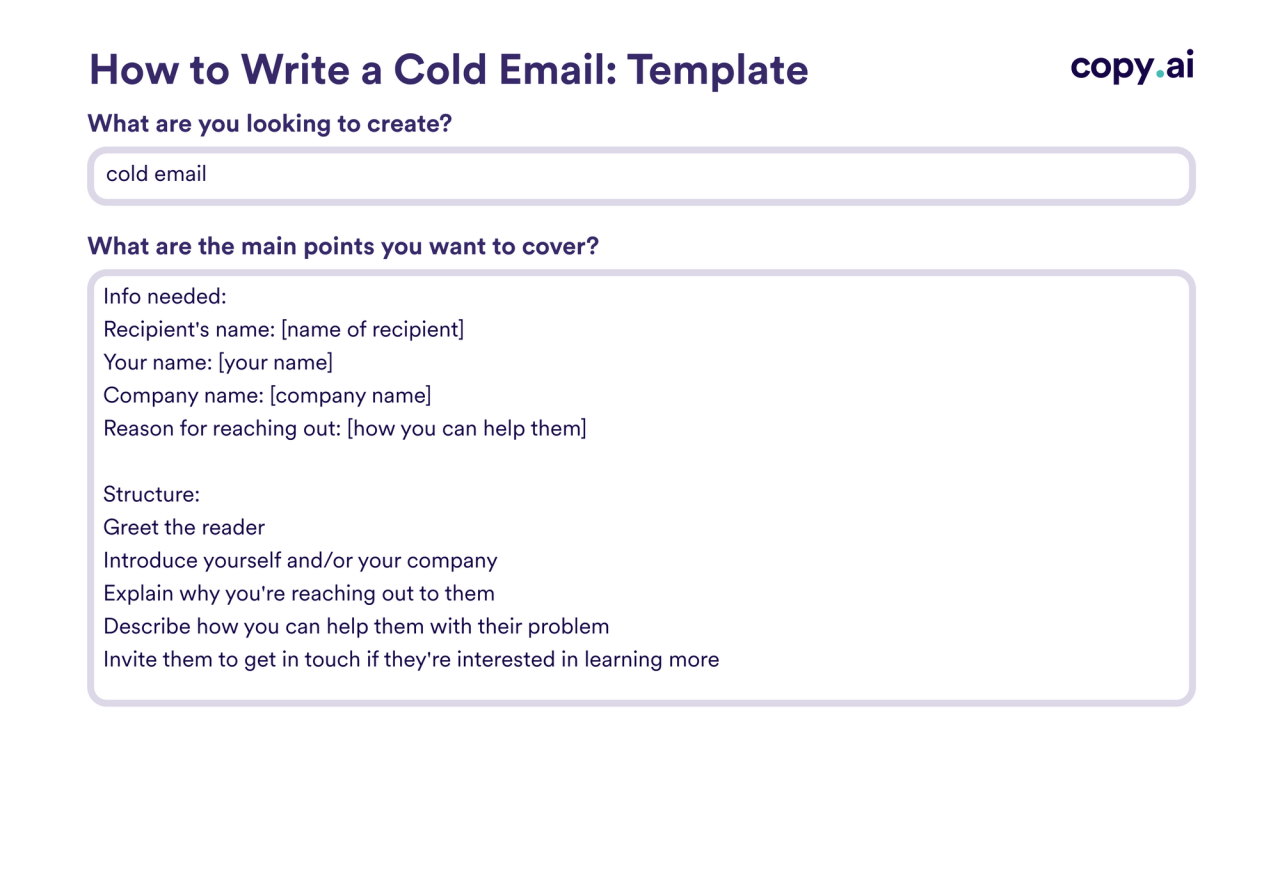
A well-structured cold email follows a clear and logical format, making it easy for the recipient to understand your message:
- Greeting.Start with a personalized greeting, addressing the recipient by name.
- Introduction.Briefly introduce yourself and your company, explaining why you’re reaching out.
- Value proposition.Clearly articulate the benefits of your product or service and how it can solve the recipient’s problems.
- Call to action.End with a clear and concise call to action, telling the recipient what you want them to do next.
- Closing.End with a professional closing, thanking the recipient for their time and consideration.
Crafting Effective Cold Email Content: 7 Cold Email Template Ideas
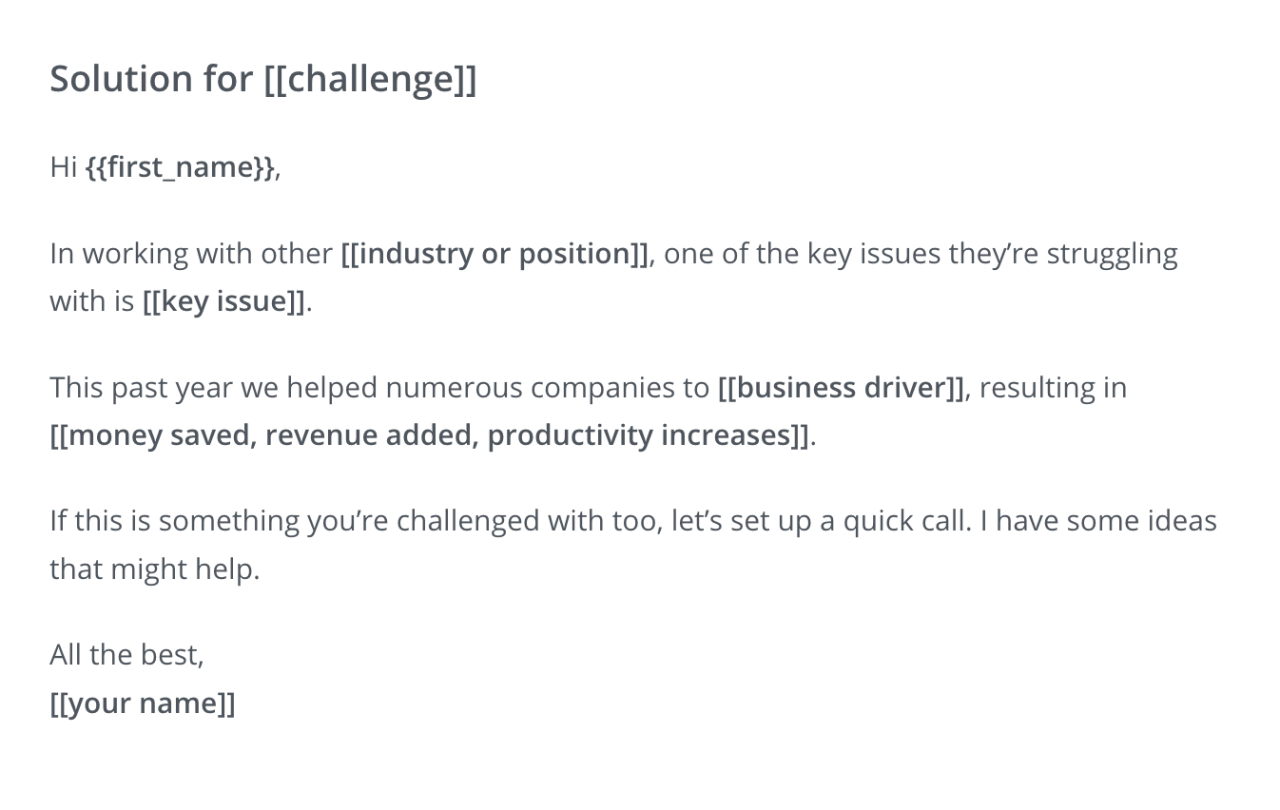
Once you have a solid foundation for your cold email, it’s time to focus on the heart of your message: the content. Crafting compelling and persuasive content is crucial for capturing your recipient’s attention and driving desired action.
Writing a Compelling Opening Paragraph
The opening paragraph is your first and perhaps most important opportunity to make a good impression. It needs to grab your recipient’s attention and pique their interest enough to want to read further. Here are some strategies:* Start with a strong hook:This could be a relevant statistic, a thought-provoking question, a bold statement, or a personalized reference to their work or industry.
Highlight a common pain point
Address a challenge your recipient might be facing and position your solution as the answer.
Offer a valuable insight
Share a unique perspective or valuable information that demonstrates your expertise and adds value to their inbox.
Example:“Subject: Tired of Wasting Time on [Problem]? Here’s a Solution”
Articulating Your Value Proposition
After grabbing their attention, you need to clearly articulate the value proposition your product or service offers. This should be concise, specific, and focused on the benefits your recipient will receive.* Focus on the “what’s in it for me” (WIIFM):Explain how your offering solves a specific problem, improves efficiency, increases revenue, or provides other tangible benefits.
Use quantifiable results
Whenever possible, back up your claims with data, case studies, or testimonials that demonstrate the impact of your solution.
Keep it concise
Avoid overwhelming your recipient with too much information. Stick to the key benefits and leave room for further exploration in a follow-up conversation.
Example:“Our [Product/Service] helps businesses like yours [Benefit 1] by [How it works]. We’ve helped [Client] achieve [Quantifiable result].”
Establishing Credibility and Building Trust
Building trust is essential for any successful cold email campaign. You need to demonstrate your credibility and expertise to encourage your recipient to take your message seriously.* Showcase your expertise:Briefly mention your experience, accomplishments, or industry recognition to establish your authority.
Provide social proof
Include testimonials, case studies, or client logos to demonstrate the positive impact you’ve had on others.
Offer a free resource
Sharing a valuable resource like a white paper, ebook, or webinar can establish you as a thought leader and provide value without asking for anything in return.
Example:“We’ve been featured in [Publication] and have helped [Number] clients achieve [Positive outcome].”
Strong Calls to Action
Your call to action (CTA) should be clear, concise, and encourage the recipient to take the next step. * Use action-oriented verbs:Instead of “Learn more,” try “Schedule a Demo” or “Download our Free Guide.”
Make it easy to act
Provide a clear link to your website, landing page, or scheduling tool.
Offer a sense of urgency
Consider including a time-sensitive offer or limited-time promotion to encourage immediate action.
Example:“Click here to schedule a free consultation and discover how [Product/Service] can benefit your business.”
Last Word
Mastering the art of cold emailing takes practice and experimentation. By understanding the fundamentals, utilizing effective templates, and continually refining your approach, you can build meaningful connections, generate leads, and ultimately achieve your desired outcomes. Remember, personalization is key, so tailor your messages to your specific audience and always prioritize building genuine relationships.
Crafting the perfect cold email can be a challenge, but having a few solid templates in your back pocket can make all the difference. I’ve been experimenting with different approaches, from highlighting shared interests to emphasizing the value proposition.
And while I’m still refining my process, I recently stumbled upon an interesting piece of advice from Elon Musk to Jeff Bezos – check it out here. It’s a reminder that sometimes the most effective communication is straightforward and focused.
I’m incorporating this principle into my 7 cold email template ideas, aiming for clear, concise messages that resonate with my audience.